July 2023

  • Leadership Journeys [104] – George Huff – “There’s no substitute for experience”

    This is the Leadership Journey series on the Choosing Leadership Podcast.

    I believe we all have a lot to learn from each other’s stories – of where we started, where we are now, and our successes and struggles on the way. With this series of interviews, my attempt is to give leaders an opportunity to share their stories and for all of us to learn from their generous sharing. If you know a leader whom you would like to see celebrated on the show, please send me a message on LinkedIn with their name.

    George is the Chief Executive Officer at Opal. He started as a web designer and his journey has led to him being the co-founder of a few really great companies.

    With valuable insights drawn from his own experiences, he candidly discusses the trials and tribulations he faced in building his company from the ground up. 

    From embracing the challenges of starting his first business to transitioning into the CEO role, he offers practical advice on overcoming imposter syndrome and finding confidence in the face of uncertainty. 

    Discover the power of empowering leaders, maintaining a sense of challenge, and embracing innovation to create a thriving organization. 

    Whether you’re a seasoned entrepreneur or aspiring leader, this interview is packed with wisdom that will motivate and equip you to navigate your own leadership challenges with resilience and determination.


    You can find George at the below links

    In the interview, George shares

    • “Being an entrepreneur means navigating the ups and downs of the journey, embracing the trials and tribulations along the way.”
    • “My entrepreneurial drive was sparked by the booming internet industry in the late nineties, fueling my passion for technology and business.”
    • “Facing the challenge of starting my first business, I constantly felt the pressure of making it up as I went along, but it ultimately led to valuable experience and growth.”
    • “Experiencing the highs and lows of my father’s fishing business taught me the importance of financial stability and the motivation to build something successful.”
    • “Transitioning from witnessing my father’s journey to starting my own business was a unique experience, where I realized the need to find my own path and overcome obstacles.”
    • “As a leader, faking confidence and imposter syndrome can be exhausting, but with experience and self-awareness, it becomes easier to trust your instincts and react to challenges.”
    • “Empowering and supporting leaders within the organization can unlock tremendous potential and drive innovation, creating a culture of ownership and execution.”
    • “Maintaining a sense of challenge and avoiding complacency is crucial for personal and organizational growth, pushing boundaries and continuously iterating.”
    • “The next phase for our organization lies in integrating AI into our marketing strategy platform, offering a unique solution for large-scale organizations worldwide.”
    • “Balancing product improvement and growth challenges is a constant endeavor, requiring leadership autonomy and the ability to work on multiple fronts simultaneously.”
  • Leadership Journeys [103] – John Cherian – “You build skill when you get your hands dirty”

    This is the Leadership Journey series on the Choosing Leadership Podcast.

    I believe we all have a lot to learn from each other’s stories – of where we started, where we are now, and our successes and struggles on the way. With this series of interviews, my attempt is to give leaders an opportunity to share their stories and for all of us to learn from their generous sharing. If you know a leader whom you would like to see celebrated on the show, please send me a message on LinkedIn with their name.

    John is Transforming Talent for the Future of Work as the co-founder and CEO of Enparadigm, which is one of the world’s leading experiential learning and talent intelligence companies.

    In this captivating interview, John, takes us on a journey from his humble beginnings as a computer science engineer to becoming a leading figure in the world of experiential learning. 

    With a passion for simplifying complex concepts, John and his team have developed innovative technology platforms that allow individuals to learn by immersing themselves in various simulations and scenarios. 

    As he shares his personal story, he reveals valuable insights for leaders facing common challenges in today’s fast-paced business landscape. 

    Join us as we explore the power of starting small, the importance of building a synergistic team, and the constant pursuit of balance in entrepreneurship. 

    Get ready to be inspired and equipped with practical wisdom from a seasoned entrepreneur in this thought-provoking conversation.


    You can find John at the below links

    In the interview, John shares

    • “We are one of the world’s leading experiential learning players, providing technology platforms that allow people to learn through different situations, scenarios, and simulations.”
    • “Our passion for simplifying complex concepts led us to start a company focused on making learning more accessible and understandable.”
    • “Starting small and gradually raising the bar is key to overcoming the challenge of starting your own venture.”
    • “Opting out of the conventional path and committing to a one-way street of entrepreneurship requires courage and a long-term mindset.”
    • “Business school provided a solid foundation in business acumen, but understanding the real dynamics of companies and their functioning required additional learning.”
    • “Building a synergistic team that combines left brain and right brain thinking was crucial in our journey.”
    • “Entrepreneurship is a continuous challenge, and balancing different aspects of life is essential for sustainable growth.”
    • “Our mission is to build a global business that addresses the talent management needs of large corporations across various industries.”
    • “As a leader, managing emotions and decision-making processes while staying balanced is critical for effective leadership.”
    • “While AI can automate many tasks, there will always be a need for human leaders to make critical purpose-driven decisions.”
  • Leadership Journeys [102] – Gabriel Isserlis – “Founders should have strong conviction loosely held”

    This is the Leadership Journey series on the Choosing Leadership Podcast.

    I believe we all have a lot to learn from each other’s stories – of where we started, where we are now, and our successes and struggles on the way. With this series of interviews, my attempt is to give leaders an opportunity to share their stories and for all of us to learn from their generous sharing. If you know a leader whom you would like to see celebrated on the show, please send me a message on LinkedIn with their name.

    Gabriel is the Founder/CEO of Tutti. His expertise lies at the intersection of creativity and technology, which has inspired Tutti: a tech company that gives creators more time to create.

    In this inspiring interview, the founder of Tutti, often referred to as the “Airbnb for creative spaces,” shares his compelling backstory and the challenges they encountered along the way. 

    Gain valuable insights into the intersection of creativity and entrepreneurship, as our guest reveals how their diverse background in film, programming, theater, and photography shaped their unique perspective on life and business. 

    Discover how their passion for providing creators with more time to create led to the development of groundbreaking technology that automates administrative tasks in the creative industries. 

    Get ready to be inspired, challenged, and equipped with practical wisdom as you embark on this enlightening leadership journey with our remarkable guest.


    You can find Gabriel at the below links

    In the interview, Gabriel shares

    • “We are essentially Airbnb for creative spaces.” 
    • “Our mission is to give creators more time to create.” 
    • “I have a vision for 10, 20 years in the future, but how we get there is not roadmap mapped at all.” 
    • “The creative industries require a lot of admin, and we’re building technology to automate and simplify that.” 
    • “There’s no real, very good technology for the creative industries, so creators use generic platforms and mix and match them in ways they aren’t designed for.” 
    • “We started as Airbnb for creative space, but we realized venues also lacked software to manage their bookings.” 
    • “We’re building software for our venues to run all inquiries, no matter where they come from.” 
    • “Expansion plans include moving beyond the UK and scaling globally in the next two years.” 
    • “One of the biggest challenges is hiring and defining the company’s culture.” 
    • “Taking breaks and consuming non-business content is essential for mental health and inspiration.” 
  • Investor’s Lens [15] – Erik Norberg – “If you believe in what you’re doing, it is more rewarding.”

    This series will look at leadership from the point of view of an investor or VC.

    In each episode of this series, we will explore what traits, behaviors, or red flags investors see in the leaders that they work with – and how founders evolve over time as they become better leaders.

    Erik Norberg is the CEO, Co-founder and Portfolio Manager at Nyfikna Investerare, one the Sweden’s fastest growing investor networks.

    In this captivating interview, a seasoned CEO turned investor and entrepreneur shares his transformative journey and sheds light on the traits that drive success in the startup and entrepreneur world. 

    Having transitioned from leading large corporations to the fast-paced world of startups, he reveals the motivation behind his shift and the value he finds in being closer to the action. With a passion for making an impact and seeing immediate results, he explains how the agility and speed of startups captivated his interest. 

    Drawing from his experience, he highlights the importance of vision, confidence, and empathy for entrepreneurs, while also discussing the challenges of decision-making and providing valuable feedback. 

    Looking ahead, he talks about the exciting opportunities presented by emerging technologies and the role of skilled individuals in capitalizing on them. With his investment company, Curious Investors, he aims to support and nurture promising startups, leveraging his expertise and fostering growth in a rapidly changing business landscape.

    You can find Erik at the below links

    In the interview, Erik shares

    • “I’ve spent a major part of my career as a CEO in different medium tech companies.”
    • “I run an investment company called Curious Investors, which combines a syndicate and educational network for early-stage startups.”
    • “I made the tough decision to transition from being a CEO in large corporations to working as an investor and entrepreneur.”
    • “My interest in leadership started at an early age when I worked in the Swedish Navy.”
    • “Working in fast-moving environments with international markets nurtured my leadership journey.”
    • “I wanted to use my experience in leadership and big corporations to support entrepreneurs in their growth journeys.”
    • “As an investor, I prioritize keeping the energy and traction up in startup and entrepreneur ventures.”
    • “A good investor or board advisor can help entrepreneurs navigate challenges and make informed decisions.”
    • “It’s important to balance confidence and empathy as a leader in the startup world.”
    • “I shifted to investing in early-stage companies to be closer to making an impact and seeing results.”
  • Issue #84, 24 July 2023 – Make yourself and your team come alive with these 2 Surprising Questions

    Welcome to the Deploy Yourself Newsletter, where I gently provoke you to show you your own power. This newsletter is an invitation to your leadership. You can also read this issue online.

    Hey,

    Unlock Your & Your Team’s Energy: 2 Surprising Questions

    Lately, I’ve been thinking a lot about purpose and what truly makes us come alive.

    We get so focused on goals and achievements. In the rush of doing, have we lost touch with what really matters?

    I’ve been exploring two simple yet powerful questions that reconnect us with what we care about:

    1. What makes your heart sing?
    2. What breaks your heart?

    When we get quiet and listen to what stirs our hearts, it tunes us to what really matters to us.

    This is where purpose lives – in that sweet spot where what we care most about aligns with how we can serve best.

    So how do we hear this purpose?

    It’s not something we think up or strategize. Purpose arises when we get out of our heads.

    It’s something we feel, sense, and perreceive when we pay attention to the pulls of our hearts.

    It’s what life is asking through us. What wants you versus what you want?

    Instead of asking – what do you want? – start asking – What wants you? – and see what answers emerge.

    Or – What wants to happen through you?

    The question “What Makes Your Heart Sing?” invites you to remember what brings you joy, wonder and meaning.

    What activities make you lose track of time? When do you feel most creative and expressed? What did you love exploring as a child?

    Pay attention to moments when you feel lit up, curious, and fully alive.

    Your enthusiasms reveal what you care about.

    For me, having deep, intimate, and impactful conversations where people open up and gain insights lights me up.

    I love helping people realise how powerful they already are.

    I also adore writing and synthesizing ideas. Taking complex topics and distilling them simply feels like play to me.

    Maybe that is the engineer in me always looking to come out – now that I have stepped out of my engineering career.

    What about you? When does time stand still? What could you do for hours?

    Your heart’s joys point to your unique giftedness. By naming them, you remember who you are at your core beyond any leadership title or role.

    The question “What Breaks Your Heart?” reveals what you most want to change, improve or create in the world.

    What injustice, gap or suffering moves you to tears? What feels unbearable to ignore?

    For me, it breaks my heart to see people holding themselves back and not going after their dreams. Nothing hurts more.

    What unnecessary pain do you find unacceptable?

    Your heart’s heartbreaks reveal what really matters to you. They show where your unique skills and talents are needed most.

    The Intersection is Where Magic Awaits

    When you can hold both what makes your heart sing and what breaks it, you have found your sweet spot.

    It sits at the intersection of:

    1. What you are uniquely gifted at
    2. What the world most needs
    3. What brings you joy and meaning

    This is the place you lead from.

    Your purpose doesn’t have to be huge in scale. It’s about using your gifts in service of what matters to you, even in small ways.

    Uncovering your purpose is an ongoing practice. It never ends. Even if you find answers to the above questions, the questions still remain open.

    It requires making time to listen beneath the noise of life.

    Here are a few tips:

    • Set a weekly intention to notice what stirs and breaks your heart.
    • Journal regularly on what brings you meaning, joy, and sorrow.
    • Discuss purpose openly with those who know you best. Ask for their insights.
    • Look back on pivot points in your life. What prompted the big change? What stayed constant?
    • Notice what lights you up and what depletes you. This reveals what’s in alignment.
    • Let your purpose evolve. Purpose isn’t fixed, it unfolds as you grow.

    The journey of aligning with purpose requires courage and discernment. But when you tune your inner compass, your leadership becomes a powerful channel for results to flow through you.

    You have gifts no one else does. And you see needs others overlook.

    Keep leading from your heart and hit reply to share your biggest insights from the above.

    I read and respond to every reply.

    Fascinating Articles & Stories

    One

    I have interviewed 5 more investors on leadership

    I have been busy interviewing and learning from VCs and investors in the last month. After interviewing more than 120+ entrepreneurs, I wanted to understand from the other side, from the perspective of the investor.

    This is what I have been learning from these amazing VCs and investors:

    1. I learned from Vignesh Shankar that “Never assume that you know everything”. He is a Managing Partner at Artha99 Investment Partners with a background in Strategy, M&A, and Corporate Finance.
    2. I learned from Tom Horsey that “Creating something from nothing gives him real satisfaction.” Tom is a Business Angel and very early stage VC investor focused on founding teams based in Spain from any sector. He is also a co-founder of StartupLabs Spain and Malta which is an accelerator program focused on growth stage startups.
    3.  I learned from Mark Kahn that “Most successful entrepreneurs have some void that they are filling by what they do”. Mark is a Managing Partner at Omnivore based in India. He is funding entrepreneurs building the future of agriculture and food systems.
    4. I learned from Subrata Patra that “You can learn as much from a bad teacher if you are open to learning.”. Subrata Patra is the Managing Partner at IdeaCapital Ventures and an Alumnus of UC Berkeley Haas School of Business, IIT Delhi, and Jadavpur University.
    5. I learned from Anup Jain that “Culture is more important than any kind of strategy”. Anup Jain  is the Managing Partner at Orios Venture Partners, with previous leadership stints in Bata and Yum Restaurants. 

    Two

    Curated resources for your leadership

    Here are my best finds from all over the internet for your leadership. Make yourself tea/coffee as you read, listen and learn.

    Pro-tip – Listen and read the below about YOU – not about the author. (reply back and ask if you do not understand what that means)

    That’s it for now. If you have any questions or feedback, or if you are new and want to introduce yourself, hit reply. I read and respond to every reply. All the best,

    Sumit

    P.S. – I am looking to interview more inspirational leaders on my podcast. If you know anyone I should interview, make an introduction.

    (Twitter) @SumitGupta
    (LinkedIn) Connect
  • Investor’s Lens [14] – Anup Jain – “Culture is more important than any kind of strategy”

    This series will look at leadership from the point of view of an investor or VC.

    In each episode of this series, we will explore what traits, behaviors, or red flags investors see in the leaders that they work with – and how founders evolve over time as they become better leaders.

    Anup Jain  is the Managing Partner at Orios Venture Partners, with previous leadership stints in Bata and Yum Restaurants. 

    In this captivating interview, we meet a venture capitalist who is dedicated to making India’s entrepreneurial dreams come true, particularly in the technology-led business sector. With a background in corporate marketing and experience in both startups and established companies, they bring a unique perspective to the world of investing. 

    They emphasize the importance of leading by example, inspiring teams, and creating a collaborative and non-hierarchical work environment. They believe that founders’ journeys are filled with challenges, humbling experiences, and valuable lessons. 

    They highlight the significance of building a strong support system within the ecosystem, including fellow founders, coaches, and investors who genuinely care about the founder’s success. 

    Finally, they share their investment focus, which spans across sectors such as regional entertainment, financial services, healthcare, climate, and education, all with a strong emphasis on catering to the unique needs of Indian consumers and businesses.

    You can find Anup at the below links

    In the interview, Anup shares

    • “My dream is to make India’s entrepreneurs’ dreams possible, especially in the area of technology-led businesses because this is where India is strong.”
    • “Being part of startups, growing from zero to one, one to a hundred, interests me a whole lot.”
    • “Leadership, irrespective of organization size, should always lead by example and bring their best to work.”
    • “Founders’ journey is humbling and full of acceptance and realization. Holding the core team together is crucial for progress.”
    • “Cultivating a positive culture within organizations is more important than any strategy for growth.”
    • “The wider ecosystem plays a vital role in supporting founders through challenges, successes, and failures.”
    • “Networking with other founders and sharing references, vendors, and legal advice is essential for startup growth.”
    • “Being a sounding board and listening post for founders can provide fruitful support during their journey.”
    • “Investors who genuinely have the founders’ best interests at heart are preferred by founders.”
    • “Investment focus on regional entertainment, financial services, health, and climate reflects the needs and opportunities in the Indian market.”
  • Investor’s Lens [13] – Subrata Patra – “You can learn as much from a bad teacher if you are open to learning.”

    This series will look at leadership from the point of view of an investor or VC.

    In each episode of this series, we will explore what traits, behaviors, or red flags investors see in the leaders that they work with – and how founders evolve over time as they become better leaders.

    Subrata Patra is the Managing Partner at IdeaCapital Ventures and an Alumnus of UC Berkeley Haas School of Business, IIT Delhi, and Jadavpur University.

    Join us for an insightful and engaging conversation with Subrata Patra, as he shares his remarkable journey and invaluable leadership lessons. 

    With over two decades of experience spanning diverse industries, Subrata’s perspective on leadership has evolved, emphasizing the importance of being a good follower before becoming a great leader. 

    Discover how leadership styles have transformed from authoritative to coaching, with an emphasis on leading by example. Gain practical advice on navigating challenges, fostering authenticity, and developing a purpose-driven approach. 

    Don’t miss this friendly and value-packed interview that will inspire you to embrace resilience, mindfulness, and continuous learning in your leadership journey.

    You can find Subrata at the below links

    In the interview, Subrata shares

    • “Leadership has evolved from being authoritative to being a coach, employing different styles to solve problems and lead by example.”
    • “To become a good leader, one must first be a good follower, understanding the nuances of being a team player.”
    • “Authenticity, purpose, and leading by example are key traits of effective leadership in today’s organizations.”
    • “Leadership is difficult to define because it is vast and unique in its meaning, making it an interesting and challenging concept.”
    • “Taking failure positively is crucial to personal and professional growth, embracing the lessons it offers.”
    • “In our firm, we back purpose-driven founders and entrepreneurs who are solving important problems, with a particular focus on climate tech and health tech.”
    • “Resilience, passion, and the ability to be dispassionate are essential traits we look for in founders.”
    • “Mindfulness and strong cultural values create a solid foundation for successful startups.”
    • “Investing in the right team is crucial, and we focus heavily on understanding the founders, the senior team, and the organizational dynamics.”
    • “Keeping our ears and minds open allows us to learn from both good and bad experiences, embracing the idea of continuous learning.”
  • Investor’s Lens [12] – Mark Kahn – “Most successful entrepreneurs have some void that they are filling by what they do”

    This series will look at leadership from the point of view of an investor or VC.

    In each episode of this series, we will explore what traits, behaviors, or red flags investors see in the leaders that they work with – and how founders evolve over time as they become better leaders.

    Mark Kahn is a Mark is a Managing Partner at Omnivore based in India. He is funding entrepreneurs building the future of agriculture and food systems.

    In this thought-provoking conversation, Mark shares his remarkable journey from the United States to India, driven by a passion for agribusiness and the pursuit of transformative solutions for agriculture and rural economies. 

    Discover how his experiences shaped him as a leader, why he believes the most successful entrepreneurs possess a unique darkness within them, and the crucial traits he seeks in founders before making investment decisions. 

    Gain valuable insights on navigating success and failure, understanding the impermanence of triumph, and building resilience in the face of uncertainty. Mark’s vision for Omnivore and their commitment to backing disruptors and visionaries in the agri-food sector will inspire and ignite your own leadership aspirations. 

    Don’t miss out on this engaging conversation that will leave you inspired and ready to take on your own leadership challenges.

    You can find Mark at the below links

    In the interview, Mark shares

    • “We support entrepreneurs building breakthrough technologies for agriculture, food climate, and the rural economy.” 
    • “India is a unique agricultural ecosystem with a tremendous number of farmers. Solving the problem of Indian agriculture can build a better, more equal India.” 
    • “The most successful entrepreneurs have some tremendous darkness in them, some void they are filling through their work.”
    • “Intentionality is crucial. Founders need a real motivation to survive, not just to start up.” 
    • “Leaders should be secure in themselves and not need to be the smartest person in the room on everything.” 
    • “Resilience is more important than external validation. Success and failure are temporary imposters.” 
    • “Success and failure both have pitfalls. It’s important to understand that they are fleeting moments in the journey.” 
    • “We look for founders who have a deep, psychological motivation for entrepreneurship, not just superficial reasons.” 
    • “Avoid the ‘rich kid startup’ syndrome where founders offload risk on institutional investors instead of investing their own family money.” 
    • “The real joy of being a VC is seeing ideas transform into scalable solutions through execution and witnessing the impact on rural India.” 
  • Investor’s Lens [11] – Tom Horsey – “Creating something from nothing gives me real satisfaction.”

    This series will look at leadership from the point of view of an investor or VC.

    In each episode of this series, we will explore what traits, behaviors, or red flags investors see in the leaders that they work with – and how founders evolve over time as they become better leaders.

    Tom Horsey is a Business Angel and very early stage VC investor focused on founding teams based in Spain from any sector. He is also a co-founder of StartupLabs Spain and Malta which is an accelerator program focused on growth stage startups.

    Based in Southern Europe, Tom has been an active investor in early-stage startups, particularly in Spain, Malta, and Portugal. With his wealth of experience, he understands the challenges faced by leaders—dealing with people, handling uncertainty, and managing pressure. 

    He recognizes the crucial role leadership plays in the success (or lack thereof) of founders. Having learned from his own experiences, he emphasizes the shift from being an executor to being a leader as a startup evolves and grows. When investing in founders, he looks for ambitious individuals who possess strong execution skills, whether it’s in marketing, technology, or overall leadership. 

    He values the ability to make things happen and considers ambition and capacity as key indicators of success. Conversely, red flags include founders who struggle with execution and lack ambition. 

    He believes that success lies in taking action and not being afraid to fail. He encourages founders to try, as the only true failure is never attempting something in the first place. Passionate about supporting others, Tom finds fulfillment in creating opportunities for startups and the jobs they generate. 

    He believes in solving problems and making the world a better place through entrepreneurship. His friendly and humorous approach to leadership takes the pressure off and fosters an environment that motivates both himself and those around him.

    You can find Tom at the below links

    In the interview, Tom shares

    • “I’ve set up 16 different companies in my lifetime, just over half of which have been successful.”
    • “As an entrepreneur, I realized the importance of balancing leadership and operational focus for sustainable growth.”
    • “In early-stage startups, the shift from operational focus to leadership becomes crucial as the team expands.”
    • “To attract high-quality team members, founders must demonstrate leadership skills and create an environment for growth.”
    • “Successful founders excel not only as executors but also as good leaders who can drive their vision forward.”
    • “When investing in founders, we look for execution skills, ambition, and the capacity to make things happen.”
    • “Creating milestones, building a strong team, and achieving growth are indicators of a founder’s ability to execute.”
    • “Past experiences and early entrepreneurial traits can reveal a founder’s potential and entrepreneurial spirit.”
    • “Failure is only not trying in the first place. Taking action and making things happen is crucial for success.”
    • “Investing in startups is a way to support entrepreneurs and contribute to job creation and making a positive impact.”
  • Investor’s Lens [10] – Vignesh Shankar – “Never assume that you know everything”

    This series will look at leadership from the point of view of an investor or VC.

    In each episode of this series, we will explore what traits, behaviors, or red flags investors see in the leaders that they work with – and how founders evolve over time as they become better leaders.

    Vignesh Shankar is a Managing Partner at Artha99 Investment Partners with a background in Strategy, M&A, and Corporate Finance.

    Step into the captivating world of an interview with a dynamic entrepreneur and investor. Meet the seasoned professional who, despite a background in finance, dared to venture into the world of entrepreneurship. 

    From working in top firms like Pricewaterhouse and HP Emphasis, this individual craved more than just numbers and spreadsheets. Eager to break free from the confines of a closed environment, they fearlessly established their own boutique investment advisory firm back in 2008. 

    With an insatiable entrepreneurial spirit and a thirst for growth, they took on a remarkable challenge: not only to advise on acquisitions but also to step into the shoes of running the business itself.

    Join this interview to uncover the entrepreneur’s reflections on the importance of humility, constant learning, and being open to help. Discover their unique approach to investing, where synchronizing with founders, people skills, and unwavering ethics take precedence. 

    Gain insights into their views on sales, the lifeblood of business, and the critical role it plays in building relationships, understanding customer pain points, and embodying a company’s brand.  

    You can find Vignesh at the below links

    In the interview, Vignesh shares

    • “Never assume that you know everything and always be open to the fact that there is much you don’t know. Seeking help and being receptive to it will always benefit you.”
    • “Having the openness to learn while being confident in your vision is crucial for founders and leaders. It allows for growth and adaptability in the market.”
    • “When considering investments, the synchronization with founders, their people skills, and ethics are essential factors. These determine whether we invest or not, even if the business itself is promising.”
    • “Red flags in investment opportunities include founders solely focused on an exit strategy without considering long-term growth, and a lack of openness to bringing in key team members for vital segments of the business.”
    • “Sales is one of the most critical functions in a business, as it ultimately brings in the money. Exceptional people skills, understanding the customer’s pain points, and being the brand ambassador are crucial for sales success.”
    • “Cash flow is the oxygen for a business. Without a plan to bring in cash, there are hard questions to face. Acknowledging this fundamental aspect is vital for CEOs and business owners.”
    • “Salespeople often show empathy toward business owners since they understand the challenges of investing in and growing a business. They play a crucial role in driving growth and building relationships.”
    • “Dealing with both successes and failures requires leaders to remain humble, take responsibility, and exhibit a willingness to learn from their experiences. Being honest about failures and analyzing successes with logic are important traits.”
    • “Supporting founders’ growth in human skills that aren’t typically taught in business schools is essential. As passive investors, we provide a support system to help founders with various aspects, such as networking, business planning, and funding.”
    • “Building relationships with founders involves difficult and uncomfortable moments, but they are crucial for growth. Open communication, reasonable demands, and respectful reasoning are essential to maintain a strong relationship.”
  • Issue #83, 12 July 2023 – Are you Leading “From Love” or “For Love”?

    Welcome to the Deploy Yourself Newsletter, where I gently provoke you to show you your own power. This newsletter is an invitation to your leadership. You can also read this issue online.

    Hey,

    Are you Leading “From Love” or “For Love”?

    In our fast-paced world, where leadership is often associated with authority and ambition, it’s time to explore a different approach—one that stems from genuine care and compassion.

    Have you ever stopped to reflect on your leadership style?

    Are you leading “from love” or “for love”?

    This can make all the difference in the impact we have on others and ourselves.

    Leading “for love” often involves seeking external validation, climbing the ladder of success, or pursuing recognition – both consciously and subconsciously.

    While there’s nothing inherently wrong with these aspirations, leading for love or approval from others produces very different results as compared to leading from love.

    On the other hand, leading “from love” means love is the place your actions and behaviour come from – irrespective of the situation.

    When we lead from love, we prioritize building meaningful connections, fostering trust, and inspiring those around us.

    Now, here’s the challenge: How can we shift our leadership approach from “for love” to “from love”?

    It starts with self-reflection and becoming aware of when we fall back into leading “for love”. And we all do that – as it is human to want approval and recognition that we often fall into the trap of basing our actions on others’ approval.

    Ask yourself, “Am I leading with the intention to serve my company and team’s vision?” If the answer is yes, that’s a fantastic starting point!

    But if you discover any hidden expectations or attachments, it’s time to recalibrate.

    Leading “from love” requires us to embrace vulnerability, authenticity, and the willingness to put others before ourselves.

    And that takes courage. Especially when there is money, promotions, or bonuses at stake.

    Over time, this approach builds stronger teams, encourages collaboration, and nurtures a sense of belonging that enhances productivity and innovation. You need to have the courage to take some short-term losses or long-term gains.

    Throughout our journey, let’s remember that leading “from love” is a continuous practice. It is NOT a concept to understand. It is a PRACTICE to live each moment, as, in every moment, you are either leading from love or for love.

    It’s not about being perfect but about showing up with compassion and empathy, even when faced with challenges.

    It’s also about recognizing that our leadership impact goes beyond professional settings—it extends to our personal lives, communities, and the world at large.

    This can be very hard to do, yet it is so desperately what our workplace and colleagues needs.

    Keep leading from love and hit reply to share your biggest insights from the above.

    I read and respond to every reply.

    Fascinating Articles & Stories

    One

    I have been interviewing VCs and Investors

    I have been busy interviewing and learning from VCs and investors in the last few weeks. After interviewing more than 120+ entrepreneurs, I wanted to understand from the other side, for the perspective of the investor.

    This is what I have been learning from these amazing VCs and investors:

    1. I learned from Anil Joshi that “Your IQ may be very strong but your EQ is a very integral part of your leadership”. Anil Joshi is the Managing Partner at Unicorn India Ventures. Previously, he was heading operations at Mumbai Angels and Bangalore Angels, leading Angel Investment forums in India as President.
    2. I learned from Bryony Cooper about her unconventional journey, rooted in a creative background as a professional singer and writer, which sets her apart in the world of venture capitalists. For individuals struggling with confidence, Bryony encourages deliberate practice and stepping outside comfort zones. Understanding one’s worth, believing in oneself, and exuding confidence while remaining humble are crucial factors she advises. Bryony is a startup enthusiast and serial founder-turned-investor. She has led a few tech startups, a venture builder, an accelerator program, and is now a Managing Partner at Arkley Brinc VC. 
    3. I learned from Rajiv Vaishnav how to lead and manage by storytelling. Rajiv Vaishnav is the co-founder and Managing Partner at Cornerstone Venture Partners Fund. He is the Honorary Executive Chairman of Start-ups council of India, and was an integral part of NASSCOM’s senior management team for 13+ years. His management style is rooted in storytelling, using anecdotes and experiences to inspire and guide others. He believes in the power of faith, confidence, and trusting mentors to navigate the unpredictable path of success. 
    4. I learned from Paulina Jänsch that if you have a bias, you are not a bad person. It is human to have bias. Paulina Jansch is the Founding Partner at Leanox Impact Capital and one of the TOP 100 most influential women in the European VC and startup space. She emphasizes the importance of education, dialogue, and unlearning biases to achieve equality.
    5. I learned from Francisco Badia that there is a need for meaning in every person. Francisco Badia is the Managing Partner at Grow Venture Partners and the author of “Meaningful Entrepreneurship”. As you delve deeper, discover the pivotal role of purpose in startup success and failure. Explore the power of listening, bringing people together, and embracing resilience on the entrepreneurial journey. Uncover the unexpected link between meditation, gratitude, and building meaningful companies. 

    Two

    5 Fundamental Claims at the Deploy Yourself School of Leadership

    In my work with CEOs and executive teams at the Deploy Yourself School of Leadership, we uncover, talk about, and go deep into certain fundamental claims behind all human behaviour, leadership, and team performance. The current list has 20 such fundamental claims. Below are 5 for you.

    These are deliberately simple, and thought-provoking, and can invite resistance and challenge.

    At the same time, they are deep, not concepts to understand but practices to do, and often not easy.

    Find the 5 Fundamental Claims (out of 20) below:

    1. The quality of our questions determines the quality of our lives and the results we have.
    2. We always get what we are committed to.
    3. Emotions are a choice. Others can’t make you feel anything without your permission.
    4. All results come from prior conversations. If you want new results, look for new conversations to have or stop.
    5. We can not motivate or change anyone else. We can only change ourselves and create the space for others to change.

    If they are not making sense, that is exactly the way it should be.

    And if you get any insights or questions after reflecting on these, shoot back a reply.

    Three

    Curated resources for your leadership

    Here are my best finds from all over the internet for your leadership. Make yourself tea/coffee as you read, listen and learn.

    Pro-tip – Listen and read the below about YOU – not about the author. (reply back and ask if you do not understand what that means)

    That’s it for now. If you have any questions or feedback, or if you are new and want to introduce yourself, hit reply. I read and respond to every reply. All the best,

    Sumit

    P.S. – I am looking to interview more inspirational leaders on my podcast. If you know anyone I should interview, make an introduction.

    (Twitter) @SumitGupta
    (LinkedIn) Connect
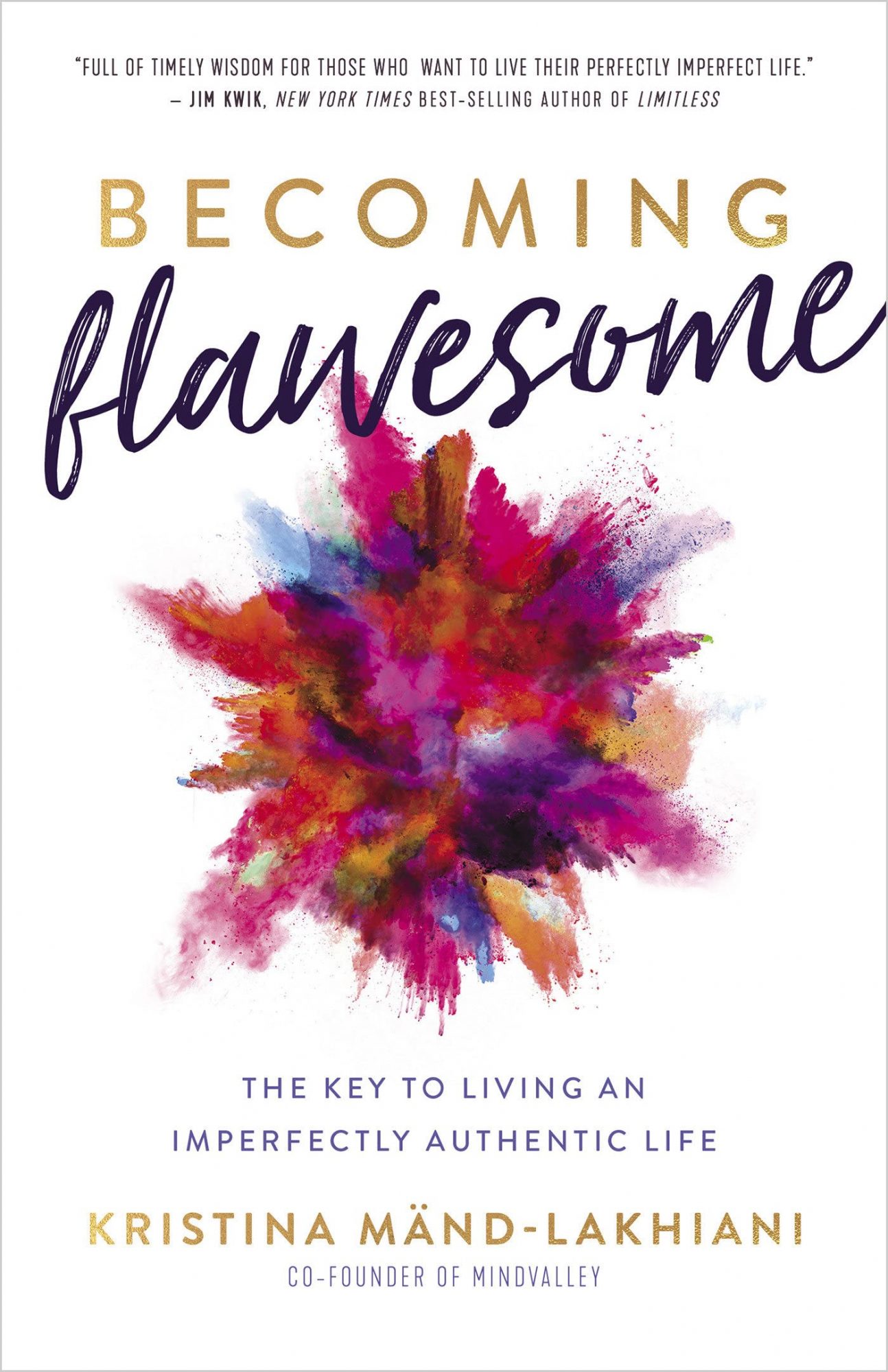
  • Becoming Flawesome by Kristina Mand-Lakhiani – Book Review & Summary

    “Becoming Flawesome” by Kristina Mand-Lakhiani is a self-help book that encourages readers to embrace their authentic selves and strive for personal growth. It will help you become “flawesome”—a mash-up of the words “flawed” and “awesome.”

    Through insightful teachings and practical advice in her own unique way, Kristina explores various aspects of life, including vulnerability, the illusion of hustling, breaking free from routine, the power of habits, imperfection, our defence mechanisms, honesty, self-care, overcoming fear, and living a fulfilling life.

    In this book summary and review, we will delve into the key points and lessons covered in “Becoming Flawesome.”

    1. Finding Your Way Back to YOU: Kristina Mand-Lakhiani emphasizes the importance of reconnecting with our authentic selves and embracing vulnerability. By being true to who we are and embracing our imperfections, we can build stronger relationships, deepen our understanding of ourselves, and foster personal growth.
    2. Hustling vs. Surfing The author challenges the notion of hustling as the only path to success and happiness. Instead, she introduces the concept of “surfing,” which involves finding a state of flow, balance, and ease in our pursuits. By embracing a more mindful and relaxed approach, we can achieve sustainable success and true fulfillment.
    3. Escaping the Rut: Mand-Lakhiani guides readers on how to break free from monotonous routines and escape the autopilot mode. By bringing conscious awareness to our actions and making intentional choices, we can infuse more excitement and purpose into our lives.
    4. Transformation and the Power of Habits Understanding how transformation occurs is a crucial aspect of personal growth. The author explores the role of habits in shaping our lives and provides insights into how we can cultivate positive habits that align with our goals and values. By harnessing the power of habits, we can create lasting change and become the best versions of ourselves.
    5. Embracing Imperfection: In a society obsessed with perfection, Mand-Lakhiani encourages readers to embrace imperfection and let go of unrealistic expectations. By accepting our flaws and focusing on progress rather than perfection, we can cultivate self-compassion, experience personal growth, and lead more fulfilling lives.
    6. Uncovering Personal Defense Mechanisms The book explores the defense mechanisms we employ to protect ourselves from emotional pain and vulnerability. By recognizing and understanding these mechanisms, such as denial, projection, or avoidance, we can develop healthier coping strategies and foster deeper self-awareness.

      The author challenges the conventional notion of happiness as a fleeting emotion and presents it as a skill that can be cultivated. This realization opens up a world of possibilities, allowing readers to actively work towards creating a more fulfilling and joyful life.
    7. Honesty and Authenticity: The author emphasizes the importance of being honest with ourselves and others. By shedding the facade of fakeness, we can cultivate genuine relationships, build trust, and create a more fulfilling life based on authenticity.
    8. Kindness, Self-Care, and Self-Love: Mand-Lakhiani highlights the significance of kindness, self-care, and self-love in our personal journeys. By practicing self-compassion, prioritizing self-care, and fostering a positive relationship with ourselves, we can nurture our well-being and develop the resilience needed to navigate life’s challenges.

      One of the standout ideas conveyed in the book is the distinction between self-care and self-love. Mand-Lakhiani emphasizes that true self-love goes beyond indulging in treats or pampering ourselves; it involves nurturing our inner selves and cultivating positive self-talk. This fresh perspective encourages readers to develop a deeper understanding of self-love and its transformative power.
    9. Overcoming Fear and Taking a Leap of Faith – The book addresses the paralyzing effects of fear and indecision. Mand-Lakhiani provides insights and strategies to overcome fear, step out of our comfort zones, and take courageous leaps toward our desired goals and aspirations.
    10. Living Flawesomely: The author concludes by emphasizing that no one needs fixing. By embracing our flaws and choosing personal growth, we can live flawesomely—fully embracing who we are while continually striving for improvement. “Becoming Flawesome” serves as a guide to navigate the journey of personal development, self-acceptance, and a more meaningful life.

    Kristina Mand-Lakhiani presents a holistic approach to well-being, emphasizing the importance of authenticity, vulnerability, and self-care. Her insights challenge conventional notions of success and highlight the significance of embracing imperfections as catalysts for growth.

    Throughout the book, Mand-Lakhiani provides relatable anecdotes and thought-provoking questions that encourage readers to reflect on their own lives and make positive changes. Her writing style is engaging, conversational, and filled with warmth, making the book accessible to readers seeking personal transformation.

    One of the book’s strengths lies in its exploration of defense mechanisms and the ways in which they hinder personal growth. By shedding light on these unconscious patterns, the author empowers readers to break free from self-limiting behaviors and foster healthier emotional landscapes.

    The concept of “surfing” versus hustling offers a powerful alternative perspective on achieving success. The author convincingly argues that embracing a state of flow and balance allows for greater fulfillment and sustainable growth. This shift in mindset challenges the prevalent culture of burnout and serves as a much-needed reminder to prioritize well-being.

    While “Becoming Flawesome” covers a wide range of topics, it remains cohesive and well-structured. Each chapter builds upon the previous one, creating a comprehensive guide to personal development. Each chapter concludes with thought-provoking reflection points that encourage readers to examine their own lives and behaviors.

    In conclusion, “Becoming Flawesome” is an insightful and empowering self-help book that challenges societal norms and encourages readers to embrace their authentic selves. Through its exploration of vulnerability, imperfection, and self-care, the book offers a roadmap for personal growth and a more fulfilling life. Kristina Mand-Lakhiani’s warm and relatable writing style makes this book an engaging and valuable resource for anyone seeking to embark on a journey of self-discovery and transformation.

    The book feels like an ongoing conversation between the author and the reader, making it accessible and relatable to a wide audience. If you are interested in self-help and advice books, this remarkable book deserves a place on your bookshelf.

    #BecomingFlawesome

  • Investor’s Lens [09] – Raja Skogland – “I am still on a journey as a founder. A business is never built.”

    This series will look at leadership from the point of view of an investor or VC.

    In each episode of this series, we will explore what traits, behaviors, or red flags investors see in the leaders that they work with – and how founders evolve over time as they become better leaders.

    Raja Skogland is the founder at the Visionary Company & VC and an Advisor at Antler. She is an exited founder, an investor in 70+ startups, and one of the TOP 100 most influential women in the European VC & Startup space.

    In this captivating interview, join us as we dive into the remarkable journey of Raja, a tenacious founder who overcame numerous obstacles to build a thriving entrepreneurial career.

    From a background in private banking to becoming a respected investor and startup advisor, Raja shares her invaluable insights and hard-earned wisdom.

    Discover how her resilience, determination, and continuous learning paved the path to success. With candid anecdotes, Raja reveals the transformative moments that shaped her as a leader, emphasizing the importance of never giving up while also recognizing when to pivot.

    Uncover practical advice for new founders, learn how to navigate difficult conversations, and explore the power of respecting others and fostering emotional intelligence.

    Join us as we explore the delicate art of balancing ambition with self-care and find out how slowing down can actually accelerate personal and professional growth.

    You can find Raja at the below links

    In the interview, Raja shares

    • “I persevered and I feel like I’m still on a journey as a founder. It’s never built. A business is never built.”
    • “It’s a combination of never giving up, but also knowing when to give up. When to pivot, when to stop.”
    • “Help founders figure out the high impact activities and work smarter, not harder.”
    • “Respecting others, treating them as human beings and valuing their input are essential traits of successful leaders.”
    • “Good founders have emotional intelligence and empathy, while bad founders are selfish, egocentric, and lack respect.”
    • “Assess the pros and cons, prioritize your mental health, and choose whether it’s worth your time working with a difficult founder.”
    • “Navigate difficult conversations by adapting your communication style to the founder’s needs and establishing a professional board.”
    • “My drive today is to find a balance between helping founders and moving away from the hustle culture.”
    • “Simplifying processes and focusing on the right companies has increased our revenue and impact.”
    • “Enjoy the simple things in life, be present, and prioritize time for yourself. It’s the ultimate luxury.”
  • Investor’s Lens [08] – Anoop Mohan – “Founders beat themselves a lot. You should celebrate each of your steps.”

    This series will look at leadership from the point of view of an investor or VC.

    In each episode of this series, we will explore what traits, behaviours, or red flags investors see in the leaders that they work with – and how founders evolve over time as they become better leaders.

    Anoop Mohan is the  Managing Partner at Freespirit Ventures. He has successfully exited 3 ventures, and invests in early stage FinTech, Media, Gaming and Crypto based startups.  

    Discover the fascinating journey of Anoop, with 14 years of corporate experience, he ventured into the startup world, experiencing three successful exits along the way. 

    Free Spirit Ventures, his brainchild, represents his unrestricted approach to investing, where risk capital is injected at the early stages to shape innovative ideas. 

    His leadership philosophy revolves around adaptability, recognizing that different situations demand different leadership styles. He supports founders in navigating challenges and shares invaluable insights gained from his own past failures and setbacks. 

    In the ever-changing landscape of finance and entrepreneurship, he emphasizes the importance of being agile, flexible, and prepared for both successes and downturns.

    You can find Anoop at the below links

    In the interview, Anoop shares

    • “Prescreen Venture, a London-based investment firm, specializes in portfolio investments across FinTech, tech, web three, gaming, and media.”
    • “At Free Spirit Ventures, we invest in early-stage ideas and work closely with founders to shape and develop their products.”
    • “The name ‘Free Spirit Ventures’ reflects our risk-taking approach and our willingness to embrace new opportunities.”
    • “In the investment field, adaptability is crucial. We navigate the diverse worlds of finance and entrepreneurship by adjusting our strategies to fit each unique situation.”
    • “Leadership skills are important, but situational leadership is key. We help founders adapt their leadership styles to the specific challenges they face.”
    • “Learning from failures is vital, but success can also present challenges. Allocating resources for both good and bad times is essential for sustainability.”
    • “In times of success, it’s important to strike a balance. Enjoy the moment, but also allocate resources for future expansion or unforeseen challenges.”
    • “Building a sustainable business requires a strong network. Supporting and helping each other within the same network can make navigating tough times easier.”
    • “Coaches and advisors play a crucial role in helping founders navigate challenges. Today’s coaches and advisors bring a wide range of networks and connections to provide effective support.”
    • “As an investment firm, our vision is to carefully manage our current investments while seeking new opportunities that align with our expertise and commitment to growth.”
  • Investor’s Lens [07] – Bala Kamallakharan – “In order to be a good leader, you need to be a good communicator”

    This series will look at leadership from the point of view of an investor or VC.

    In each episode of this series, we will explore what traits, behaviours, or red flags investors see in the leaders that they work with – and how founders evolve over time as they become better leaders.

    Bala Kamallakharan is the Founder of Startup Iceland and Managing Director at Iceland Venture Studio. He is also a startup coach, speaker, and 8 time marathon runner.  

    Step into the world of Bala as he shares his journey and insights on leadership challenges. His story began when he made a life-changing decision to move from the US to Iceland, seeking a closer connection to family. 

    After the Icelandic financial collapse, he took the leap to start his own venture and support founders in building companies. His leadership style is rooted in the idea of servant leadership, where leaders work alongside their team, clearing obstacles and inspiring others to walk the right path. 

    As an investor, He emphasizes aligning with founders’ visions and providing support without imposing his own agenda. He values genuine authenticity and aims to build trust with the founders he works with. 

    He recognizes that leadership traits are shaped by culture, yet he believes in inspiring others to act and encouraging their growth, regardless of their background. His vision is driven by the joy of seeing the teams he mentors succeed in the marketplace, grow as leaders themselves, and contribute to the betterment of humanity. 

    Join Bala on his mission to empower and uplift founders as they navigate the challenging yet rewarding world of entrepreneurship.

    You can find Bala at the below links

    In the interview, Bala shares

    • “I moved to Iceland, not doing what I do now. I used to work for one of the Icelandic banks. And then the Icelandic financial collapse happened, and then I decided to start my own thing.”
    • “Technology will be a huge leverage, just like capital was. And I felt that, at least to my mind, it was very clear that technology will be a huge leverage.”
    • “Leadership is always about standing in front, inspiring others to walk the way you are walking, or inspiring them to walk the way that you think is right for whatever the context.”
    • “I’m a big fan of the servant leader model. That means you serve them by actually working, not just giving directions.”
    • “Leadership is about inspiring people to volunteer their heart and their mind, and that takes trust and building a genuine relationship.”
    • “In Iceland, captains are not just standing up and giving orders. They actually work with everybody because when you are on the boat in the ocean, you can’t just stand and give orders.”
    • “Leadership is about absorbing a lot of things, pushing forward, and inspiring people to act and move forward. You can’t do that with fear.”
    • “The first rule of investing in venture is you need to have an open mind. There are certain things you know, and there are certain things you don’t know.”
    • “We only work with founders who are mission-driven and are working on hard problems. Our job is to find them, back them, and help them achieve those things.”
    • “What gives me the most joy and satisfaction at the end of the day is to see the teams we work with win in the marketplace and make progress as leaders, creating a self-fulfilling prophecy.”