Life

  • Don’t Allow Yourself to Use the Word “TIRED”

    Recently I was talking to a friend of mine, who has been a state level Taekwondo Champion for the state of California. She was telling me about her strenuous training program which she used to follow when she was training. Among other things, the one thing which she told me was that she was not allowed to use the word “tired” even if the trainer asked her to do 300 push ups. She said “tired” was the word which they could use only after they turned 80.

    The Role of Language in Shaping Our World

    Language plays a very important role in how we feel and go about our daily lives. The way we use language can determine the results we produce in the near and distant future. Researchers at Stanford University have proved that the way we use language shape how we see the world.

    It is often said that what you say is what you get. Saying that you are tired will actually make you feel tired and you will have all the symptoms to prove that. But we don’t realize that it was our word which caused it in the first place.

    So when someone asks you “How are you doing?” and you reply with, “I am tired” or “You know how Mondays’ are.“, we are actually contributing towards the impending tiredness or exhaustion by saying these words. The same goes for all the negative thoughts that come into our mind and out of our mouth, like “I don’t have enough money“, “I am not lucky” and so on.
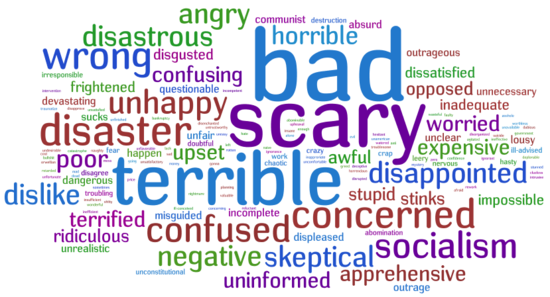
    Remove these words from your vocabulory
    Remove these words from your vocabulary

    Words can Take Power away, or they can Give Power

    Whenever we say something, we increase our belief in it. We give power to outside situations, individuals and circumstances which is always disempowering. Athletes, like my friend in the example above, are not allowed to use such language because the trainers are aware of this fact.

    On the other hand, when somebody asks you, “How are you doing?” and you reply, “I am doing great!!“, you will actually feel a smile on your face and some adrenaline rushing through your body. It is impossible to say I am doing great without actually feeling good.

    If you are stretching your limits while doing a task, instead of saying “I am tired“, next time try saying, “Let me check my physical limits.“, and you will gain the strength to go that extra mile and achieve the impossible.

    Do you see a connection between what you have been saying and how your life is turning out?

    One of the quickest ways to improve your way of being is to change the words you use, to others and to yourself. When I say words, it includes the spoken words and the unspoken thoughts too.

    Just by changing the words we use, we can release a lot of tension and create joy. So the next time you speak, be aware of the words that come out of your mouth. Be aware how others’ negative words make you speak out negative words too, and vice versa. Try to catch yourself when in a negative emotion and speak powerful words instead.

    Speak words which profit others, depicts hope, courage and inspiration and which create positive images. Then notice the difference in how your surroundings and people react.

    Use more of these words
    Use more of these words

    Some of the danger words which we should cut from our vocabulary are –

    1. Should / Could – These words, spoken for ourselves or for others, implies judgement and makes people defensive and tense.
    2. Try / Maybe – These words leave ambiguity and leaves an option for you or another to escape commitment in case things get difficult.
    3. Always / Never / Nobody  / Everybody – These words generalise opinions which are rarely the case and can cause people to react unexpectedly.
    4. Bad / Disastrous / Terrible – These words spread panic and can lead to more mistakes, stress and confusion.
    5. Nothing is gonna change / That’s how it is done here – Using such phrases creates a culture of resentment and cynicism which ends up killing all enthusiasm and creativity in people.
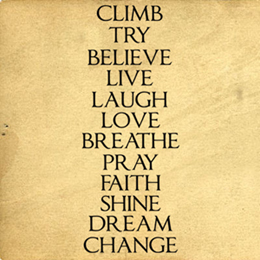
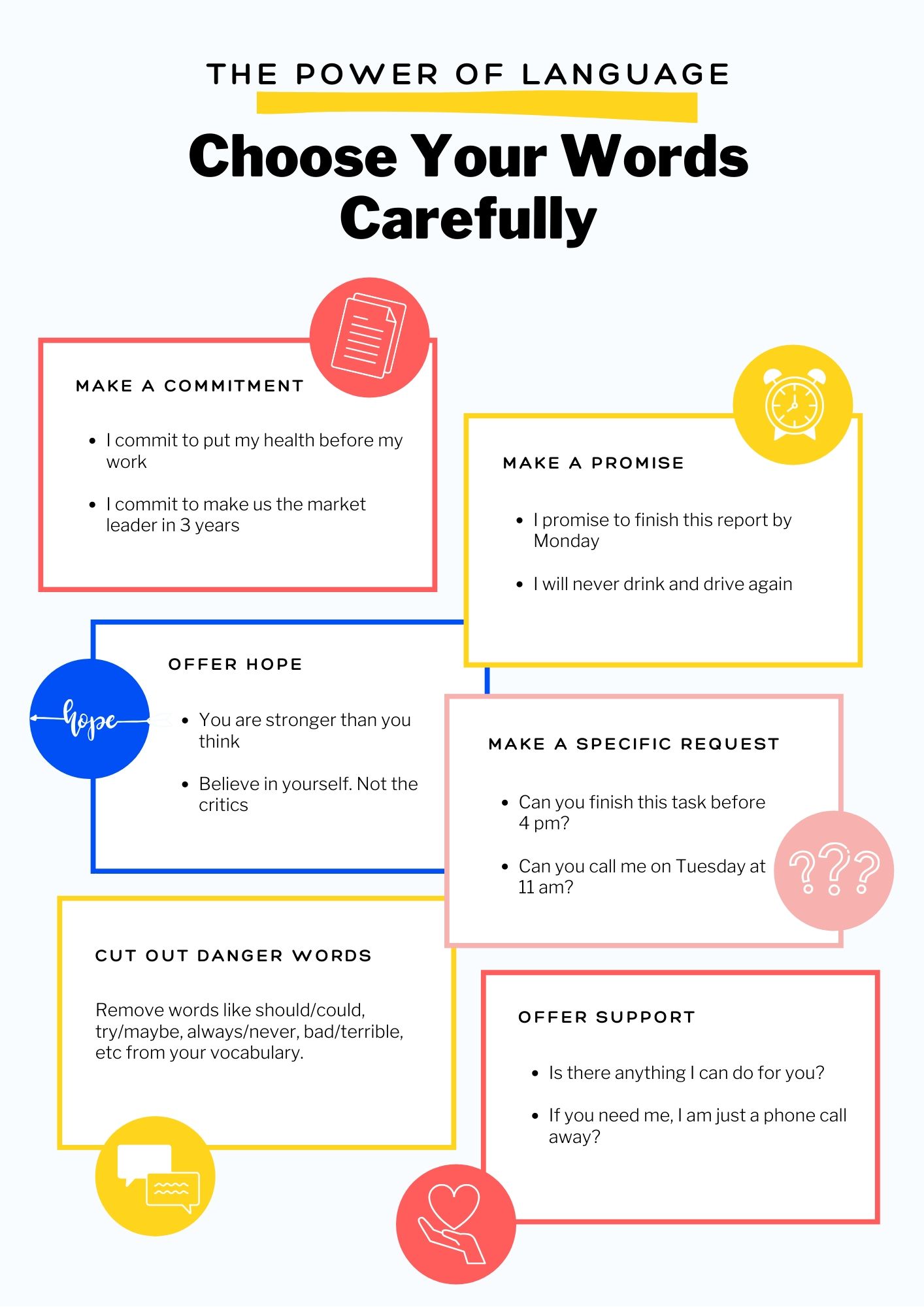
    Instead, you can use powerful words and make them work for you :-

    1. Declare a Commitment. 
      1. I commit to exercising 3o minutes daily.
      2. Let us commit together to make this company the best place to work for.
    2. Make a Promise
      1. I promise to finish this report in two days.
      2. I promise to never drink and drive again.
    3. Make a Specific Request
      1. Can you finish this report before Friday or not?
      2. If you like it, can you share this article on facebook today?
    4. Offer Support
      1. Is there anything I can do to help you with this task?
      2. I am just a phone call away, if you need me.
    5. Offer Hope
      1. You will make it through it. You are stronger than you think.
      2. Believe in yourself, not the critics. I know you will prove them wrong.

    Watch your thoughts, for they become words. Watch your words, for they become actions. Watch your actions, for they become habits. Watch your habits, for they become character. Watch your character, for it becomes your destiny. – Lao Tzu
    So the next time, instead of saying –

    • “I can’t exercise more, I am tired.”, say, “I am not tired, let me do one more round.”
    • “I can’t work outside because I have asthma”, say, “I will work to prove I am bigger than my asthma”
    • “I can’t do this because I don’t have enough money”, say, “How can I earn enough money to start doing this?”
    • “I am not feeling good, it is going to be a bad day”, say, “Today is going to be a great day and I am raring to go”
    • “My life sucks”, say, “Today is a new day. Let’s make the most of it!!”

    Do this and you will see that your days will get brighter and dreams will turn into reality. Break the pattern of using words which suck power out of you, and instead form a new habit of using words which give power to you and the people around you.
  • Why We Should Break the Safety Wall Around Us (to be Happy)

    “It is not because things are difficult that we do not dare, it is because we do not dare that they are difficult. ” – Seneca

    We all have built ‘safety walls‘ around us that are unconscious to us, and are strengthened over time. They determine what we can and cannot do, what we try and what we don’t. Almost all our actions are determined by these safety walls.

    But rather than being safety walls, they are more of a trap where we are stuck in a state of presumed comfort and our every decision is determined by these walls. They make us believe that life is tough outside of these, and there might be unforeseen dangers. So unknowingly, and only in the assumption of some ‘danger‘, we don’t risk going over these walls.

    I have found myself in similar situations many times. No matter how many fake assurances I gave to myself that I was doing good, the fact is that when you are in your comfort zone, you are still while life is zipping by.

    When the world is moving ahead and you are still, you are on a decline.

    If we stay in this zone, over time, our excitement and energy levels begin to come down. We feel more and more lazy and tired each day, and our eating habits (and with it, our belly too) go out of shape pretty soon.

    It might look like life is going on FINE, but in reality, we all know that we are not moving ahead while our limited time on this planet is passing by.

    Be Vulnerable

    The first step towards breaking the aforementioned safety walls around you is to become aware of the fact that you are trapped in your habits. Are these habits and patterns are running your life on auto-pilot? Or are you in control of your life?

    Once you are aware of this trap, you can take steps towards breaking these so-called safety walls and explore the ‘real‘ world outside. If you have to really live (rather than just exist), go outside and be vulnerable – to your fears, anxiety, and become comfortable with them. Only then you will feel liberated and peaceful.

    Outside of these walls, what I have found is that there are opportunities rather than dangers, there is excitement rather than boredom and joy rather than frustrations.

    The brick walls are there for a reason. The brick walls are not there to keep us out; the brick walls are there to give us a chance to show how badly we want something. - Randy Pausch
    The brick walls are there for a reason. The brick walls are not there to keep us out; the brick walls are there to give us a chance to show how badly we want something. – Randy Pausch

    Have Faith

    When you step out of your comfort zone, there will always be a little uncertainty and fear. But consider that these are more of an illusion created by your brain rather than real, and move on ahead. Have faith in life and face your fears by taking small steps.

    It will do two things. One is that you will realize that your fears were more perceived than real, and two, you will expand your comfort zone. Very soon you will be comfortable in situations you weren’t before.

    Dream Big

    In our safety zone, we all tend to believe that we have something to lose if we step out and try something new. But take a moment and think, what do we have to lose?

    We all have our limited time on this planet, and nobody knows when ours is ending. Life is a gift given to all of us, and when we stay in our safety walls, we are just waiting for it to get over rather than truly enjoying whatever it has to offer.

    So do something, almost anything you like and the way you want to do it and see what happens. When you let go of whatever is holding you back, you will experience what real freedom and being alive is about. So dream big, and go for them, step by step.

    If you win, you WIN! If you loose, remember that you didn’t had anything to loose anyways!

    Stay Young, Die Young

    I have always felt that age has nothing to do with being twenty or sixty. I can show you many 80-year-olds more energetic and active than many 20-year-olds. When you step out of your comfort zones, you experience being alive and that is what being young is.

    Wouldn’t you want to stay young all life and die a young man, irrespective of your age? We should all strive to live our lives waiting for Mondays rather than Fridays, waiting for mornings rather than evenings, and waiting for beginnings instead of endings.

    Each day is a gift, and we should be grateful for it every day we wake up. Life is giving us this gift daily, and we must strive to make the most out of these gifts before they run out of. There is not a second to be wasted, not a moment to be spent without feeling alive.

    Make out most of what each moment has to offer. Because we never know when life will stop giving us this gift!

  • How to Use The Surprising Power of Compound Interest in Life

    When I was young my mother used to wake me up 5 minutes earlier than I had told her to and made me study any of my school books before getting ready to go to school. I often used to ask her – “how would studying this for just 5 minutes make any difference?” And she would say – “You will know that by the end of the year.” It took me a few years to realize how much my good grades were determined by those 5 minutes of study time daily.

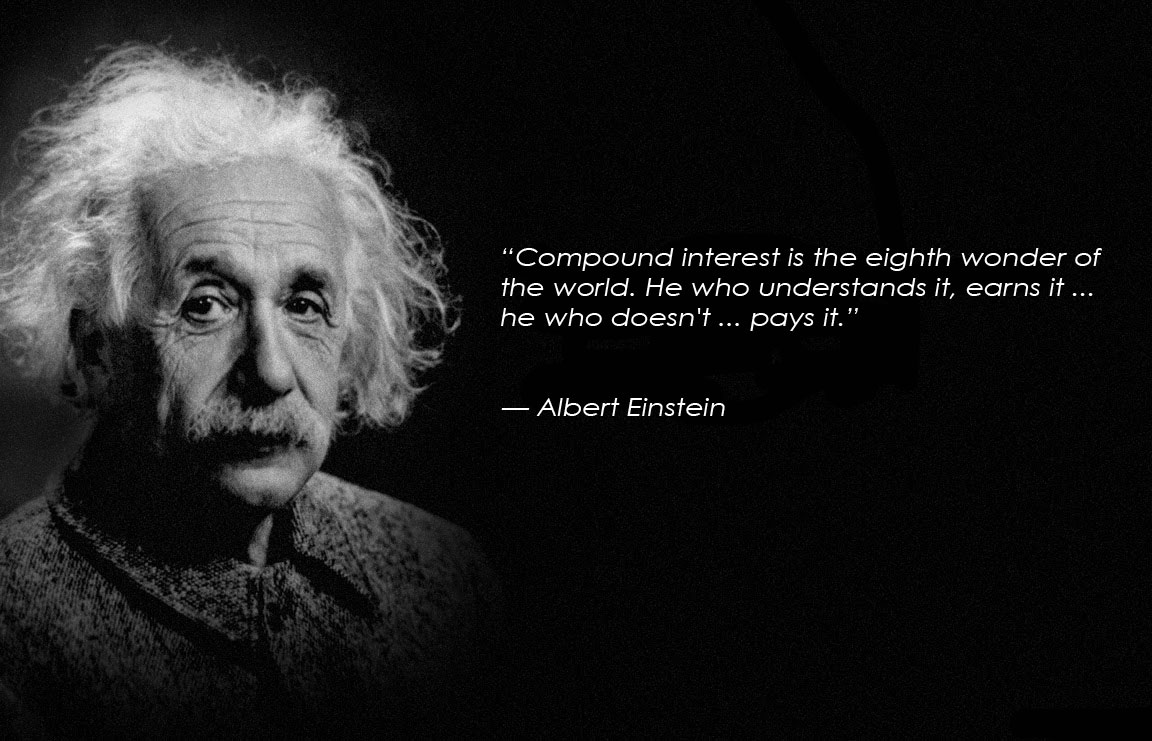
    We all know the power of compound interest when it comes to money. This article will focus on how we all can use the same principle of compound interest in other areas of our life to get enormous gains. Only if we realize, that is.

    Doing something small, which might look very trivial and futile, and doing it regularly without fail – no matter what it is, will take your skills in that area to a totally different level over time. This habit has stayed with me ever since my childhood, and I have used to learn several new skills. Below are a few examples we can make our lives better in just 5 minutes –

    1. Just spend 5 minutes reading a book every day, and by the end of the year, you will have finished many books and you will have many new skills and learnings. I still carry this habit which my mother imbibed in me so many years ago.
    2. Spend 5 minutes exercising every day, and you will be amazed at how much strength and energy you have after a few months.
    3. Getting up Early – If you get up at 8 am and want to move to a 5 am routine, start with just a 5-minute early start. Get up at 7:55 am for a week, and then get up at 7:50 am the next week. In around 9 months, you will be waking up at 5 am without even noticing it.
    4. Write – If you always want to write something but never had the time to do so, just write the topic and title of what you want to write about today. Tomorrow, just write a few bullet points. Over the next few days – take each point and expand it to a paragraph. Within a week, you will have a full-page post ready.
    5. Photography – I was always interested in making better photos and photography, but never used to get the time to do so. After 4 years of buying my DSLR, I finally decided to give 5 minutes to photography daily – whether it is shooting any subject I could find at my home or outside, or reading an article or watching a video about it. Within a couple of years, my photography skills had improved so much that I now take it very seriously and might even do it professionally at some point in the future.

    So think about the things which are not working in your life and career right now or stuff for which you don’t have time. Now, start doing just 5 minutes of it daily, and stick to it.

    Things to Take Care

    While it is easy to do something for just 5 minutes a day, it is also very easy to forget doing your 5-minute task. There are a few things we can do to keep at this habit –
    1. Set a reminder in your phone. Once the alarm goes off, make it a priority to do your 5-minute task.
    2. Watch yourself get better in that skill over time. Celebrate for 5 minutes every now and then, for sticking to the habit and for getting better.

  • Five Things A Leader Must Do By Default

    In today’s corporate environment, after a few years of doing your job well enough, chances are that you will be asked to step up and lead a team. You trained and studied to be good at your job, and now getting to manage people seems like a reward for a job well done.

    By promoting the good performers to be managers and leaders, people have assumed for centuries that the skills that made you successful as an individual contributor would also make you successful as a manager. If you have led people for any considerable amount of time, you would know how false this assumption is. Yet in the business world, this continues to be the norm.

    Today I want to list down five things which you must do, or are expected to do by default, to be effective as a manager/leader. And it is likely that nobody told you this when you were promoted. I have only figured them out after leading teams for over a decade, and I believe I am on a continuous journey to learn and know more about leadership.

    1. Lead Yourself

    The first thing you must do to be effective as a leader is to lead yourself. Your relationship with your team will be determined more by your trustworthiness than by any other skill or talent you might possess. Trust is the foundation of leadership, and you build trust by leading yourself first – by holding yourself accountable for what you demand from your team. Like any worthwhile endeavor, it takes time, effort, and daily investments to build trust with your team.

    If you want your team members to honour their promises, honour your promises to them. If you ask them to be on time for meetings, you must be on time first. Or you will lose their trust. If you ask them to be respectful to each other, you must respect them first. Or you will lose their trust. If you want them to be humble, you need to exemplify that in your behaviour. If you need them to be honest and sincere, you need to acknowledge your mistakes publicly and make amends for them. You can not lead a team if you can’t lead yourself.

    2. Know Where You are Headed

    When you are leading a team, people will look up to you for providing direction. Having a well-defined purpose clarifies why the team exists in the first place. Coming up with the team’s purpose together with your team will empower them to take decisions that are in the best interest of the team.

    Listening to your team and engaging in a dialogue will allow the team to define and own its purpose. You need to spend time with the team regularly to discuss, revisit, or reshape the team’s purpose. Ensuring each member understands the team’s purpose and their role in the team will empower them to prioritize their tasks effectively.

    3. Be a Coach


    If you have people reporting to you, then you are their coach by default. You don’t have a choice in being their coach as people will approach you anyway. When they are demotivated, when they have a conflict, or when they need help for any other reason; it is your responsibility to listen, understand their concerns, and then coach them to align their personal motivations with the team’s shared purpose and goals. If you can’t do that effectively, it will impact the results the team intends to produce in the future.

    While I assert that you are a coach by default, the skills and conversations required to be a coach don’t come by default. You must invest time and effort in learning and practicing your coaching skills. How well you coach people will be directly proportional to the results the team produces. Investing in learning these skills and making coaching a priority will be your best investment ever.

    4. Demand Commitment and Accountability

    Just as every sport has a certain set of rules, each business team can come up with rules (or standards) which apply to their business and industry. These rules will govern how you work and define success and failure. Examples could be how you treat your colleagues, how complaints are handled, and what boundaries you set in matters important to the team. Once these standards are set, it frees up everyone to exercise their own creativity in making decisions. This gives shape to the ‘culture’ in the team.

    After you set up these standards together with your team, you have to demand them. Of course, for this to work, you have to exemplify them yourself. Holding your team accountable to these standards (or rules) will bring the team members together and set the team up for high performance. The intention behind it is not to punish or penalise people when they slip up, but to ensure an open, fair and supportive culture in the team.

    5. Serve Your People

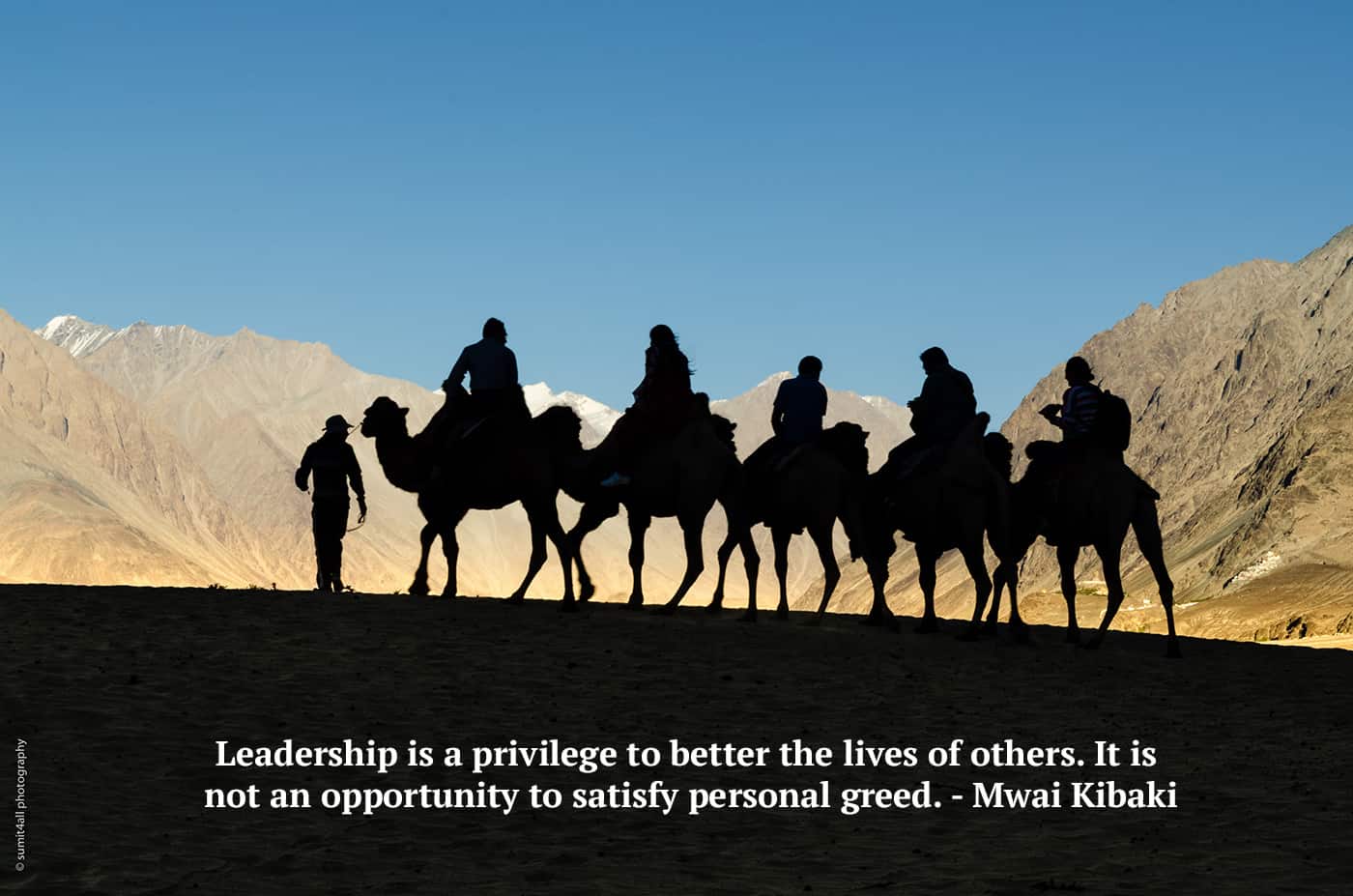
    I believe that leadership is a privilege, and that each leader is a custodian of the company’s values, beliefs, and ambitions for the future. Leadership will require you to think beyond your own self-interest, and from your team or company’s point of view. In order to lead, you must be willing to serve – to put your team’s interest in front of any individual interests, which might lead you to make some difficult decisions from time to time.

    Leadership is not about power or authority, nor is it about popularity. Leadership is about character – which you will need to express yourself authentically, compassion – which you will need to grow and develop your people, and integrity – which you will need to serve your people with the respect and transparency they deserve.

    I believe that leadership is standing for something bigger than yourselves. You show your team the way, give it what it needs to do the job, and then get out of the way. Your biggest job is to create an environment of respect and accountability, where people have fun and express themselves freely by continuously moving forward towards the team’s goals.

    To sum it up, these five points above are not strategies or tactics which you can incorporate in your leadership style to get better results. These are the bedrock which will give rise to a myriad of strategies and tactics, which in turn will lead to those results. If you try to fake them, your people will call your bluff sooner or later, and you will lose all credibility and trust. An attitude of humble service will enable you to become a better leader, while taking care of your team and company’s needs.

  • How to Powerfully Step into the New Year 2017

    I think it was 1989 when I, for the first time, realised that the 1st of January was a special day. The biggest change for me, one that always took a few weeks to get used to, was to write 1990 instead of 1989 in our school notebooks daily. While the whole world celebrated and wished each other on the 1st of Jan, nothing much else seemed to have changed (for me). Today, as we stand at the cusp of 2017, 28 years have passed since then. Though the fact still remains that nothing much changes between Dec 31 and 1 Jan, if we look at the last 28 years, then we can no doubt say that the whole world and each of our individual lives have changed immensely. While we may not always notice and acknowledge it, change is the only constant in life. A New Year is our annual reminder that time has come to move on and prepare ourselves for the changes coming.

    Today I want to ponder and write about how to powerfully step into the new year, so that we are not surprised or shocked by the changes it will bring along. Over the years I have realised that we might very well let the years slide by without much attention; there always comes a time when we are made aware, not often subtly, that time has moved on. So read on if you prefer to enter the new year on your own terms, or skip this article if you feel a new year is too insignificant an event to trouble your brain cells.

    1. Complete 2016
    The first step before starting anything new is to finish what you are doing now. Just like we put the first foot down before lifting the other one while jogging, just like we get our raw vegetables and spices ready before cooking our food, it is imperative that we finish our 2016 before we even start thinking about 2017. If we ignore this first step, the result will be the same when we start cooking a delicious dish only to realise later we never got the required ingredients.

    What I mean by completing 2016 is taking some dedicated time before the new year to –
    1. Introspect your goals (if any) at the start of the year and make peace with where you are now.
    2. Celebrate your achievements (big and small) and laugh about your failures (missed opportunities)
    3. Reflect upon what you have learned, and how you have changed or grown over the year.
    4. Free your mind from the grip of the difficult people and hard situations you have encountered this year.
    5. Apologize if you realise you have been a difficult person in someone else’s life.
    6. Give up any blame, regret or shame gathered this year. There will be new to collect in 2017 🙂
    7. Thank and express gratitude to everyone who has made a difference in your life.

    2. Know Yourself
    The next step before moving ahead is to take some time to know yourself better. That doesn’t mean finding out your blood group or body weight or exam grades or other people’s predictions about your future, but rather looking deep inside yourself to discover your deepest values and motivations. You can do so by answering questions such as –
    1. What are your deepest motivations? What have you always wanted to do?
    2. What are you really passionate about? Is there something worth devoting your life for?
    3. What drives your actions and decisions? What are the values you hold most dearly?
    4. What makes your really happy or angry?
    5. Who are your biggest inspirations in life, and who are the people you can’t stand? Why?

    Answering these questions are anything but simple and there can never be final answers to them. But if we take time and ponder over them and come up with some ideas, we will know ourselves better than anybody else (our parents, friends, grades, achievements, money) can tell us about.

    3. Where do you want to be in the next 5 or 10 years?
    The next step is to think about the future and exercise your imagination muscles. Think about the kind of person you want to be in the next 3, 5 or 10 years. This might seem like too far ahead in the future, but it doesn’t take long for these years to roll by. Just think about how quickly the last 10 years have passed by. Imagining your own future can feel a bit strange and uncomfortable at first, but soon it will become a lot of fun – just like a game. Do not let this question overwhelm you (which it can), and instead, play it like a game and see what you come up with.

    While you imagine your future, think about your deepest desires and ambitions. What do you want to accomplish that will give you the most satisfaction? What changes you want to see in yourself, your family, your society, your company, your city and your country? How do you want people to relate to you after 10 years? In this step you do not need concrete answers, but a vague image of where you want to be. The intention of this exercise is to get you thinking about your future, the actual answers you come up with are not so relevant.

    4. Decide milestones or checkpoints on the way
    The next step is to identify milestones for the next 1 year for the ambitions which you discovered in the previous step. Don’t let this step scare you. You don’t have to decide milestones for each one of your ambitions – you can choose a few which are the most important to you. Also don’t worry or bother about “how” you will reach your milestones as you have the whole year to think about that.

    These milestones will serve as checkpoints which will measure your progress towards your long term ambitions. These milestones can be broken down into quarterly and monthly milestones depending on what you prefer. The only thing to take care while marking these milestones is to make sure they can be observed and measured by anyone easily and they are not vague. Make sure to be clear about what you want to achieve, when and where you will achieve that and with whom. The more numbers you can use the better this step will be in its fruitfulness, and it is best to avoid vague words like soon, sometime, in a few weeks, improvement, better, more, etc.

    In the above two steps, it is very important to also include and keep time for recreation, fun, sports and other forms of entertainment. The whole idea of this exercise is be more aware about yourself and prepared for the coming year, and it is very important to not take it too seriously and think only about work and professional stuff. If you are a movie buff and want to watch 100 movies or visit a few movie festivals next year, plan your milestones for it.

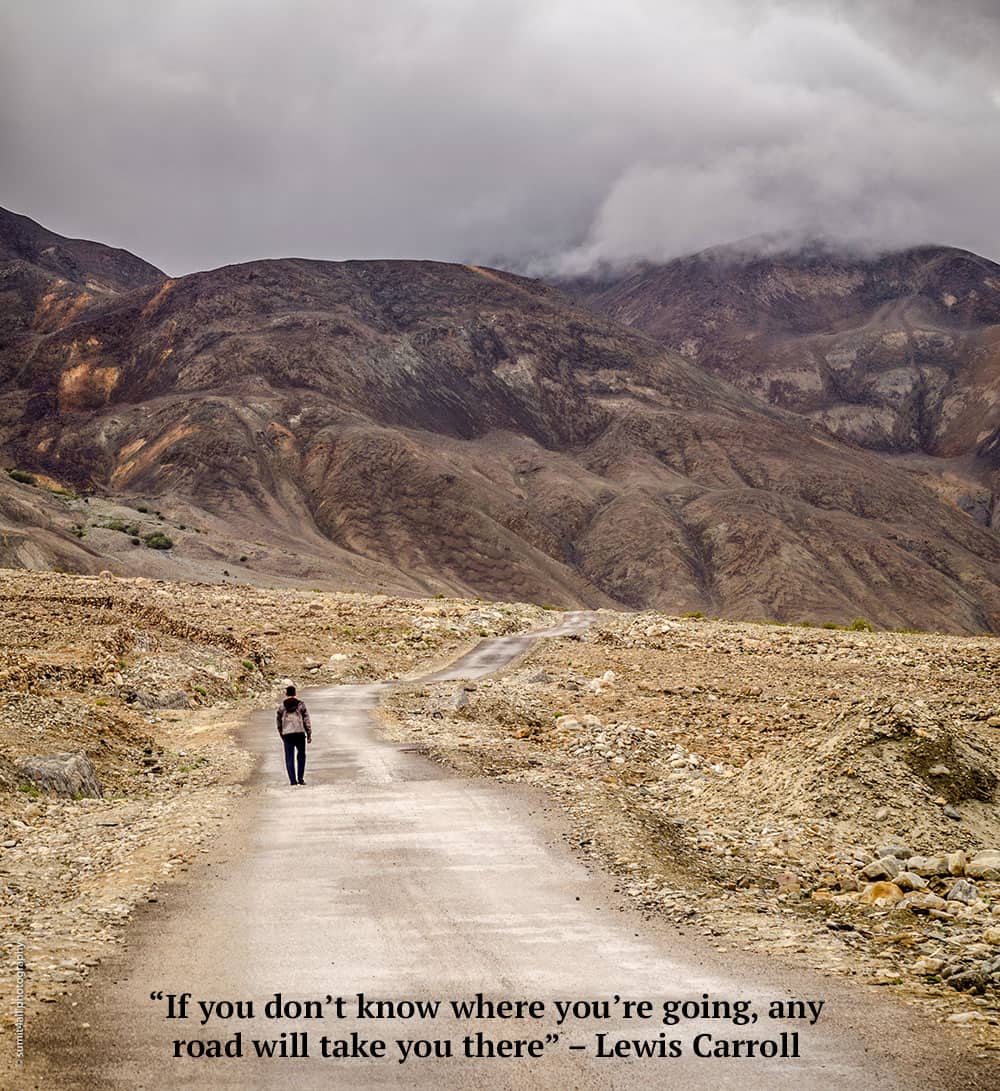
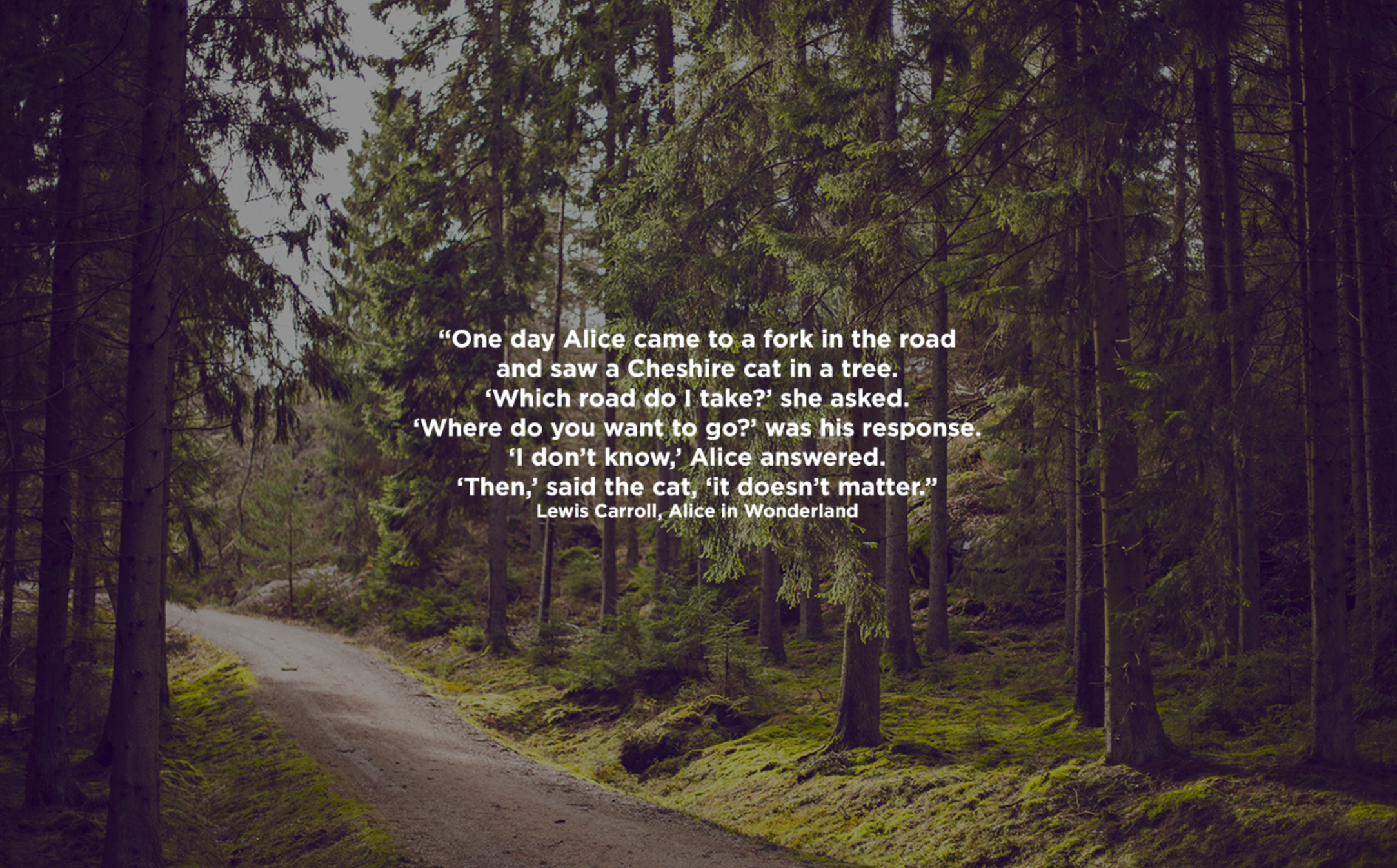
    Where are you going?
    Where are you going?

    With the above four steps, you can step into the new year and make a powerful “start“. Of course, that doesn’t mean that your life will pan out exactly as you imagined or that the next year is going to be your best year. It just doesn’t work that way. But knowing where you want to go is always better than hoping to get “somewhere”.

    I can write another article about what you can do in the new year to make sure you hit your milestones, but we must always remember that change is the only constant in life, and it can come up in unexpected ways and mess up our plans anytime. But having messed up plans is still better than having no plans at all, and we can repeat the above process anytime to plan afresh for the future – we need not wait for the next “New Year” to repeat this process.

  • Investing in Yourself and Making Powerful Choices

    John was pushing on the gas as he didn’t want to be late for this meeting. If he can crack this deal, it would be a game changer for his company, and he had worked hard for it. But just as he was visualising what he would say in the meeting, his car engine fell silent and it came to a stop soon after.

    After struggling for a few seconds, he shouted ‘fuck!’ as his eyes went towards the fuel meter. “This can’t be true”, he uttered in complete shock as he looked at the needle towards the E in his car’s dashboard. He got down and started kicking his car in frustration when a passer by stopped and asked – “What’s wrong?”
    “I can’t believe I just ran out of fuel. And I am already running late for this very important meeting.”
    “Why didn’t you stop on the way to refuel your car?”, asked the bystander.
    “Didn’t I just tell you?? I have to make it to the meeting. I am already late.”

    If you are laughing or smiling at the above story, don’t. Because we (Yes! Including you and me) aren’t very different either. In our day to day lives, we are also too often focussed on what is urgent or what seems important today that we end up ignoring what is really important for us in the long run. If we use the “filling the gas” metaphor which I used in the story, then it is evident that it was a case of bad prioritization, but it is not so simple to see the same in our daily lives.

    If you really want to not run out of gas, you need to invest in the person you are, because that will determine how far you will go. Investing in Yourself is the equivalent of “filling up the gas”. Below I am listing down the four steps we all can follow to do so.

    1. Understanding Yourself

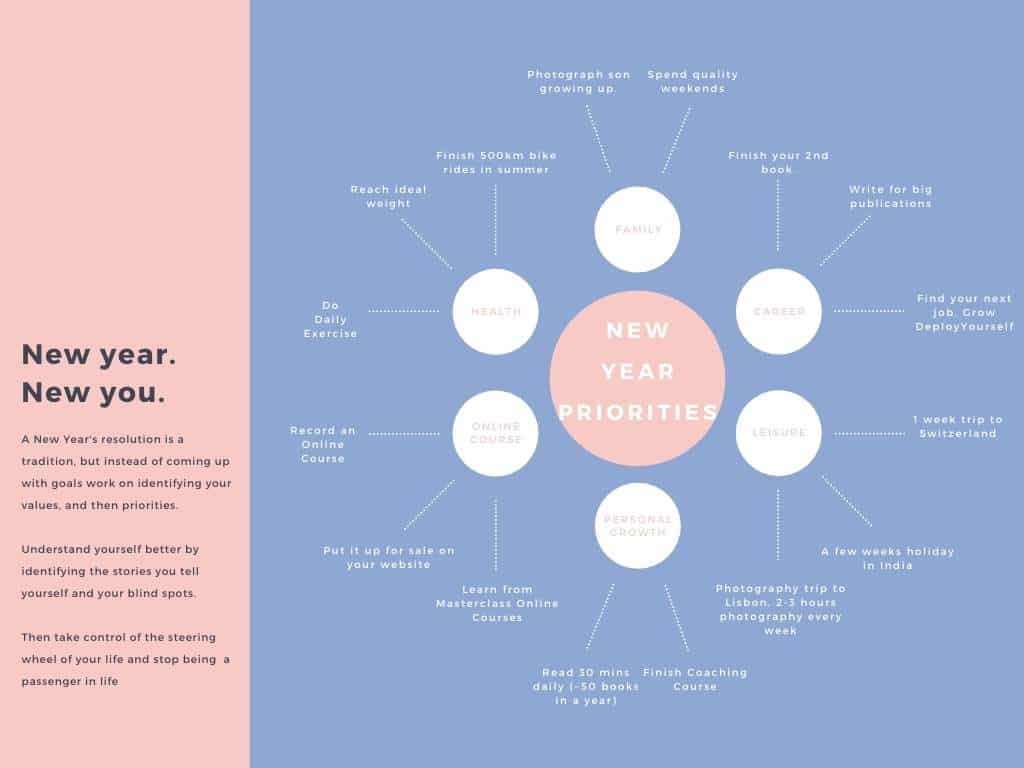
    We are all shaped by our surroundings – our parents, our peers at school and work, our friends, our culture, and our experiences as we grow up. It is very rare that we spend time exploring who we are on a deeper level. What are our values? What makes us really happy or angry? What do we want our life to be about?

    Questions like these can help you uncover your personality and understand how you came to be the way you are. By exploring these questions you also get the freedom to choose the kind of person you want to be, or if there is something you want to re-invent or change about yourselves.

    2. Awareness of How You Act

    We all have certain beliefs that explain to us the way things should be or should not be. Almost all of our decisions are based on these beliefs about people and situations in life. It is our mind’s job to ensure our safety and survival in this fast-paced world and it does that by making decisions for us, many times which are even unaware of our conscious self. It is like we are running on auto-pilot.

    Making efforts to uncover your blind spots and to be more conscious requires being more mindful of your daily decisions – both big and small. It is only through focusing attention on your mind that you can be present with the robotic nature of your life. By being present with this routine will lead you to the next step – of making your own conscious choices.

    Powerful Investments in Life
    Powerful Investments in Life

    3. Making our Own Choices

    Once we are aware of how our unconscious mind drives most of our actions, we can be more deliberate about our choices. Each and every choice we make has the potential to change the direction of where we are going, and each choice will have its own consequences.

    By being conscious about your own choices based on your values and beliefs, you can take control of the steering wheel of your life and stop being just a passenger in life.

    For example – Rita believes her boss is rude and has a bias against her, based on past experiences. Now every time she gets into a meeting with him, her mind acts overtime to sense any hint of a bias towards her, and as soon as that happens, she start to defend or prove herself right. Often it develops into a behaviour pattern which she can’t help. She feels trapped and not having any other option. Now suppose Rita wants to invest in herself and has taken time to think about her life and understand the events that shaped her personality. She realises that being respected and treating others fairly while working towards common goals are amongst her deepest values.

    Now when she hears something from her boss which sounds biased against her, she gives her boss the option to explain his point or rephrases it to make sure she understands correctly, but doesn’t assume anything. After that, she acts based on her values and makes her point to her boss to find common ground rather than to prove him wrong. If her boss is still unreasonable and rude towards her, she respectfully informs him that his behaviour bothers her and look for ways forward. In this case – either her boss ends up changing his behaviour, or she decides to change her team or job, but either way she feels in control and empowered about her choices.

    4. Mastery via Practice

    Once you have made your own choices, the next step is to practice doing daily whatever is required to stay on course. It takes a great amount of discipline and practice to unlearn old habits and learn new ones. You will obviously fail many times when trying to form new habits, but eventually, these new habits will feel like second nature. Only by being aware (or mindful) of the decisions, you take each day you can be deliberate about them to move your life in the direction you want to go. The challenge is to reflect and learn from your experiences and re-invent yourself if need be.

    Invest in Yourself New Year Plan
    Invest in Yourself New Year Plan

  • The Power of a Pause

    When Atal Behari Vajpayee was the Prime Minister of India, I always wondered what could be the reason behind the pauses he took while speaking. Sometimes I thought it was because of his old age, and sometimes people even made fun of him for this habit, but I was always amused by the wisdom of his words – not just his political speeches, but his writings and poems in particular.

    If we take a pause and think for a moment, we can all recall such people who take longer than usual while speaking or answering questions. In today’s fast-paced world, I believe such people can teach us some valuable lessons.

    Our Quest for Survival

    Human beings are hard-wired for survival, and that is the reason we are the most evolved species on the planet. Our brains constantly listen for signals from our senses (sight, sound, touch) and act immediately if it senses any danger or threat to our physical well-being. Similarly, our mind always listens to external events, giving us a running commentary as life unfolds around us. When we are conversing, our mind tells us what to speak next or it makes a judgment about the speaker or the spoken. It is the mind’s job to make sure we don’t look bad (or stupid), and it decides (for us) what to do next to save us from (perceived) threats to our social well-being.

    Responsibility is Our Ability To Respond

    Our Ability to Intervene & Take a Pause

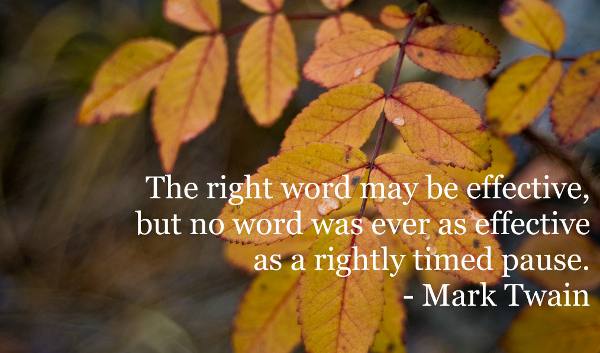
    If there is one thing that separates us from other living beings, it is our ability to stop this cycle of action and reaction and to take a pause before deciding how to respond. Most of the time, both action and reaction are simultaneous, with no pause between them. An example could be our spouse asking the same question every morning and we reply with the same response without even blinking. The same happens at work when we talk to our boss or our colleagues.

    A small pause before we start to speak or answer can do wonders for a conversation. Most of the time when we are not talking, we are actually waiting to talk. Sometimes the person on the other side has a lot more to say but is hesitant and so he stopped. By taking a pause after he has stopped speaking, and maybe using words like hmm… uh.. ok.. but not jumping in with our views, we can let the other person complete whatever he has in his mind. We can even ask follow-up questions like – “Do you have anything else to add?” before beginning to speak ourselves.

    In my conversations where I have been aware to take a pause, I have noticed that speaking up after letting the other person finish leads to more fruitful conversations and both parties are left satisfied. This satisfaction is of being heard, and of being understood. What’s more strange is that sometimes I don’t even have to speak up, and the conversation automatically leads to where I wanted it to go by just listening. As people are listened to, they let their rigidity of stance soften and consider your viewpoint even without your asking for it. Such is the power of taking a pause and listening.

    Responsibility = Our Ability to Respond

    We live in a world today where we want everyone to be responsible. We want our children, our political leaders, our colleagues, our managers, our neighbors to all be responsible. “Responsibility” is an over-used word in our media-driven society, but I believe being responsible is first and foremost our ability to respond consciously. It can make a huge difference in our lives if we can train ourselves to take a pause often and act not from our mind’s fears and judgments, but from our values, priorities, and goals.

    Taking a pause will force us to think about what is really important to us, and it can have a profound impact on our work and lives. Pausing creates space for ourselves and others to express themselves fully. It creates positive energy instead of building tension and enables us to handle tough situations in a more mature way.

    I want to end with a simple request – to take a pause and think about this article, rather than just believing the commentary your mind has provided you as you were reading it.

  • The Last Moment

    We say the whole world is connected,
    But how far apart we have drifted?
    We all have touch phones to show,
    How many of us are really in touch, though?

    Everybody is in a hurry,
    Why has life become so fast?
    An anxious obsession for the future,
    And endless worries about the past..

    Each day, every moment must be cherished,
    Some will be sunny, and some overcast!
    Our enthusiasm must never be diminished,
    Just smile, and enjoy life’s every contrast!!

    Endless work, targets and deadlines,
    Days, weeks and months pass so fast!
    Sing a song, read a book, watch a movie,
    We never know which one will be our last!!

    In the world of facebook and twitter,
    Our networks and friend lists are so vast!
    Go out and meet your best friend today,
    You never know which day will be your last!

    Life doesn’t has to be a torture,
    Instead we should aim to have a blast!
    Every moment can be an adventure,
    As we never know which will be our last!!

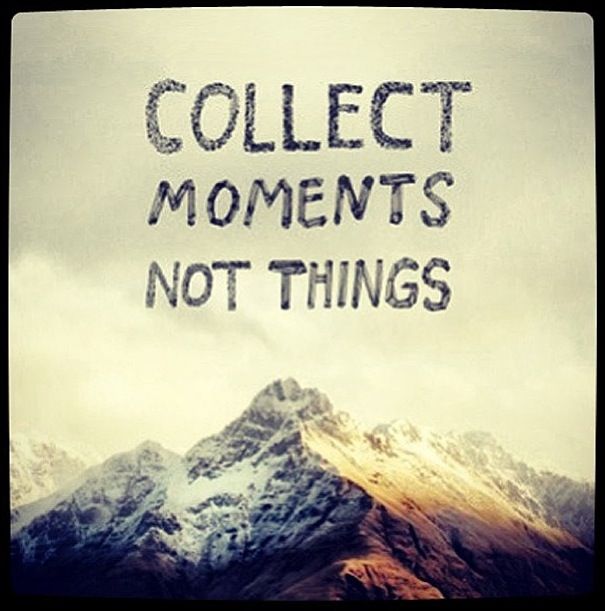
    Life is Lived in the Now and Here
    Life is Lived in the Now and Here

  • Explaining the Lull in Writing

    I had been writing pretty regularly from 2010 onwards till 2013. I have hardly written anything this year, and whatever little I have written, I have not posted it on this blog – sumit4all.com . Many of my friends have asked me to start writing again, and have questioned me time and again why I have stopped writing. To be honest, I have been asking the same question too. I decided to write this article to better formulate my thoughts on this topic, but now I have decided to post this online for all to read and know.

    So the question first – Why haven’t I been writing anything lately?

    Well, there are two big reasons for that, and I will try to elaborate on them below, as clearly as possible.

    1. I didn’t have much to say

    I have always tried to be very honest in my writings, and always written what I wanted to say. I have written because there was something I needed to communicate, and not because I ‘should’ write an article on my blog regularly. But there are a few events in life which alter the way you view life so drastically that even you can’t believe it. On the outside, everyone thinks you are the same person, and expect you to behave like you have always done. But inside, you are in such a conflict that you are just hoping to figure it all out. You don’t see the world the same way, don’t think the same way, don’t believe what you used to before. I was in such a state after my mother passed away. I could not resonate with whatever I had written previously, as my thinking, beliefs and actions had changed suddenly.

    I did not write anything because I had nothing to say. I read my own articles and poems and they felt so alien now. I was not interested in the ideas and projects I was so excited about before. I shut off CricketRadius.com – the start up I was working on, moved back to Delhi and got back to a job. I wrote a few articles here and there, but the frequency was nothing like before.

    2. Coding and Photography

    Once I moved back to Delhi in Nov 2012, I stopped my involvement in every social project or tech startup I was involved with. I had a new job in a new city, so I just dived back in all the tech stuff and computer programming/coding, which I still enjoyed. A few months later, at an office off-site, I brought along my DSLR, which I had bought in Bangalore 3-4 years earlier, but never used it a lot due to work or some other project I was so occupied with while in Bangalore. It would not be wrong to say that I haven’t put the camera down after that. I have always loved photography right from my childhood, but over the last two years, I have connected with my camera like never before. It became a medium for me to hide behind and communicate to the world in a totally different way.

    A sunset in the Thar Desert of Rajasthan
    A sunset in the Thar Desert of Rajasthan

    Over the last two years, I have traveled and taken my camera to places all over the country. For Leh in the north to Rajasthan and Pune in the west, to Sikkim in the east and to numerous other places near Delhi. Apart from these travels, I have taken my camera out on the streets of Delhi and captured some candid street shots. After a lot of gear hopping which resulted in two new cameras and another set of expensive lenses to go along, I am getting the feeling that I am just getting started in a new way of communicating – via my photographs.

    Looking ahead, I am not sure whether this is just a phase or this is something that will last for long. Well, time will tell. As of now, I am looking to start a photography specific blog where I will write less and try to say more through my photographs. I will also keep on writing on this blog whenever I have something to say, whatever the frequency of that be, in the future.

    “When words become unclear, I shall focus with photographs. When images become inadequate, I shall be content with silence.”
    — Ansel Adams

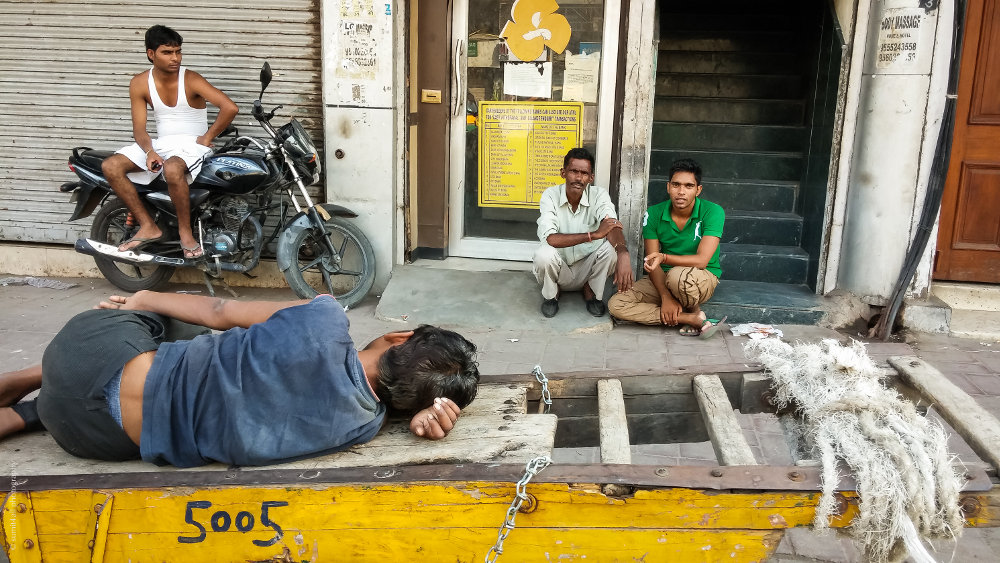
    A candid street scene in Paharganj, New Delhi
    A candid street scene in Paharganj, Delhi

  • 5 Ways to Have Great Relationships with People Who Matter

    Below are 5 simple ways to have great relationships with people in your life who really matter.

    1. Cut Out the Negative People
    We all have limited time and attention which we can give to people around us. So it is very important that we choose our friends wisely. Otherwise we might end up spending more time with people who are not so important and ignoring other very important ones. We all know people who make our day brighter, and let us to be just who we are. Focus on them, and cut out anybody who is sapping our energy continuously.

    2. Look Beyond First Impressions
    This is one thing I have learned over the years. We all form a first expression of people whom we meet, and many times, these first impressions decide our behavior and actions with them. In the last 8 years my first impressions have been proved wrong many a times. I noticed I have a tendency (as we all do) to judge people based on some prejudices. I have been pleasantly surprised as sometimes a person whom I thought was very cold came across as very sweet and polite, and vice versa. So I tend to give everyone a fair chance these days and not judge anyone too quickly.

    3. Be Good to One and All
    I believe we all have limited time on this planet earth, and while we are here, we can always find enough people to love. We should thrive to act and live out our daily lives as examples of the best we can be. When you are good, it is about you and not the other person. So be good even to those people who speak rudely at us, ignore us or simple aren’t polite. That is the real test of our character. If we can’t bring ourselves to be good to someone, we should at least not be ‘bad’ and get away from that situation quietly without doing any harm.

    Build Friends for Life Wherever You Go
    Build Friends for Life Wherever You Go

    4. Encourage and Support Others
    All of us have a myriad of dreams, but we only follow a few of them. The rest of them are struck down by the world around us, or worse, by ourselves. So whenever we see somebody contemplating a new idea, we should always encourage and support that person to ‘Just Do It’ and take the first forward step. Every new step taken by an individual on a dream will brighten his day (irrespective of success and failure in that step) and make him feel the real joy of living. So the next time you see someone in a dilemma, cheer him up to take action on his dream.

    5. Just be Yourself.. and Be OK with It
    Many a times we change our behavior and actions depending on whom we are with. We might act different when we are with our friends, and different when we are with our colleagues from work. Even with friends, we might have different categories where we act and behave differently. Instead what we can do is just be ourself, without worrying much about how others will perceive our actions. It is OK to be the way we are, and the right people will accept you for who you are. Some people might not be OK with it, but just say “This is the real me” and leave it at that. Over time people will respect you for it.

  • Keeping Faith Takes Courage

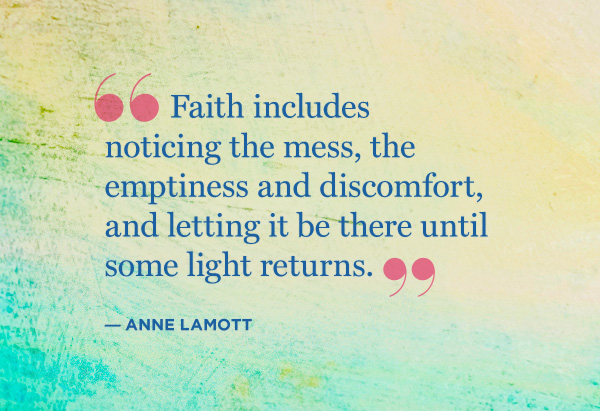
    Around two years ago, I wrote an article on the importance of keeping faith in life and how it is very important to have faith, especially when the times are tough. I wrote about how these tough times can be life’s tests which will only make us stronger and wiser with time. In this article I want to write about why and how having faith requires courage.

    To live faithfully means to live productively, but having faith is an act of courage which must be repeated hour after hour, day after day. Faith allows us to take risks in life, to go in the direction where the paths are unknown, and that is not easy for most of us. Faith also makes us ready to accept some pain and disappointments knowing that everything will turn out the best in the end. And it requires courage to all this.

    Faith is taking the first step even when you don't see the whole staircase. Martin Luther King, Jr.
    Faith is taking the first step even when you don’t see the whole staircase.
    Martin Luther King, Jr.

    This courage comes from deep within the soul, and not from any kind of power or knowledge. It is the courage which is accompanied by a calm attitude, and is different from the courage required to declare a war on someone. It is not required to be physically strong or have a gun to have this courage, because it comes from faith. This is the courage of Gandhi, and not of Hitler.

    This courage is required to face the setbacks and pains of life as a challenge which will strengthen us rather than treat it as something which should not have happened and which is unfair. This courage begins with small daily acts of faith, when we see that things are not going our way. It begins when you get struck in a traffic jam, and it only increases in magnitude when we have an accident, or loose a loved one. To have faith means to commit oneself to an act without any guarantee that our actions will produce the desired results or not.

    We all strive for safety and comfort, but whoever goes too far in this aspiration and always seeks security doesn’t have faith. If we make different systems for our defense and security, then we ourselves become a prisoner due to the lack of faith and courage. It takes courage to have belief in ourselves, certain values and life itself and to take the plunge without knowing the end result.

    A famous quote by Ray Bradbury so wonderfully says – “You’ve got to jump off cliffs and build your wings on the way down.”

  • Four Paths we Should Follow but Not Go Too Far and Where to Draw the Line (The Balanced Man)

    There are some traits we should all have – like being helpful, confident, proud and humble, and enough has been written about them. What I want to touch upon in this article are some traits which we should aspire to have but not go too far in that aspiration either. It is very important to maintain the right balance in the extent to we have these traits. By focusing on these things in this article, the aim is only to become the best version of ourselves, and not to become better than anyone else.

    Path 1 – Be Proud and Confident but not Arrogant and Cocky

    The balanced man is sure, secure and certain but never has an exaggerated sense of one’s own abilities. He doesn’t need to have a victim to become victorious. He knows his strengths and weaknesses well, and knows when to seek help. If he has a good idea, he shares it with the world rather than keeping it to himself. He takes action regularly towards his objective, and these actions doesn’t need to put anybody else down. He has ‘real’ confidence, which is authentic and genuine, and doesn’t let his insecurities translate into over-confidence. The balanced man understands this difference.

    There is a fine line between being confident and being an asshole. There is nothing wrong in taking pride in your achievements, but it is also equally important to have a beginner’s mind when starting new projects. You need to acknowledge your successes, but should not use it as a tool to demand certain privileges for yourself.

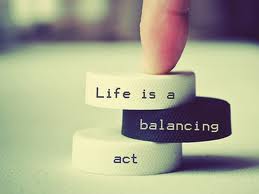
    Life is a Balancing Act
    Life is a Balancing Act

    Path 2 – Be Nice but Not Let Others Take You for a Ride

    Just as pride is important, humility is also a very important trait. It keeps us grounded and prevents us from flying based on past laurels. You know that you are skillful, but you also know what are your skill gaps and where you need to seek help. Apart from humility, another aspect of being nice is being patient and tolerant. We should be tolerant of the opinions and views of others, and patient with people and situations if we don’t get immediate results. The balanced man understands that his opinion is also an ‘opinion’, and other opinions are just as valid as his.

    Having said that, we should never stretch ‘being nice’ too far that others start taking us for granted. There will be times when you have to put your foot down and remind people that there are lines which they should not cross. Again, this should not be done arrogantly or with a feeling of superiority but with calm and compassion towards others. The balanced man focuses on solutions to problems, and understands that sometimes a more aggressive approach might be what is required. You might need to step away from a job, stop talking to someone for a while, and so on. The balanced man is strong enough to face some short term pain and hurt but do the appropriate thing. The balanced man never loses himself to please others, or for being nice. He always knows his values and principles, and act with strength if the situation requires so.

    Path 3 – Work Hard and with Dedication, but don’t let Anything Become an Obsession

    We all admire the people who work with dedication, take on new challenges in life and have a great work ethic. But we also realize that these people don’t have a life outside of work and their work life balance is not that balanced. As with most things, there is a fine line here too, a line between dedication and obsession which the balanced man understands well.

    The balanced man knows that life is like a wheel with many spokes, and work is only one of it. The other spokes are relationships, health, continuous learning, recreation, among others. The balanced man has goals and goes after them with planning, but doesn’t exhaust himself chasing more and more work. The balanced man knows the power of focus – they focus on work fully when they are at work, and to their family when they are at home. He doesn’t let one spill into another’s territory. He knows how to have an enriching and balanced life, and also understands that being obsessed towards any one aspect of life will have it consequences too.

    Path 4 – Help Others but Don’t Patronize Others

    The balanced man knows not only that helping others is a true way to give back to the world, but also that being helpful has its limits. We should know that if people need to learn and grow, they might be required to fail and learn their own lessons on their way. While one should always strive to encourage and plug any knowledge gaps, the balanced man realizes that doing the job for someone else is only going to make the other person weaker in the long run. Assistance is required sometimes, but people should have the freedom to make their own mistakes and learn from them.

    By being too helpful, we start patronizing others. We start to give the message – “You are no good”. It is an insult to another human being, to his talent, and more importantly, to his ability to learn and adapt to the situation. That is making another inferior and taking false pride is our own superiority.

    Having these four traits, but knowing where to draw the line is what will make you a Balanced Man.

  • If You Can Do These Things, You’re a Winner

    How I describe a winner or success has changed tremendously in the last six to seven years. Very early in my career, I used to associate success and winning with results produced by the people involved, but the definition has changed tremendously now. Not that results and outcomes are not important, but I feel there is more than that to a person or team being called a winner.

    In my book, a person is a winner if he/she can do the below three things –

    1. Push themselves beyond their current limits, day after day, week after week and month after month. They do this despite the pain, the struggle, the discomfort that this ‘pushing‘ will create.
    2. Sacrifice doing something where immediate rewards are guaranteed and continue working in an area where he/she is not even sure whether the rewards will come or not, because of some goal one is pursuing, or some ideals or values that one believes in.
    3. Does whatever he does with intensity. Intensity causes performance, not duration. Can you run for 15 min instead of a 1 hr walk? Can you treat every second of your time as your most valuable resource and give nothing less than your best? And it is not just in business, can you bring the same intensity and performance whether you are gardening, coding, or having a conversation.

    The excellency of every art is its intensity, capable of making all disagreeable evaporate. John Keats
    The excellency of every art is its intensity, capable of making all disagreeable evaporate. John Keats

    I rarely push myself to exhaustion. I know if I could just increase my intensity in doing certain tasks, I can cut the duration by as much as 50%. But there is a huge comfort zone where I am, and the mind’s job is to survive, and it will resist doing anything which means enduring discomfort. The mind tricks us into thinking we have hit our limits long before we actually do.

    I believe there is no sure shot way to outstanding results, and it can never be guaranteed. But what we all can control is how much intensity we put in whatever we do. Intensity is when a double amputee climbs a mount everest, intensity is when a person with no arms can fly a plane (search for Jessica Cox), intensity is when a 90 year old runs a marathon, or when you see the paralympics. Everybody will give in to the temptation (to procrastinate, to give up too early) some times, but I have seen many people who have been working with intensity, and they are my real heroes, my real winners.

  • Letting my Poetry Take Its Own Path

    It has been more than three years that I have been writing regularly on this site. I have written articles, poetry and lately short stories. How I write my articles and poetry differs greatly. Let me explain – with articles I normally research about a topic to get some real data and facts before sitting down to pen down my opinion. I normally have a list of topics at hand, which I slowly expand into bullet points and later into a full article. This is a very top to bottom process – something well thought about and planned.

    However, how I write poetry is very different from what I described above. If article writing is a top to bottom process, then poetry is a bottom to top process. If article writing is planned, then writing poetry is spontaneous. The articles comes from the head and heart, while the poems originate from the soul. The articles are meant to be read, understood and analyzed, while the poems are just meant to be felt.

    I don’t plan and write poetry. I don’t have a list of topics on which I have to write a poem. Instead, poetry writing feels like someone else is writing through me. It seems like I am just the medium and the words just come out automatically when I am in the ‘zone‘. After finishing a poem, sometimes I myself can’t believe I have written it. It is like I am a mirror reflecting the emotions in words which I absorb from the world as it is.

    Poetry for me is just an arrangement of words such that it touches the heart and soul of the reader
    Poetry for me is just an arrangement of words such that it touches the heart and soul of the reader

    When I write a poem, I feel a unique connection to the world. It is like I am painting a picture, but with words instead. It takes me into a new trance of consciousness where the possibilities are endless, and life is full of joy – even if the poem is about sad and tragic state of affairs. I feel poetry puts us all in touch with the most innocent child in us, and we are always going to need it.

    I have not learned or studied about poetry ever. Poetry for me is a way of expressing my mood and emotions at that point. Depending on whether I am sad, romantic or nostalgic, my poems come out as reflecting the same. Even the subjects of the poem vary. I have written poems about corruption, politics, love, society, my mother, best friends, life depending upon the prevalent topic in my life at that time.

    So my poetry takes its own path, independent of what I want to write. And I want to let it be that way. With poetry, I am willing to go where the flow takes me, without offering much resistance of my own. I am going to accept and write poetry about whatever life throws at me, rather than choosing a subject(s) and try to mold my poetry about it. Poetry also helps me to see things which are serious in a lighter vein. Life may be messy, chaotic, painful, sad at times and joyful, lovely, charming and completely perfect at other times. But the world as a whole is beautiful, and there is beauty all around us, if we can look at it that way.

  • The Final Act

    I have tried to scream, and to yell
    Tried every way I could react,
    But can you hear me? No one can tell..
    How could this be the final act?

    Sometimes I feel mad
    So hard was the impact,
    I sometimes wonder and feel sad
    Is this curtains on the final act?

    Motherhood
    Motherhood

    Suddenly I had to say Goodbye
    It all seems so abstract
    The only question I ask is – WHY
    But no answers after the final act..

    I think I lost a part of me,
    As I no longer feel intact !
    She must have completed her duty,
    Without notice she scripted her final act !

    Life only moves in one direction,
    That is the only true fact !
    I guess I have only one option,
    To start afresh after her final act!!

anger anna hazare bangalore business challenge coaching conflict conversation corruption Cricket culture dandi march emotions energy friends fun gandhi giving gold growth hope india jan lokpal bill language leadership lessons Life listening love moment mother movie new year people perspective poem sachin tendulkar saleraja trust values walk waste women words world cup