waste

  • How Can We Overcome Negative Emotions And Create Positive Energy To Achieve Joy And Fulfilment?

    We all experience a wide range of emotions. If we are human, we can not escape feeling the same emotions as everyone else. In fact, the more psychology and neuroscience research I encounter, I wonder that a better name for us would be “emotional beings” rather than “human beings“. Emotions (not logic) are what decide each and every action we take, and it is emotions that make us human.

    The 6 basic human emotions are happiness, sadness, fear, disgust, anger, and surprise. However, all of us are capable of experiencing a much wider set of emotions like excitement, contempt, guilt, relief, embarrassment, shame, joy, inspiration, numbness, horror, and so on. It is natural that we will all experience the above emotions at some point or another.

    While all of these emotions might be natural, they are not all helpful. Many emotions leave us in a positive and empowered state while others leave us worse off. We also experience these emotions in different combinations and intensity.
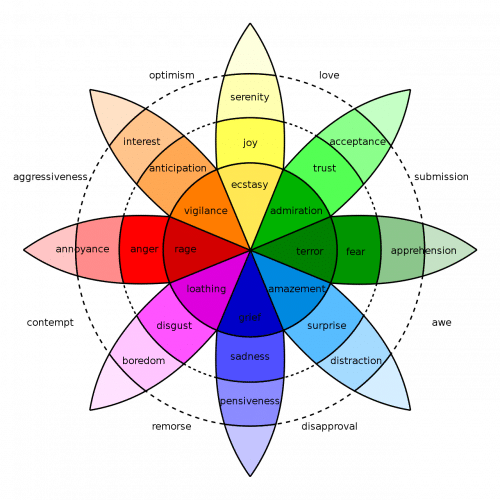
     Plutchik Wheel of Emotions
    Plutchik Wheel of Emotions

    For example – anticipation and joy together become optimism, trust and fear become submission, and anger and disgust become contempt. Plutchik’s wheel of emotions provides a good framework to understand emotions, how they mix together, and how they can vary in levels of intensity.

    In this article, I want to talk about our emotional waste, or what is often termed as negative emotions. Just like the waste generated in our households and cities is processed to create energy, we can and must process our emotional waste too. If we know how to deal with our emotions, they can be used to generate productive energy.

    “Clouds come floating into my life, no longer to carry rain or usher storm, but to add color to my sunset sky.”

    ― Rabindranath Tagore

    What Are So-Called Negative Emotions, or Human Emotional Waste?

    What I call Human Emotional Waste are emotions like anger, frustration, resignation, cynicism, guilt, and other so-called negative emotions. They are usually called “negative” in popular nomenclature, but I must clarify that there is nothing wrong with these emotions. Experiencing them is as natural as experiencing any other emotion. If you are a human being, you will experience these emotions in your life. There is no escaping them.

    Having said that, these emotions don’t help us either. The waste of these emotions is harmful if we dump it on others, and even more harmful if we swallow it ourselves. But just like household waste, these toxic emotions can also be turned into positive energy. Just like crude oil can turn to fuel used to drive vehicles, these toxic emotions can also be turned into fuel to power something beneficial in our lives.
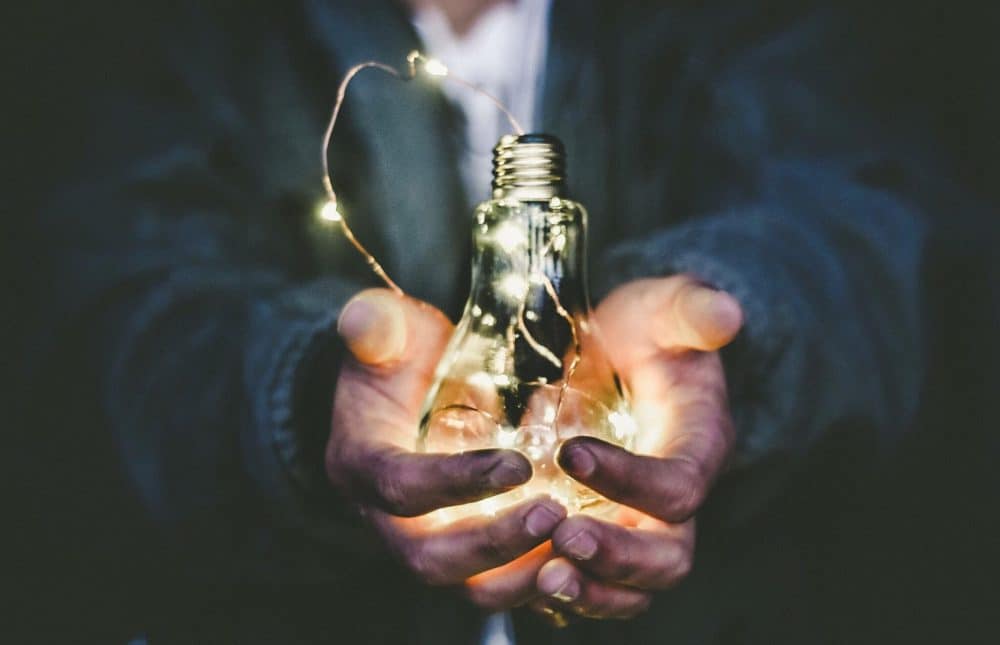
    Every Emotion Has Energy. It's Up To Us How We Use It
    Every Emotion Has Energy. It’s Up To Us How We Use It

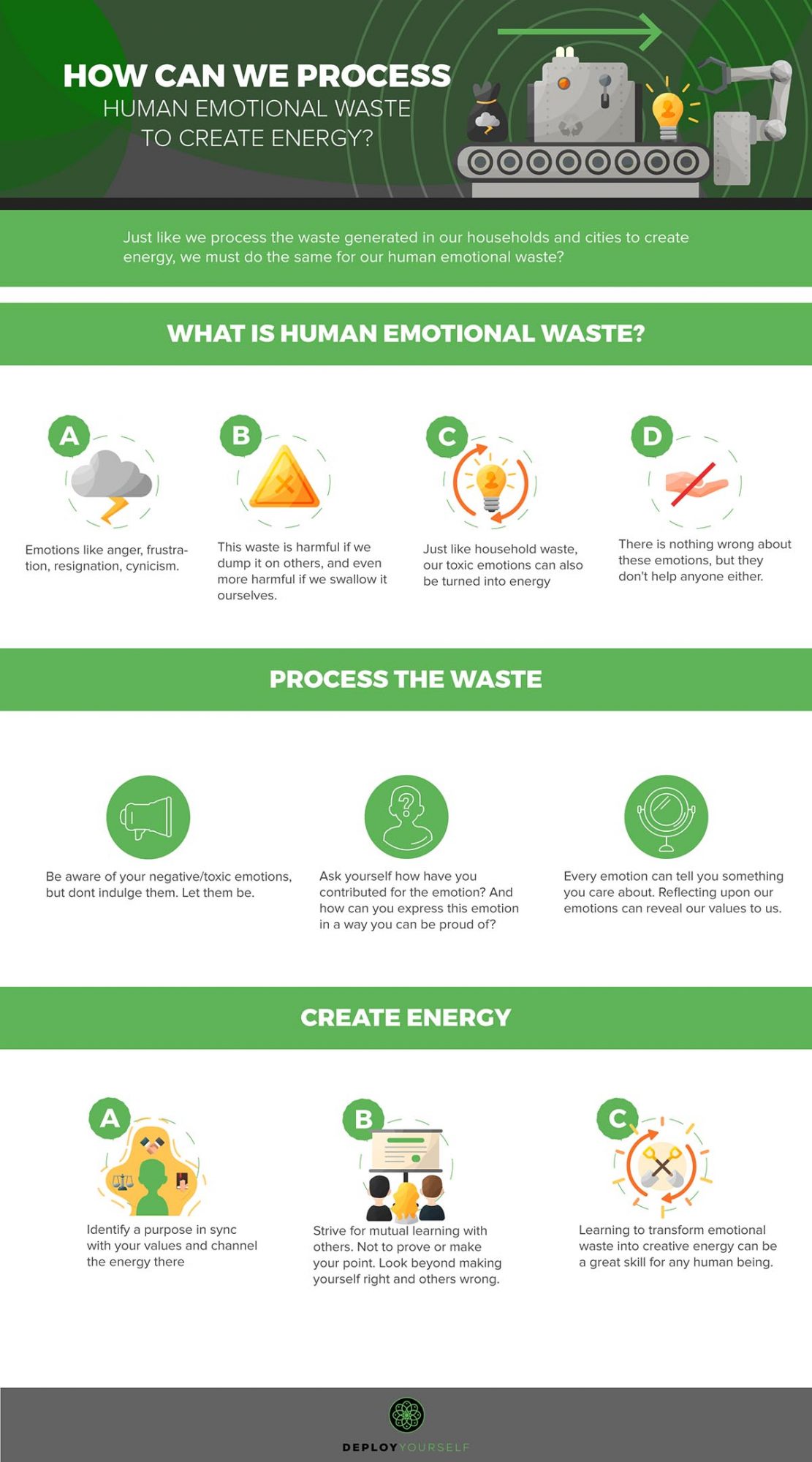
    How Can We Process This Emotional Waste?

    The first step to productively process our toxic emotions is to stop fighting them. We must be aware of these emotions as they arise, but we should not indulge them. The more we indulge them, the more we risk slipping into the rabbit hole of disempowering thoughts and harmful actions. We must realize that having these emotions are natural, and we should just let them be.

    At this juncture, it is also important to note that we should not resist them either. Saying “I shouldn’t feel this way, or I will not get angry” will only make it more difficult to let these emotions go. The more we resist them, the more they will persist.

    Once we have done that, we can take the next step, which is to ask ourselves a few questions to understand what these emotions are trying to tell us:-

    • How have I contributed to the emotion to arise that I am experiencing right now?
    • What is it that I deeply care about and has been violated, which has stirred up this emotion?
    • How can I express this emotion in a way that I can be proud of?

    Answering these questions can be hard and intimidating, but this is the hard work required to “recycle” such emotions and gain some valuable insights from them. The more attention we pay to our emotions, the more aware we can be of what they are trying to tell us.

    Every emotion can tell us something we care about. Answering the above questions and reflecting upon our emotions can reveal our values and what is important to us. Once we realize which of our deeply held values was violated resulting in the emotion, we can take the next step.
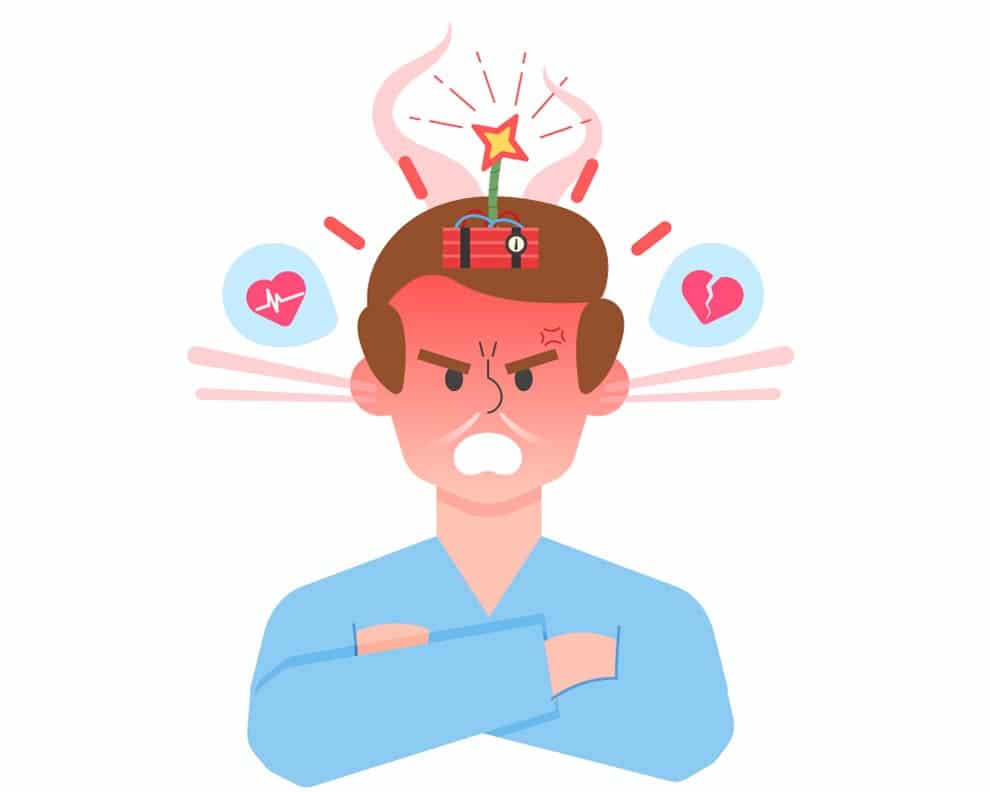
    Suppressing our emotions can cause a lot of damage
    Suppressing our emotions can cause a lot of damage

    How Can We Create Positive Energy?

    Once we have identified what our emotions are trying to tell us, we must think about expressing these emotions in sync with our values. At such moments, we need to take the driver’s seat and prevent our emotions from taking over. Emotions are very good messengers but can be equally bad masters.

    We must channel the energy from understanding our emotions towards expressing them without suppression or explosion. Shouting at others (explosion), or sulking in silence (suppression) never solves any problem. It often only makes it worse. We can always choose to act according to our values — even in the face of failure, disappointment, and other strong feelings.

    We can’t always control our circumstances, but we can always act in ways congruent with our values. When we give in to the temptation of an impulsive emotional reaction, we try to win the argument and prove that our point of view is the correct one.

    “Everything can be taken from a man but one thing: the last of the human freedoms—to choose one’s attitude in any given set of circumstances, to choose one’s own way.”

    ― Viktor E. Frankl

    However, we must strive for mutual learning with others when expressing our emotions. The purpose is not to prove or make our point. We must look beyond making ourselves right and others wrong. For example:-

    • When we are sad about experiencing a loss, an impulsive reaction could be resignation and cynicism about the future. But a conscious expression of sadness would be to just grieve and acknowledge your loss.
    • When we feel anger and frustration, an impulsive reaction could be to get into a fight or suppress our feelings. But a conscious expression of anger would be to make a complaint and sharing our concerns.
    • When we feel guilt after a mistake, an impulsive reaction could be to beat ourselves up and sulking in shame. But a conscious expression of guilt would be to make a sincere apology and repair the broken trust.

    Learning to transform emotional waste into creative energy for a common or higher purpose is a skill. And just like other skills, it can be learned and developed. We can all use our emotional intelligence to make productive use of our emotions. If we can do that, these emotions will stop being “negative” for us. And we will end up with stronger relationships and a better world for all of us – not just you and me.
    How Can We Overcome Negative Emotions And Create Positive Energy To Achieve Joy And Fulfilment?
    How Can We Overcome Negative Emotions And Create Positive Energy To Achieve Joy And Fulfilment?
  • Why India’s urban development is important for the nation?

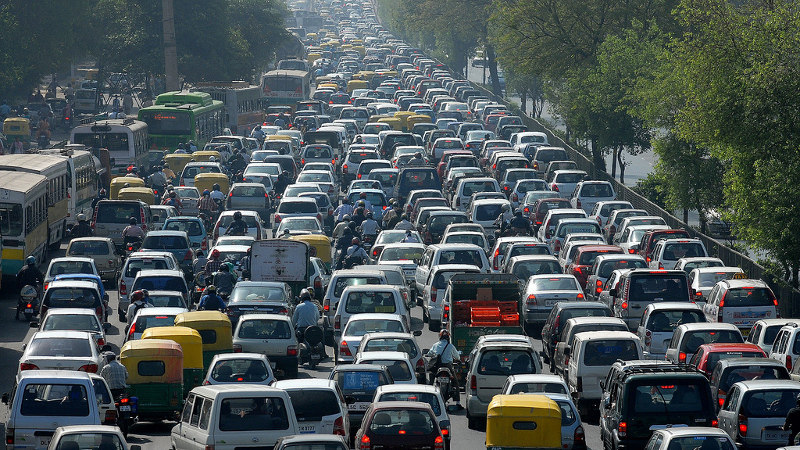
    Sometime back, I had written an article on “Why India’s rural development is important for the nation?”. Now, through this article, I want to stress why our urban development is as important too. We have come a long way since independence in terms of urban economy growth. Urban economy now contributes upto 70% to the nation’s GDP, while this figure was 30% in 1960. In the last 50 years, all over the world cities has risen to become hubs of economic activity and certainly future growth is going to come from our cities.

    But unfortunately, the growth and expansion of Indian cities has been unplanned and haphazard. Our cities today face challenges in meeting the demands of infrastructure and resources. The demand for clean water exceeds the supply by about 30%. Waste management systems are almost non-existent, and if they are there, heavily over-stressed with over 40% waste going uncollected. Eco-friendly waste disposal methods are only a dream and even government agencies and engineers are totally unaware about their technicalities. Around 22% of urban population lives in slums and around 25% is below the poverty line. Traffic congestion and pollution has increased like never before.

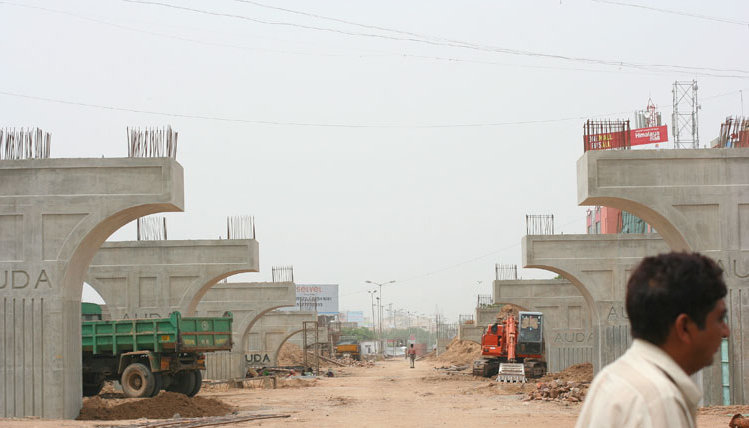
    Infrastructure growth is one of the biggest challenges India faces today
    Infrastructure growth is one of the biggest challenges India faces today

    Clearly, we need to change not only the way our cities are managed, but also how they are planned. Planning for future cities and management of current cities only will result in livable cities which will have decent quality of life and equal opportunities to all citizens. Firstly, we should provide fast and low cost infrastructure for residents like housing, hospitals, schooling, transport and commercial centres. There should also be a provision of how to grow this infrastructure as cities grow in the future.

    We must encourage high rise and high density cities to accommodate the continuous migration from villages to cities. While we have seen growth in apartments in cities like Noida, Gurgaon and Bangalore, most of them are for the upper middle class. There is an urgent need for builders to build affordable low cost housing solutions. The government can help the builders by providing tax rebates as incentives.

    A normal scenario in all Indian cities
    A normal scenario in all Indian cities

    If we improve our roads and transport standards, our cities can grow horizontally as traveling time will reduce. Transport is like the backbone of a city. Poor transport limits mobility of its people which in turn hamper economic growth. Road capacity must be enhanced but it is not enough in itself. Road transport has to be supplemented by development of mass transit systems like metro rail, mono rail and bus services. Road widening and introducing separate lanes for buses is an important step which is required today in almost every city of India. Other transit systems like metro rail should be integrated with bus services like Hong Kong and Tokyo, as this will reduce travel times and improve efficiency for business and economy.

    Undoubtedly, there is a lot to do to improve urban infrastructure, and huge amounts of money will be required to do this. It is impossible for the government to all of this by itself. It is therefore imperative private sector be involved heavily in infrastructure development activities with the government playing the role of a regulator. In Thailand and Malaysia, even sanitation systems are managed by private operators. Why can’t the same model work here? A lot of policy changes will also be required to change how local governments and municipal bodies work. The Mayor of a city is elected by councillors, and is powerless. The mayor should be elected directly by the people and should be given powers to manage and run cities efficiently.

    Are we providing equal opportunities to all?
    Are we providing equal opportunities to all?

    To make sure all these systems work in a transparent and efficient manner, we must introduce ratings of municipalities of different cities, and some sort of comparative performance measurement system for officers. All this information should be in the public domain and open to scrutiny by the media and public. E-governance needs to be introduced and systems such as MIS (Management Information Systems) can be used to collate all information and improve efficiency of all services. How we manage our cities today will decide how our country will shape up tomorrow. We need to turn our cities into truly sustainable engines of growth for the whole country.

  • How letting go of SaleRaja could be one of my best decisions ever?

    It was December 2009, and although I was still working on SaleRaja, it was now more as a burden than for interest. I was stumbling in the timelines for feature changes that I had set myself, my enthusiasm was low and I was unsure about what the future had in store for me and SaleRaja. Finally, after managing SaleRaja alone for the whole of 2009, I decided to let it go and focus on my career through a job. That means I was soon looking for a job when at one time I thought that I would not have to find another job ever. My motivation levels were at an all-time low, and I was confused and unsure about what next?

    But I decided to take a break from entrepreneurship, focus on my career through a normal job, and come back to entrepreneurship some years later. It was not an easy decision, and it took me around six months of consideration to finally stop running SaleRaja as a business. Looking back now, 16 months after that decision, I can laugh over those uncertain times and say that it might be one of the best decisions I ever took. The first few months were tough, as I was confused, low on confidence and struggling to find a direction in life. But after that, and till now, the going has been wonderful. I have done things in the last one year that I never thought I could, and would do, ever. I am listing below everything for which I am really grateful in this past year.

    Started sumit4all.com
    I had always been good at writing, but used my writing skills only when writing letters, emails, or when somebody asked my help with it. Hence, in January 2010, I started sumit4all.com as a blog where I would write about different things I feel about, my experiences, my life, etc. I could only do so because I was free and there were no SaleRaja deadlines to follow. It was not easy at first, and I was not able to write more than one post per week. Writing was like a pain in the ass and I had to put in a lot of concentration, patience and effort to research about a topic and write an article. But slowly and steadily, I started enjoying writing and I am writing around 15 articles every month now. Many of my articles have been well received and been shared a lot through social media like facebook, twitter, etc. Now I have plans of writing and getting a book published in 5 years.

    Reading Books
    I started reading books during the last few months of 2009 when I was struggling with SaleRaja, but I made it regular only after Jan 2010. I started reading two books every month and have been following this practice till now. I have read autobiographies, self help books, and a few business and fiction books too. These books have allowed me to take a peek into the stories of so many men and women, and the perspective of life I got after that have been amazing. I have a small, but good library now and have a lot of books in my to-read list.

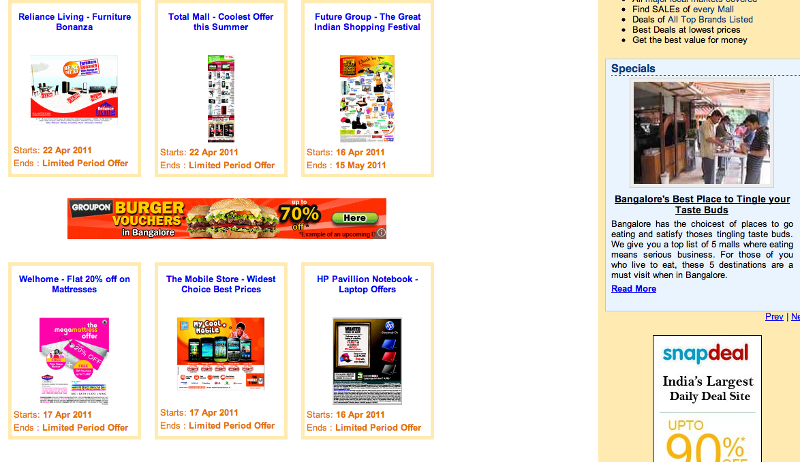
    A screenshot from SaleRaja.com
    A screenshot from SaleRaja.com

    Landmark Education
    Right after SaleRaja, I was looking for some kind of education to fill in the gaps in my skills which I had found during my stint with SaleRaja. I looked at MBA options, some short time courses done by IIMs and other B-schools, but nothing interested me. I started finding groups online related to business, entrepreneurship and started meeting like minded people in Bangalore, but that also didn’t sustain. Then I enrolled myself in the various programs of Landmark Education since July 2010, and am continuing this education even now. This could not have come at a better time for me. It has helped me get my confidence to a new level and clear a lot of doubts about life. Also, I met a lot of people through Landmark Education who are very successful and leading wonderful lives, providing inspiration and support. I can without doubt say this last seven-eight months of Landmark has been the best education of my life. It is ironical how we keep studying about specific skills / courses but never study anything about life and living in general.

    Joined Yahoo
    Yahoo, Google and a few more are the dream companies of many people. I was open to both startups and big companies when I started looking for a job again, and found myself in Yahoo in March 2010. Having spent the last one year here, it has given me my first experience of working in a multinational company. Dealing with different people and teams from Singapore, Brazil, Europe and US over the last year has given me much needed exposure about how work happens across continents, cultures and languages. In the future too, I am sure there is a lot I can gain from Yahoo and working here.

    Waste Management Activities
    In September 2010, I got intrigued by the idea of waste management and thought of a business idea around it. Since starting a new business was out of question, I got involved in waste management related activities in Bangalore to know more about its details. I took an initiative to implement waste management in apartments starting November 2011 and have got a decent response from that. I have met a lot of people who are already working in this area and am totally amazed by their energy levels. They have been a great inspiration about how to to live life responsibly. It also gave me the confidence to take new initiatives in any area, irrespective of my skills and knowledge in that area.

    Dandi March 2
    In March 2011, I got a chance to organize an anti-corruption walk in Bangalore. In less than three weeks, I put together a team and on 26 March, over 400 people walked over 11km under 4 hours to make this walk a huge success. These three weeks were one of the best of my life, with all my learnings in the past year put to test. I got confidence like never before after this event, and the Anna Hazare magic caught the attention of the whole nation soon after that. It was during this time only that some articles written by me attracted huge traffic from google as people searched for anti-corruption keywords on the internet. The success of this walk is the reason nothing seems impossible now to me.

    What Next?
    Although I have gained a lot in the last one year, I very clearly see a long journey ahead with lots to learn and do. I am in the most calm and peaceful state of mind that I have ever been, and with confidence that I can take on anything now. It has not been all uphill too in the last year, and I have tasted some setbacks too, but I have surprised myself with how well I have handled myself during these breakdowns. I have taken the lessons from the mistakes I have committed without getting frustrated and upset, and moved on to newer things. For the remaining of 2011, I have atleast two more initiatives lined up in the social space, so watch out in the coming weeks for more updates 🙂

    Update – Pick a Fight was born soon after I wrote this post

  • No Waste – Call for Action

    No Waste

    In my last few posts, I have already written about “What happens to our waste?” and “What can we do about it?” If you have not already read those posts, read them now before continuing. In this post, I am going to list down a ‘call to action’ plan where I intend to implement dry waste segregation, collection and recycling in residential apartments across Bangalore and Delhi/NCR. I am already involved in some waste management related activities in Bangalore for the last few months. Apart from that, I am participating in Landmark Education’s Self Expression and Leadership Program (SELP) and as part of that, I have to do a community project. So I am taking this up to fulfill both the above objectives…

    What I want to accomplish is to implement dry waste segregation at source (into paper, plastic, others) in residential apartment complexes and ensure the segregated waste is sold to the recycler. This will reduce the waste going out to landfills by a good percentage (60-80%) and also generate income for the residential apartment. This income can be used in the welfare/salary of the housekeeping staff in these apartments. So lets get to the plan now and see how do we go about executing the “No Waste” initiative –

    Step 1 – Talk to the group managing day to day affairs of the apartment and educate them about the “No Waste” initiative.

    Step 2 – Do a door to door educational / awareness campaign educating the residents about the need to segregate waste and its advantages.

    Step 3 – Distributing colored bags for three different levels of segregation of waste. Step 2 and 3 can be clubbed together.

    Step 4 – Doing weekly collection of the segregated dry waste (every Sat/Sun) from the residents, educating the residents at the same time if they have not done it properly, or educating the households which are not participating.

    Step 5 – Organizing a event where residents / maids / housekeeping staff will be educated about the need for waste segregation. Some NGO will come and readily help us with this. Can be done independent of the other steps.

    Step 6 – Storing the collected waste in the apartment complex, where it can be picked up by the recycling company or some NGO where it can be recycled. This can be done on weekly or fortnightly basis depending on quantity of waste generated.

    Step 7 – Revenue generated from selling off recyclable material can be used to promote the campaign and to pay the salary of the housekeeping staff involved in the same.

    Lets stop dumping our waste into landfills
    Lets stop dumping our waste into landfills

    So it will be a win-win situation for all. It will be good for the environment as the waste going to landfills will be reduced drastically. It will be good for the industry as it will get recyclable paper/plastic for use as raw material and reduce their input costs. It will be good for the housekeeping staff as it will generate income from the sale of recyclable material which can be used for their welfare. The only thing required is a little effort from our side. So lets join hands to make this a reality.

    So if you live in an apartment complex and want to implement this there, get in touch with me. If you know anyone who is willing to take this up, get me contacted to that person. And if you want to be a part of this project but don’t live in an apartment, there is still a lot you can do, so get in touch with me. You can call me at +91-9916532966 or ping me online.

    Current Status – Step 1 and 2 have been done in many (8+) apartments and all steps (till step 7) in around 5-6 apartments. Kudos to all those involved!!

  • What can we do about our waste?

    This is my third post on my “No Waste” initiative. Do read “What happens to our waste?” if you have not already done so. In this post, I will list out the eco-friendly ways we can dispose off our waste so that all the harmful effects can be minimized. They are very easy to implement, and can generate revenue and employment for people too!! Some of the most important things to know about waste management are –

    1. Segregation at source – Segregation at source means separating our waste into dry, wet and toxic waste at the source. Which would mean keeping the dry waste (paper, plastic, glass) separate from the wet waste (leftover food, fruit peels, other kitchen waste) and toxic waste (medical waste, e-waste). When we separate our waste and store it separately, it becomes very easy for the next step to kick in. Dry waste can be recycled and reused, Wet waste can be turned into compost and all toxic waste can be disposed off safely. When all these are mixed, neither recycling nor composting can happen and we end up polluting our atmosphere, soil and ground water.

    2. Recycling of Dry Waste – Dry waste (paper, plastic, glass) must be further segregated after which they can be sold to the recyclers who will recycle the materials. But as this is only possible if we properly segregate all dry waste, making segregation the key. This sale of dry waste can generate some income for the household, in addition to the fact that this waste will now be recycled and not just dumped in landfills.

    3. Composting of Wet Waste – All wet waste (kitchen waste, left over food) can be turned into nutrient rich manure by a process called composting. Composting is the natural decomposition of food waste into manure which can be mixed with the soil to enrich it. It can be used in our home gardens, thus preventing our expense on fertilizers and chemicals.

    As you would have seen, if we implement the above steps in our households, we can reduce the waste going out to landfills totally (or by 80-90% atleast). Thats why the term “No Waste“. And yes, it is that simple. Nothing complex. And its a win win situation for all. It will generate employment for people involved in waste collection and recycling, generate income from the waste sold, prevent the expenditure on fertilizers and reduce the waste going out to landfills drastically, thus resulting in a greener planet.

    The only thing required here is an initiative to educate people about this and implement this. It has already been successfully implemented in a few places in Bangalore, like Diamond District, Sadashivanagar, Christ College, etc. I am working on a “Call to Action” plan and will be out with it shortly which will give the opportunity to like minded citizens to take bold leadership initiatives in their localities/apartments to implement a “No Waste” plan and do their bit in proper waste disposal.

  • Why screw the planet?


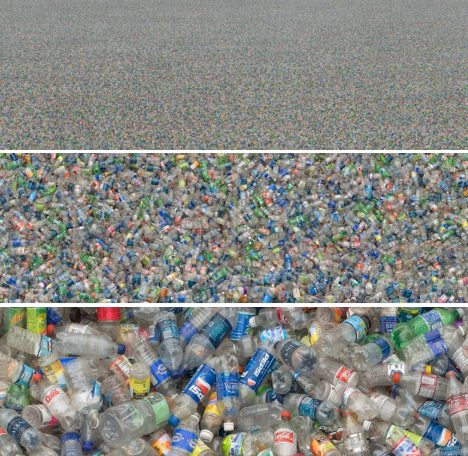
    Lots and lots of plastic bottles lying around
    Lots and lots of plastic bottles lying around

    We live in a developing country,

    With a heavy cultural and religious bend!

    Let us look at what we leave behind,

    When we confidently go with the trend!!

    Our economy is growing leaps and bounds,

    The world watched amazed during the recession!

    That growth generates a huge amount of waste,

    Which when dumped looks like a big ocean!!

    Our world today is driven by consumerism,

    And every thing we use is disposable!

    Our environment was never meant to cope with,

    All the garbage that we leave on the table!!

    We celebrate our festivals with grandeur,

    But most have been taken over by hooliganism!!

    We pollute air, water and land alike,

    In this environment, can religion really blossom?

    Most of the garbage end up in landfills,

    Where huge amounts of greenhouse gases are released!

    We do not understand the gravity of the problem,

    And need to act before our planet is termed as deceased!!

    We have already had a few eco-disasters,

    With many more waiting to happen!

    We need to wake up and act soon,

    Before it is too late for any action!!

    Let us realise while we can,

    That we are losing time minute by minute,

    Anyways we have 6 billion people around,

    So why do we have to screw the planet?

    Trashing our earth
    Trashing our earth

    To know what happens to our waste after we dump it, click here

  • What happens to our waste?

    This is my second post on my “waste management” initiative after my first one. Also read my poem on waste “Why screw the planet?

    We generally term everything that goes into our dustbins as “waste“. Every day, tons of waste is generated in households, shops, markets, offices, educational institutions and others. For Bangalore itself, 3000 tons of waste is produced daily while the figure stands at 7000 tons in Delhi. We often put all our waste (paper, plastic, food waste, e-waste) into a single bin. From there we either throw it out on the road or some open plot, or the municipal body collects it from us. What happens to this waste from here on? Where is this huge amount of waste which we are generating everyday in our “throw-away” lifestyle going?

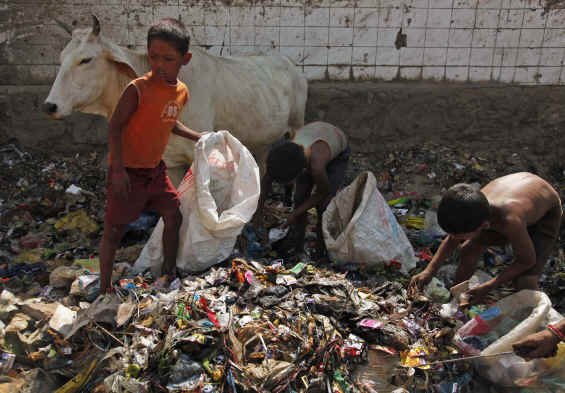
    Kids picking up recyclables from trash
    Kids picking up recyclables from trash

    First of all, let me mention the little part which is actually recycled. You must have seen rag-pickers and waste-pickers picking up plastic and other materials from the waste lying on the roads. Most of these people are extremely poor, illiterate and belong to rural immigrant families. Many of them are kids who have never attended school. They collect our waste in most unhygienic conditions and are subjected to chemical poisons and infections. They are invisible entrepreneurs reusing and recycling our waste, reducing demand for natural resources. They are doing a huge public service to us and to our nation – for free. And yet, they get chased by dogs and abused by everyone. What an irony!!!

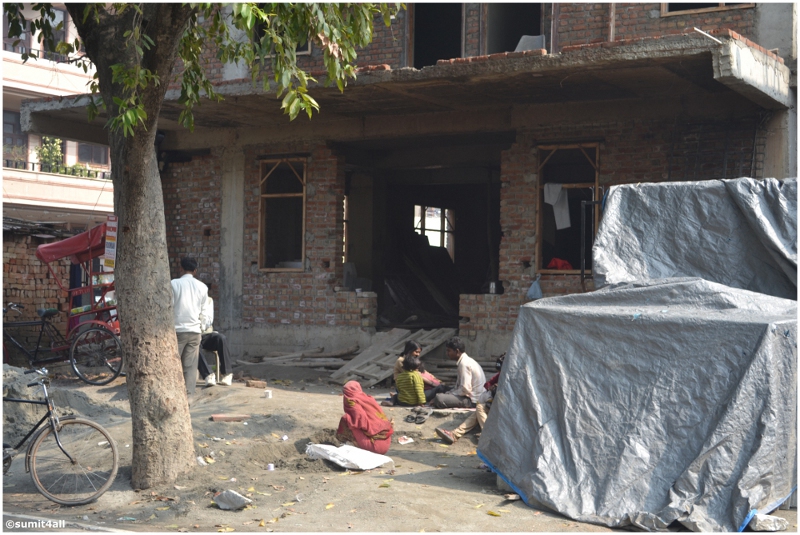
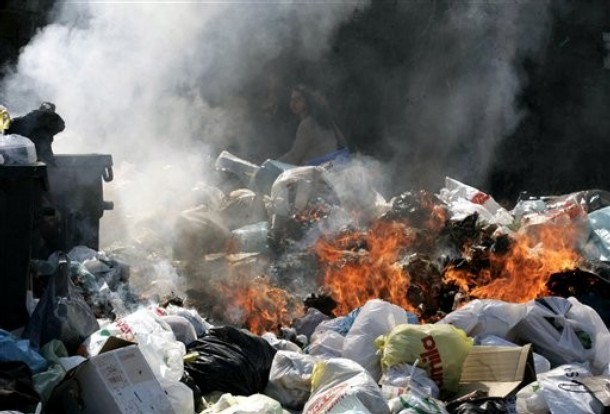
    A normal sight in our towns
    A normal sight in our towns

    Lets take the case of burning of garbage now. As Indians we have got used to burning of garbage and that sight does not alarm us. Well, it should!! Because, it takes only five ounces of burning PVC to give off enough hydrogen chloride gas to kill someone in an average sized room in just TEN MINUTES. Even if it is not severe, it can cause the risk of damage to lungs, kidneys and liver. Long and continuous exposure to smoke and toxins (which appear harmless) can cause chronic diseases like bronchitis, emphysema and cancer. Apart from health effects, burning trash releases pollutants like dioxins, ash, furans, halogenated hydrocarbons, carbon monoxide, lead, barium, chromium, cadmium, carbon dioxide, arsenic and mercury into the atmosphere resulting in global warming and ozone layer depletion.

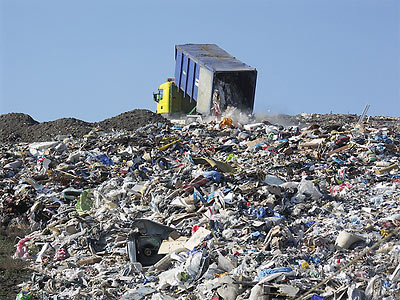
    Dumping trash in a landfill
    Dumping trash in a landfill

    Apart from recycling and burning of garbage, most of it reaches the landfill, which is a large open area where the garbage is dumped, covered by soil and left to decompose. Decomposing might take hundreds to thousands of years, and some materials never decompose. Landfills pollute and contaminate the ground water and soil. Animals like raccoons, rats, insects, cockroaches are attracted towards the area creating a health risk in the area. Landfills also release methane gas from decomposing garbage which is a dangerous greenhouse gas. Moreover, landfills are not a solution as it encourages garbage creation. It takes away land from humans and other animals and considering the amount of trash we generate these days, we may soon run out of land to use as landfills.

    Living in a society driven by consumerism we have come to accept the “use and throw” and “disposable” attitude as a way of life. It is our responsibility that we take care of the waste we generate to ensure a healthy environment to live in for our kids and future generations. Although it might look like a big problem with no solutions, garbage is not a problem. In fact, waste is a resource in disguise. Using the term “garbage” let us see it only as a problem and not an opportunity. Seeing it as a resource can present enormous opportunities to us, for better disposing and recycling, for reducing pollution, for creating employment and businesses, and for making our earth safer and beautiful to live in. I will share more about these opportunities in future posts, so watch out for more.

    Take a look at the below slideshow to know more and what we can do about it…

anger anna hazare bangalore business challenge coaching conflict conversation corruption Cricket culture dandi march emotions energy friends fun gandhi giving gold growth hope india jan lokpal bill language leadership lessons Life listening love moment mother movie new year people perspective poem sachin tendulkar saleraja trust values walk waste women words world cup