Society

My views about the society

  • Family vs Society

    We, as Indians, place great importance on our family and the value system a family carries. The kind of sacrifices our parents have made for us, and the struggles we go through for the well being of the family are unheard of in the West and forms a big part of the contemporary Indian society. However, we care much less about our community, society and others in general. In the West, we see a mutual respect for each other and proactive attitude towards problems in the society. In this post, I am going to speculate on these seemingly different approaches and what could be the approach the Indian of the future should follow to ensure the best future for himself and his country.

    We belong to a culture where deep rooted family values are an integral part. Parents consider it their duty to take care of their children until they stand on their own feet. After that too, there is a strong bond between parents and children. Children too consider their duty to take care of their parents in old age. This ensures a strong emotional bond and support structure for the whole family to lend on each other during difficult times or hardships and to share the happiness and celebrations during good times. The way an Indian family comes together during a wedding or on festivals is a sight in itself. Brothers and sisters share a bond which is based on trust and respect. Elder brother is treated as a father figure and there is a huge connect between brothers and sisters symbolized beautifully by festivals like Raksha Bandhan. Marriage is held to be a sacred union, and it is expected to last over seven births. I can proudly say I am part of such a country and this is the heritage I have inherited.
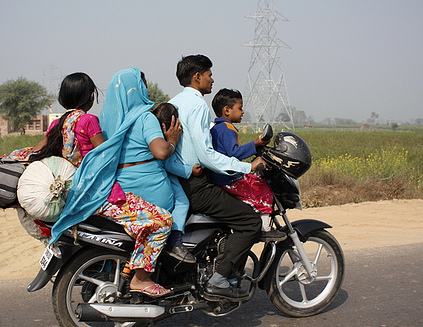
    A typical Indian family
    A typical Indian family

    However, when it comes to society, we have a totally indifferent attitude. We keep our homes clean and tidy but throw the garbage on the roads everywhere we go. We litter in public spaces as per our convenience (I have seen people litter on the road right outside public toilets.) We don’t care to follow rules of the land, whether they are traffic rules or any other. We take pride in breaking rules and getting away by paying bribes. We do not realize the cost to society when we put our personal interest ahead of the interest of society. And we don’t realize that we can’t be happy and prosperous unless we live in a happy and prosperous society.

    Apathy in addressing common problems is another issue. We turn a blind eye towards most of the problems plaguing our society. We behave as if they don’t exist. Or even if we care, very little of us actually do something about it. Our attitude is “It is not our job“. One reason for this could be that we have been ruled by foreigners for a very long time. And we think that public or societal issues are the responsibility of the government or the ruler and not of the citizens. Maybe we are not used to making decisions on our own. We always have somebody else to take the decisions for us. Currently, this role is of the government, and unfortunately, due to corruption and inefficiency, not much decision making happens there. Our tragedy is that we don’t make these decisions, neither do we stand up and make the government accountable for that they are responsible for.

    Mutual respect towards another human being is an integral part of western culture. We have created so many divisions in society and we treat each other very differently. We look down upon people based on their caste, state, or worse, on the type of work they do. People doing physical work like laborers, plumbers, etc share equal respect in the western society but we treat them shabbily. I think that irrespective of their importance, people should be held accountable for what they do. Be it a plumber or a politician, he should be accountable for what he does. A plumber does not have the right to not do his work because people don’t treat him well, nor does a politician should abandon his duties because nobody can touch him. This works both ways.

    My point here is that the root of our problems lie in a lack of duty towards the society. In other words, when we place the larger good over our personal good and act accordingly, we will make significant progress. After all, our values related to our families are something the whole world envy us for. If we take the same values and apply to our lives outside of home, we can do wonders, for ourselves and for others too. After all, a good and prosperous society will benefit us only in the end. Mahatama Gandhi said that “Be the change we wish to see in the world“, and I also remember one of the earliest lessons from my parents – “Treat others as you would like others to treat you“. Let us become responsible citizens and make our cities and our country a great place to live in.

    We have to extend our value system towards our family and spread it out in the society. We are all good people, for we take care of our families that we should be proud of. The whole world looks up to us for our family value system. The Indian joint family have mesmerized the west for a long time. Let us take a step forward and also turn into good citizens. Citizens who know their responsibilities towards the society, towards the problems that we face, towards the rule of the land and towards fellow human beings. I will end up with this quote from Winston Churchill – “Responsibility is the price of greatness.”

  • Five reasons you should join the Dandi March II walk in your city

    81 years after Gandhiji did the Dandi March to shake the British Empire, it’s happening again. Concerned citizens of India all over the world are marching in over 80 cities against corruption in India. Corruption has become the new colonialist in India. The politicians, bureaucrats and other officials are engaging in corruption without fear or shame. They have exploited the democratic system and the huge poverty in India to their advantage. It has become almost impossible to remove them from their offices, leave alone punish them or recover the money lost due to corruption. The demand and objective of this Dandi March 2 is to pressurize the Indian government into enacting the Jan Lokpal Bill‘ which has been advocated by noted social activists like Anna Hazare, Kiran Bedi, Arvind Kejriwal, and others.

    Walk together against corruption
    Walk together against corruption

    Dandi March 2 is happening all over the globe. Check out here and find out if it is happening in your city. If not, you can take the lead in organizing a small march in your own city. Remember, it is the collective intention of Indians marching in different cities that will help put pressure on the government to take action. Here are five reasons why you should join the Dandi March II walk happening in your city –

    1. Enough is Enough
    While you have been busy eating popcorn and watching that latest movie on television, our politicians have been eating our hard earned money we have paid as tax. They have sat in parliament, assemblies, offices and framed laws and made systems which make it easy for them to continue their brazen acts of corruption. They have neglected the complaints which few people have raised against them, and used the law, the police, and even the mafia to deter and scare such people. It is time that YOU wake up and demand accountability for YOUR money.

    2. Sheer volume of corruption
    The 2G scam has rocked the telecom ministry in the Indian government, and even the Indian Prime Minister has taken a flak from the Supreme Court. The amount of Rs 1,76,000 crore which the exchequer lost due to the 2G scam is mind boggling. The Commonwealth Games last year became a game of corruption with the whole international media being witness to the ‘tamasha’ going on. This has brought India widespread negative publicity and shame all over the world. It’s time to reclaim OUR pride from these looters.

    3. Gandhi’s dream

    Corruption is everywhere
    Corruption is everywhere

    Gandhi did not only dream of an Independent India, but also an India free of poverty. He dreamt of an India of equal opportunities to one and all, and equal right to justice irrespective of one’s social standing. Now our politicians, bureaucrats and babus ask for and take bribes openly sitting in a room with Gandhi’s portrait hanging there. It’s time we realize why we call Gandhi the Father of the Nation, and what we all owe to him, our Independence. Go ask your grandparents what it was living in an India which was not free. Just as a child can never repay his parents for showering him/her with life, we can never repay our freedom fighters what they have given us, our Independence. It is time we demand OUR Independence from corruption.

    4. We live in a democracy
    In the last few months, we have seen public protests uprooting governments in Islamic dictatorship nations of Tunisia and Egypt. These were countries where such mass protests are not allowed by law, but they could not stop people to get out of their homes for change. In our country, we are bestowed with a system to register our protest with the government under law. We have a moral obligation to go out and demand what is rightfully ours. It is also our duty as model citizens to put brakes on this practice of corruption which is eating our country from the inside. It is time for CHANGE.

    5. The Future
    I have always believed that this world is something we have borrowed from our next generations and before going we have to return it back to them. We should ought to return it back better than we inherited it. This was the vision every great mind has been inspired for. Gandhi dreamt for a free India for us. He himself lived only a few months in a free India before being assassinated. Many freedom fighters didn’t even see an Independent India when they died. They died for us. They struggled for us. Similarly, it is the future of a corruption free India which we have to see. In our vision, in our dreams, for our children and grand children. We have to get inspired from the dream of our future generations living in a just society. It is time to STAND for that dream.

    We Indians do for our children what no other country or society does. Our parents sacrificed a lot for this future of ours which they saw back then. We will do the same for our children. We don’t want them to ask us later that – Why did you not give me education? Why did you not give me values to stand in this world? Let them not ask us – Why did not YOU leave me a just and equal society to live in?

    It is time to hear that question NOW. It is time to STAND UP. It is time to WALK for the FUTURE.

  • Five Reasons why Idealism is still relevant in this world?

    Over the last 18 months, I have been reading a lot of books, mostly about business, self help and autobiographies. Autobiographies and life stories of people have left the deepest impact on me and changed my thoughts a lot. The books which have had the most impact on me are “Go Kiss the World” by Subroto Bagchi, “The Story of My Experiments with Truth” by Mahatama Gandhi, “Losing your Virginity” by Richard Branson, “Principle Centered Leadership” by Stephen Covey, “It’s not about the bike” by Lance Armstrong, “A Better India, A Better World” by NR Narayana Murthy and “Banker to the Poor” by Mohammad Yunus (am still reading the last two). Over the last six months or so, I have also met a lot of people in Bangalore and elsewhere who are living amazing and ideal lives. I have never had this inspiration from anyone in my entire life (apart from my parents).

    All this exposure has changed my thoughts and way of approaching things a lot. Recently when I was in Delhi and meeting a few friends, one of them remarked “You are talking too much idealism, in reality these things does not happen”. Back in Bangalore, I met another friend and the conversation again came to my “idealist thinking” and ignoring the real world. The “Idealism vs Reality” question often pops in many of our daily conversations. It could be about not giving a bribe to a corrupt official. Or it could be challenging the age old customs of dowry, or other stuff women are supposed to do for the happiness of men in his family. Why not embrace the “Equality of Man and Woman” totally rather than talking about it in conferences and then forgetting about it. Recently there was an article in Tehelka, “The Danger of Being Good” which I liked a lot and would recommend everybody to read it.

    Idealism makes superheroes tick
    Idealism makes superheroes tick

    I want to give some reasons as to why idealism thinking still matters to us, and I mean all of us, not just those who talk about it. I want to give some reasons why we need idealist thinkers in our society despite of all the poverty, corruption, negativity floating around everywhere. I want to give some reasons why we are still idealists deep inside our hearts, irrespective of whether we speak about it or not. Here are 5 reasons why I believe we are still idealists in some way or other.

    Idealism-

    1. Gives us Hope – Hope is why we fall in love. Hope is why best friends exist. Hope is what makes us try one more time after we fail in the first attempt. Hope is what makes people invest money in stock markets even after losing money previously. Hope is what makes people look forward to the next day, next week, next year. The Hope for Love. For Friendship. For Success. For Profit. The Hope for a Better Tomorrow.
    2. Is why we like happy endings in movies. Our eyes still lit up and lips smile when a movie reaches its happy ending. This shows us that there is still the yearning of idealism inside us. It makes us want the happy endings in our lives. Idealism is what makes us study at night, work harder for the next job, or surprise someone special by a sudden gift or party.
    3. Is why we care about our loved ones. We might not care about the whole world out there, but we care for our family. Idealism makes a girl present her younger sister with a teddy bear! Idealism is why we come together on festivals and weddings. Idealism makes a sister tie a rakhi on his brother’s wrist on Raksha Bandhan. Idealism is why parents make sacrifices for their children. We want to make our loved ones happy. Why? Because that makes us happy..
    4. Is why we like heroes. Be it the comic book heroes like Superman, Spiderman, Batman, or real world heroes like Kiran Bedi, Dhirubhai Ambani, we read and watch their stories because of idealism. Somewhere deep down, we want to be like them. Or we aspire to have the values they represent. Idealism is why we tell stories about people like Ratan Tata, Narayana Murthy and Kiran Bedi to our kids. Idealism is why we feel a rush of adrenalin when we read their stories of struggle and achievement. We want to live in a world that they represent.
    5. Is why we crib about corruption, it is why we like it when the Supreme Court proclaims a minister or bureaucrat guilty. Because we want to live in a just society. Idealism is why our heart melts when we see the face of a poor hungry young kid by the roadside. Because we want to live in a world without poverty. Idealism is why we trust people. Idealism is why it hurts when somebody betrays our trust. Idealism is why we pray to God. Idealism is why we dream!!

    We might have forgotten it. We might not say it. We might not hear it much. But deep down, we all are Idealists. We all live for an ideal friend, an ideal partner, an ideal job, and an ideal society. Because deep down, we are all Humans. And human beings laugh, cry, love and fight because the hope in their hearts is the pillar that holds up the world. The world will be a sad place without idealism.

    UpdateSee some amazing pics for proof of idealism in this article

  • What is Jan Lokpal Bill?

    Update on 18 Oct – I have tried to answer some commonly asked questions about this movement, and also written about what all it will take to become an Anna Hazare..

    I thought it right to write a post describing what Jan Lokpal Bill is and why is it needed. To give a brief history, Lokpal Bill was first introduced in parliament in 1968. It has been brought in parliament on eight times on later occasions, but has never been passed by the parliament. It is a bill that is supposed to give powers to citizens to sue the people responsible for corruption. A similar kind of independent agency disappeared corruption from Hong Kong a few decades ago.

    The government is again thinking of introducing a Lokpal Bill in parliament this year, and the National Advisory Council (NAC) chaired by Sonia Gandhi is considering it. But as it stands today, the bill is riddled with loopholes, defeating its very purpose. Social activists have remarked it to be a toothless bill and not at all acceptable. An alternative bill, the Jan Lokpal Bill has been drafted by Justice Santosh Hegde (Lokayukta of Karnataka), Prashant Bhushan and Arvind Kejriwal after series of consultations with public and social activists. This bill is supported by Kiran Bedi, Shanti Bhushan, Anna Hazare, etc.

    The Dandi March 2 event and the subsequent ‘fast unto death’ by Anna Hazare from April 5 and Aug 16 were in support of this ‘Jan Lokpal Bill’. The activists have already sent the bill to the PM and all CMs but there has been no response. After the ‘fast unto death’ was announced by Anna Hazare, he was invited for talks by the PM, but the response was bad as the PM said the government has no time for corruption till May 13. This after the numerous corruption scams like the Commonwealth Games, Adarsh Society, 2G scam being uncovered in the past months.

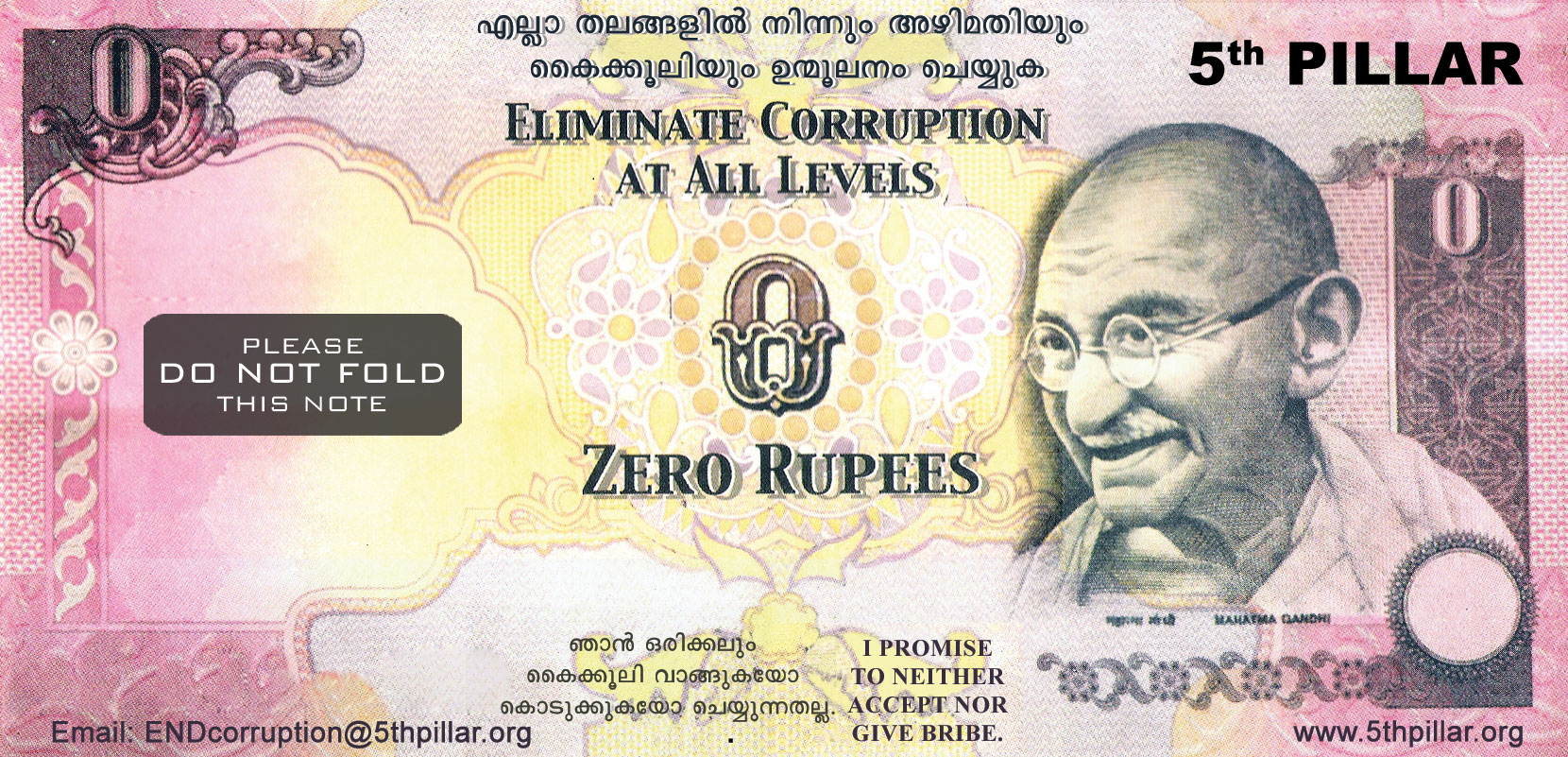
    The Zero Rupee Note - Stop Corruption
    The Zero Rupee Note – Stop Corruption

    The present system to fight corruption in India can be described in some points as below –

    1. The Anti Corruption Branch and CBI comes under the government. Despite having evidence, it is very difficult to convict people as they have to take permission from the same bosses, against whom the case has to be investigated.
    2. No corrupt officer is dismissed from the job because Central Vigilance Commission, which is supposed to dismiss corrupt officers, is only an advisory body. Whenever it advises government to dismiss any senior corrupt officer, its advice is never implemented.
    3. No action is taken against corrupt judges because permission is required from the Chief Justice of India to even register an FIR against corrupt judges
    4. The functioning of CBI and vigilance departments is secret and hence it promotes corruption.
    5. Weak and corrupt people are appointed as heads of these institutions by the government.
    6. Citizens face harassment in government offices. Sometimes they are forced to pay bribes. One can only complaint to senior officers. No action is taken on complaints because senior officers also get their cut.
    7. Nothing in law to recover ill gotten wealth. A corrupt person can come out of jail and enjoy that money.
    8. Small punishment for corruption- Punishment for corruption is minimum 6 months and maximum 7 years.

    As you can see, in the present system, there is no deterrent for any public official to engage in an act of corruption. Some of the salient features of the Jan Lokpal Bill are –

    1. An institution called LOKPAL in the centre and LOKAYUKTA in each state will be set up. These institutions will completely independent of the governments, just like the Supreme Court and the Election Commission. No minister can influence their investigations.
    2. Investigation in any case will have to be completed in one year. Trial should be completed in next one year so that the corrupt officer, or politician goes to jail in two years max.
    3. The loss that a corrupt person caused to the government will be recovered at the time of conviction.
    4. If any work of any citizen is not done in prescribed time in any government office, Lokpal will impose financial penalty on guilty officers, which will be given as compensation to the complainant. So, you could approach Lokpal if your ration card or passport or voter card is not being made or if police is not registering your case or any other work is not being done in prescribed time. Lokpal will have to get it done in a month’s time.
    5. Election of Lokpal officials – What if government appoint corrupt and weak people as Lokpal members? That won’t be possible because its members will be selected by judges, citizens and constitutional authorities and not by politicians, through a completely transparent and participatory process.
    6. What if some officer in Lokpal becomes corrupt? The entire functioning of Lokpal/ Lokayukta will be completely transparent. Any complaint against any officer of Lokpal shall be investigated and the officer dismissed within two months.
    7. What will happen to existing anti-corruption agencies? CVC, departmental vigilance and anti-corruption branch of CBI will be merged into Lokpal. Lokpal will have complete powers and machinery to independently investigate and prosecute any officer, judge or politician.
    8. The punishment would be minimum 5 years and maximum of life imprisonment.

    Please read my two poems “Fast with Anna” and “Messenger of Hope” and join in this fight against corruption. We must remember Anna and others on fast are fighting for US and OUR India

  • What is Dandi March 2?

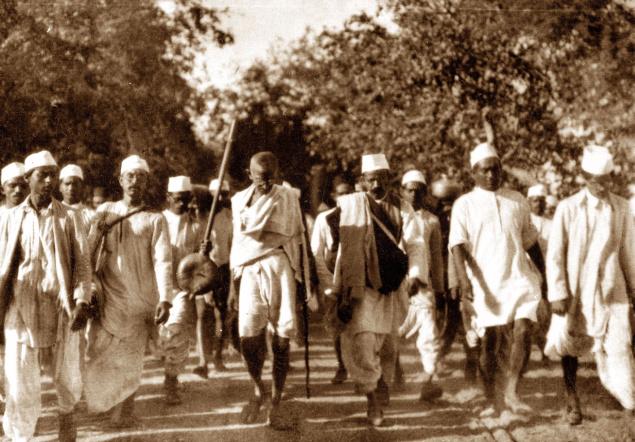
    Dandi March II
    Dandi March II

    For all those who can recall their history lessons in school, Dandi March was a 24 day, 240 mile (390 km) march to produce salt without paying the tax. It is also known as Salt Satyagraha, led by Gandhi from his Sabarmati Ashram to the sea coast near Dandi. Dandi March was a very important part of the Indian Independence Movement. It was a non-violent protest against the British monopoly of salt in India, and it triggered the Civil Disobedience Movement later. It was done from 12 March to April 6, 1930.

    Now, 81 years have passed as I write this today on 11 March 2011. We have been independent for over 63 years now, and economically independent for 20 years (since the 1991 economic reforms). But we are still not free socially. We are still not the India that Gandhiji dreamt of. An India without poverty and hunger, an India where everybody has equal opportunity to lead the kind of lives they want. We are still not free from corruption, which is one of the most menacing problems India faces in the 21st century. The Adarsh Society scam, Commonwealth Games scam and the 2G scam have rocked the nation in the recent months, causing the loss of over 60 billion dollars.

    Dandi March 2 is a march organized by a group of NRIs living in the United States of America inspired by the original march by Gandhiji. It is a 240 mile walk in the US against corruption in India from 12 March to 26 March 2011. Starting at Martin Luther King Jr. Memorial Park, San Diego, California March 12, “Dandi March II” goes through Los Angeles and ends March 26 at Gandhi Statue, San Francisco. The dates coincide with the dates Gandhi did his historic march in 1930. Every major city in US, 10 cities in India and 8 other countries are organizing support events on 26 March to extend their support for the full 240 mile walk in US. The agenda is to push the government to enact Jan Lokpal Bill which is drafted to free India from the clutches of corruption by social activists like Kiran Bedi, Anna Hazare, Arvind Kejriwal, etc.

    The 240 mile Dandi March was done in 1930
    The 240 mile Dandi March was done in 1930

    The support events on 26 March are being organized in cities like Bangalore, Coimbatore, Hyderabad, Chennai, Kakinada, Kolkata, Nagpur, Mumbai, Varanasi and Ahmedabad. In the US, Indians are walking in Atlanta, Boston, Chicago, Dallas, Detroit, Houston, New Jersey, Washington DC and Seattle, apart from the main march from San Diego to San Francisco. Internationally, support marches are happening in London, Singapore, Finland, Germany, etc. More information about the event can be found at http://www.dandimarch2.org. The route details for the full march can be found here and all the event details for different cities can be found here.

    The facebook page for the march is http://www.facebook.com/DandiMarch2?sk=info where you can find all the important information about the march. The Bangalore support march on 26 March can be seen at http://www.facebook.com/event.php?eid=194657080556635 Accept the event invite to do your bit for a corruption free India. We are walking around 15 kms in Bangalore, join us for 1km, 2km, 5km or whatever is comfortable to you.

    Dandi March 2 has already gathered the attention of media and some media coverage links are below –
    http://www.deccanherald.com/content/142306/now-dandi-march-us-against.html
    http://economictimes.indiatimes.com/news/news-by-industry/et-cetera/now-dandi-march-in-us-against-corruption-in-india/articleshow/7609505.cms
    http://www.deccanchronicle.com/international/dandi-march-us-against-corruption-india-023

  • Why aid doesn’t serve the purpose? And what is needed instead?

    Recently when I was in Delhi and roaming about with a few friends in Connaught Place, an old lady beggar approached us for money. This is a common sight across our country in prominent tourist places. Not only is begging illegal and you could be fined a Rs 1000 for giving Re 1 to a beggar,  I still remember the old Doordarshan clip asking not to encourage begging. However, it is very difficult not to give them a little money considering their condition. So this friend of mine took out a Rs 10 note and gave it to the old woman. What was wonderful to see after that was the joy of giving on my friend’s face. Her face lit up as she handed over the 10 rupee note so that it can make a difference in the old woman’s life. The woman blessed my friend with her aashirwaad and both parties went their way, feeling good about it.

    What comes to your mind when you think of ‘aid‘? Wikipedia defines aid as a voluntary transfer of resources from one party to another, with the objective of benefiting the recipient party. The parties could be individuals, companies, or governments. It could range from giving money/food to a roadside beggar, the millions of dollars western governments provide to poor countries, or the subsidies our government provides to the poor for buying essential items like rice and wheat. The primary objective of any kind of aid is helping the recipient improve their living conditions and standard of life. There may be other diplomatic or political reasons as well but altruism remain the major motivator.

    A common sight on streets of India
    A common sight on streets of India

    Now the point I want to propose is that aid actually does more harm than good to the recipient in its general form. Aid only helps in the short term, and leaves the recipient in need of more aid in the long term. This is basically a criticism from an economic point of view. Today many economists are arguing that aid actually harms the recipient party and discourage the development of the recipient. I also want to make clear that I am not against the idea of giving aid or providing help to the needy. I have always felt awe at individuals (like my friend in the above incident) or organisations who give their resources for the benefit of the less privileged. What I am arguing here is the mode of this altruism? I mention that because I think it is important to differentiate between the two.

    Aid, in its most basic form, provides for basic human needs such as food and shelter. For example, you give money to a roadside beggar so that he/she can buy food and clothing which they are otherwise unable to afford due to lack of employment or any other source of income. The government might subsidize rice and wheat to benefit the poor who have very meagre income and are unable to afford them. Again, very noble objectives! But it is important to realize that the lack of money or certain resources is not the main problem, it is only the symptom of a much bigger problem. The bigger problem is of lack of opportunities or services to avail to improve a person’s standard of living. It ranges from the lack of access to education, training and employment to the lack of social justice and equality in the world.

    When we give money and resources, we are focussing on the symptoms and not the underlying problem. It tends to make the recipient dependable on the aid and discourage any development effort to teach them new skills and enable them to seek food and money on their own merit, rather than charity. This can be illustrated by the continous sight of beggars who spend their daily collection and then are back in the same position hoping for more aid. This is also evident in people’s demand in many Indian states to remain below the poverty line because the prices of rice and wheat will increase if they cross over the BPL line. Many NGOs and social workers have also find out that ignorant villagers are discouraged from participating in development efforts by them if aid is made available by the government. Now that is an anticlimax. The same effect is seen not only in individuals but also on governments. Poor nations stand the risk of loosing foreign aid if they develop their economies on their own. Aid also encourages corruption and red-tapism in official matters making it more difficult for any development effort to actually happen.

    I am not denying the fact that immediate aid can help save a family from starvation and death, neither the fact that both donor and recipient are happy when aid is actually exchanged. And it does help in the short term. But in the long term, it only ends up crippling the recipient and it also degrades the status of the recipient in the society. The donors don’t see them as capable of earning their own livelihood and the recipient loose their self-confidence and consider themselves lesser human beings at the mercy of the donors. This inequality is the root cause of many major problems prevalent in society today. Looking at another human being as more or less than ourselves is the cause of all evils, rituals and crimes that plague the society today.

    What many, and I too, advocate is spending more money and resources in the building of long term institutions and organizations which can self-sustain without the need of aid in the long term and generate value for people and the society. This might mean spending money on building an institution rather than giving it to people for food who are obviously in need of it. This can never be an easy decision and even seem cruel, and I have always believed that tough decisions and bold leadership is required to create long term benefits and value which can sustain itself and empower the people to be independent of outside aid over a period of time.

    An exemplary example of this could be the setting up of prominent educational institutions like IITs, IIMs and AIIMS right after the independence of India by the Jawaharlal Nehru government. After Independence, there were more pressing needs (of hunger, disease) the country was facing but Nehru had the vision that long term development needed exemplary scientists, engineers and doctors. And looking back in hindsight, it is these institutions which have produced people who have contributed in their respective fields, not just in India but also internationally. Another example is the opening up of the economy in 1991, which certainly was not an easy decision at that time. It opened up our markets to foreign competition by companies who were much ahead in technology and resources. It might have caused some hardships in the short term, but it also forced our entrepreneurs to compete with the best in the world by providing the best services to customers in India as well as abroad. Companies like Infosys and Bharti are examples of long term and sustainable value being created for Indian youth while providing world-class services to customers.

    Based on the above explanation, what is required now from the Indian government and individuals is not just aid, but real effort to take bold decisions and contribute in a way that creates value even after the aid amount is over and even after the donor is gone. We are already compassionate towards the needy and their needs. This is clearly evident in the joy we get when we donate resources or give money to beggars or people in need. Going ahead, we need to look for the long term benefits and invest (not donate) our money in creating value in a way that empowers the people to take care of themselves and their families. This will give them a sense of belonging and equality with us who are more privileged to have the resources and opportunities that we have today. It will also be the more responsible and rightful thing to do for us in providing means of social and economic equality to our fellow brothers and sisters so that we can stand as equal citizens as India marches ahead in the 21st century.

  • Why our country needs a revolution like Egypt?

    The recent crisis and revolution in Egypt forced their President of 30 years, Hosni Mubarak to resign and pave the way for a civilian government. Egypt has remained under emergency rule ever since Hosni Mubarak came to power three decades ago and he has ruled Egypt with an iron fist since then. But all it took was 18 days of protests by the Egyptian public at the symbolic Tahrir square that forced Mubarak to relent to the demands. Though hundreds of lives were lost in the protests, it marks the sacrifice people have given for demanding their right to a democratic government. With the world media focussed on Egypt, and social media like Facebook and Twitter making it impossible to stop what was happening in Egypt from coming out, it was impossible to crush the rebellion as had been done in China and other countries earlier.

    In our country too, we have seen protests in the past. In fact, such peaceful protests all over the world have been inspired by none other than our own Bapu. He lead the country in peaceful protests against the British rule, inspiring leaders like Martin Luther King Jr and Nelson Mandela in the process. Our forefathers had come together and raised their voice in unity for their right of self governance from the British. We can say that we have inherited the ability to protest peacefully to demand our rights from the government. After independence too, we have seen protests during the emergency period in the 1970s and the recent anti-reservation protests in 2006 where students marched against the governments decision to implement 27% caste based reservation in educational institutions.

    Today we live in a democratic country. As a country, we are governed by the constitution which was framed in 1949. Unlike Egypt, we have a government which is answerable to its citizens, and which in fact is chosen by its citizens. Our democracy, as with most democracies, came into being after an era of protests. Protesting for our rights and for what is rightfully ours is not only within our rights as per the constitution, it is also our duty as responsible citizens. Considering the current state of our society which I have mentioned in previous posts like “The India of Today” and “The Irony of living in India”, we more than anyone else need a public uprising and peaceful protests under the principles of Gandhi and Nehru. We have an obligation to our forefathers, and to our children and grand children, to give them an India which our forefathers dreamed of. And there is no reason we can not make the current government and its officials accountable for their responsibilities towards the nation.

    Although the principles of such a revolution will be the same as followed during the Independence struggle, the objective would be very different. India protested against a foreign rule before Independence, for the right of self-governance. However, right now we have self governance, but any protest will be to stop the rampant corruption in the system and ensuring our constitution doesn’t only remain a text. The protest should be to make the government officials accountable to the people and to the constitution. The protest could include appealing to the courts, making use of the law as it exists today to make sure we are not denied of our fundamental rights. If these modes of protest won’t work, we can turn to public protest. This can be in the form of strikes, civil disobedience or plain old gatherings to make the government take notice.

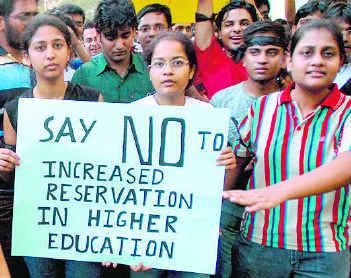
    Anti Reservation Protests in 2006
    Anti Reservation Protests in 2006

    We have seen some protest in the last decade, like after the Jessica Lall murder case, after the reservation decision by the HRD ministry, after the Mumbai terror attacks and most recently, in Jammu and Kashmir. All these protests have been triggered by some event or tragedy which has shook the nation emotionally. However, the rampant corruption and neglect of civilians by the politicians and babus has continued ever since independence. They are supposed to be public servants and at the service of the common people. But they have gotten into the skins the Britishers left behind and never treated their jobs as a service to the nation.

    Having said that, we have no right to blame the government being in a democracy. We have elected this government by our own votes, and we have the power to overthrow it the next time. We give excuses to ourselves by saying that all parties are the same and nothing can be done. By thinking so, and suffering silently at the hands of the government, we are not acting as responsible citizens either. Only responsible citizens have the right to have a responsible government, and I think we have ourselves to blame for our condition. If we don’t give bribes no matter what the cost, our officials can’t be corrupt. If we don’t sit silently over the injustice happening around us, it would never give confidence to the wrong doers to continue their act. What I am trying to say that we are equally responsible for our condition, and its not only because of the government or the babus or the system.

    A symbolic image of the 2006 protests
    A symbolic image of the 2006 protests

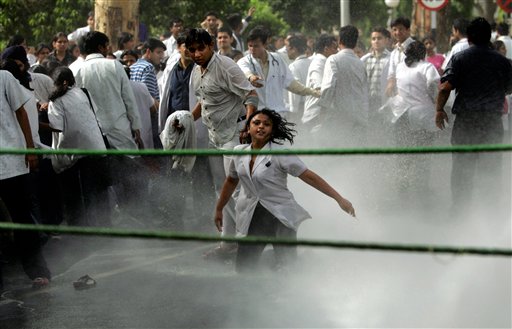
    A protest against this has to start with ourselves. We need to act like model citizens as the first step of our demand of an accountable government. We need to stop giving bribes to corrupt officials, we need to stop being resigned about our government and take legal actions in case of any injustice. We need to take the means which are written in the constitution and follow our fundamental duties to be rightful claimants of our rights. Now, as with every protest, we have to bear some hardships and give some sacrifices in order to gain what we want. There might be times, when the government/police try to forcefully threaten us under the guise of law and order. But we have to stood our ground, and suffer patiently without being aggressive as a sacrifice for our future generations.

    We have to follow the same powerful principles which the Father of the Nation, Mahatama Gandhi advocated. We have to hate the sin, and not the sinner. We have to smile at them, treat them with respect, even when they shout at us, beat us or threaten us. We have to follow what Gandhi said, “There might be reasons for which I am willing to give my life for, but there is no reason I am willing to kill”. We have to abjure from violence at all costs, and violence means all kinds of aggression. Not just the aggression from our actions, but aggression from our heart. When our fellow Indians could make this work against the Britishers, why can’t we act with compassion with our officials, who are after all our own brothers and sisters. We have to follow his words “The weak can never forgive. Forgiveness is the attribute of the strong” as we go about being responsible citizens.

  • The India of Today

    We, as a country, are passing through exhilarating times. The country has made tremendous progress in almost every sector in the last 20 years. Our GDP growth rates is one of the highest in the world, and tipped to beat China by 2015. A large percentage of our population is young and beaming with confidence. A recent survey showed Indians are among the most happy people and with a positive outlook towards the future. You can sense this on people’s faces when you step out on the roads. Whether it is the lower class Indian, or one from the many segments of our huge middle class, you can sense a feeling of purpose to their lives. They are working hard to make the future of their dreams come true. Even during the recession, our industry leaders were confident of an outstanding economic future for India.

    Technology has led this resurgence of a new India. Our software industry has made the whole world stood up and took notice. Many of our companies can be found in global rankings. High performing individuals and entrepreneurs have proved themselves, over the world. The alumni of the IITs are respected even outside the country. They have excelled in their chosen field and send huge amounts of money back to India. Our diaspora accounts for one of the highest remittances to their home country. Our space program has made tremendous progress. We are launching satellites of many European countries too, and have our own mission to the moon. We have missiles with long range capability from land, air and sea alike. We are capable of defending ourselves, and the world views us as a responsible nuclear power. Our telecom industry has connected the nook and corner of the country like never before. And we have the lowest prices for telecom anywhere in the world. Our medical technology is second to none, with people from the West frequently coming to India for their medical needs as well as tourism.

    In the world of sports, we have had some distinguished names too. Sachin Tendulkar has broken almost every record of batting in both Test and One-Day cricket. We have seen legends like Anil Kumble, Rahul Dravid, VVS Laxman, Saurav Ganguly in the last decade and it has changed the way our cricket team is perceived by the cricketing world. We have moved from underdogs to Number One in Test and Number Two in One Day rankings. Vishwanathan Anand has been winning World Chess Championship for many years now. Sania Mirza in Tennis and Saina Nehwal in Badminton have made a name of themselves and set an example for women athletes in India. Pankaj Advani and Geet Sethi are among the best in Billiards and Snooker. Abhinav Bindra won the first individual gold medal in the Olympics. Our performance in the recently concluded Commonwealth Games was our best ever.

    The Gap in Today's India
    The Gap in Today's India

    In arts, our movie industry is the largest movie churning industry in the world. Our actors are going international now, with Irfann Khan and Anil Kapoor leading the way. Aishwarya Rai has already made her mark on the international scene. Amitabh Bachhan, Aamir Khan and Shah Rukh Khan are well known outside India. Indian movies are screened across almost every country in the west today. AR Rehman, Gulzar and Rosul Pookkutty have just won the oscars. AR Rahman’s credibility is known on the international scene. Indian writers such as Salman Rushdie, Arundhati Roy, Vikram Seth, Kiran Desai and Arvind Adiga have sold more books and won more prizes outside the country. Kiran and Arvind have won the Man Booker Prize in the last 5 years.

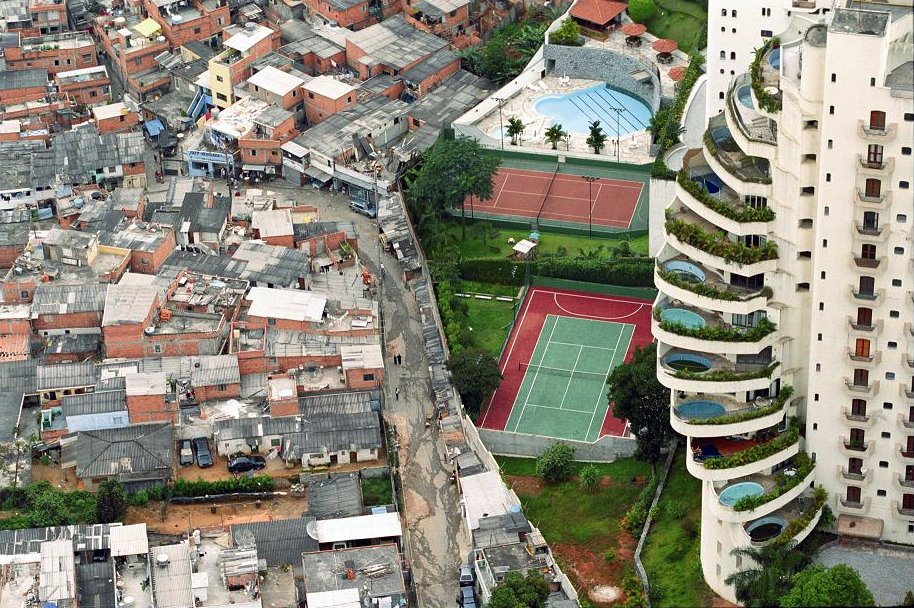
    However, most of India and Indians are still not a part of all these accomplishments. We have not achieved much progress on the dreams of our founding fathers, the dreams of eradicating poverty, illiteracy and ill-health and empowering one and all to achieve the best they can. It is hard to believe that despite of all the progress and advancement in technology we have the largest pool of poor in the world. That we have 350 million illiterate people in this information age speaks volumes of the gaps we have created in our society. We have 128 million people who don’t have access to drinking water and a whopping 839 million people don’t have access to sanitation. More people in India have a mobile phone than access to toilets, showing the irony.

    Health facilities and health awareness is almost nill if go away from the major cities. There are 1600 deaths daily from diarrhea and 750 from TB, both totally curable and avoidable by international standards. We have the best malls with the best brands for food and dining, then why are 51% of Indians malnourished? We export the best engineers to the whole world, then why does our primary schools suffers from a lack of teachers? While we have sprawling mega cities coming up, why do we still have so many homeless people? Delhi can boast the best airport and metro rail in the country and many other cities are following suit, still why even basic infrastructure like roads, power, water is missing from rural India? When our urban youth can choose from Nike or Adidas or Reebok shoes, why do 800 million Indians live on less than Rs 2000 per month, and 300 million live on less than Rs 550 per month?

    These two views of our country have often left me bewildered. Gandhi and Nehru dreamed for an equal society with social and economic equality for all Indians. While we have made tremendous progress, the gap between the rich and the poor have only widened. In the first 40 years of independence, Nehruvian politics, inspired from Russian model of governance, miserably failed to alleviate the social status of Indians while the whole world marched ahead. Opening up of the economy in 1991 allowed India to make whatever progress it has made today, but has made very little difference to the rural and unprivileged sections of the society.  Corruption in politics and lack of bold leadership has created a vacuum for somebody who could champion the cause of the neglected Indian.

    Having said that, I believe that with the kind of optimism around, all this can change, and within my lifetime itself. In the next 20 years, we will add 241 million people in working age population, compared to Brazil’s 18 million and China’s 10 million. Japan will lose 13 million in the same period. I am totally confident of the ability of 241 million optimistic, confident youth to change the future of our nation. The youth of India needs to take motivation from the famous words of George Bernard Show “Some men see things as they are and ask why; I dream of things that never were and say, Why Not?” Our youth needs to stand up to the challenge of what lies ahead and make this nation a better place to live in. And to make any change we need great leaders, who can dream big and execute their visions in reality. This might be a long journey of hard work, commitment, confidence and sacrifice, but can give us the sweet results of prosperity, justice and equality which our fore-fathers dreamed of.

  • RTI Information Needed

    Hi all, an incident happened with me two weeks ago which I would like to share with all. I think using the Right To Information (RTI) act will help me in this, but I have no idea how to go about it or whether it is even possible or not.

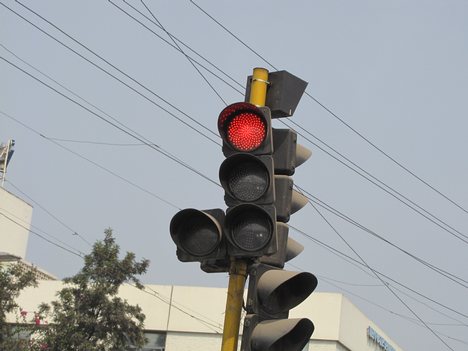
    Two weeks ago when I was coming back to my home after work, I took a left turn at a traffic signal. The crossing (at Domlur) does not have a free left so I took a left only after confirming the green left signal. As soon as I took the left turn, a traffic cop stopped me for jumping the signal. He asked me to pay the Rs 100 fine but as I was sure that I had turned left only after confirming the signal, I refused to pay the fine. He told me that I had jumped the signal and explained to me by taking me back to the signal. He mentioned that it could be that I saw the green signal some 100 m before the signal and didn’t bother to check it just when I was at the signal. It was basically my word against his. I asked him if I refused to pay the fine, what else could be done to verify whether I had actually jumped the signal or not.

    traffic signalThe traffic cop then explained to me the process of giving a notice after which I had to go to Mayo hall office and get it confirmed via a camera situated at the signal. In this case, if I am proved right, I will not have to pay the fine or else I have to pay Rs 400 fine if I was wrong. I further enquired about how soon did I have to go to get the notice verified, to which he replied, within 48 hours. As I had other commitments over the next two days which I could not miss, I had no other option other than to pay the fine. So I paid the Rs 100 fine and got the blackberry receipt which is the norm now in Bangalore.

    Now I have the receipt which has an ID, the violation, the place and my vehicle number. But I still want to confirm whether I jumped the signal or not. And since this is an auto-generated receipt with an ID and time, there must be a way to get this record and verify the same. I am sure the RTI act can be used for it. But I have no idea about how to go about submitting an RTI application, or whether it would be even applicable in this case or not. So if anybody knows about how I can go about in this situation, please contact me so that I can pursue the matter further.

  • Trends!!

    Sometimes I wonder,

    How much of our lives these days,

    Are lived following the trends,

    Which the society follows as a craze!!

    Why do when people have to talk,

    It is customary to go for a drink?

    We land up somewhere too loud,

    Where you can do anything but talk!!

    Why is the Rs 50 coffee so popular,

    The only thing is you can talk for hours!

    What happened to sitting and eating,

    At a place which we can call ours!!

    Why doesn’t it pain to tip Rs 50-100,

    At a high end hotel, restaurant or bar!

    Then why does it pain to contribute,

    The same amount for a good cause!!

    And how much do we indulge in,

    Pleasing our taste buds by mindless eating!

    Do we no longer care, or do we lack,

    The self-power to deny anything appealing!!

    Why is it ‘cool’ to spend more,

    At a place which is high end!

    It is time to ask ourselves,

    Do we live only to follow the trend!!

    Its amazing how much of our lives,

    Is affected/governed by outside influence!

    God knows what happened to traits like,

    Self-control, discipline, and abstinence!!

  • School dropouts and toilets

    I yesterday (27 Dec 2010) watched the live webcast of IIMA Conclave, an interaction between Narendra Modi and IIM A alumni at Ahmedabad. It is no secret that Gujarat has made tremendous progress under Narendra Modi in the last 10 years. It could be highlighted by a remark by Mr Ratan Tata – “You must be stupid if you are not (doing business) here (in Gujatat)”. The speech today from Narendra Modi was as always, very inspiring and full of facts, rather than promises. After the speech, there was a Q & A session with the audience and there was one specific question and its response which I am going to share in this post.

    The question was about school drop out rates in Gujarat. Interestingly, Narendra Modi answered this question by sharing the progress Gujarat has made in this regard. He said that when he took over the Gujarat governance for the first time in the year 2000, the drop out rate was 20% (from Std 1 to 5). After interviewing girl students, their parents and school staff, it was found out that the schools didn’t have separate toilets for boys and girls at that time. And sometime from Std 1 to 5, the girls started getting conscious about using the same toilets as boys, and they started to drop out of school instead.

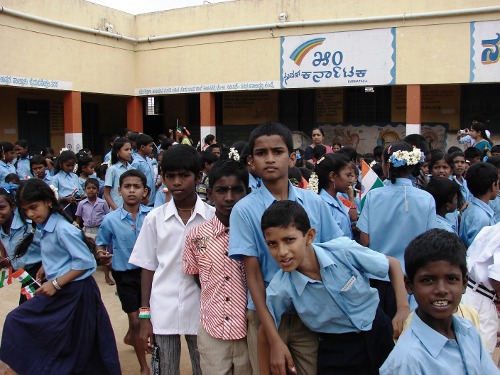
    School Children in a government school in Bangalore
    School Children in a government school in Bangalore

    What Mr Modi pointed out after that is he put up a huge plan of constructing separate toilets in schools at a massive scale. He used to supervise this himself and got weekly reports about how many toilets have been built since the last week. He mentioned they built some 40,000 toilets in the years to follow. And the results speak for themselves. The drop out rate fell to 5% in 2005 and 2% in 2010, which is nothing less than amazing. He further said he aimed to reduce this to zero very soon.

    Whats commendable here are not only the results, but also the openness to understand that school toilets could be the reason for children dropping out of schools. Once identified, a plan was made and executed ferociously, unlike in other government schemes in various parts of the country. Kudos to Mr Modi and all the Gujarat government and education officials involved in this. It will make a huge difference to the prosperity of Gujarat when these students pass out and join the mainstream.

  • Why India’s rural development is important for the nation?

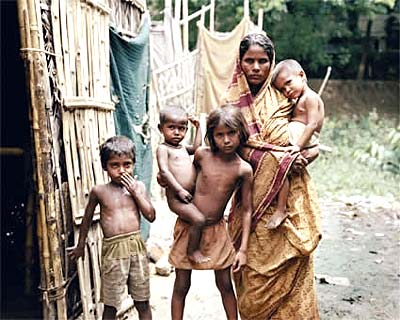
    India lives in its villages, and while the cities have grown immensely over the last 20 years, rural areas have not seen that kind of development. For India’s economy to be strong, the rural economy needs to grow. Rural areas are still plagued by problems of malnourishment, illiteracy, unemployment and lack of basic infrastructure like schools, colleges, hospitals, sanitation, etc. This has led to youth moving out of villages to work in cities. This could be compared to the brain drain from India to US. Our villages need to grow in tandem with cities and standard of life has to improve there for inclusive growth to happen. If rural India is poor, India is poor.

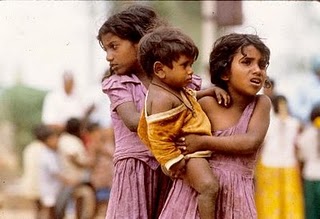
    Poverty in Rural India
    Poverty in Rural India

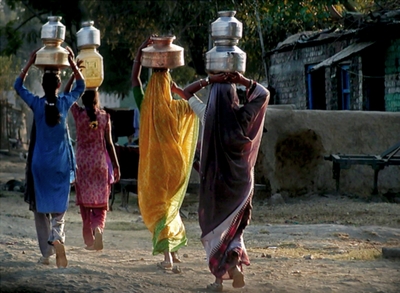
    India lives in many generations, and visiting rural areas very easily shows that they lag behind cities by decades. While we have latest services and products available in our cities now, villagers are still coping with age old products. It is easy to see the rising disconnect between cities and villages. Some examples are –

    1. While we have international fully air conditioned schools in our cities, the schools in villages still don’t have benches and chairs, leave alone computers. We have a huge shortage of teachers in rural areas, and the school drop out rate is huge.
    2. In cities, we have wide roads, flyovers and underpasses while many villages still don’t have proper roads. Urban-rural road links can play a vital role in rural growth.
    3. Employment opportunities are hardly there in villages which forces youth to move to cities creating imbalance in the ecosystem and leaving the villages deprived.
    4. While we may have numerous hospitals, nursing homes and medical facilities in cities, villages neither have health awareness nor health facilities. See the condition of major hospitals like AIIMS to know how many villagers have to flock to cities for even basic treatments.
    Women fetching water from kilometers away
    Women fetching water from kilometers away

    Apart from the above options, villages need to have –

    1. Proper land reforms to make sure land is held, owned, cultivated, irrigated to make the most efficient use and maximum output.
    2. Rural credit – Banking services need to be popularized and credit should be available for basic services like agriculture.
    3. Electrification – Many villages still receive only 2 to 6 hours of electricity per day which needs to drastically improve to empower the villages of India.
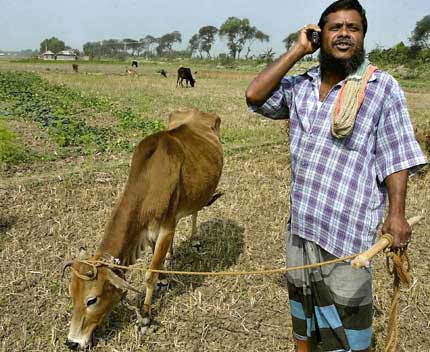
    Mobiles have empowered rural India
    Mobiles have empowered rural India

    Basically, what we need is to empower the rural people by providing them education and proper health care. They need to have infrastructure like electricity and water so that they are free from the cycle of droughts and floods. We need to give them self-employment so that they want to stay in villages instead of migrating in cities. There is a need to empower the villagers, and not just supporting them by food subsidies, loan waivers which end up crippling them. India will grow only when rural India marches hand in hand with cities in the twenty first century.

  • No Waste – Call for Action

    No Waste

    In my last few posts, I have already written about “What happens to our waste?” and “What can we do about it?” If you have not already read those posts, read them now before continuing. In this post, I am going to list down a ‘call to action’ plan where I intend to implement dry waste segregation, collection and recycling in residential apartments across Bangalore and Delhi/NCR. I am already involved in some waste management related activities in Bangalore for the last few months. Apart from that, I am participating in Landmark Education’s Self Expression and Leadership Program (SELP) and as part of that, I have to do a community project. So I am taking this up to fulfill both the above objectives…

    What I want to accomplish is to implement dry waste segregation at source (into paper, plastic, others) in residential apartment complexes and ensure the segregated waste is sold to the recycler. This will reduce the waste going out to landfills by a good percentage (60-80%) and also generate income for the residential apartment. This income can be used in the welfare/salary of the housekeeping staff in these apartments. So lets get to the plan now and see how do we go about executing the “No Waste” initiative –

    Step 1 – Talk to the group managing day to day affairs of the apartment and educate them about the “No Waste” initiative.

    Step 2 – Do a door to door educational / awareness campaign educating the residents about the need to segregate waste and its advantages.

    Step 3 – Distributing colored bags for three different levels of segregation of waste. Step 2 and 3 can be clubbed together.

    Step 4 – Doing weekly collection of the segregated dry waste (every Sat/Sun) from the residents, educating the residents at the same time if they have not done it properly, or educating the households which are not participating.

    Step 5 – Organizing a event where residents / maids / housekeeping staff will be educated about the need for waste segregation. Some NGO will come and readily help us with this. Can be done independent of the other steps.

    Step 6 – Storing the collected waste in the apartment complex, where it can be picked up by the recycling company or some NGO where it can be recycled. This can be done on weekly or fortnightly basis depending on quantity of waste generated.

    Step 7 – Revenue generated from selling off recyclable material can be used to promote the campaign and to pay the salary of the housekeeping staff involved in the same.

    Lets stop dumping our waste into landfills
    Lets stop dumping our waste into landfills

    So it will be a win-win situation for all. It will be good for the environment as the waste going to landfills will be reduced drastically. It will be good for the industry as it will get recyclable paper/plastic for use as raw material and reduce their input costs. It will be good for the housekeeping staff as it will generate income from the sale of recyclable material which can be used for their welfare. The only thing required is a little effort from our side. So lets join hands to make this a reality.

    So if you live in an apartment complex and want to implement this there, get in touch with me. If you know anyone who is willing to take this up, get me contacted to that person. And if you want to be a part of this project but don’t live in an apartment, there is still a lot you can do, so get in touch with me. You can call me at +91-9916532966 or ping me online.

    Current Status – Step 1 and 2 have been done in many (8+) apartments and all steps (till step 7) in around 5-6 apartments. Kudos to all those involved!!

  • What can we do about our waste?

    This is my third post on my “No Waste” initiative. Do read “What happens to our waste?” if you have not already done so. In this post, I will list out the eco-friendly ways we can dispose off our waste so that all the harmful effects can be minimized. They are very easy to implement, and can generate revenue and employment for people too!! Some of the most important things to know about waste management are –

    1. Segregation at source – Segregation at source means separating our waste into dry, wet and toxic waste at the source. Which would mean keeping the dry waste (paper, plastic, glass) separate from the wet waste (leftover food, fruit peels, other kitchen waste) and toxic waste (medical waste, e-waste). When we separate our waste and store it separately, it becomes very easy for the next step to kick in. Dry waste can be recycled and reused, Wet waste can be turned into compost and all toxic waste can be disposed off safely. When all these are mixed, neither recycling nor composting can happen and we end up polluting our atmosphere, soil and ground water.

    2. Recycling of Dry Waste – Dry waste (paper, plastic, glass) must be further segregated after which they can be sold to the recyclers who will recycle the materials. But as this is only possible if we properly segregate all dry waste, making segregation the key. This sale of dry waste can generate some income for the household, in addition to the fact that this waste will now be recycled and not just dumped in landfills.

    3. Composting of Wet Waste – All wet waste (kitchen waste, left over food) can be turned into nutrient rich manure by a process called composting. Composting is the natural decomposition of food waste into manure which can be mixed with the soil to enrich it. It can be used in our home gardens, thus preventing our expense on fertilizers and chemicals.

    As you would have seen, if we implement the above steps in our households, we can reduce the waste going out to landfills totally (or by 80-90% atleast). Thats why the term “No Waste“. And yes, it is that simple. Nothing complex. And its a win win situation for all. It will generate employment for people involved in waste collection and recycling, generate income from the waste sold, prevent the expenditure on fertilizers and reduce the waste going out to landfills drastically, thus resulting in a greener planet.

    The only thing required here is an initiative to educate people about this and implement this. It has already been successfully implemented in a few places in Bangalore, like Diamond District, Sadashivanagar, Christ College, etc. I am working on a “Call to Action” plan and will be out with it shortly which will give the opportunity to like minded citizens to take bold leadership initiatives in their localities/apartments to implement a “No Waste” plan and do their bit in proper waste disposal.

  • She is a Woman

    We blame her for being emotional,
    And we make fun when she cry!
    But we forget she is the reason,
    Most times our face is lit up by a smile!!

    We have never given her ,
    The place in society she deserved!
    Yet she makes sure that everyone,
    Feels taken care of and loved!!

    We often blame her,
    When she gets mad for small things!
    It’s only due to her knack for perfection ,
    That many a men have prospered like they have wings!!

    We say we don’t like it,
    When she disrupts our game of soccer!
    But lets be honest and acknowledge,
    We love it when she growls in anger!!

    We want her to love us,
    Like we are Salman Khan!
    While Salman has six packs to show,
    Our belly resembles the sand dunes of Rajasthan!!

    We often wonder,
    Can’t she ever be quiet?
    But to hear her voice when away,
    We can keep everything aside!!

    She is like the sudden rain,
    Will make you wet, but with a tinge of warmth!!
    We can say how much she loves us,
    But can never really understand its depth!!

    Because no matter how much,
    We take pride in being a man!!
    She is a woman my dear friend,
    She is a Woman!!

anger anna hazare bangalore business challenge coaching conflict conversation corruption Cricket culture dandi march emotions energy friends fun gandhi giving gold growth hope india jan lokpal bill language leadership lessons Life listening love moment mother movie new year people perspective poem sachin tendulkar saleraja trust values walk waste women words world cup