Leadership and Management

  • 6 Reasons People Are So Unhappy At Work

    According to this study cited in Forbes, more than half of the US workforce is unhappy. Gallup surveys show that nearly two-thirds of employees are disengaged at work. In my own experience of the last 15 years and the numerous stories I have heard from people in multiple countries, I have heard and witnessed the same.

    Why do we wait for Fridays and not Mondays? Irrespective of where we work, why do we think that our ‘real life‘ starts after work in the evenings and on the weekends? Why is work usually associated with stress and not joy? Why do we have to use our time after work to recover from what happened at work? Why can’t work be fun, satisfying, and enriching? Why can’t work nourish and enrich our lives, rather than making us sick?

    I think the current state of work, and the continuous stress and exasperation associated with it, is because of the below 6 reasons:

    1. New Work, Old Practices

    We are still managing our teams and people like we did over a hundred years ago. We continue to use the same systems and processes for employee motivation and performance management which were used for manual and rote work in factories.

    People are no longer operating assembly lines. And the tasks they do are not what can be done by following step by step instructions. The over a century-old process we continue to use today can result in obedience and compliance but never in engagement and loyalty. In the factories, there was never a concern for people’s mental and physical health, as everyone was replaceable.

    The current management theories have evolved from the Scientific Management movement by Frederick Taylor over a century ago. This method focussed on efficiency and achieved performance improvements by standardizing processes, paying for productivity, and continuous monitoring of factory workers.

    Today, when people rarely work in factories, and when we use our minds more than our hands to work, the scientific management philosophy fails to value the people as individuals. This results in psychologically unsafe environments, where cognitive work is inhibited rather than encouraged. If we continue to use the old management practices in the current age, motivation, productivity, and workplace satisfaction will continue to suffer.

    “There is little success where there is little laughter.” – Andrew Carnegie

    2. Treating People Like Tools And Resources

    We have totally ignored the fact that the work we do today is highly creative and knowledge-based, and doesn’t resemble how we used to work just 3 or 4 decades ago. This leads to people being treated as tools and resources, and nobody likes to work in a place where they are treated like a machine.

    People need to be led, and that begins by caring for them, listening to them, and working together to create a trustworthy and psychologically safe environment. Good leaders and companies understand that, and they show their “care” by caring for what their people care about. This has resulted in many employee-friendly practices in companies like Google, Whole Foods, Tata Group, Starbucks, etc which we unheard of just a few decades ago.

    These companies understand that employees are their most important stakeholders and not replaceable like tools and machines. They also realise that a totally new level of commitment and productivity is unleashed when people care about their work and see them as owners rather than workers.

    3. Lack of Leadership

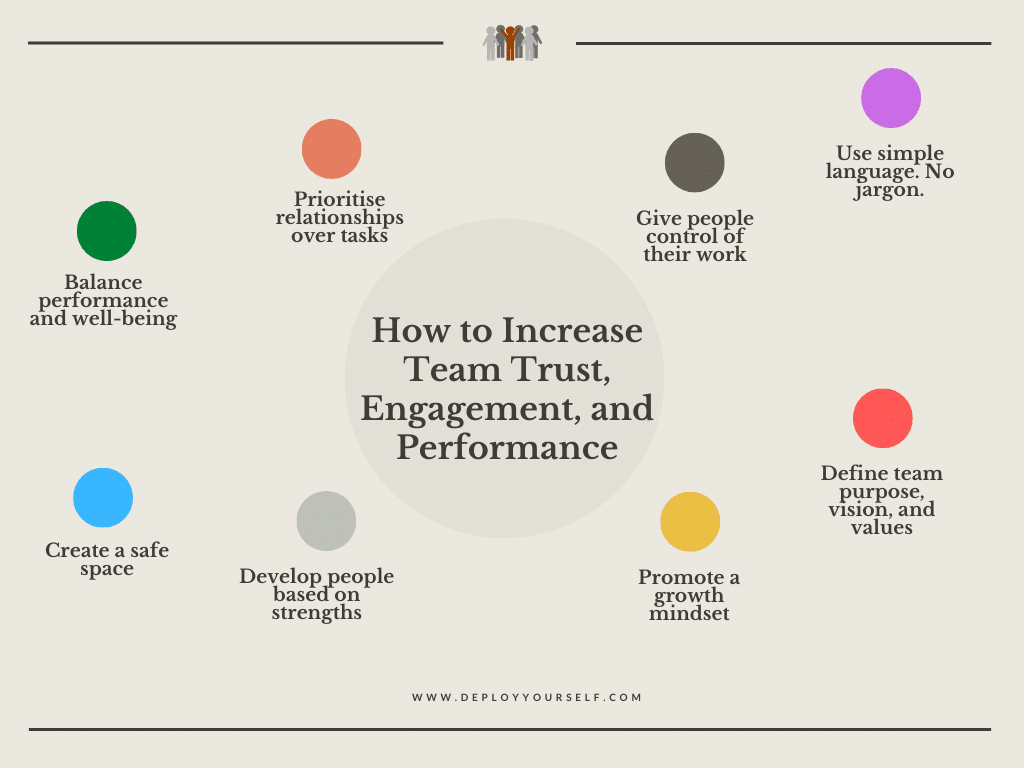
    People today crave freedom and autonomy, and they want to work in a place where they are cared for. They want to be part of a larger vision, and to make a difference. They want to feel proud of what they do and how they do it. The sooner leaders of all companies understand this, the sooner we can create a workforce that is not only highly productive but also healthier and happier.

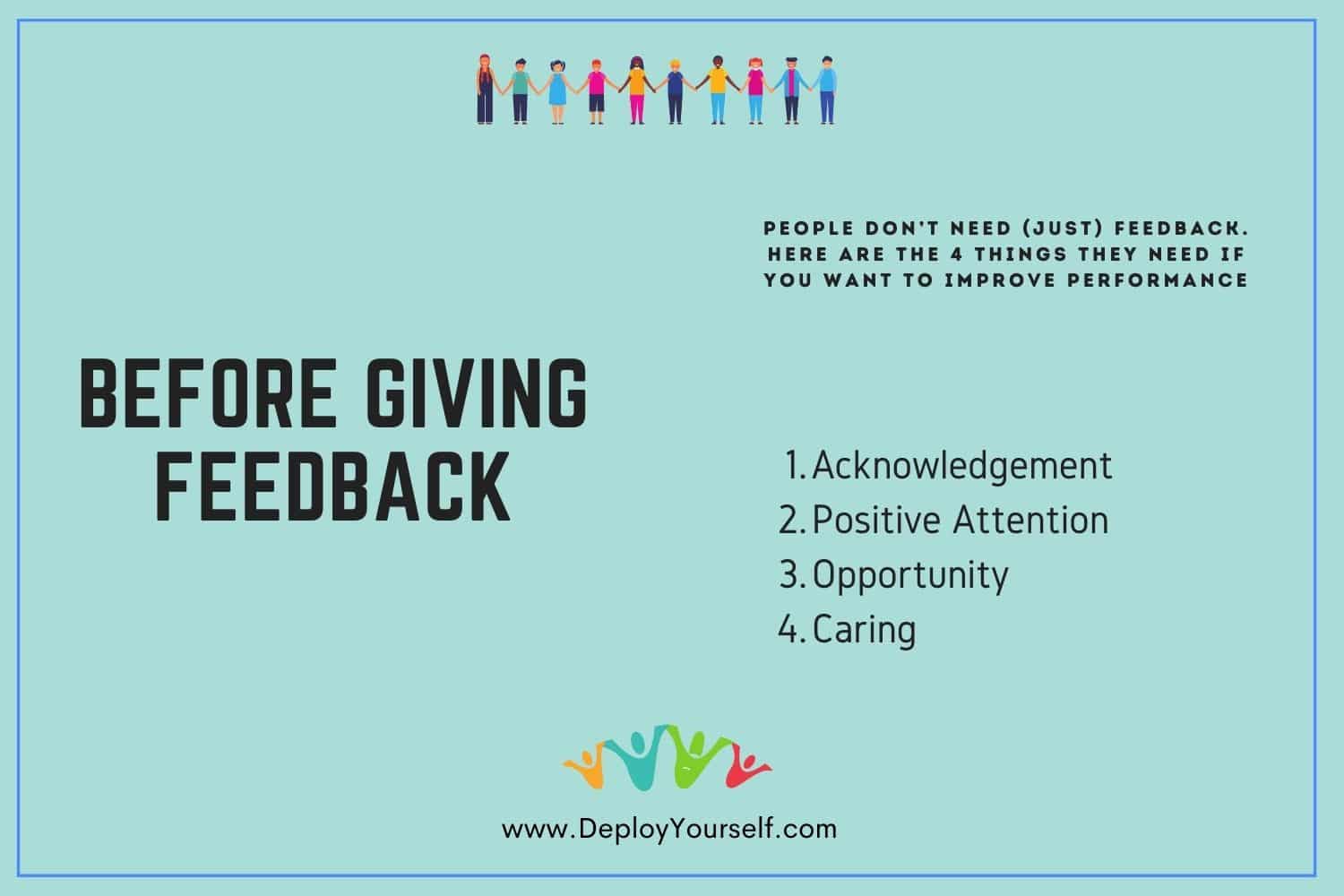
    People today want to be acknowledged and appreciated for the hard work and effort they put in. 79 percent of people who quit their jobs cite ‘lack of appreciation’ as their reason for leaving. Good leaders show genuine appreciation, warmth, and gratitude for employees’ hard work, and never treat their employees like “resources”.

    People don’t need feedback (which leaders and managers are always ready to provide). Instead, they need attention, acknowledgment, and autonomy to do their work without unnecessary rules or supervision. Good leaders create a culture driven by universal principles that permeate the culture of the company, and where everyone sees beyond the ‘productivity at all costs’ mantra.

    “When people are financially invested, they want a return. When people are emotionally invested, they want to contribute.” Simon Sinek

    4. No Or Very Little Management Training

    In a recent study, 58 percent of managers said they didn’t receive any management training. This leads to the sad reality of bad management. Most of the managers found in the industry today don’t know how to lead. A Harvard Business Review survey reveals that people trust strangers more than their own boss. Isn’t that not only disappointing but also sad?

    Understanding human behavior and basic psychology is not rocket science, yet it appears so. In the last few decades, we have created highly sophisticated interview systems to interview knowledge workers like software engineers, product owners, data scientists, etc. Yet we continue to hire or promote people to management without any specific training and qualification criteria.

    It is no doubt people hate and lack trust in their managers when they are rarely trained in basic concepts like emotional intelligence, human psychology, and the various cognitive biases that form the basis of every decision we make. Any decision a leader or manager can impact the productivity of tens or hundreds of people, and hence it is imperative that we train and educate our managers in the latest behavioral and psychological research.

    5. Lack Of Downtime

    Many of us work in companies where time off is discouraged by peer pressure or because of a fear of falling behind. Because of this people don’t take the leaves they are entitled to and pile up work which they often continue in the evenings or on weekends. All of this results in an unsustainable health impact over the long term, leading to stress and burnout.

    Research has shown that productivity declines beyond a certain number of hours worked per week, and more hours doesn’t mean more output. People sit in offices and continue working from home to maintain appearances, which slowly takes its toll on mental health and people’s quality of life.

    Adopting a less hectic schedule and allowing people to prioritize personal time can improve ‘flow’ and productivity at work, not to mention health and well being. Some companies are already taking steps (like banning after-work emails) to discourage the always-available culture to help people relax and recover from any stress gathered during the day.

    Downtime allows people to be more productive, not less, as people come back rejuvenated for another day of “deep work.”

    “Most people chase success at work, thinking that will make them happy. The truth is that happiness at work will make you successful.”
    – Alexander Kjerulf

    6. Unhealthy Eating Practices

    You can’t be happy in an unhealthy body. Yet the way we work encourages many bad eating habits. In many modern workplaces, sugary drinks like cookies, chocolates, cakes, cold drinks, candies, etc are available on every floor – for free. Due to the constant rush of never-ending meetings or tight deadlines, people tend to eat unhealthy food, which they often bring to their desks. Many even skip lunch and just gulp one caffeine drink after another to get through the day.

    This constant pressure during the day often leads to smoking and alcohol intake during the evening hours to relieve stress, which further impacts the quality of sleep. All of this leads to a vicious circle of unhealthy eating and sleeping practices which results in people gaining weight and explains the increased presence of heart disease and diabetes in our society today.

    Research has shown that workplace canteens ‘treat’ employees with foods like pizza, soft drinks, brownies, and pies. They are filled with salt, sugar, fat, and a lot of empty calories. Over time, this adds up and results in a multitude of diseases and long-term health impacts. Just one high-fat meal, research has shown, can turn healthy red blood cells into small spiky cells, which leads to heart disease.

    It goes without saying that food has a direct impact on our cognitive abilities and productivity. It is much easier to munch on chips and cola when we are mentally drained as our self-control ability also goes down with mental tiredness. Companies and leaders can help ease this double whammy by encouraging healthy food options that will lead to more motivation, energy, and productivity; rather than leading to diseases like obesity, type 2 diabetes, and heart ailments.

    Conclusion

    Factors like lack of health insurance, erratic shifts, job security, lack of autonomy and freedom at work, etc will continue to make people not just unhappy and unproductive, but also physically and mentally sick. Research indicates that being exposed to these factors contributes to about 120,000 excess deaths per year in the United States alone.

    An unhappy workforce causes employee disengagement and low morale, which undermines stock prices, profitability, productivity, and innovation. It is not good for anybody, yet companies continue to use these practices. Companies need to see employees as equal (if not more important) stakeholders to their customers and shareholders and treat them as such.

    As long as business leaders continue to treat people like tools, people will continue to be unhappy at work. There is enough research today to show that creative ideas flow easily and we are better at problem-solving and decision-making in a happier state of mind. Watch the “Happiness at Work” documentary below to find out how work pressures have continued to affect our health and well-being.

    References

  • How to Expand the Capacity of Your People and Enable Them to Do More Than They Think They Are Capable of?

    People are often capable of far more than we realize. It is not uncommon for people to work below their true potential (Kaplan, 2008). With the right knowledge and tools, we can learn to expand the capacity of our people, and get them to perform at a level they themselves never thought possible. Just as your company cannot succeed without the right employees, your employees cannot succeed without the right support.

    If you have worked for any company, you would know that high potential and high performance isn’t always in alignment. Identifying an underperforming high-potential employee is an invaluable skill for any manager to possess (Westfall, 2019). A skilled manager can expand the capacity of their people and unlock their hidden potential.  A good leader can unlock this hidden potential by asking the right questions, working to build an atmosphere of mutual trust and respect, and providing opportunities to go above and beyond.

    Workplace culture is an extremely important part of any organization, especially when it comes to the performance of people. A good culture within a company can help people to work at their full capacity (Bennett, 2019). Similarly, an adverse culture can have the opposite effect, pulling everyone down.

    “At critical moments in time, you can raise the aspirations of other people significantly, especially when they are relatively young, simply by suggesting they do something better or more ambitious than what they might have in mind.  It costs you relatively little to do this, but the benefit to them, and to the broader world, may be enormous. This is in fact one of the most valuable things you can do with your time and with your life. ” – Tyler Cowen

    But how does one go about establishing a culture where people perform at their highest levels? If you are a manager or a leader, the below steps are for you:-

    9 Ways to Expand the Capacity of Your People

    1. Understand Them as People

    People value being recognized as individuals, and not just as tools and resources to get a job done. It is important to build a strong manager-employee relationship if you want to increase their engagement and retain them (Markos & Sridevi, 2010). Furthermore, a report by The Towers Perrin Talent Report (2003) listed “senior management’s interest in employees’ well-being” as the key drivers in work-related performance.

    Evidently, getting to know your people is a worthwhile exploit but how is this best achieved?

    Scheduling regular one-to-one meetings is a great starting point. Each meeting is different from the last but the overall outcome will be a deeper understanding of your employees as people and a stronger working relationship.

    Topics of discussion during any such 1-on-1 meeting can include upcoming projects, work-related concerns, or personal updates. Possible questions which may elicit particularly useful responses are as follows:

    1. What concerns do you have at work?

    2. What do you find especially enjoyable or engaging at work?

    3. How do you define your best work? What can I do to help?

    4. When was the last time you laughed at work? Do you have friends at work?

    5. How do you spend your time outside of work?

    6. If you could change one thing in the workplace what would it be?
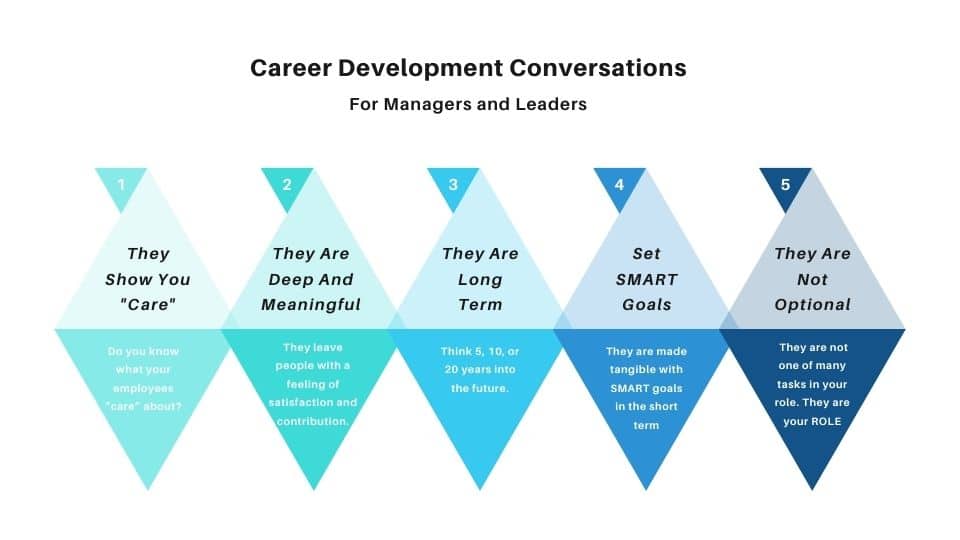
    The benefits of these conversations are two-fold. Firstly, you will get to know your employees as people. The insight you gain from these chats can inform the decisions you make regarding regular day to day work activities. Through honest inquiry and asking questions, you will find out what your people care about.

    Secondly, as a direct result of your communication, people will feel valued. One-to-one meetings allow you to express your interest in people and show that you care. Feeling valued will allow people to shed any inhibitions and bring themselves to work fully.

    Make a mental note to ask about their child’s recent sporting event or their dog’s surgery. These connections create opportunities to learn more about what motivates them, what gets them excited, what their goals are.

    In short, having open communication regularly will benefit both you and your employees. It will not only increase work performance, but also increase the amount of fun, happiness, and satisfaction people have after work.

    2. Treat Them as a Superhero

    Showing belief in someone can be powerful. It is so easy to judge, doubt, and belittle people that honest belief in someone’s abilities can be refreshing and empowering. Shine the spotlight on your people. Use recognition to give them courage and permission to keep pushing the limits of their ability. Do not only recognize success, but also growth and effort. A sense of worth within a company will without doubt lead to improved output.

     “If we treat people as they are, we make them worse. If we treat people as they ought to be, we help them become what they are capable of becoming.”

    ― Johann Wolfgang von Goethe

    As per the Development Dimensions International, empowerment is one of the five conditions needed to create a “highly engaged workforce” (DDI, 2005). Do your best to instill confidence in your employees and, in turn, the likelihood of them performing to their capacity will increase.

    Self-confidence comes from within but external forces like the culture at work and belief from superiors can play a big part. When you build confidence in your employees, the end result will likely surprise not only you but also your people. Give them your confidence and trust and watch your superheroes rise to the occasion and outperform even your expectations. 

    According to Forbes, 70% of workers say that motivation and morale would improve if managers simply said thank you more. Fifty-four percent of employees feel their boss could do more to appreciate them. If you want to enable your people to do more, show more appreciation. 

    Treating your people as superheroes can instill a lot of confidence in people. This can come from the way you speak to them or even just your actions. Believing that an employee is capable of much more than their current performance can help change your actions and words in many subtle ways. These small changes are reflected in your body language and tone of voice, and give people confidence and belief in their own abilities, freeing them of any doubts and insecurities.

    3. Provide The Best Resources Possible

    Understanding your workforce goes further than simply getting to know them. Use the above mentioned one-to-one meetings to engage people in dialogue about what tools and resources they need to do their job. As a leader, once you find out what resources will help them do their job more efficiently, waste no effort in providing them. After all, an experienced gardener with a rake is less efficient than an apprentice with a leaf blower.

    Research highlights the importance of supplying workers with suitable tools and resources such as improved scheduling functionalities. By delivering superior resources, employees are far more likely to be engaged in their work and perform to their best ability (Chung and Angeline, 2010). Having what you need to do your work also avoids any unnecessary frustrations, which can sap useful energy and slow you down.

    As we saw in point 1, asking questions can help you figure what people care about. Your task as a leader is now to take care of what they care about. And you do that by providing whatever people need to perform at their best.

    4. Avoid Micromanaging

    A big part of the manager-employee relationship is trust, specifically the trust you need to show in your people. As leaders, once we hire the appropriate people, it is important to trust them without asking for reasons to do so. Once they have what they need, get out of their way.

    Resisting the temptation to micromanage and involve yourself in every task can be difficult. Allowing your people to do what they do best without interference will, however, lead to better results in the long-run. Provide them the assurance and freedom they need and desire to do their job. Give them ownership, so the work is theirs, not yours. This makes their tasks, their projects, and their responsibilities more meaningful.

    There is a lot of overlap between points three and four as highlighted by Markos (2010). He states that by providing all the adequate resources, information, and training, employees can develop their knowledge and skills. This, in turn, builds confidence, allows them to work without supervision, and fosters self-efficacy and commitment to the job.

    Take the stabilisers off their bicycles and they will learn to ride more proficiently.

    “There is no passion to be found playing small — in settling for a life that is less than the one you are capable of living.”

    — Nelson Mandela

    5. Setting Effective Goals

    Goal-setting is a great motivator in the workplace but it needs to be done correctly. Goals should be ambitious enough to encourage people to work at their full capacity but they must also be achievable. 
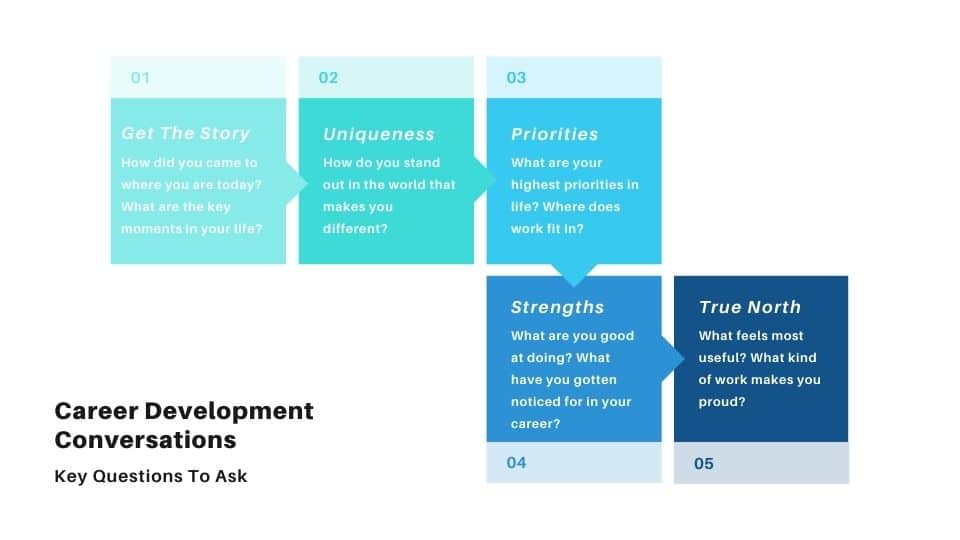
    The BlessingWhite (2006) study showed that 60% of employees surveyed wanted more opportunities to grow within their job in order to remain satisfied. The study corroborates the idea that setting goals in which employees can advance their skills is very important. Goals also give a sense of progress and build momentum, as people start to hit bigger and bigger goals, building confidence and higher levels of ability.

    This does, however, raise the question – “How to set the right goals?”.

    The answer? SMART goals.

    George T. Doran is widely recognised as the person responsible for the acronym SMART. This goal-setting framework is widely used in the business world today and uses a simple actionable set of rules. These rules are as follows:

    Goals should be:

    S – Specific – Clear and easy to comprehend by all involved. Can everyone relay the goal?

    M – Measurable – Can you easily determine whether the goal has been achieved?

    A – Achievable – Is the goal realistic? It may be ambitious, but is it feasible?

    R – Relevant – What is the benefit of achieving the goal? Is there a point to it?

    T – Time-bound – What is the timeframe to complete the goal? Without one the goal can lack direction.

    Setting ambitious goals will encourage people to think outside the box. Provided they are motivated, they will push their capabilities to the maximum and take bold actions in order to achieve the goal. By doing so they will expand their skill set in the process. Your job as a leader is to provide whatever they need to go after their big goals and remove any roadblocks that might stand in the way.

    Use BIG goals to push people out of their comfort zone, take bold actions, and expand the horizons of their ability. They will never know what they are capable of if they are not given the opportunity to strive for more than they are currently doing.

    6. Mistakes Are an Opportunity

    Mistakes are unavoidable when chasing big goals but how you deal with them can make a world of difference. Instead of viewing mistakes as a negative, see them an opportunity to learn. This begins by showing your own vulnerabilities as a leader. If you make a mistake, it’s important to admit it. Be willing to accept feedback on your performance and then use the information for positive change.

    Blaming and penalising people for mistakes and failure can create a toxic workplace culture, which is counterproductive, not to mention unpleasant.

    Zhao, Lautsch, and Boyle delved deeper into the topic in their 2016 research paper. They concluded that although errors may be prevalent in the workplace, they do indeed offer the opportunity for learning.

    If people work in fear of failing, they lose initiative and will never take the necessary risks to go beyond their current capacity. They need to be confident that failure is permissible, and even desired, as part of what it means to learn and expand our abilities.

    If you, as a manager, have an open dialogue with your employees, you will be able to easily determine how and why a mistake occurred. The focus should be on learning from the mistakes and making improvements, rather than blaming or punishing those who were responsible.

    In many high trust cultures, mistakes and lessons learned are often shared with the entire company, without naming or blaming any individuals responsible for the mistake.

    “ A boss who micromanages is like a coach who wants to get in the game. Leaders guide and support and then sit back to cheer from the sidelines.”

    Simon Sinek

    7. Wider Context Is Key

    Context can sometimes be a vague term but it encapsulates everything we do. Understanding the wider context behind an organization, both in a holistic and individual sense, is paramount to success.

    Breaking that down, the vision of the individuals within a company has to be aligned with the company’s vision in order to cultivate success. 91% of companies surveyed who have an effective performance management system claim their employees’ goals are linked to the business’ (Chowdhury and Hioe, 2017). People become more effective contributors when they fully understand what they are contributing to.

    The Developmental Dimensions International (2005) was referred to in point two and is once again relevant here. The paper states that managers must align employee efforts with a strategy in order to achieve a highly engaged workforce.

    Organizations need leaders who can both communicate a vision and get employees to buy into that vision (Sadeghi and Pihie, 2012). If you believe in the destination, you will do everything you can to get there.

    8. Be Supportive

    Employee concerns affect productivity. The role of a manager is to manage their team. This includes easing fears and doubts and creating a more productive atmosphere as a result.

    People start relationships, get married, receive diplomas, and experience other highs which can improve productivity. Equally, people will experience divorce, bereavement, childcare issues, and other personal issues that will negatively affect their output at work.

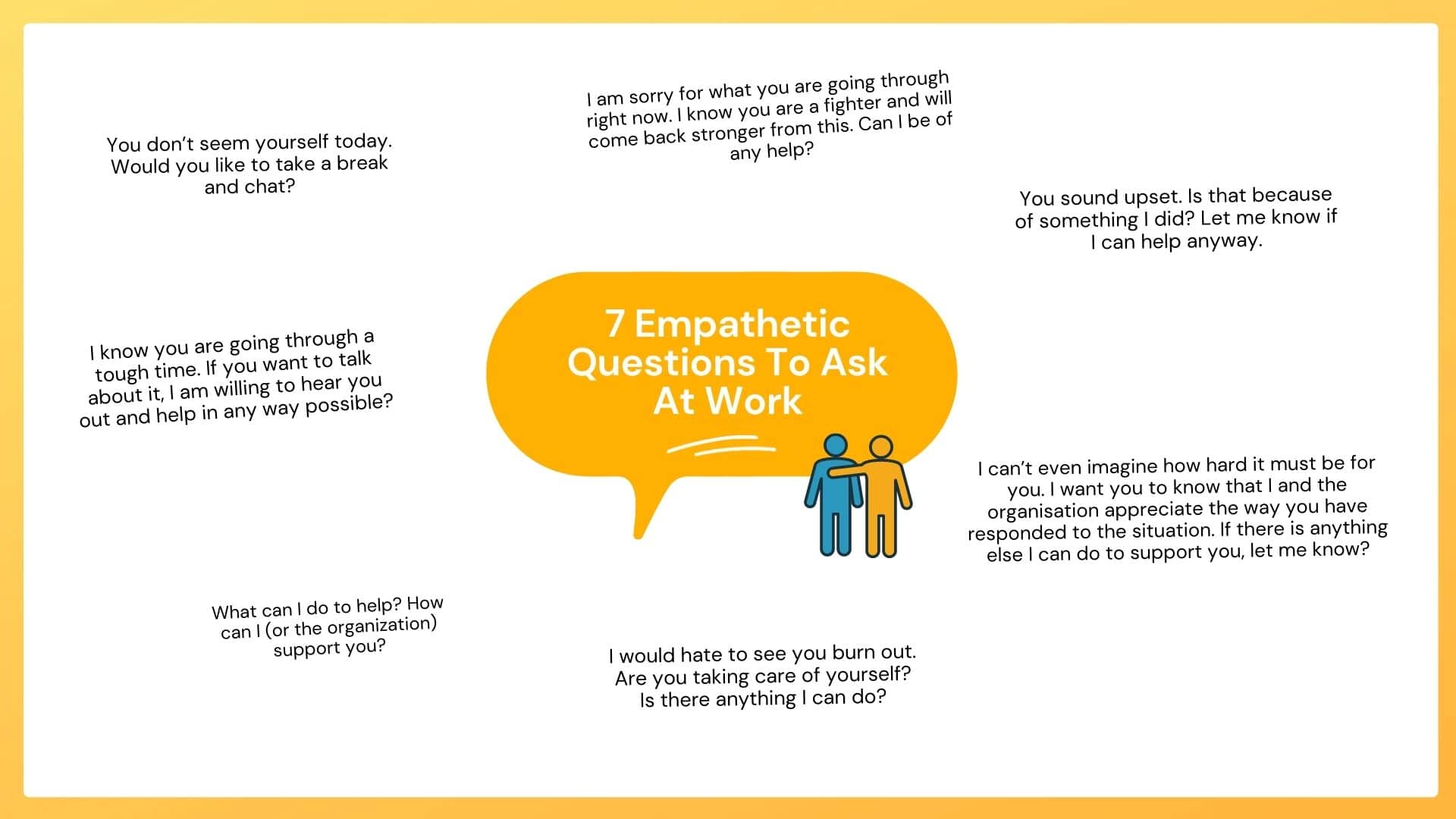
    Anxiety, stress, and fear are emotions that everyone goes through and the workplace is not exempt from them. Make sure to be supportive so that you help and not worsen the situation. Your job as a leader is to make sure your people know you have their back. They must know there is always an open line of communication for guidance and support.

    They must feel comfortable and confident before they will be willing to take on that big project or go beyond their current abilities. Build on their strengths, empower them to take risks and voice their thoughts, practice constant optimism, and never stop communicating. 

    Some of the most common workplace concerns include:

    ·         Wanting a pay rise

    ·         Favouritsm

    ·         Excessive management

    ·         Unnecessary or unclear processes

    ·         Lack of communication

    ·         Being overworked

    ·         Workplace politics

    Support doesn’t necessarily have to come directly from you. If you can implement the right structure to deal with issues that arise. Your job is to allow your people to work to their maximum capacity, and that might mean connecting people across teams and departments if they can help each other.

    Your goal as a manager is to support your people and help them realize their biggest dreams.  The findings of a 2019 study by Leitão, Pereira, and Gonçalves suggest that supervisor support and a “good work environment” are important in organizational productivity.

    Taking care of your employees’ welfare and supporting them in moments of anxiety and stress will allow them to perform to a higher standard and flourish. That is how you, as a leader, show that you care for your people. You care for your people by taking care of what they care about.

    “Love is the only way to grasp another human being in the innermost core of his personality. No one can become fully aware of the very essence of another human being unless he loves him. By his love he is enabled to see the essential traits and features in the beloved person; and even more, he sees that which is potential in him, which is not yet actualized but yet ought to be actualized. Furthermore, by his love, the loving person enables the beloved person to actualize these potentialities. By making him aware of what he can be and of what he should become, he makes these potentialities come true.”

    ― Viktor E. Frankl

    9. Escape the Bubble

    Routine has a lot of positives but it can also be stifling. Sometimes taking a step back and looking at the bigger picture can be a refreshing exercise. This isn’t just a solo activity either, as you can involve your people in the same.

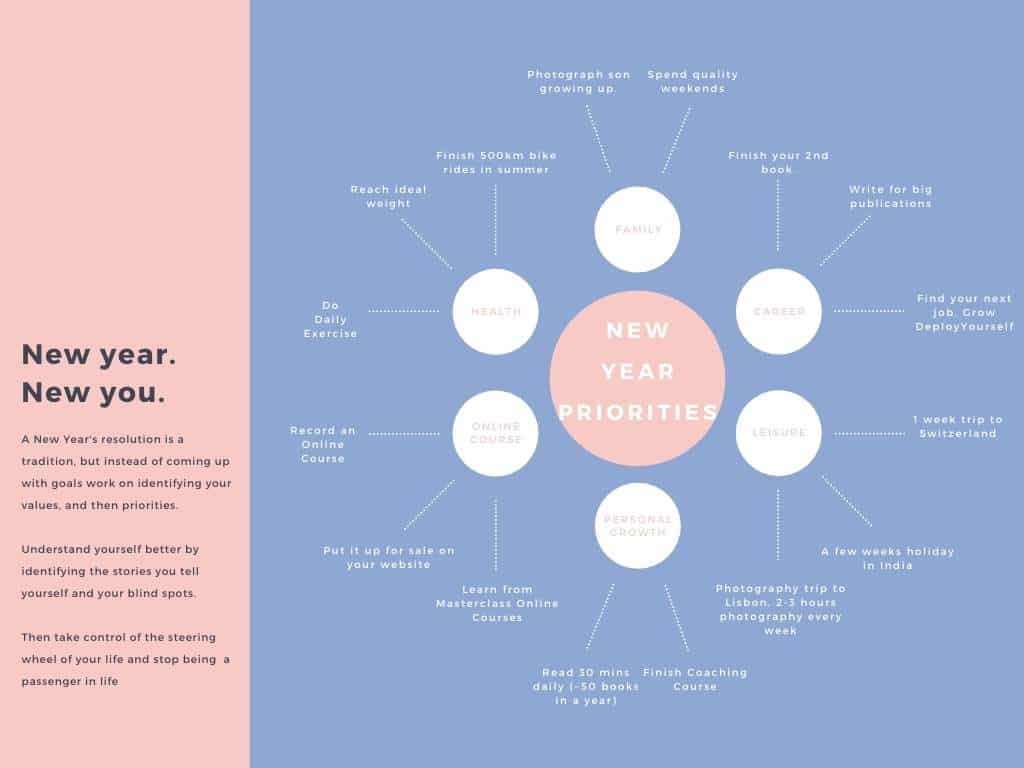
    Take time to talk to people about their deepest dreams, ambitions, and hopes for the future. Talk about what can we do better in the future and how to work better together. Having the opportunity to voice these thoughts, be heard, and work together for the good of all is empowering and will give your people the confidence they need to do more than they think they are capable of. 

    By doing so you’re indirectly reinforcing their (perhaps waining) motivation. Perspective can often get lost in the routine of a 9 to 5 and it is important to bring it to the forefront of your employees’ thinking. You will get a clearer perspective looking at a house from outside than inside. 

    Help people connect with their deepest values and why they are doing what they are doing. Once they can step back and see the big picture, and then come back to focus on the detail and execute the day to day tasks, your job becomes easier.

    This point nicely ties in with all of the previous eight. To achieve it you need to have an understanding (1) and mutual trust (4) with your workforce. In escaping the bubble they are able to remind themselves of their goals (5), fuelled by the confidence you have instilled in them (2) with support (8) and resources (3). They are able to consider the wider context (7) and make improvements towards that from what they have learned (6).

    Conclusion

    1. Understand Them as People – People are multi-faceted. Get to know them beyond work.

    2. Treat Them as a Superhero – Belief is key. Confidence will take them (and you) a long way.

    3. Provide the Best Resources Possible – Without the correct resources, people cannot perform to optimum levels.

    4. Avoid Micromanaging – Step back and trust your people to flourish.

    5. Set Effective Goals – Go after ambitious SMART goals to enhance capacity.

    6. Mistakes Are an Opportunity – Turn a negative into a positive and build for the future.

    7. Wider Context is Key – There is always a ‘why’. Understanding it will open doors.

    8. Be Supportive – Creating the right environment for your people is paramount. Have their back.

    9. Escape the Bubble – Take a step back. See the big picture together so that everything else falls into place.

    Getting the best out of people is by no means a simple task. It requires hard work, effort, and dedication to the cause. The ideas above will help you unlock the potential of your people. By employing these in your own organization, you will be taking steps towards expanding the capabilities of your employees and helping them reach their potential.

    Everyone wants to work in a workplace where mistakes are used as opportunities to learn, where employees are given the tools they need to be successful, and where they know they are supported as they do the best work of their lives.

    If your employees are not working to their full potential, then neither are you. By seeing people as superheroes and showing that belief with your actions and words, you will help them become superheroes going after meaningful and ambitious goals.

    References:

    1. The Four Steps to Building a Coaching Culture
    2. High Potentials vs. High Performers: A Manager’s Guide to Identify, Assess and Develop
    3. 8 foolproof employee engagement ideas for your remote team
    4. Reaching Your Potential
    5. Science Says Only 8 Percent of People Actually Achieve Their Goals. Here Are 7 Things They Do Differently
    6. Quality of Work Life and Organizational Performance: Workers’ Feelings of Contributing, or Not, to the Organization’s Productivity
    7. Effective Employee Engagement in the Workplace
    8. 10 Employee Concerns That Affect Productivity
    9. An explanation of SMART goals and how to write them
    10. How effective goal-setting motivates employees
    11. Mistakes Happen – So Manage Them
    12. The culture of learning from mistakes: How employees handle mistakes in everyday work | Request PDF
    13. https://academicjournals.org/journal/AJBM/article-abstract/81612E732304
    14. Moving from performance measurement to performance management
    15. Get to know your employees better
    16. How to Deal with Your Emotions In The Workplace And Make Them Work For You |
    17. 9 immediate ways to improve communication in the workplace

    18. A Brief History of SMART Goals 
    19. Quality of Work Life and Organizational Performance: Workers’ Feelings of Contributing, or Not, to the Organization’s Productivity
  • 5 Simple (But Not Easy) Steps Every Manager Can Take To Improve Work Culture

    If you are lucky enough to be someone’s employer, then you have a moral obligation to make sure people do look forward to coming to work in the morning. – John Mackey

    I have been leading teams for 12 years in companies such as Yahoo, Booking.com, etc in India and Europe. When I look over the last 12 years, I get a smile on my face on recalling how foolish I was to think that I had it all figured out. I used to believe management and leadership is only common sense, and that I do not need any special training or knowledge for it.

    Today, while I still believe that leadership is a lot of common sense, but I couldn’t be more wrong about how easy or hard would be. As it is said, the one thing about common sense is that it is not so common. One of my biggest learnings about leadership is that while the concepts behind it are simple and age-old, they are not easy to actually implement in real life. What I found is that even with all the leadership knowledge, these skills can desert you when you need it the most.

    What I learned is that human psychology and our evolution driven behavior patterns are hard to undo. Our ego, various cognitive biases, and our desire to look good in front of others can fool us easily. These very human traits can make us behave in ways that are diagonally opposite to our deepest held beliefs and values.

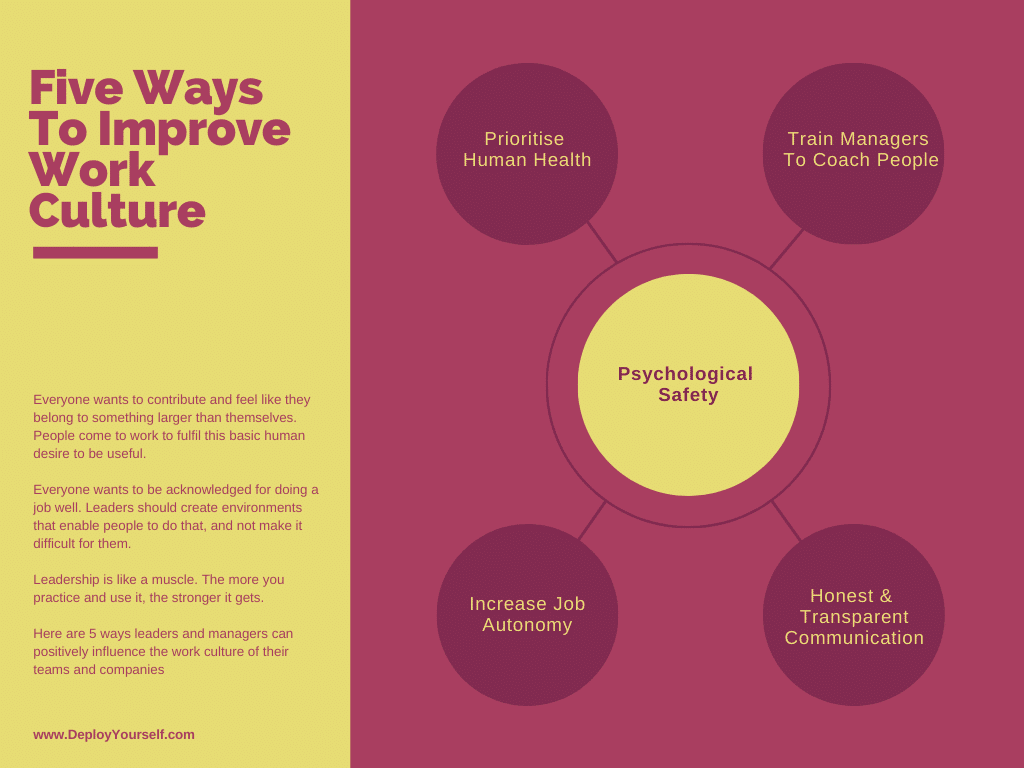
    Leadership is like a muscle. The more you practice and use it, the stronger it gets. Without practice, all the leadership knowledge is only as useful as the knowledge of nutrition while we keep on eating fast food. Below are 5 ways leaders and managers can positively influence the work culture of their teams and companies:-

    1. Make Human Health A Priority

    Good management starts with taking “care” of your people. As managers, we should all ask ourselves – how well do we know our people? Do we know what they “care” about? And then we should make it a priority to take care of what they care about. If we know that, we can match work projects and assignments to employees better. This leads to motivation, growth, and success for both the company and the employee.

    Managers should actively discourage bad practices like working late and on weekends, and encourage people to focus on their health by providing and promoting adequate health insurance, healthy food, and sports facilities – whether inside or outside the physical space of organizations.

    “Customers will never love a company until the employees love it first.” – Simon Sinek

    2. Create Psychological Safety

    No productive work is possible if people don’t feel safe at work. If you have to put a mask at work and are not free to say what you feel, it creates a lot of friction and stress. Thus creating an environment of psychological safety is very important for any manager. Your biggest job is to create an environment of respect and accountability, where people have fun and express themselves freely by continuously moving forward towards the team’s goals.

    3. Train Managers to Coach People

    If you are a manager, you are a coach by default. You don’t have a choice in being their coach as people will approach you anyways. When they are demotivated, when they have a conflict, or when they need help for any other reason; it is your responsibility to listen, understand their concerns, and then coach them to align their personal motivations with the team’s shared purpose and goals.

    How well you coach people will be directly proportional to the results the team produces. Investing in learning these skills and making coaching a priority can be your best investment ever.

    4. Increase Job Autonomy

    Nobody likes to be told what to do. Nobody likes to be micromanaged. We hire people after extensive interviews which test them on their skills. I think we disrespect the same skills when we don’t listen to them.

    As managers, it is important to give people a say in how they want to work. Once people have everything they need to do their job, managers should get out of their way and not stand over their shoulders.

    5. Honest and Transparent Communication

    Finally, we should treat our employees like adults. We should be honest and share what is going on in the company – even if it means sharing bad news. This builds trust and makes it more likely that people will stand by you in times of adversity.

    Leaders should stop using complicated language or hiding behind jargon. Share documents openly. Let people ask anything about everything. Transparent communication involves people in problem-solving and they see the team’s or the company’s problems as their own. And, you never know where a good solution to your biggest challenges might come from.

    Employees who believe that management is concerned about them as a whole person — not just an employee — are more productive, more satisfied, more fulfilled. Satisfied employees mean satisfied customers, which leads to profitability. — Anne M. Mulcahy

    Everyone wants to contribute and feel like they belong to a company. People come to work to fulfill this basic human desire to be useful. Everyone wants to be acknowledged for doing a job well. Leaders should create environments that enable people to do that, and not make it difficult for them.

    References

    1. https://rework.withgoogle.com/guides/understanding-team-effectiveness/steps/foster-psychological-safety/
    2. https://www.researchgate.net/publication/335690856_Work_Engagement_Trust_and_Respect_to_Engage_your_People
    3. https://hbr.org/2018/11/if-your-employees-arent-speaking-up-blame-company-culture
    4. https://www.researchgate.net/publication/255625175_Putting_People_First_for_Organizational_Success
    5. https://www.worldcat.org/title/which-comes-first-organizational-culture-or-performance-a-longitudinal-study-of-causal-priority-with-automobile-dealerships/oclc/5811616905&referer=brief_results
  • 3 Ways Strong Leaders Manage Intimidating Employees With Poise and Confidence

    If you are a leader or manage a team, it is not uncommon to come across someone in your team who intimidates you. This might be because they are better than you in a particular skill and that brings your insecurities to the fore. Or it might be because the person might be overly assertive, has temperament issues and you are trying to avoid conflict.

    The first of the above reasons above to feel intimidated is a good one. You should always have people in your team who are better than you in certain skills. That is what makes a strong team. On the other hand, if you never feel intimidated by the expertise of people in your team, maybe you are not hiring the right people.

    The second reason, though, if left unaddressed, can have a massive impact on the culture and performance of the whole team. As human beings, we all tend to psychologically avoid conflict and create harmony. But overly aggressive people can take advantage of that unless you know where to draw the line.

    “The most beautiful thing you can wear is confidence.” – Blake Lively

    Below are 3 situations in which we, as leaders, might have to deal with and manage an intimidating employee:-

    Situation 1 – Employee Has Skillset That You Don’t Have

    Good managers hire people who are better than them in different skillsets, so they know it is nothing to feel insecure about. When they do feel insecure (which they will feel because it is human nature to do so) they are self-aware to recognize it in themselves. They are then brave to be vulnerable and share the same with the employee (or the entire team).

    A good leader will ask the employee to share his/her expertise and lead in this niche area, while the leader can provide support when required to help them do their job. This will make the employee feel good about their skill and give them opportunities and encouragement to grow further.

    If they still feel intimidated or feel they can’t understand what the employee is talking about, a good leader will ask the employee to be understanding and explain things slowly and in simpler language. They also make it clear that learning to do so will help the employee build much-needed skills to communicate their ideas to a more general audience.

    Good leaders are confident and not weak or fidgety. They understand everyone brings different skillets to the table, and are comfortable in their own skin.

    Situation 2 – Employee Has Anger Issues and Sometimes Explodes

    Good leaders make it clear that exploding in anger and saying unworthy things or using bad language is not acceptable, irrespective of how good people are at their job. They make it clear that doing so repeatedly will have consequences, even leading to dismissal. And strong managers keep their word and are strong enough to take disciplinary action when required.

    They do so because they know that tolerating bad behavior sets the wrong example and can be detrimental to the culture and morale of the team. If this happens, then it is very difficult to fix and can impact the performance of the entire team.

    Know Your Values. Know What You Stand For
    Know Your Values. Know What You Stand For

    Having said that, good managers are empathetic and listen attentively to the source of the anger. They get to the root of the problem and fix any process or other issues that might cause frustration for people, and the anger to arise in the first place. Just being a disciplinarian without being supportive never works.

    Ideally, a good leader should notice any build-up of emotions in his/her people during regular interactions and 1-on-1’s and take action before the emotions lead to an explosion in anger. The best time to repair damage from an emotional storm is before the storm, not after it.

    Good managers coach their people to handle their emotions in a way that is constructive – without suppressing or exploding. They understand that emotional intelligence is an important skill, and take an emotional outburst as a teaching/coaching opportunity to help others step up their Emotional Intelligence game.

    Situation 3 – Employee Doesn’t Listen Because They Think They Know Better

    Good managers create workplaces where listening and respecting each other for their skills is an important value. Even if people know better, they are expected to listen to different opinions with empathy and express themselves without attitude or arrogance.

    Good leaders don’t tolerate awesome jerks, and let people know that they are accountable for how they do their work, and not just what they do. They are strong enough to take action when required and understand that tolerating a jerk never works in the long term as it destroys team culture.

    On the other side, good managers know that everyone has different styles of communication. They give people the freedom to express themselves in their own unique way as long as they don’t cross certain boundaries. They give others a chance to improve or adapt their communication so that it does not hurt the culture of the team.

    Good managers help/coach others to be better communicators. Everyone can have different styles of communication, but the objective remains the same – to express themselves, to persuade others, or to share an important message. Everyone can learn to become better communicators as it will help them do their jobs more effectively.

    “Because one believes in oneself, one doesn’t try to convince others. Because one is content with oneself, one doesn’t need others’ approval. Because one accepts oneself, the whole world accepts him or her.” – Lao Tzu

    Conclusion

    Doing all of the above is only possible when a strong leader knows their values and what they stand for. Being comfortable in your own skin is the first step in deciding when to intervene and when to let people do what they want. As a leader, it is always a fine line between autonomy and management.

    You want to give your team maximum autonomy and keep the management and control to a minimum. It helps to get the team involved proactively to jointly come up with team values and preferred ways to communicate. People are more likely to follow any guidelines and boundaries if they themselves created them.

    Once these values are clear to everyone, good leaders lead by example. They live by and uphold these values – even if that means having uncomfortable conversations at times. If you are new to leadership, it might be uncomfortable to do so, but soon you learn to handle such situations with the poise and confidence of a strong leader.

  • Busting The Myth of Individual Performance. A Radical New Equation For Improving Performance At Work

    What causes employees to put themselves between a customer and bullets from a terrorist attack?

    It is very difficult to imagine anybody valuing their work so much that they put their lives at stake to protect customers. Yet, that is what many employees of the Taj Mahal Palace Hotel in Mumbai did on 26 Nov 2008 when terrorists attacked the hotel with gunfire and grenades. Eleven hotel employees were killed, most while helping approximately 1,500 guests escape from harm. Many repeatedly guided guests to safety before they themselves were shot by the terrorists.

    We will come back to this story later, but let’s start with a simple question – Do you want to improve performance?

    This might seem like a lame question because everyone wants to improve performance. Individuals want to improve their own performance for better career prospects, pay, and growth. Managers want to improve the performance of their teams and individuals to achieve business goals and make their bonus targets. Companies want to improve performance to retain the best employees and increase value for both customers and shareholders. Similarly, countries want to improve the performance of their workforce to make their economies stronger, and their people more prosperous.

    When it comes to discussing performance at the workplace, most of it revolves around individual performance. We believe, both consciously and subconsciously, that an individual is in complete control of his or her performance. We assume that the individual holds the absolute responsibility of performance – good or bad. And that is why we reward or punish people based on their individual performance.

    But what if this is not the truth? What if we are missing a huge component of performance? After researching and reading about the role of neuroscience and psychology in performance and leadership, I want to present a radical new equation for understanding and improving performance at work.

    Taj Mahal Hotel, Mumbai, Which Was Attacked By Terrorists in 2008
    Taj Mahal Hotel, Mumbai, Which Was Attacked By Terrorists in 2008

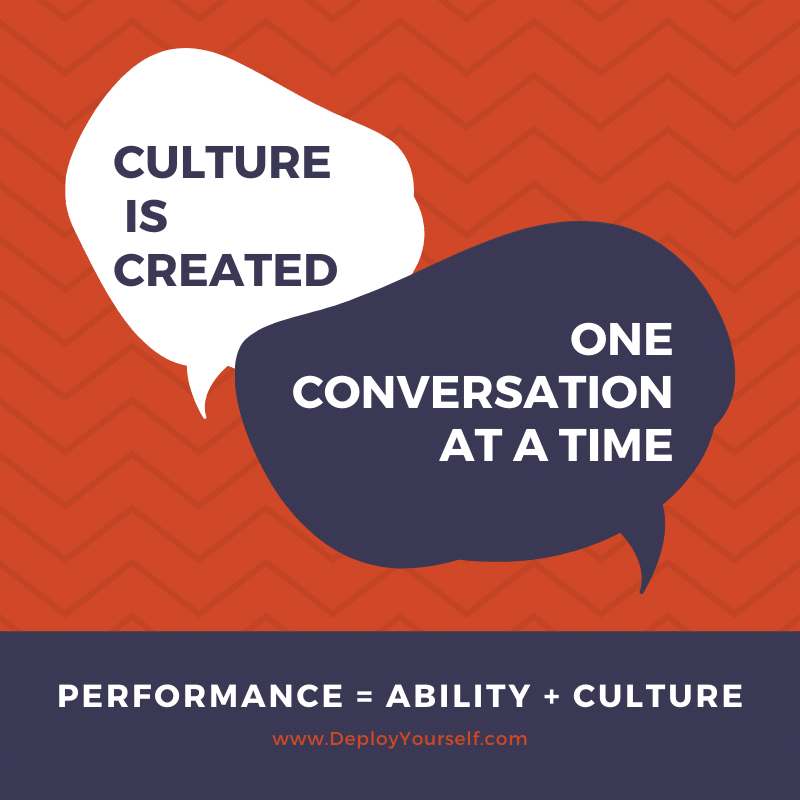
    Performance = Ability + (Culture x Size of Company)

    After 15 years of working professionally across many companies and two continents, today I see ability as an important but incomplete condition for performance. The culture of the company plays a much bigger role in the performance of each individual, and this part gets bigger as the company gets bigger.

    For example – In a small startup of 5 people, the performance of an individual will mostly be determined by their ability. If they can work on improving their ability, their performance increases by a similar margin. However, as the company gets bigger, the culture component gets bigger and has a major impact on performance. In a hundred or a thousand-person company, the impact of culture will be huge compared to the impact of the individual’s ability.

    If you were wondering what caused the Taj Mahal Hotel’s employees to put themselves in front of bullets, it was the culture the Tata group has managed to form over the 150 odd years of its existence. It was certainly not a part of their job requirement that day, and everybody would have understood if they had cared for their own safety first.

    As the hotel’s general manager said, “Every team member at the Taj felt that their house was being attacked. When our house is attacked, what do you do? You defend it and whoever is there inside. The family values that we all believe in are part of our corporate culture in the Tatas… The Tatas truly exhibit that the organization has a soul. I am very very proud that I work for them.”

    “Culture eats strategy for breakfast”

    — Peter Drucker

    Importance of Culture

    People don’t perform based on their abilities alone. Any person’s performance is the sum total of their own abilities and effort plus the prevalent culture in the company (and team). A good culture can enhance performance just like bad culture can degrade performance. I have seen this firsthand when working in Yahoo at a difficult phase in the company’s existence. Before Google or Facebook, Yahoo was the king of the internet. But it stumbled and missed many opportunities – first to buy Google, and later on to compete with Google.

    I met the best and most talented people of my life while working in Yahoo, and while they were putting in their best effort, the results were not good enough to compete in the market. As Yahoo’s business was struggling, a string of new CEOs and a lack of leadership destroyed the culture in the company. Yahoo innovated and introduced some revolutionary products (briefcase, portal, email, Geocities, broadcast, Flickr) in the 1990s, but failed to capitalize on their own products as well as acquisitions in the 2000s.

    What Can A Good Culture Enable?

    1. Good company culture can turn your employees into passionate advocates for your way of doing business. They will go above and beyond what is expected of them on paper to serve each other and your customers.
    2. Good culture makes it easier to retain your best people as your culture becomes a key differentiator in the industry. People stay in companies longer if they have fun and share values with the people they work with.
    3. Culture has a direct impact not just on performance but also on health and well being. Good culture reduces stress and tension, and people look forward to Mondays as your colleagues become like an extended family.
    4. Culture creates brand loyalty and improves your branding without any additional spend as your people speak about the “culture” in your company wherever they go. On the other hand, reports of bad culture can create a PR nightmare.

    Any guess who creates and shapes the culture of a company – its leaders. Leaders shape the culture of a company through two things – conversations and processes. Let’s start with processes.

    Processes

    As a company grows, it is important to put certain processes in place, but they must always be for the right reasons – to make it easier for people to do their work with autonomy and collaboration. Processes should allow people to collaborate with honesty and transparency, not the other way round.

    Processes should never be but often are, put in place just to control things or to assert one’s leadership. As a leader, it always feels good to put a new process in place, but we must resist the temptation. Process and trust are inversely proportional to each other. We lose an opportunity for a personal connection when we put in a new process. The more processes a company has, the less trust it places on its employees, and vice versa.

    Processes put for the right reasons can clarify common company values and business goals, and acts like checks and balances against people going astray. Processes can determine some key aspects of running an organization, like :

    1. Recruitment and Onboarding of new employees
    2. Promotion criteria and opportunities for internal job moves.
    3. Flexibility in work timings and absence from work
    4. Compensation, Rewards, and Benefits
    5. Hierarchy and lines of communication in the company
    6. Training and learning possibilities
    7. Health insurance, sick leave, absence to take care of family
    8. Clarity on management styles and what is accepted and what is not.

    Leaders must always ask themselves – What processes can we remove? Anyone can create a new process and add to a mesh of existing processes, but it takes a brave leader to untangle the mesh and see through the web and simplify processes, increasing trust and performance as a result. Regularly updating processes also make sure everyone is focused on the real objective (of the organization) rather than focusing on what the processes say. If the time has come for a process to go, then it must be retired or adapted to the current situation.

    A hallmark of a healthy creative culture is that its people feel free to share ideas, opinions, and criticisms. Lack of candour, if unchecked, ultimately leads to dysfunctional environments.

    — Ed Catmull, President of Pixar

    Performance = Ability + Culture . A Radical New Equation For Improving Performance At Work
    Performance = Ability + Culture . A Radical New Equation For Improving Performance At Work

    Conversations

    Once leaders have done the groundwork and provided the platform for people to perform, they can step back and look at the big picture. They use conversations to align conflicting energies in a common direction. It is not uncommon for empowered people to run in different directions, or worse, to run into one another. That is why a leader must always engage in conversations with his/her people to align them with a common vision and direction.

    In most companies, there are hardly any trainings or resources to master the skill of engaging people in conversations. Most managers are never trained to deal with conflicting energies and inspiring people to act. Leaders do their best work when they are in touch with their values, and align them with the company’s values while going after their respective team’s goals. Isn’t it a shame that so many leaders today have no idea what their values are?

    Without this understanding of themselves, I often see people stepping up as managers without any knowledge of what to expect in their new roles. To make it worse, they have no idea where to go and seek help when they need it. Leaders should lead because they see it as a privilege to serve people and an opportunity to make an impact, not because it is one of the “career” options available. If a leader is leading his team only for his career goals, and without care for the people or the product, it will show in the team’s performance and culture.

    There are some important conversations every leader should master (or continuously improve) as they have a direct role in establishing culture. They are :

    1. Establishing the importance of company values by encouraging or discouraging certain types of behaviors or actions.
    2. Celebrating smalls wins and recognizing good performance can be the difference between a team and a group of people.
    3. Dealing with uncertainty and failure. Do your leaders engage in blame games? Or do they focus on fixing the mistake and ensuring it is not repeated without blaming the one who did it?
    4. Storytelling – We all listen and absorb concepts better in stories than abstractly. The stories leaders tell determine the level of trust and community in the organization.
    5. Making and communicating decisions. Honesty and transparency in communicating about the reasons behind taking any specific decision is a key element of any leader’s job.

    In the end, conversations reinforce the beliefs, values, and perceptions present in the culture of any organization.

    To come back to the Tata story, here is what the leaders of the company did after the terrorist attacks in 2008 which killed 164 people :

    1. The hotel didn’t fire even a single employee as the hotel was closed for 2 years due to the damage by the attack.
    2. Senior company leaders attended all eleven funerals and visited the families of all eighty employees who were killed or injured.
    3. The company assigned a mentor for every affected team member to serve as a single point of contact to ensure that the person received any help needed.
    4. They provided compensation to the families of every deceased member, ranging from $80,000 – $187,000
    5. Waived all loans and advances, regardless of amount.
    6. Committed to paying the employee’s last full salary for life.
    7. Took complete responsibility for the education of their children and dependents through college – anywhere in the world.
    8. Provided full healthcare coverage for all dependents for the rest of their lives.

    Conclusion

    As we have seen, culture plays a big role in shaping performance. In my experience, if the performance of people goes up or down significantly, the most important factor is the prevalent culture in the company. However, we often fail to see culture as a performance driver and put the impetus of performance only on the individual’s ability and efforts.

    To conclude, in this article we read about how the Taj Mahal hotel’s employees put themselves in front of bullets to save guests during the 2008 Mumbai terrorist attacks. We also found out what the Tata group did after the attacks to reinforce their culture, and the big but often ignored role culture plays in the employee’s performance. Then we looked at how leaders shape the culture of the organization through processes and conversations. And how important is to train our people to create a culture that enables performance, rather than stand in its way.

    Most of the work in organizations is done by teams, and not by individuals alone. And yet the entire performance measurement systems in organizations focus on the individual alone. I believe we (as an industry) are missing a trick here. And that trick is ‘culture’. When an individual’s performance changes from one year to another, we should focus on the culture, instead of just focusing on the individual. The single best way to increase performance is to create a culture that enables people to do their best work. Culture should enable performance, rather than stand in its way.

    Resources

    1. Conscious Capitalism: Liberating the Heroic Spirit of Business
    2. https://www.fastcompany.com/40544277/the-glory-that-was-yahoo
    3. https://www.forbes.com/sites/williamcraig/2017/08/03/8-ways-company-culture-drives-performance/#134149b46ce0
  • Tired Of Outdated Processes In Your Organisation? Here Is A Step by Step Guide To Change or Remove Them

    Why would a monkey not go after a bunch of bananas placed within his reach?

    An experimenter puts 5 monkeys in a cage. High up at the top of the cage is a bunch of bananas. Underneath the bananas is a ladder.
     
    The monkeys immediately spot the bananas and one begins to climb the ladder. As he does, however, the experimenter sprays him with a stream of cold water. Then, he proceeds to spray each of the other monkeys.
     
    The monkey on the ladder scrambles off. And all 5 sit for a while on the floor – wet, cold, and bewildered. Soon, though, the temptation of the bananas is too great, and another monkey begins to climb the ladder. Again, the experimenter sprays the ambitious monkey with cold water and all the other monkeys as well. When a third monkey tries to climb the ladder, the other monkeys, wanting to avoid the cold spray, pull him off the ladder and beat him.
     
    Now the experimenter removes one monkey and introduces a new one to the cage. Spotting the bananas, he begins to climb the ladder. The other monkeys pull him off and beat him.
     
    Here’s where it gets interesting. The experimenter removes a second one of the original monkeys from the cage and replaces him with a new monkey. Again, the new monkey begins to climb the ladder and, again, the other monkeys pull him off and beat him – including the monkey who had never been sprayed.
     
    Very soon all monkeys have been replaced, and none of them go after the bananas. The researchers hypothesize that, if they were to ask the monkeys why they don’t go for the bananas, they’d answer “because that’s the way it’s always been done.
     
    Do you recall any processes in your organization that have always been there? Are there specific ways to do things that everyone follows without knowing the real reason? If you question them, do you get the same answer “because that’s the way it’s always been done”? If the answer is yes, it brings us to the topic of this article – processes.
    Only the wisest and stupidest of men never change. – Confucius

    In this article we will look at three key aspects of processes:-

    1. Why are processes introduced in companies? What purpose do they serve?
    2. How processes become outdated? What are the disadvantages of outdated processes?
    3. What can you do if you find yourself in such a situation?

    Do you feel lost in the chaos of processes?
    Do you feel lost in the chaos of processes?

    Let’s start with Part 1 – the need for processes.

    As organizations get bigger, processes are introduced overtime for reasons like controlling tasks and expenditures, showing and measuring progress on important tasks, ensuring adherence to standards, maintaining levels of quality, and so on.
     
    When organizations are small, communication is easy as everyone knows everyone and there are only a few levels of hierarchy. If you have a question or want clarity on something, you can just walk up to the concerned person and ask them. However, communication and management become difficult and the possibility of confusion increases as companies get bigger. When people are spread over different buildings, cities, countries, and time zones, effective communication and coordination become a task in itself.
     
    When that happens, processes are introduced to solve this problem and to help people do their jobs better. They are required to ensure the smooth functioning of large organizations. Processes standardize how work is done. They are well documented so that everyone knows how to perform their work. Processes reduce the time required to train new people. They make problems easy to identify and diagnose. Everyone knows what to expect from others – irrespective of personal styles or cultural differences.
     
    Behind every process in your organization is a well-intentioned reason. Simply put, if you have a process, someone put it there for a specific reason, even though it might seem useless to you. Which brings us to the second part of the article.
    “He who rejects change is the architect of decay.” – Harold Wilson

    Part 2 – What causes processes to become useless and outdated? What are the disadvantages of an outdated process?

    Have you ever felt that people in your organization are following processes for the sake of doing so? Have you ever felt that people are following procedures at the expense of the organization’s objectives? Do you think that the process has become the master and not the servant to the organization, as it should be?
     
    If your answer to any of the above questions is YES, you are dealing with outdated processes that have outlived their existence. When that happens, you can see people do things for the same reason the monkeys did – “because that’s the way it has always been done.
     
    Examples of outdated processes are using obsolete technological solutions or products or using time-consuming manual processes when a simple technological intervention can save both time and resources.
     
    Processes become outdated because technology or business practices evolve in your industry and you have been busy doing other things. Needless to say, there are many disadvantages to following processes for the sake of following them. The 5 main disadvantages of having outdated processes are –
     
    1. People lose motivation as old processes cause disappointment and stop people from doing their best work.
    2. Your best people leave because of frustration. You have trouble attracting the best talent.
    3. Politics and red-tape increases as more people are required to do tasks which can be solved by efficient and new processes and tools.
    4. Lack of efficiency in what you do harms your productivity and increases waste
    5. The disconnect between customer expectations and your levels of service. For example – a customer expects you to have a chatbot, or answer questions over social media; while you still want them to mail or call you.
    If by now you are feeling defeated, sad, and demotivated, don’t. Because now is the time to move to Part 3 – how to deal with outdated processes?

    Change Is The Only Constant
    Change Is The Only Constant

    Part 3 – What can you do if you are dealing with outdated processes?

    If you are feeling helpless in the face of outdated processes, you can ask yourself a few questions to get a better grip on the situation. These questions will empower you to deal with the situation powerfully.
    1. What processes can be removed, or no longer serve their purpose?
    2. Are people rewarded or punished for following the processes blindly?
    3. Do people have the discretion to question the existence of a process and use their judgement?
    4. Are you, and your organization focused on achieving excellence rather than avoiding errors?
     
    Answering the above questions will help you understand how easy or difficult change might be in your organization. It will also make it clear the kind of challenges you might expect to face if you were to move further. And many times, these questions will help you figure out if getting a process changed or removed is a battle you want to fight or not? (and believe me, in big organizations it can be a battle).
    Growth is painful. Change is painful. But nothing is as painful as staying stuck somewhere you don’t belong. – N.R. Narayana Murthy
    If you decide to get a process removed which is not serving its purpose, you can take the below steps:-
    1.  Investigate the reason behind the existence of the process? When was it introduced, by whom, and what was it supposed to achieve?
    2. Make a case for why that process is not needed now or should be altered or removed. Gather data and make an argument.
    3. Share your findings with people close to you (peers, your manager) and get their feedback. If you need to, adapt your findings.
    4. If you still want to move ahead, make a list of people who you might want on your side to get the process removed.
    5. Share your findings with them, and the proposal to get the process removed or changed. Ask them if they support your proposal or not.
    6. Listen to their concerns and get them on board with the idea of removing/changing the process.
    7. Share the proposal with the people who have the authority to change the process and approve any budget. If there is a need to purchase a new tool or software or organize training, there might be significant costs associated with the change in the process.
    8. Be open to feedback, and answer any questions people might have.
    9. Be patient. The bigger and more political the organization, the longer it can take to change or remove a process.
     
    If the above process goes well, you can take the below steps to make sure the process change goes smoothly without causing a lot of disruption for the people impacted by the decision.
     
    1. Be transparent and communicate the reason behind the process change with everyone impacted by the process, and why it needs to be removed/changed? Show people why this change will help them do their jobs faster and better.
    2. Train / educate people to fill in knowledge and skill gaps wherever required. Make sure they are equipped to do what you are asking from them.
    3. Empower people to report any missed opportunities or any other feedback about the process change. Reward instead of punishing people when that happens. Take action to ensure concerns are addressed fast. A new process might need some minor adjustments before everyone feels comfortable using it.
     

    Conclusion

    By following the above 3 steps, you can ensure the processes in your organization make sense. Regularly updating processes also make sure everyone is focused on the real objective (of the organization) rather than focusing on what the processes say. If the time has come for a process to go, then it must be retired or adapted to the current situation. Rather than making you feel resigned or defeated in the situation, this article will allow you to deal with the situation powerfully.
  • Do You Know the People Behind Your Colleagues? And 5 Reasons Why It Matters

    I stood next to my car door, stunned and frozen in place. I had just walked out of my workplace to leave when a stranger walked up to me and casually handed me a large, white envelope. Divorce papers.

    My children were waiting at a friend’s house for me to fetch them. My mother was in the hospital, and I’d promised to visit that day. I also had a huge work project that needed to be completed.

    How was I going to balance my busy personal life with a crumbling marriage and a high-pressure job?

    Fast forward to six months later. I’m sitting in my office. My new corner office.

    A week ago, I was promoted to the head of my department. I’m living in a new, beautiful home. My kids are happy, healthy, and staying with their dad for the week. My mom is doing better, and I am about to head home, have a glass of wine, and relax.

    How did I even get here? I ask myself.

    As I sit in quiet contemplation, I spot Martha walking past the office window. She smiles and gives me a small wave, both of which I return.

    That’s how I got here. The support of good people, who, until six months ago, were just colleagues. When my life fell apart, they stepped up and helped me through it.

    I offer up a silent thanks for the people who were no longer just colleagues, but friends and loved ones. Without them, who knows where I would be right now.

    How Well Do You Know The People You Work With
    How Well Do You Know The People You Work With

    No matter where you work, you spend most of your time at the office.

    We all know what difference a good and a bad culture make in the workplace (1). The general mood at work affects people’s happiness as well as health.
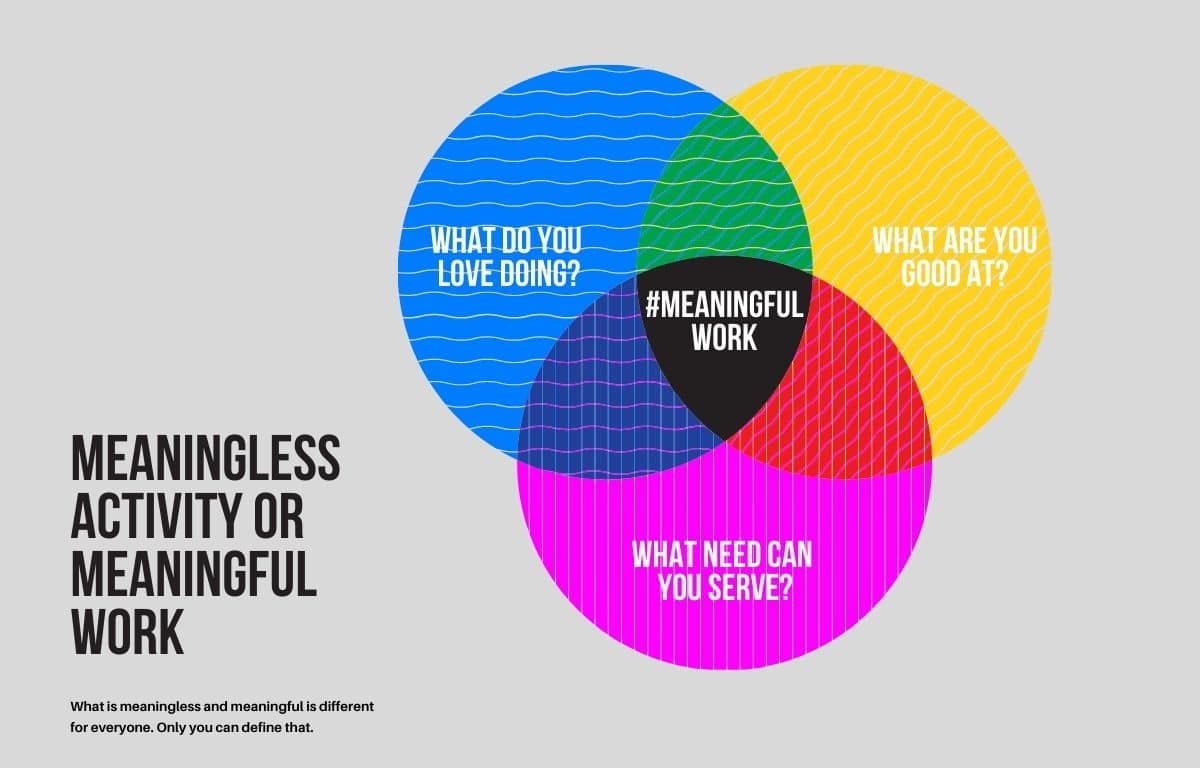
    There are five main reasons why people leave their current place of work (2). They are:

    • Poor leadership
    • Low salaries
    • Change of career goals
    • No career progression
    • Managers taking credit for their employees’ work (No appreciation)

    When people feel they are treated like resources and not human beings, they don’t like it very much. We all know how it feels like to be treated like machines, hired to just get a job done, and nothing else.

    Tools or People?

    Being treated like tools doesn’t make for a happy mood in the office. Irrespective of where we work and the kind of work we do, we all live very parallel lives. We are all humans – and we are all someone’s children, siblings, parents, spouses, employees, colleagues, and friends. This is true for everybody, no matter what their position at work.

    Modern workplaces are often designed to treat humans as resources or machines to get the maximum out of them, but all of us are more than a tool to be used for a purpose.

    Why Should You Know Your Colleagues Better?

    Well, you don’t have to. But if you do, it will help you make better decisions, create a happier working environment, and be more productive at whatever you do at work. This is especially important if you manage a team of people, as you can have a massive jump in productivity by having a simple paradigm shift of knowing your colleagues better.

    Team dynamics are important, and once you understand that each person’s productivity is tied into everyone else’s productivity, you’ll start to realize how important it is to know them a little deeper – as human beings and not just as cogs of a machine.

    Making Friends At Work Can Make a Huge Difference To Your Wellbeing

    Why Digging Deeper Is Important?

    Would you be able to tell if one of your colleagues was having a bad day (3)? And do you know that just asking that can make a big difference?

    The dynamics of the team you work in are often complex. Everyone has their own likes and dislikes, work ethics, different approaches, and opinions about all kinds of topics. By understanding the people you work with a little deeper, you’ll find it easier to connect and work with your team members.

    Apart from the productivity gain, it’s also great to have friends at work, so that you can discuss things other than work.

    Humanizing Colleagues

    Research today shows that your job becomes more fun and satisfying if you know your colleagues on a personal level. (4)

    We often forget that our team members are human as well and that they have other things going on in their lives. A colleague may, for example, be going through a divorce, or dealing with a sick family member, which would have a massive impact on their work. (5)

    We all have different ways of coping with tragedies, break-ups, and life’s other frustrations. You may have noticed some of the following signs with one of your colleagues:

    • They seem to be distracted, and there’s a sudden increase in errors in their work.
    • They may be unable to focus on tasks, which leads to poor decision-making.
    • They may be taking more time off work.
    • Their health seems to be suffering.
    • They look stressed (6).

    When you see any of these signs, think about how you would feel if you were in their situation? What type of support would you want? If you know your colleagues well, it will be easier for you to be supportive. It will also be easier for them to open up and find a safe space to share.

    You are working in a company and doing business. But you are doing it with people (employees), and for people (customers). If you do not know the people working with you, it becomes all abstract. What is the point of doing business or work, if you can’t connect with people working alongside you on a deeper level?

    “Too many companies believe people are interchangeable. Truly gifted people never are. They have unique talents. Such people cannot be forced into roles they are not suited for, nor should they be. Effective leaders allow great people to do the work they were born to do.” – Warren Bennis

    Love People Use Things

    5 Reasons Knowing The People Behind Your Colleagues Matters

    Getting to know your colleagues personally provides the following benefits:

    1. Makes It Easier to Learn From Others

    Knowing the people behind your colleagues leads to better teamwork. And better teamwork increases the opportunity to learn from each other, as well as coming up with creative solutions.

    2. Decreased Stress Levels At Work

    If you are hating every moment at work, you will be stressed and it will impact your happiness and productivity. The same applies to your colleagues.

    Knowing your colleagues better allows you to support each other and offer a helping hand or a shoulder to lean on. If you are going into the office knowing that you have a supportive team and can have a cup of coffee and talk about what’s bothering you, your stress levels will decrease.

    Less stress at work means more productivity and fun. Which in turn leads to people staying in companies longer.

    3. Increased Sense of Responsibility & Quality of Work

    Having a deeper connection with the people you work with increases our sense of responsibility towards each other and commitment towards the business.

    When you have a closer relationship with your colleagues, you make decisions taking into account the bigger picture. Improved decision making leads to better work quality, which is a win-win for everyone.

    4. Aliveness and Joy

    If we are treated like machines in the workplace, we lose our sense of aliveness. Making an effort to get to know people better gives everyone space to be themselves.

    This affects not only office dynamics, but it spills over to how you deal with people in your lives. Everyone feels better when there’s joy and fun in the office.

    5. Increased Wellbeing In and Out of the Office

    When one area of life is difficult, everything else feels worse. Similarly, if you can improve the quality of your life at work, it spills over into your home life too.

    You are healthier, happier, and more productive if you work with friends and not just colleagues. Despite the hardships or challenges you face at work, you will remember and cherish these moments as you were in the company of friends.

    “Stop taking care of your career. Start taking care of your people. And if you do that, they won’t let you fail.” - Jim Collins
    “Stop taking care of your career. Start taking care of your people. And if you do that, they won’t let you fail.” – Jim Collins

    Conclusion

    If you don’t know the people behind our colleagues, what are you working for? Economic growth, profits, revenues, market share? All those terms become very abstract and disconnected when you don’t work with people you enjoy spending time with.

    With your work, you serve the clients and customers of your business. By knowing your colleagues better, you can directly serve the very people in your office, which leads to all the benefits listed above.

    Are you being treated like a resource or a machine? Are you treating others in your office that way? Now is the time to rethink that and get to know your colleagues as human beings. You will be surprised at the difference it can make – both inside and outside of work.

  • How To Get Rid of Impostor Syndrome and Make Confidence a Habit

    Bryan, an 18-year-old, graduated high school at the top of his class. He then headed off to attend Columbia University. Now, Bryan feels petrified. He is convinced that the admissions department at Columbia has made a terrible mistake. He feels he does not deserve to be in such a prestigious university.

    Bryan is one of the many among us who is affected by imposter syndrome. In fact, a major segment of the population has faced this psychological phenomenon at some point or another in their life. Men and women from all sorts of professions are affected by imposter syndrome.

    In most cases, imposter syndrome starts with a feeling of inadequacy or unworthiness. This makes people doubt their own accomplishments. This can result in a fear of being taken as a fraud by other colleagues or friends. Any achievements and past successes are overshadowed by this all-consuming feeling of self-doubt.

    Even the smartest and the most skilled professionals can suffer from this syndrome. Most of all, this creates a negative impact on their confidence levels. The waves of self-doubt can adversely affect career growth and leadership skills.

    But the silver lining is that this is not the end of the road. There are methods to train your mind and regain your confidence. It is important to recognize the signs of the syndrome and acknowledge them…

    Confidence Is The Key to Success

    “Confidence is contagious. So is lack of confidence.” – Vince Lombardi

    Self-confidence and self-esteem are two factors that determine our well-being to a great extent. The best levels of performance and productivity in any field is achieved when you are confident about your skills and abilities. Confidence allows you to make the best use of your knowledge and skills through action.

    Below are some of the ways in which confidence helps you to reach your goals.

    1. Earning Respect

    Respect is something that you have to earn in your professional life. Consider a person who can confidently perform tasks and meet challenges. Such an individual naturally earns respect from colleagues. 

    It also helps you to showcase your skills to your superiors. Having said that, it is also necessary for you to listen to and respect other people’s opinions in return.

    1. Increasing Productivity

    When you are certain of your abilities to complete a task, your productivity levels rise. Confident employees are not stopped by the fear of failure. They face fear head-on, take necessary precautions, and move ahead. They will be more willing to take on new challenges. 

    It is the confidence levels of the employees that determine the productivity of work. Confidence also allows us to assess our strengths and take the right steps to improve on the weaknesses. In the end, we can be in a much better position to achieve the goals that we have set.

    1. A Positive Influence

    Teamwork is a must in any professional environment. However, all the team members may not have the same levels of capability. A confident individual can motivate and influence others more effectively. A confident leader can boost the morale of the team and make it more productive. You will also find confident individuals being less affected by failures and setbacks.

    1. Standing Out in a Crowd

    In a competitive and crowded workplace, confidence allows a person to stand out. In fact, the body language of a confident individual easily stands out. Confident people do not let the fear of failure stop them nor are they afraid to make mistakes. At the same time, confidence does not mean becoming cocky or arrogant. To overcome imposter syndrome you need to find the right balance between humility and confidence. 

    Impostor Syndrome Is Universal

    “…the exaggerated esteem in which my lifework is held makes me very ill at ease. I feel compelled to think of myself as an involuntary swindler.” – Albert Einstein

    Imposter syndrome has affected many famous personalities like Tina Fey, Howard Schultz, Serena Williams and Tom Hanks. While it is normal for anyone to question their abilities at times, imposter syndrome is mostly observed in those who set the bar very high. This can lead to an endless striving for perfection and the feeling of being inadequate.

    There are some experts who believe that imposter syndrome is related to anxiety or neuroticism. Others think that it may be linked to the childhood or the family dynamics of an individual. Being brought up in a family where achievement was highly valued can have a lasting impact on a person. Perhaps unsurprisingly, impostor syndrome is more common in women than in men.

    Listed below are some common thought patterns associated with imposter syndrome. Basically, all these feelings can erode your confidence and sabotage your chances of growth. 

    • I feel like a fake
    • I’m totally not qualified
    • I do not deserve this
    • It’s all because of luck
    • I must not fail
    • My success is no big deal

    Success Can Breed Imposter Syndrome

    It turns out, imposter syndrome is common among highly successful individuals. So we can say it is not directly associated with a lack of self-confidence. Many people push themselves to the limits to be the best in all aspects of life. Constantly working towards becoming “perfectionists” can make them question their own competence at times.

    These “perceptions of impostorism” are also influenced by various social factors. They also affect a large percentage of professionals working in a competitive environment. So it is important to realize you are not the only person disturbed by such feelings.

    You are totally fine if you feel self-doubt. The point is – it has nothing to do with your true capabilities.

    How to Overcome Impostor Syndrome and Make Confidence a Habit?

    Let us take a look at some basic but effective steps to overcome imposter syndrome.

    Step 1 – Own Your Narrative

    Listen To And Understand Your Story

    The first step towards coping with imposter syndrome is to ask yourself the below questions to understand yourself and build self-awareness. Here are a few such questions. Leaders know and understand that their own life stories have true value. They learn from these experiences.

    • What are your core values and principles?
    • What kind of person do you want to be?
    • How do you want to live your life?
    • What are your biggest successes and failures? 
    • What do did they reveal about you?
    • Who has had the most influence upon you?

    Once you dig deep and find the answers to these questions, it will help you to build self-awareness and understand the narrative of your own life better. Questions like these can help you uncover your personality and understand how you came to be the way you are. By exploring these questions you also get the freedom to choose the kind of person you want to be, or if there is something you want to re-invent or change about yourself.

    Recognize Your Values

    These questions will also reveal your core values. You will be able to trust your own decisions and judgments without insecurity. Values and principles, along with self-awareness guide leadership. If a leader has firm values and principles, he will establish authentic leadership skills.

    All of us are good in certain areas and not so good in a few others. When you make a realistic evaluation of your capabilities, you will recognize the areas where you can improve.

    Look Beyond the Negatives

    When you find yourself staring into a pit of self-doubt, look back at your roots to boost your confidence.

    It is easy to let negative thoughts overpower you when events do not turn out the way you want. What I have learned is that mistakes and losses should not be allowed to drag you down. In fact, they can be used as effective tools for self-improvement. 

    For example – Let’s see how Oprah Winfrey defines herself. Until she was 36, she blamed herself as a bad girl. She had been raped as a young girl and then as a teenager, she had gotten pregnant. She be­lieved she was responsible for all that trouble.

    Her personal narrative and her career totally changed the day that she interviewed Truddi Chase, a writer with multiple personality disorder, who had been sexually abused as a child. “That was the first day I recognized that I was not to blame,” she said. That was her crucible. The interview led her to understand her true purpose in life – to help others along their journey to success.

    The above is hard work and not always easy. It is the core part of building up a foundation for your success. But it is very very important. Without doing the hard work required to build self-awareness, the below points won’t work.

    Step 2 – Use Thoughts, Language and Body Language to Your Advantage

    Changing your thought patterns to break the cycle of imposter syndrome can bring about a gradual change in your mindset. Learn to talk yourself into being confident. Positive declarations and visualizations can make a small difference which can compound over time.

    We can use our language to effectively counter the feelings generated by imposter syndrome. Overcoming imposter syndrome is about shifting your focus away from playing the victim and instead of thinking and acting like a player. You can think about the difficulties that you have to overcome to reach the present level. This will help you to stop undermining your past achievements. The other way is to challenge any negative thought that arises with a question or a positive statement.

    It has been proven that positive assertions can boost confidence levels. In fact, famous personalities like LeBron James and Malala Yousafzai have used this technique with great results. Such positive assertions can transform your thought process by breaking the chain of negative thoughts.

    Use Body Language Effectively

    “When speechless, let the body do the talk.”― Toba Beta, Master of Stupidity 

    A major part of our daily communications is through body language. Using it right can make a big difference. The fact that imposter syndrome is not related to muscle memory allows you to use it to your advantage. 

    For example, during a meeting or a presentation, you can practice slow and deep breathing to ease any negative thoughts. Next, you can use the right gestures (like standing instead of sitting) to overcome them and project your confidence.

    Other non-spoken elements of body language include facial expressions and postures. Actions like an open posture, eye contact, and a firm handshake can convey your confidence to others. By being conscious about your own choices based on your values and beliefs, you can take control of the steering wheel of your life and stop being just a passenger in life.

    Step 3 – Stop Comparing Yourself With Others

    Many times we think that others are sailing through a given situation while we are struggling. In reality, they may have their own internal struggles to deal with. It is no wonder Theodore Roosevelt said “Comparison is the thief of joy.” 

    While dealing with such thoughts try to keep these points in mind.

    • Each person has their own journey and comparisons are hardly helpful.
    • Comparing your weaknesses with the strengths of another person is a mistake.
    • By being sure that you are delivering your 100% towards any objective, you can step out of the rat race and still be satisfied. That is success beyond success, as defined by John Wooden.

    Talk to Those Who Can Help

    Quite often, people are ashamed of discussing the conditions of imposter syndrome with others. However, by discussing the issue with the right people, you can get some valuable feedback about dealing with it. 

    A recent study among students pointed out one aspect of those who were able to cope better with imposter syndrome.  These were those who reached out to family, friends, or professors outside their major for support.

    Seek Internal Validation Instead of External Validation

    If you depend on internal validation, you can better be in control of how you feel about yourself. Relying on external validation and using other people’s opinions to dictate your abilities is a sure-fire way to feeling bad about yourself.

    While it is difficult to get rid of imposter syndrome completely, you can definitely prevent it from hindering your growth. It is up to you to realize that the negative voice inside your head doesn’t have to stop you from moving ahead.

    Conclusion

    Lastly, I will add that each one of us is unique and have tremendous potential. While it is natural for even the best to make mistakes, it is important to see them as learning opportunities and not get demotivated. By reframing your thoughts and actions, you can deal with imposter syndrome effectively.

    In truth, we all need support and motivation to build up our confidence. True leaders step out of narrow personal boundaries to encourage and empower others in delivering their best. When you help others through your words and actions, it will also boost your own morale. Everyone needs confidence, whether they acknowledge it or not. Pay it forward by acknowledging the good work done by others to empower them.

    References

    1. https://www.ncbi.nlm.nih.gov/pmc/articles/PMC7174434/
    2. https://www.sciencedaily.com/releases/2019/09/190924080016.htm
    3. https://www.tci-thaijo.org/index.php/IJBS/article/download/521/pdf/ 
    4. https://www.apa.org/gradpsych/2013/11/fraud
  • How to Have Career Development Conversations With Your Employees? or How to Care for Your People?

    One of the most fundamental human needs we all share is to make meaningful progress in what we are doing. At the workplace this means knowing how does the road ahead looks, and how can we learn and grow to the next milestone on that road.

    If you lead people, you can coach and guide your people on the path of future success by having what I term as Career Development Conversations. Knowing that their career progression is being taken care of freeing up mental space for people, which in turn gives them the space to do well in their current roles.

    What They Are?

    Career Development Conversations are a set of coaching conversations a leader can have to help people understand, prioritize, and act on their long term career ambitions.

    People are mostly unaware of how they can grow in their careers, and as a coach, you can help them figure this out. These conversations help provide clarity on how best to make meaningful progress, within or outside the current organization.

    Every 2 weeks I share my most valuable learnings from living life fully in my Deploy Yourself Newsletter. Sign up now to download a workbook with 164 Powerful Questions which I use daily in my work and coaching. Allow these questions to transform your life and leadership.

    1. Career Development Conversations show you “Care” for your people

    I believe one of the most important roles for a coach (and every manager is a coach by default) is to “care” for their people. And you do that by taking care of the “cares” of your people.

    Do you know what your employees “care” about, what they value or not value in life, and why? Do you know what motivates or drives them? Do you know what frustrates them?

    As a coach you can help people figure out what they “care” about. If we explore this simple yet powerful concept of “care” with our teams, it can open up a new world for them as individuals, and for us as a leader.

    2. They are Deep, Meaningful, and Long Term; but made Tangible with Short Term Goals and Milestones

    Working with various teams across continents over the last decade and a half, I have seen that people are often not aware what they “care” about, and what matters the most to them.

    Career Development Conversations are deep and meaningful to figure this out. They not only help people to be proactive in their career choices as they achieve important career milestones like promotions but also leave them with a feeling of satisfaction and contribution.

    3. They are the second-best opportunity to serve your people

    Leading by example is without doubt the primary way your people see and perceive your leadership. Any conversation or management practice will fall through if you don’t do what you talk about.

    The second best way is to continuously have these career development conversations with your people, which will create the context and form the background of everything else people do in their day to day jobs.

    These conversations can inspire people to cooperate in the face of business challenges. They help people align their own purposes with the larger collective purpose of the organization, leading to accountability and co-operation instead of conflict and self-destruction.

    “Treat a man as he appears to be, and you make him worse. But treat a man as if he were what he potentially could be, and you make him what he should be.” — Johann Wolfgang von Goethe

    What they are not?

    There are a lot of misconceptions around career development conversations since there are different definitions of them depending on the organisation you find yourself in. Let’s clear up what I mean when I say career development conversations.

    1. They are not Optional

    Most managers / leaders I have seen in different companies don’t have these conversations at all. Companies don’t realise its importance and it often takes a backseat with the focus mostly on driving business results.

    Even when they are, they are not regularly reinforced and leaders are not held accountable for them. Nobody told me about these conversations either. I have learned them the hard way – making numerous mistakes as a leader and only later stumbling upon these conversations from numerous trainings and books.

    2. They are not Performance Reviews.

    Many people and companies equate career development conversations with performance reviews, which happen on a quarterly or half yearly basis. However, what I mean by career development conversations is the total opposite of performance reviews.

    Performance reviews focus on the past. Career development conversations focus on the future.  Performance reviews focus on putting you in a box (of job expectations) and measuring you against the expectations of that box. Career development conversations encourage you to get out of any defined boxes (or job roles) and define for yourself the meaning of success and contribution.

    3. They are not Short Term.

    Career Development Conversations are long term. Think 5 to 10 years or even longer if you can. They help people envision what their career is (or can be) all about. They go beyond material milestones and successes; and empower each person to find their own meaning at work, and define the legacy they want to leave behind.

    Having said the above, and keeping that as the background context, Career Development Conversations then drop back to shorter time frames of one year and less. By working on tasks aligned with the long term context, people can find new meaning and joy in their work which wasn’t available before. Needless to say, all of this results in better business results too.

    4. They are not about the Next Promotion or Job Titles.

    Career Development Conversations can also be confused with promotion and the usual benefits that come along. I believe that while that might happen as an outcome of these conversations, they are not the end goal in themselves.

    The focus is on the continuous development of employees and their progression as professionals. The emphasis is on doing work which not only challenges people professionally but also leaves them with a deep sense of pride and purpose in your work.

    5. They are not just one of many “tasks” to be done

    Career Development Conversations should not be taken lightly by managers / leaders. They are not just one of many tasks in your role. Infact, they are your ROLE. If you are not having these conversation, you are leaving huge potential in people and your team untapped. When done well, they can cause careers to take off.

    Career development conversations should not be taken lightly. I believe every task your team member does should revolve around these conversations. These conversations will set the context of everything the team member does or does not achieve. They are to careers what oxygen is to life.

    Key Conversations

    Having gone over what career development conversations are and what they are not, let’s go over some of the key conversations :-

     1. Understand Them

    The intent of this conversation is to understand your people beyond their job descriptions. You can do so by asking and answering the below questions.

    • What is your story?
    • How did you come to where you are today?
    • What are the key moments in your life –  ups and downs, successes and failures, and how each of these events has shaped you?
    • Tell me something I don’t know about you. This question always amazes me as I find out something new about the person.

    If you think this can be hard, then you are absolutely right. Getting people to open up about their life can be a slow and gradual process as you build trust and go beyond personal barriers.

     2. Help them figure out their True North / Lighthouse

    • How do you stand out in the world that makes you different?
    • What are you good at doing? What do you believe you are the best at? What have you gotten noticed throughout your career?
    • What feels most useful? What kind of work makes you proud? Which of your tasks are most critical?
    • What bugs you? What makes you angry or frustrated?
    • What are your highest priorities in life? Where does work fit in?

    By asking some powerful questions like the above, you will help people identify their strengths and weaknesses, values, and motivations, and what makes them unique and special. For me, knowing someone as a human being is such a wonderful experience as I get exposed to the personality of the person which is normally hidden in workplace conversations.

    Helping people figure out their True North can help clear the fog of uncertainty and clearly distinguish the path or at least the direction, they can pursue in the future. This True North can be a lighthouse (of values) that can serve as a compass in difficult times.

    3. Empower Them by Preparing a Plan

    The next type of conversation is to build upon the above two and make it concrete in the form of a plan for where they want to go. Present them opportunities for future growth in the organisation based on their values and motivations, and not just on their talent and skills.

    Once you have identified opportunities that they can pursue with purpose and commitment,  support them to find training to acquire any skills they need, or in reaching the right people. Work with them to create SMART (Specific Measurable Attainable Relevant Timely) objectives, which are impactful for both the organization and the individual personally.

    Having clear objectives to achieve in the future, and also clarity about how will it help them individually as well as the organisation will empower them as they build up confidence and momentum once they start. Once they grow their wings and build up speed, get out of the way and give them space to fly. (which can be very difficult, especially in big organisations)

    In conclusion, I would also like to add that all the 3 kinds of conversations above never happens chronologically. You can jump between them as you feel fit, and it is a gradual process as you discover more and more about your people, and guide / support them on their way.

    As you discuss these questions, you also open up and answer these same questions for yourself too. These conversations are not a monologue but a dialogue. I have always found having these conversations very useful to me too, and you also end up building deeper relationships and friendships at work. And working with friends is always a breeze while working with strangers can be painful.  

  • The Distinction Between Meaningless Activity and Meaningful Actions, And Why It Can Make All The Difference

    In today’s age of always-connected devices and nonstop notifications, we all have more to do each day than the hours can fit. Crossing items off the to-do list always feels good and gives one a feeling of accomplishment, but have we ever stopped and asked ourselves – accomplishment towards what?

    The ‘Busy’ Trap

    Whenever I have stopped to ask myself that question, I have realized that I have fallen into the trap of being busy rather than being productive. Being busy often relieves us from the fear of sitting still and the pain of conscious thinking, while the really important tasks often get neglected.

    We are often sucked into doing meaningless activities, either through algorithms running on our “smart” devices or through habits we have formed by emulating our peers rather than consciously choosing them. In other words, we waste most of our time doing meaningless activities that we have no time left for what really matters.

    We keep looking for happiness in materialistic gains which never leads to fulfillment. While everyone is constantly fighting to achieve their materialistic goals, very few understand that these are mere empty pursuits, only adding to the vicious cycle of wanting more.

    Every 2 weeks I share my most valuable learnings from living life fully in my Deploy Yourself Newsletter. Sign up now to download a workbook with 164 Powerful Questions which I use daily in my work and coaching. Allow these questions to transform your life and leadership.

    Meaningless vs Meaningful

    Everything that we do can be divided into either meaningless activity or meaningful actions. What I mean by meaningless activity is anything we do to only keep ourselves busy. Example – checking email and social media, hanging out with friends, or anything we do without a specific intention in mind.

    In contrast with the above, any activity which adds meaning to your life, or takes you in the direction of a conscious intention (or a goal), is what I would term meaningful. It could be a business trip for one or spending time with their family for another.

    What is meaningless and meaningful is different for everyone. Only you can define that. No-one else can make that distinction for you.

    We are often focused on what is urgent or what seems important today that we end up ignoring what is really important for us in the long run. Only by being aware of our decisions, we can be deliberate about them to move our life in the direction we want to go.

    “A man who procrastinates in his choosing will inevitably have his choice made for him by circumstance.” – Hunter S Thompson

    Focus and Prioritise

    Research has shown that not having the courage to live a life true to ourselves, not expressing our feelings when we should have, and working too hard are the top three regrets people have at the end of their lives.

    Doing things that we find meaningful is essential to our well being. But how many of us spend time wondering about what gives our life meaning, and what is really important to us?

    When we accept the standards and values others’ have set for us, we surrender our own will and judgment. By figuring out our own values, we allow our unique light to shine upon the world.

    If we only follow what everyone else is doing and not take the time and effort required to find our own values, which are unique for everyone, we will soon find ourselves lost and confused. But once you have put in the effort and identified your unique set of values, motivations, desires, and talents; you can nurture them and let them guide you.

    Three Questions

    • What are you good at?
    • What do you love doing?
    • What need can you serve?

    I believe the intersection of answers to the above three questions will be the most meaningful work for you. Once you have these answers, it will give you the clarity to prioritize tasks and the courage to say “No” to anything that doesn’t align with what you discover.

    Answering these questions will require some sincere and dedicated effort on your side, but once you do that, you will have more clarity on how you define your meaningful work. I would also like to add that it is a continuous rather than a one-time process. You should revisit the above questions every now and then as a “health-check”.

    Having the clarity about the “why” before the “what” and “how” of any action will ensure you create focused output that moves you forward, rather than the effort that just takes you around in circles. So the next time you think you have no time to follow your dreams, you know you have fallen into the trap of being busy with meaningless activities.

  • Have You Discovered Your Leadership Lighthouse? Why Should You?

    A Global World

    Today, we live in a globalized world which is more connected than ever before, and the movement of people and goods has never been easier. It is driven by economics and money, and it is possible to sit on your couch and order what you want from the opposite corner of the world and have it delivered to you in a few days.

    Open markets, lower trade tariffs, and an ever-increasing movement of people, goods, and information to any part of the world have resulted in great prosperity for everyone involved. Major world problems like poverty, hunger, and disease have decreased considerably over the last 50 years. The health and well-being of people all over the world have never been better.

    However, living in a consumerist society driven by economics has also resulted in greed, corruption, and the pursuit of economic success at any cost. It is no surprise then that we saw scandals like Enron in 2001, the financial crisis in 2008, and the Volkswagen emissions scandal in 2015-16. These scandals resulted from cutting corners in the pursuit of success by leaders in these companies.

    The Leadership Lighthouse

    Just like ships need a compass and a lighthouse to navigate in the vast oceans, our companies and their leaders too need a leadership lighthouse to find direction in the vast ocean of global competition. The speed (of a ship or a business) is not the only thing matters. Our leaders need to realize that the direction they choose to go and take their companies along is more important than the speed.

    The Leadership Lighthouse is a set of values (to guide us), standards (to measure us), and boundaries (to keep us in check); which will act as a moral compass as leaders take decisions and navigate their companies in the race for success in the global economy. These standards and values guide us in finding the right direction in challenging and exciting times.

    Find Your Own Way

    The whole essence of leadership is to bring our own unique values, talents, and skills into the world, and to express ourselves in alignment with those. When we accept the standards and values others’ have set for us, we surrender our own will and judgment. By figuring out our own leadership lighthouse, we allow our unique light to shine upon the world.

    If we only follow what everyone else is doing and not take the time and effort required to find our own leadership lighthouse, which is unique for everyone, we will soon find ourselves lost and confused. But once you have put in the effort and identified your unique set of values, motivations, desires, and talents; you can nurture them and let them guide you.

    If we stop and look back at the history of the world, be it in the business world or outside of it, you will find that every human achievement is an achievement of the individual who went against the norm and followed their own leadership lighthouse.

    How Can You Find Your Leadership Lighthouse

    As mentioned above, our leadership lighthouse is the set of standards and values that define and inspire you. It will guide you during challenging moments by serving as a moral compass and give you a solid ground to stand upon when you face turbulent times.

    To find leadership lighthouse, try answering the below questions:-

    1. What do you want to achieve in the long term?
    2. What really matters (is important) to you?
    3. What makes you happy, angry, or sad?
    4. What are your duties and obligations with regard to different aspects of your life?
    5. What have you learned from the biggest failures of your life?

    Answering these questions will require some sincere and dedicated effort on your side, but once you do that, you will have more clarity on how you define your own leadership lighthouse. I would also like to add that it is a continuous rather than a one-time process. You should revisit the above questions every now and then as a “health-check”.

    Knowing your leadership lighthouse will give you the confidence and assurance to follow your own path instead of the path others have decided for you. Once you nurture and develop your strengths and act consistent with your standards and values, you will allow your own unique light to shine upon the people and the world around you.

  • Five Things A Leader Must Do By Default

    In today’s corporate environment, after a few years of doing your job well enough, chances are that you will be asked to step up and lead a team. You trained and studied to be good at your job, and now getting to manage people seems like a reward for a job well done.

    By promoting the good performers to be managers and leaders, people have assumed for centuries that the skills that made you successful as an individual contributor would also make you successful as a manager. If you have led people for any considerable amount of time, you would know how false this assumption is. Yet in the business world, this continues to be the norm.

    Today I want to list down five things which you must do, or are expected to do by default, to be effective as a manager/leader. And it is likely that nobody told you this when you were promoted. I have only figured them out after leading teams for over a decade, and I believe I am on a continuous journey to learn and know more about leadership.

    1. Lead Yourself

    The first thing you must do to be effective as a leader is to lead yourself. Your relationship with your team will be determined more by your trustworthiness than by any other skill or talent you might possess. Trust is the foundation of leadership, and you build trust by leading yourself first – by holding yourself accountable for what you demand from your team. Like any worthwhile endeavor, it takes time, effort, and daily investments to build trust with your team.

    If you want your team members to honour their promises, honour your promises to them. If you ask them to be on time for meetings, you must be on time first. Or you will lose their trust. If you ask them to be respectful to each other, you must respect them first. Or you will lose their trust. If you want them to be humble, you need to exemplify that in your behaviour. If you need them to be honest and sincere, you need to acknowledge your mistakes publicly and make amends for them. You can not lead a team if you can’t lead yourself.

    2. Know Where You are Headed

    When you are leading a team, people will look up to you for providing direction. Having a well-defined purpose clarifies why the team exists in the first place. Coming up with the team’s purpose together with your team will empower them to take decisions that are in the best interest of the team.

    Listening to your team and engaging in a dialogue will allow the team to define and own its purpose. You need to spend time with the team regularly to discuss, revisit, or reshape the team’s purpose. Ensuring each member understands the team’s purpose and their role in the team will empower them to prioritize their tasks effectively.

    3. Be a Coach


    If you have people reporting to you, then you are their coach by default. You don’t have a choice in being their coach as people will approach you anyway. When they are demotivated, when they have a conflict, or when they need help for any other reason; it is your responsibility to listen, understand their concerns, and then coach them to align their personal motivations with the team’s shared purpose and goals. If you can’t do that effectively, it will impact the results the team intends to produce in the future.

    While I assert that you are a coach by default, the skills and conversations required to be a coach don’t come by default. You must invest time and effort in learning and practicing your coaching skills. How well you coach people will be directly proportional to the results the team produces. Investing in learning these skills and making coaching a priority will be your best investment ever.

    4. Demand Commitment and Accountability

    Just as every sport has a certain set of rules, each business team can come up with rules (or standards) which apply to their business and industry. These rules will govern how you work and define success and failure. Examples could be how you treat your colleagues, how complaints are handled, and what boundaries you set in matters important to the team. Once these standards are set, it frees up everyone to exercise their own creativity in making decisions. This gives shape to the ‘culture’ in the team.

    After you set up these standards together with your team, you have to demand them. Of course, for this to work, you have to exemplify them yourself. Holding your team accountable to these standards (or rules) will bring the team members together and set the team up for high performance. The intention behind it is not to punish or penalise people when they slip up, but to ensure an open, fair and supportive culture in the team.

    5. Serve Your People

    I believe that leadership is a privilege, and that each leader is a custodian of the company’s values, beliefs, and ambitions for the future. Leadership will require you to think beyond your own self-interest, and from your team or company’s point of view. In order to lead, you must be willing to serve – to put your team’s interest in front of any individual interests, which might lead you to make some difficult decisions from time to time.

    Leadership is not about power or authority, nor is it about popularity. Leadership is about character – which you will need to express yourself authentically, compassion – which you will need to grow and develop your people, and integrity – which you will need to serve your people with the respect and transparency they deserve.

    I believe that leadership is standing for something bigger than yourselves. You show your team the way, give it what it needs to do the job, and then get out of the way. Your biggest job is to create an environment of respect and accountability, where people have fun and express themselves freely by continuously moving forward towards the team’s goals.

    To sum it up, these five points above are not strategies or tactics which you can incorporate in your leadership style to get better results. These are the bedrock which will give rise to a myriad of strategies and tactics, which in turn will lead to those results. If you try to fake them, your people will call your bluff sooner or later, and you will lose all credibility and trust. An attitude of humble service will enable you to become a better leader, while taking care of your team and company’s needs.

  • Investing in Yourself and Making Powerful Choices

    John was pushing on the gas as he didn’t want to be late for this meeting. If he can crack this deal, it would be a game changer for his company, and he had worked hard for it. But just as he was visualising what he would say in the meeting, his car engine fell silent and it came to a stop soon after.

    After struggling for a few seconds, he shouted ‘fuck!’ as his eyes went towards the fuel meter. “This can’t be true”, he uttered in complete shock as he looked at the needle towards the E in his car’s dashboard. He got down and started kicking his car in frustration when a passer by stopped and asked – “What’s wrong?”
    “I can’t believe I just ran out of fuel. And I am already running late for this very important meeting.”
    “Why didn’t you stop on the way to refuel your car?”, asked the bystander.
    “Didn’t I just tell you?? I have to make it to the meeting. I am already late.”

    If you are laughing or smiling at the above story, don’t. Because we (Yes! Including you and me) aren’t very different either. In our day to day lives, we are also too often focussed on what is urgent or what seems important today that we end up ignoring what is really important for us in the long run. If we use the “filling the gas” metaphor which I used in the story, then it is evident that it was a case of bad prioritization, but it is not so simple to see the same in our daily lives.

    If you really want to not run out of gas, you need to invest in the person you are, because that will determine how far you will go. Investing in Yourself is the equivalent of “filling up the gas”. Below I am listing down the four steps we all can follow to do so.

    1. Understanding Yourself

    We are all shaped by our surroundings – our parents, our peers at school and work, our friends, our culture, and our experiences as we grow up. It is very rare that we spend time exploring who we are on a deeper level. What are our values? What makes us really happy or angry? What do we want our life to be about?

    Questions like these can help you uncover your personality and understand how you came to be the way you are. By exploring these questions you also get the freedom to choose the kind of person you want to be, or if there is something you want to re-invent or change about yourselves.

    2. Awareness of How You Act

    We all have certain beliefs that explain to us the way things should be or should not be. Almost all of our decisions are based on these beliefs about people and situations in life. It is our mind’s job to ensure our safety and survival in this fast-paced world and it does that by making decisions for us, many times which are even unaware of our conscious self. It is like we are running on auto-pilot.

    Making efforts to uncover your blind spots and to be more conscious requires being more mindful of your daily decisions – both big and small. It is only through focusing attention on your mind that you can be present with the robotic nature of your life. By being present with this routine will lead you to the next step – of making your own conscious choices.

    Powerful Investments in Life
    Powerful Investments in Life

    3. Making our Own Choices

    Once we are aware of how our unconscious mind drives most of our actions, we can be more deliberate about our choices. Each and every choice we make has the potential to change the direction of where we are going, and each choice will have its own consequences.

    By being conscious about your own choices based on your values and beliefs, you can take control of the steering wheel of your life and stop being just a passenger in life.

    For example – Rita believes her boss is rude and has a bias against her, based on past experiences. Now every time she gets into a meeting with him, her mind acts overtime to sense any hint of a bias towards her, and as soon as that happens, she start to defend or prove herself right. Often it develops into a behaviour pattern which she can’t help. She feels trapped and not having any other option. Now suppose Rita wants to invest in herself and has taken time to think about her life and understand the events that shaped her personality. She realises that being respected and treating others fairly while working towards common goals are amongst her deepest values.

    Now when she hears something from her boss which sounds biased against her, she gives her boss the option to explain his point or rephrases it to make sure she understands correctly, but doesn’t assume anything. After that, she acts based on her values and makes her point to her boss to find common ground rather than to prove him wrong. If her boss is still unreasonable and rude towards her, she respectfully informs him that his behaviour bothers her and look for ways forward. In this case – either her boss ends up changing his behaviour, or she decides to change her team or job, but either way she feels in control and empowered about her choices.

    4. Mastery via Practice

    Once you have made your own choices, the next step is to practice doing daily whatever is required to stay on course. It takes a great amount of discipline and practice to unlearn old habits and learn new ones. You will obviously fail many times when trying to form new habits, but eventually, these new habits will feel like second nature. Only by being aware (or mindful) of the decisions, you take each day you can be deliberate about them to move your life in the direction you want to go. The challenge is to reflect and learn from your experiences and re-invent yourself if need be.

    Invest in Yourself New Year Plan
    Invest in Yourself New Year Plan

  • The Only Real Opponent You Have, In Work or in Life, Is Yourself

    Mahatama Gandhi once said – “As human beings, our greatness lies not so much in being able to remake the world – that is the myth of the atomic age – as in being able to remake ourselves.” And indeed, it is one of the greatest myths of this world that we have to fight our battles in the outside world.

    Everyone who has reached the pinnacle of sport, business, or his/her chosen profession knows that there comes a time when you realize that the real opponent which you have to fight is you yourselves. To take our performance above a certain level, we need to break our safety walls and take new actions which previously we might not have even thought of. By changing ourselves we actually change the world around us.

    Commitment

    If we want to improve our performance manifold, instead of just learning new courses or reading new books, we need to work on our commitment to the goal we are after. We should make that commitment so unwavering that our own lazy and procrastinating self (and yes, we all have that) can’t stop us from doing what is necessary.

    So don’t miss the morning walk, even if you are sick or it is raining outside. Don’t stop doing something just because it is getting tough for you. You have given a commitment, and it is your fight with yourself that you need to win to complete that commitment.

    Excellence

    If we can demand nothing less than excellence from ourselves and others in every little task we do, whether it is watering the plants or giving that presentation, the kind of results we produce will change dramatically.

    We should strive to give our best to every second, and not just in the important events. We have to make things happen, by doing what we have never done before, or by doing them in a way that we have never tried before.

    “Character, like a photograph, develops in darkness.”
    — Yousuf Karsh

    Discover The Strength Inside

    All of us have amazing strengths which we never realize or acknowledge unless we are forced by some sudden situation which requires us to act beyond what we think we are capable of. This is epitomized by the famous saying – “When the going gets tough, the tough get going.”

    So the so-called ‘tough‘ people seem to get their strength out of nowhere in tough times. Our defeats tell us more about ourselves than our victories. We all have tremendous reservoirs of strengths hidden beneath us, but we have to dig deep and defeat our own ‘stay in comfort zone‘ self to uncover it.

    I will end with this powerful quote by Arnold Schwarzenegger

    “Strength does not come from winning. Your struggles develop your strengths. When you go through hardships and decide not to surrender, that is strength.”