We all deal with conflicts in the workplace. In the last 12 years of my professional career, I have had my own share of conflicts. That has left me with some learnings about how to navigate through them successfully. This article is the second in a series of articles. To understand conflicts better, find the first one here.
While there are different ways we can approach a conflict, I have learned from my experiences a few things we MUST NOT DO when conflicts happen. However, these are the very things we end up doing when we are not prepared or aware of how to respond to a particular conflict.
1. Jump Right In and React
Conflicts can be complex, and attempting to handle them without preparation can be our biggest failure. As human beings, we (or our brains) never want to be involved in a conflict, so whenever we encounter one, the first impulse is always to react with whatever comes up in our minds.
Our brains are hardwired to protect us from danger and to ensure our survival. An unexpected conflict is perceived as a threat, and it can lead us towards a fight or flight reaction. Doing so without understanding the conflict and giving ourselves time to process it can do damage which can take a lot of effort to undo in the future.
2. Deny or Avoid the conflict
One of the most natural ways to react to a conflict is to deny its existence. There are always small signs you can notice as conflict builds up. The sooner you act on it, the lesser damage control you have to do later. Don’t pretend that it doesn’t exist, or you are only postponing the problem.
Denial means acting like the conflict doesn’t even exist, and I don’t think there is any human being who has not acted with denial when presented with a conflict at least once in their life. We can close our eyes and walk around as nothing has happened, but that can often result in falling into a pit which can then take a lot of effort to get out of.
“You can’t shake hands with a clenched fist.” – Indira Gandhi
3. Surrender or Give Up
Many of us hate confrontation, and often we give up our needs and position to avoid an ‘unpleasant’ confrontation. While this prevents the confrontation, it often results in resignation and cynicism as surrendering doesn’t help in moving forward in our careers or life.
Surrendering never helps any party, and spoils the mood and culture in the organization. We should not let anyone bully us or others, regardless of hierarchy or position. If we give up in a conflict, we must know that we have wasted an opportunity for a positive result.
What Not To Do When Conflicts Happen?
4. Dominate a Conflict
On the other spectrum of surrendering is trying to get our way by dominating. We can do this either by using our influence, position, or personality over the other person. We might get our way if we dominate others, but we never truly “win” a conflict unless both parties are satisfied.
Domination, like surrender above, often ends up weakening the relationship rather than strengthening it. If people are unhappy and resentful, sooner or later it will boil up again as a conflict or show in poor results in whatever we are trying to do.
5. Ignore the Relationship and the People Involved
We often get sucked up in tasks and getting the results we want, that we totally ignore the relationship and the people involved. We should always remember that the people and relationships come first and that any success that focuses only on the “task” will be short-lived if we destroy the relationships in the process.
A productive conflict resolution not only reaches a solution that works for both the parties but also strengthens the relationship between all parties involved. They end up feeling better about themselves and their work, without any frustration and cynicism.
In conclusion, I would like to add that constructive conflict resolution can only happen in a space of trust and camaraderie between people, and all of the points above destroys this space. When people understand each others’ needs and look beyond their fears and anxieties, they can work together to create new results that work for everyone. When this happens, you win WITH the other person rather than OVER them.
Is that a word that scares you? Is that something that makes you run in the opposite direction? Do you wish you had the skills to handle conflicts better?
If you are like most people, you are no fan of conflicts and have often been caught up in the maze of a conflict. I certainly have, and I can honestly attest that conflict (or the fear of it) has given me many sleepless nights.
In my 12 years of professional life, I have spent many a moment amidst conflicts, and many more reflecting upon them. Why do they happen? How can I best handle them? Can I still achieve my goals and enrich my relationships with conflict all around me? Can I beat the stress and anxiety which comes with conflict and still be happy and peaceful? Can I deal with conflict in a way that I can be proud of?
There has been wise advice shared with me which I have ignored out of arrogance or ignorance, only to stumble upon and be humbled by the same realization later. Over time I have written down some notes which I have referenced later in times of conflict. This article is the first in a series of articles I am writing from these notes which revolve around the subject of handling conflict in our professional and personal lives.
Human Beings Do Not Think or Feel Alike. Conflicts are Natural.
Wherever there is life, there is conflict. Every species on this planet experiences conflict in its fight for survival. Plants and animals strive for limited food, space, and mates in the wild, often giving rise to conflict. Humans are much more complex. In addition to food, space, and sex; we want power, fame, and money; giving rise to even more conflicts.
Conflicts are a natural order of life, and if we step back and see the bigger picture, there is nothing unexpected around them. They are inevitable when we work with people who speak different languages, come from different cultures and countries, and have different values and beliefs.
They Should Not Be Surprising. Instead They Should Be Expected.
Today we live in a world driven by democratic and secular values (in most countries). If you don’t see any conflicts, perhaps people are not speaking up enough, and that I believe is a bigger problem for any society or organisation.
In democratic societies, differences of opinion are not only expected but it is also a duty of each citizen to express himself without fear or hesitation. I believe that having diversity in thought is a strength, and knowing how to manage conflicts becomes a critical skill to learn if we are to live and work in such an environment.
Understanding Conflicts Better Infographic
Are Conflicts Bad? Or Do We Lack The Skills To Handle Them?
After facing and trying to avoid many conflicts over the years, I have come to believe that conflicts are not bad or something to be avoided. However, it is a common misconception and I have seen people do anything to avoid them.
We have no choice or power over when a conflict is going to present itself. Our only choice is in responding to them. We find them undesirable or unproductive not because they are unpleasant but because we have no idea about how to handle them.
Conflicts Are Not About Right or Wrong. Usually Both Sides Are Right.
In almost every conflict I have seen, both sides are right. There is no wrong side. Conflicts are about different perspectives, and each perspective is valid for the one holding it. A perspective becomes right or wrong only when we get attached to a particular point of view.
Can we see that we are all seeking to express the truth as we see it? Can we acknowledge that everyone sees the world differently and form their own perception of events? Conflicts happen not because of different perceptions, but because of our inability to acknowledge another’s point of view.
Conflicts Have A Lot of Energy. Can We Use It Productively?
Conflicts are like a flowing river. If left unchecked, they can cause flooding and destruction. But if we can build a dam and channel the water in the right direction, we can turn it into electricity.
The same thing applies to conflicts. The only question is – Can we use the energy in conflict productively? Can we channel this energy into productive conversations that can lead to creative solutions and better results?
However, if we can’t control the energy in a conflict, it can result in damage (stress, frustration, bad results) and lost opportunity.
Conflicts Can Be The Foundation for Great Results and Relationships.
Healthy disagreement creates friction and energy. If we look back at history we will find that every great accomplishment has come out of differing opinions of people who have found a way to work together.
In every conflict, if we are willing to do the hard work required to navigate through it, we can turn them into an advantage instead of something to be avoided. Conflicts can be the bedrock upon which great successes and deep relationships can be built.
“An enemy is a person whose story we have not heard.” – Gene Knudsen Hoffman
In the next article, I will share a few things which most of us have done in the past amidst a conflict, but which I have learned that we MUST NOT DO when we encounter a conflict.
Tom : “I am sorry I am a bit late to this meeting. My previous meeting ran over.” Sara : “I am more worried about the missed deadline on the product your team is developing. Your team is slow.” Tom : “It’s not my fault. Two members on my team reported sick last week and I can’t help it.” Sara : “I don’t really care what happened. But I know I can’t count on your team. This makes me look bad.” Tom : “You are not being fair, Sara. “ Sara (to herself) : “Tom’s lack of experience shows. He doesn’t hold his team accountable, and always has excuses for delays.”
How many times have we spoken or seen others speak such sentences? As we solve complex business problems, very often we “know” the truth (you are slow, this is not how things work here, etc) and base our actions on it. In this article, I want to stress that there are no truths in the workplace (and life). There are only perspectives, and there can be many different perspectives depending on how you look at the situation. Once we realize that our apparent “truth” is only a perspective, it allows us to view the same situation differently to help us make better decisions.
How We Form Our Truth?
The first thing we must do is to take a pause and ponder about how we form our truth in the first place. We (human beings) gather inputs from our five senses – smell, touch, sight, sound, and taste. Anything which is external reaches us via one of the senses. We touch something which is hot, and we “know” it is dangerous and not safe. We hear something from multiple people or from a reliable source, and are inclined to believe it as truth”.
The quality, source, and frequency of sensory information we gather have a big role in how we interpret it. For example – If you read an article with a lot of grammatical and spelling mistakes (quality), you are less likely to trust the content. Similarly, if you hear about the same thing from multiple people (frequency), you will be more inclined to trust it.
Once we collect the sensory information from the outside world, our brain makes sense of it. It decides which signals to pay more attention to and which to ignore. Our brains also apply the collective influence of our memories, beliefs, thoughts, and values to every new information, and derive meaning from it. I already wrote about Listening Filters and how they create the “truth“. For example – Growing up in a very hierarchical corporate culture (and society) in India, it still takes effort on my part to see and interact with people above me on the corporate ladder as peers in Amsterdam.
What If When You Die, They Ask “How Was Heaven?”
The Five Different Perspectives
The important thing to realize here is that the “truth” we form by the above process is only “our” truth and not the absolute truth. Realizing that different people can see and create their own truth in the same situation is the key to working together more productively. Seeing our own truth as a ‘perspective‘ instead of the truth leads to humility and a willingness to consider other perspectives.
Unless we step down from the high pedestal of truth we often end up placing ourselves on, we can’t see all the other perspectives out there. I believe there are (at least) five different perspectives that can offer tremendous insights to us. However, it is not always easy, nor are we often willing, to view a situation from these perspectives. They might lead to some uncomfortable moments, but the process can often result in new insights and learnings. These not only can lead to better results but also help us become more human in the process.
As I write down the different perspectives below, I will also specify a few questions we can ask to uncover each perspective :-
First Person (My) Perspective
The first person perspective is how I see and perceive things. The biggest clue about the first-person perspective is the usage of pronouns like We, Us, Our, I, Me, Mine in our thoughts, and language. This is the most natural perspective for all living creatures, and we listen and think in a first-person perspective by default. The first person perspective leaves you with ownership, authenticity, and often attachment to your point of view.
Questions to Uncover First Person Perspective
1. What conclusion am I arriving at? 2. Is it the truth or just my opinion? 3. What reasons/proof do I have in my opinion? For Example – Sara’s (in the above conversation) first-person perspective could be – “Tom is a difficult person to deal with because of his immaturity. I can’t trust him or his team as he is not accountable.”
Second Person (Your) Perspective
The second person perspective is seeing things from another person’s point of view. Listening to someone and making efforts to understand her perspective shows respect. The second person perspective calls for seeing and feeling the world as another person does. It doesn’t matter if you agree or disagree with it. The second person perspective has a lot to do with listening and it can have a massive impact. The second-person perspective leaves you with empathy and humility.
Questions to Uncover Second Person Perspective
1. How would this situation look and feel to him/her? 2. How would he/she interpret the situation? Can I step in his/her shoes? 3. Can I feel how he/she might be feeling (anger/joy/frustration) right now? For Example – Sara’s second-person perspective could be – “Tom is new to this job and he must be finding it difficult to make demands from his people. He must be really stressed out and might need some help to manage his priorities better. I might only be making matters worse for him. Instead, can I help him somehow?”
“Don’t judge a man until you’ve walked a mile in his shoes.” – American Proverb
Third Person (His/Her) Perspective
Another perspective could of a related third party. If you are talking to your colleague, a third party perspective could be of your manager or another colleague. For example – In a workplace, a third-person perspective could be of a colleague whose work will/might be impacted by what you are talking about. Seeing through the third-person perspective leaves you with a big picture view, more options, and opens up blind spots.
Questions to Uncover Third Person Perspective
1. How would my boss think about this situation? 2. How would the sales head think about this conversation? 3. If I were him/her, how would I have described the situation? For Example – Sara’s third-person perspective, from the point of view of another colleague, would be – “Tom is trying hard to keep everyone happy, and failing at it. And Sara is not making it any easier for him by making demands without understanding his situation. How will they make this project succeed? If they fail, it will hurt our team and we will miss our targets.”
Stranger (Witness) Perspective
The fourth perspective calls for viewing the situation from the point of view of a witness. A witness is someone who neither has any stake in what you are discussing nor does he knows either of you. The witness perspective is purely objective, and the witness observes the proceedings just like a camera would. Taking this perspective leaves you with detachment and objectivity. You see things as they are, without any judgment and attachment to either side or to a specific outcome.
Questions to Uncover Stranger Perspective
1. How would a stranger see and report my situation? 2. If this were a movie, how would I describe it? For Example – Sara’s stranger perspective could be – “Tom is acting like a typical newbie, and is going to make the same mistakes everyone makes. People around him are too busy in their own lives to help or assist him grow through this phase in his career. Sara or Tom’s manager can step in to help, but do they even realize the need for it.”
God / Compassion Perspective
The fifth perspective calls for looking at the situation from a place of love, kindness, and compassion. With this perspective, we look at how we can make things better for every party involved, and worse for no-one. We attempt to listen to our inner voice (consciousness) from this perspective. How does it feel? Is there something which I know but am unwilling to acknowledge?
Questions to Uncover God Perspective
1. Would I want this conversation to be aired on TV, or reported in tomorrows’ newspapers? 2. Do I hear an inner voice saying “this doesn’t feel right” or anything else? 3. How would Jesus / Allah / Buddha / Krishna do in my situation? Disclaimer – This perspective has nothing to do with religion or our religious views, but is rather an invitation to stand in a place where we want to see everyone happy. It is about feeling instead of thinking and using our heart for mutual well-being instead of our brain for personal gains and business results. For Example – Sara’s fifth perspective could be “Tom must be going through a hard time, and might even be carrying his stress into his personal life. And I am not making it any easier for him. Can I help him manage his priorities better? Can he seek some training or help? The same holds true for me too. Going after business goals is fine, but it doesn’t have to be at the cost of stress and unhappiness.”
“There are no facts, only interpretations.” ― Friedrich Nietzsche
To conclude, asking the above questions and viewing our situation from multiple perspectives can be tremendously liberating. It can provide us with options that weren’t visible to us before. Getting lost in what we believe to be the truth (first-person perspective) can bring us stressful days, broken relationships, and health problems.
All of this can often be avoided by taking a look at the above five perspectives. It can often ease up any emotional build up (stress, anger, over-excitement) and prevent us from doing something in haste and from our limited viewpoint. It might not solve every business problem we get stuck in, but we can surely finish with better results and make more informed choices after considering these five different perspectives.
As I wrote previously, every human emotion is valid. However, the story behind them might not be, and we always have the choice of how to respond to an emotion. If we want to master how to deal with others’ emotions, our own emotional mastery is the prerequisite.
Studies have shown that emotions like frustration, cynicism, enthusiasm, etc are as contagious as germs. I believe each human being acts like a tuning fork. Every emotion is like a wave, which when reaches others, either accentuates or dies down depending on whether the frequencies match or not.
When two people are emotionally reactive, even a small argument can quickly escalate into a fight. When we learn to master our own emotions, it gives us an opportunity to deal with any situation confidently. It will dampen any emotional waves and allows collaboration, even in the face of disagreement. We can strengthen our relationships with others, even in the most stressful and difficult situations.
1. Learn to Notice Emotional Build Up
Emotions are like storms. Just as we can forecast most weather storms before they strike, we can always notice and predict “emotional” storms too. If an emotional outburst of an employee is a surprise, then there were some signs we missed.
Emotional reactions don’t come out of anywhere. Just like storms, they build up over time. There are always signs, physical and behavioral, which we can observe and watch out for. If we notice these signs, we can get advance notice of emotional build-up in people. For example – If we notice tightening of muscles and a red face, the person might be getting angry or frustrated. If we notice a trembling voice, sweating, and defensive body language, someone might be feeling scared or anxious. If we notice smiles, laughter, and relaxed body language, the person might be happy about something in his/her life. 2. Act Early. Validate What You Notice
When we notice physical signs of an emotional build-up in others, we must act early and validate our assumptions. Obviously, we can’t read another’s mind so whatever we assume about another’s emotional state might or might not be true. So the most prudent way is to state our assumption as just that and ask the other person for validation. For example – If your colleague has been quiet and detached for a few days, you can approach them and say – “I see that you have been quiet lately. You seem a bit tensed too. Am I right? Is there something which I don’t know, or can help with?” Never walk up to someone and pass a judgment, “Why are you sad? What’s upsetting you?”
Remember our assessments about others’ emotional states are just that – assessments. Mistaking them for truth could trigger an emotional reaction and make them defensive, which we don’t want to. What works for me is to state my assessment tentatively, and to always ask for verification. 3. Listen And Acknowledge. Don’t Judge And React
It is only human to be emotional. When someone opens up about their emotions to you, it is an act of courage. Don’t dishonor that act by rushing to judgment or suggestion. Just like our own emotions, acknowledge them by listening and understanding their point of view. Try to stand in their shoes and sympathetically feel what they feel.
Challenging others’ emotions is often counter-productive and makes them feel alienated and disrespected. If their emotion is directed at you or they feel your behavior led to the emotion, you might be tempted to justify yourself. But that never helps anyone. If you can stay calm and relaxed, any emotional attack will eventually diffuse itself.
Emotions are the result of an internal fire. Reacting emotionally only adds fuel to that fire. Instead, let we can let it run out of fuel by allowing others to express themselves fully while we listen empathically.
Remember, mastering your own emotions is a prerequisite before handling others’ emotions
4. Let The Storm Pass. Take A Time Out
When there is damage due to a weather-related storm, we don’t rush out to do repairs while the storm is still on. We wait for the storm to pass before assessing the damage, and doing any repairs. Similarly, if we notice an emotional storm, it is always best to wait for it to pass before jumping in to help.
There have been many instances when I have been sucked in to respond to an emotional employee. I have always regretted it later as it only made the situation worse. Taking a time out often works for me. A few moments to breathe often allows both parties to stay with their emotions and come to peace with them.
I believe the best way to understand someone else’s emotions is to observe our own. Becoming aware of our own emotions can help us empathize with others. When we feel compassion for others’ emotional states, regardless of whether we agree with their reasons or not, then we are ready to take the next step — which is asking the right questions and coaching them. 5. Coach. Inquire. Ask the Right Questions
The next step is to ask coaching questions and help them understand their own emotions. By genuinely inquiring and listening to others, we can help them clarify their thoughts.
Coaching via asking open questions is about respecting people as individuals, and giving them a free choice to act in a way that is consistent with their values.
Coaching someone doesn’t mean fixing other’s problems. We don’t get to be a superhero through coaching. Coaching is about letting others find their own answers – ones they already know but have become masked behind their stirred emotions. Coaching begins with genuine care for your employees and colleagues. It is a skill that requires practice, and you get better at it with each conversation.
Depending on the emotion, the coaching questions you can ask will differ. Here are a few examples – Sadness – What are you sad about? What did you lose? Why did that matter so much for you? How could you grieve or mourn for your loss? Is there something I can do for you to support you? Fear – What is scaring you? What are the chances of that happening? How does that impact you? How can you prepare better for it to minimize the damage? What else can you do to feel at peace? Anger – Who hurt you? What boundaries did they cross? How can you express your complaint and act in a way consistent with your values? How can you put the issue behind? What would it take for you to forgive them, or let go? Guilt – What did you do? What damage did it cause? Who have you hurt? How can you make amends? Have you apologized? How can you be at peace? Can you forgive yourself?
Recently I was talking to a friend of mine, who has been a state-level Taekwondo Champion for the state of California. She was telling me about her strenuous training program which she used to follow when she was training. Among other things, the one thing which she told me was that she was not allowed to use the word “tired” even if the trainer asked her to do 300 push-ups. She said “tired” was the word which they could use only after they turned 80.
The Role of Language in Shaping Our World
Language plays a very important role in how we feel and go about our daily lives. The way we use language can determine the results we produce in the near and distant future. Researchers at Stanford University have proved that the way we use language shape how we see the world.
It is often said that what you say is what you get. Saying that you are tired will actually make you feel tired and you will have all the symptoms to prove that. But we don’t realize that it was our word which caused it in the first place.
So when someone asks you “How are you doing?” and you reply with, “I am tired” or “You know how Mondays’ are.“, we are actually contributing towards the impending tiredness or exhaustion by saying these words. The same goes for all the negative thoughts that come into our mind and out of our mouth, like “I don’t have enough money“, “I am not lucky” and so on.
Language Creates and Generates Too
Most people understand language to be descriptive and see it as a tool for communication. They are blind to the generative power of language. It is in language that people create their future and their present. Our mental models and unique assessments of the world determine the narrative we create for ourselves, which in turn determine the world we observe, and every action we take thereafter.
For example – Every time you said yes or no to a request, you were not just communicating, but also creating a future. Your life would be different if you had said No instead of Yes to the various opportunities you said Yes to previously in your life.
Chalmers Brothers and Vinay Kumar share this story in their book Language and the Pursuit of Leadership Excellence: How Extraordinary Leaders Build Relationships, Shape Culture and Drive Breakthrough Results.
Two baseball umpires were sitting around talking, and one says, “Old Joe, he’s a great umpire. There’s balls and there’s strikes, and he calls ‘em like they are.” The second umpire then says, “Yeah, Joe’s a great umpire… there’s balls and there’s strikes, but he calls ‘em like he sees ‘em.” Just then Joe walks up and says, “You’re both wrong… there’s balls and there’s strikes, but they ain’t nothin’ till I call ‘em!”
They add,
Language conveys commitment, not just information. By understanding your organization as a network of conversations, relationships, and commitments (human beings making and managing commitments), you can open dramatically new possibilities for intervening and improving performance in a wide variety of areas.
“I am always in conversation. And sometimes other people are involved” – Mark Twain
Words can Take Power away, or they can Give Power
Whenever we say something, we increase our belief in it. We give power to outside situations, individuals, and circumstances which is always disempowering. Athletes, like my friend in the example above, are not allowed to use such language because the trainers are aware of this fact.
On the other hand, when somebody asks you, “How are you doing?” and you reply, “I am doing great!!“, you will actually feel a smile on your face and some adrenaline rushing through your body. It is impossible to say “I am doing great“ without actually feeling good.
If you are stretching your limits while doing a task, instead of saying “I am tired“, next time try saying, “Let me check my physical limits.“, and you will gain the strength to go that extra mile and achieve the impossible.
Do you see a connection between what you have been saying and how your life is turning out?
One of the quickest ways to improve your way of being is to change the words you use, to others and to yourself. When I say words, it includes the spoken words and the unspoken thoughts too.
Just by changing the words we use, we can release a lot of tension and create joy. So the next time you speak, be aware of the words that come out of your mouth. Be aware of how others’ negative words make you speak out negative words too, and vice versa. Try to catch yourself when in negative emotion and speak powerful words instead.
Speak words that profit others, depict hope, courage, and inspiration and which create positive images. Then notice the difference in how your surroundings and people react.
Some of the danger words which we should cut from our vocabulary are –
Should / Could – These words, spoken for ourselves or for others, implies judgment and makes people defensive and tense.
Try / Maybe – These words leave ambiguity and leave an option for you or another to escape commitment in case things get difficult.
Always / Never / Nobody / Everybody – These words generalize opinions which are rarely the case and can cause people to react unexpectedly.
Bad / Disastrous / Terrible – These words spread panic and can lead to more mistakes, stress, and confusion.
Nothing is gonna change / That’s how it is done here – Using such phrases creates a culture of resentment and cynicism which ends up killing all enthusiasm and creativity in people.
Instead, you can use powerful words and make them work for you :-
Declare a Commitment.
I commit to exercising 30 minutes daily.
Let us commit together to make this company the best place to work for.
Make a Promise
I promise to finish this report in two days.
I promise to never drink and drive again.
Make a Specific Request
Can you finish this report before Friday or not?
If you like it, can you share this article on Facebook today?
Offer Support
Is there anything I can do to help you with this task?
I am just a phone call away if you need me.
Offer Hope
You will make it through it. You are stronger than you think.
Believe in yourself, not the critics. I know you will prove them wrong.
Watch your thoughts, for they become words. Watch your words, for they become actions. Watch your actions, for they become habits. Watch your habits, for they become character. Watch your character, for it becomes your destiny. – Lao Tzu
So the next time, instead of saying –
“I can’t exercise more, I am tired.”, say, “I am not tired, let me do one more round.”
“I can’t work outside because I have asthma”, say, “I will work to prove I am bigger than my asthma”
“I can’t do this because I don’t have enough money”, say, “How can I earn enough money to start doing this?”
“I am not feeling good, it is going to be a bad day”, say, “Today is going to be a great day and I am raring to go”
“My life sucks”, say, “Today is a new day. Let’s make the most of it!!”
Do this and you will see that your days will get brighter and dreams will turn into reality. Break the pattern of using words that suck power out of you, and instead form a new habit of using words that give power to you and the people around you.
“It is not because things are difficult that we do not dare, it is because we do not dare that they are difficult. ” – Seneca
We all have built ‘safety walls‘ around us that are unconscious to us, and are strengthened over time. They determine what we can and cannot do, what we try and what we don’t. Almost all our actions are determined by these safety walls.
But rather than being safety walls, they are more of a trap where we are stuck in a state of presumed comfort and our every decision is determined by these walls. They make us believe that life is tough outside of these, and there might be unforeseen dangers. So unknowingly, and only in the assumption of some ‘danger‘, we don’t risk going over these walls.
I have found myself in similar situations many times. No matter how many fake assurances I gave to myself that I was doing good, the fact is that when you are in your comfort zone, you are still while life is zipping by.
When the world is moving ahead and you are still, you are on a decline.
If we stay in this zone, over time, our excitement and energy levels begin to come down. We feel more and more lazy and tired each day, and our eating habits (and with it, our belly too) go out of shape pretty soon.
It might look like life is going on FINE, but in reality, we all know that we are not moving ahead while our limited time on this planet is passing by.
Be Vulnerable
The first step towards breaking the aforementioned safety walls around you is to become aware of the fact that you are trapped in your habits. Are these habits and patterns are running your life on auto-pilot? Or are you in control of your life?
Once you are aware of this trap, you can take steps towards breaking these so-called safety walls and explore the ‘real‘ world outside. If you have to really live (rather than just exist), go outside and be vulnerable – to your fears, anxiety, and become comfortable with them. Only then you will feel liberated and peaceful.
Outside of these walls, what I have found is that there are opportunities rather than dangers, there is excitement rather than boredom and joy rather than frustrations.
The brick walls are there for a reason. The brick walls are not there to keep us out; the brick walls are there to give us a chance to show how badly we want something. – Randy Pausch
Have Faith
When you step out of your comfort zone, there will always be a little uncertainty and fear. But consider that these are more of an illusion created by your brain rather than real, and move on ahead. Have faith in life and face your fears by taking small steps.
It will do two things. One is that you will realize that your fears were more perceived than real, and two, you will expand your comfort zone. Very soon you will be comfortable in situations you weren’t before.
Dream Big
In our safety zone, we all tend to believe that we have something to lose if we step out and try something new. But take a moment and think, what do we have to lose?
We all have our limited time on this planet, and nobody knows when ours is ending. Life is a gift given to all of us, and when we stay in our safety walls, we are just waiting for it to get over rather than truly enjoying whatever it has to offer.
So do something, almost anything you like and the way you want to do it and see what happens. When you let go of whatever is holding you back, you will experience what real freedom and being alive is about. So dream big, and go for them, step by step.
If you win, you WIN! If you loose, remember that you didn’t had anything to loose anyways!
Stay Young, Die Young
I have always felt that age has nothing to do with being twenty or sixty. I can show you many 80-year-olds more energetic and active than many 20-year-olds. When you step out of your comfort zones, you experience being alive and that is what being young is.
Wouldn’t you want to stay young all life and die a young man, irrespective of your age? We should all strive to live our lives waiting for Mondays rather than Fridays, waiting for mornings rather than evenings, and waiting for beginnings instead of endings.
Each day is a gift, and we should be grateful for it every day we wake up. Life is giving us this gift daily, and we must strive to make the most out of these gifts before they run out of. There is not a second to be wasted, not a moment to be spent without feeling alive.
Make out most of what each moment has to offer. Because we never know when life will stop giving us this gift!
Fresh out of college, when I started to work professionally as a 21 year old, I dived into work passionately and emotionally. Not only did I do great work during that year, but I also had a lot of fun with my team, many of whom are still my good friends. I was emotionally attached to the work and the people around me, and I considered that a strength at that time.
Not soon after, I had my first performance appraisal along with my friends (colleagues). Very soon, things weren’t as simple and fun as words like bonuses, promotions, and salary increments entered the vocabulary. Emotions flared, arguments ensued, and I had a hard time dealing with my emotions. I gave in to the temptation of reacting emotionally a few times and strained my relationships with some people.
After a few such incidents, I started to consider my emotions a weakness and shut myself down, creating personal and professional boundaries in the workplace. I am glad that phase didn’t last very long.
Today, after working for over 15 years in different companies and across continents, I consider emotions an integral part of the workplace, and they can be very powerful if we know what to do with them.
Below are a few of my observations about dealing with our emotions at work :-
Every Emotion Tells Us What We Care About
When I formed great friends during my first year at work, my emotions (of joy) were telling me I care about trust and honesty. Later when I was angry and felt being wronged, my emotions were telling me I cared about everyone being treated fairly and respectfully. And when that expectation was not met, it gave rise to frustration and anger.
The more attention we pay to our emotions, the more aware we can be of what they are trying to tell us. We can then reflect upon and listen to what they are telling us, and then still act in a way that is consistent with our values and long-term objectives.
Emotions Are Always Valid. The Stories Behind Them Might Not Be
There are no right and wrong emotions. There are no positive and negative emotions. Our emotions are always valid, and an inevitable part of being human. But we can examine the stories behind our emotions to separate the useful facts from false beliefs. Each emotion can tell us about something significant in our lives, but only if we are willing to examine the stories behind them objectively.
For example – I felt angry and frustrated once when I didn’t get an expected bonus. In this case, I embraced the emotion without denial and examined the assessments behind it. I believed I had performed very well and shared the same with my manager. It was then that I got some feedback which made me aware of the gaps in my performance, and which I could improve upon. Thus I came to the realization that while my emotion was valid, the story behind it lacked evidence and was not well-grounded in facts.
My manager understood my concerns and it strengthened our relationship. He also promised me to deliver any such feedback earlier the next time. In the end, it prevented me from reacting impulsively and judging others, which would have not done any good for both me and my team.
I have learned that we can always witness our emotions as they arise instead of being sucked in their gravitational power and respond impulsively.
Emotions Need To Be Expressed. Without Explosion or Repression
According to Daniel Goleman, the capacity to subordinate immediate gratification to long-term objectives is the most important psychological skill. All emotions lead to one or the other impulse to act, which often are harmful to us in the long term. At such moments, we need to take the driver’s seat and prevent our emotions from taking over. Emotions are very good messengers but very bad masters.
Just like tying a wild horse only infuriates him, repressing our emotions never works. When we do so, we end up suffering inside while putting up a brave face on the outside. By repressing, we are bound to explode sooner or later and it also results in stress which can end up impacting our health. Shouting at others (explosion), or sulking in silence (repression) never solves any problem. It often only makes it worse.
Emotional Intelligence involves expressing our emotions, without repression or explosion. If we can understand our emotions and the stories behind them as a third-party observer, we can accept them fully without abdicating our responsibility to them. We can then choose to act according to our values – even in the face of failure and disappointment. We can’t always control our circumstances, but we can always act in ways congruent with our values.
“To increase your effectiveness, make your emotions subordinate to your commitments.” -Brian Koslow
Every Emotion Has Energy. It’s Up To Us How We Use It
Give Up Your Need to Be Right
The reason we are so tempted to react impulsively to emotion is that it provides our ego instant gratification. When we shout and explode in anger, it makes us right and the other person wrong. Even if we know it is harmful to us in the long term, it gives us an immediate boost of righteousness. To handle our emotions well, we have to give up our need to be right all the time. We have to give up the temptation to “win” in every conversation and situation.
I feel that we do our best work when we are emotionally engaged. We are our most creative and productive selves when we feel emotionally safe and don’t have to put on a mask at work. However, if we don’t know how to handle our emotions and give in to impulsive responses, we can do more harm than good.
To sum it up :-
When we are happy with a successful result, an impulsive reaction could be to over-promise in excitement. But a conscious expression of happiness would be to just celebrate and acknowledge the hard work.
When we are sad about experiencing a loss, an impulsive reaction could be resignation and cynicism about the future. But a conscious expression of sadness would be to just grieve and acknowledge your loss.
When we are scared and fearful, an impulsive reaction could be to shut down and seek protection. But a conscious expression of fear would be to take a step back, assess the situation properly, and then act with courage.
When we feel anger and frustration, an impulsive reaction could be to explode or repress our feelings. But a conscious expression of anger would be to make a complaint and sharing our concerns.
When we feel guilt after a mistake, an impulsive reaction could be to beat ourselves up and sulking in shame. But a conscious expression of guilt would be to make a sincere apology and repair the broken trust with a new promise for the future.
When I was young my mother used to wake me up 5 minutes earlier than I had told her to and made me study any of my school books before getting ready to go to school. I often used to ask her – “how would studying this for just 5 minutes make any difference?” And she would say – “You will know that by the end of the year.” It took me a few years to realize how much my good grades were determined by those 5 minutes of study time daily.
We all know the power of compound interest when it comes to money. This article will focus on how we all can use the same principle of compound interest in other areas of our life to get enormous gains. Only if we realize, that is.
Doing something small, which might look very trivial and futile, and doing it regularly without fail – no matter what it is, will take your skills in that area to a totally different level over time. This habit has stayed with me ever since my childhood, and I have used to learn several new skills. Below are a few examples we can make our lives better in just 5 minutes –
Just spend 5 minutes reading a book every day, and by the end of the year, you will have finished many books and you will have many new skills and learnings. I still carry this habit which my mother imbibed in me so many years ago.
Spend 5 minutes exercising every day, and you will be amazed at how much strength and energy you have after a few months.
Getting up Early – If you get up at 8 am and want to move to a 5 am routine, start with just a 5-minute early start. Get up at 7:55 am for a week, and then get up at 7:50 am the next week. In around 9 months, you will be waking up at 5 am without even noticing it.
Write – If you always want to write something but never had the time to do so, just write the topic and title of what you want to write about today. Tomorrow, just write a few bullet points. Over the next few days – take each point and expand it to a paragraph. Within a week, you will have a full-page post ready.
Photography – I was always interested in making better photos and photography, but never used to get the time to do so. After 4 years of buying my DSLR, I finally decided to give 5 minutes to photography daily – whether it is shooting any subject I could find at my home or outside, or reading an article or watching a video about it. Within a couple of years, my photography skills had improved so much that I now take it very seriously and might even do it professionally at some point in the future.
So think about the things which are not working in your life and career right now or stuff for which you don’t have time. Now, start doing just 5 minutes of it daily, and stick to it.
Things to Take Care
While it is easy to do something for just 5 minutes a day, it is also very easy to forget doing your 5-minute task. There are a few things we can do to keep at this habit – 1. Set a reminder in your phone. Once the alarm goes off, make it a priority to do your 5-minute task. 2. Watch yourself get better in that skill over time. Celebrate for 5 minutes every now and then, for sticking to the habit and for getting better.
In today’s corporate environment, after a few years of doing your job well enough, chances are that you will be asked to step up and lead a team. You trained and studied to be good at your job, and now getting to manage people seems like a reward for a job well done.
By promoting the good performers to be managers and leaders, people have assumed for centuries that the skills that made you successful as an individual contributor would also make you successful as a manager. If you have led people for any considerable amount of time, you would know how false this assumption is. Yet in the business world, this continues to be the norm.
Today I want to list down five things which you must do, or are expected to do by default, to be effective as a manager/leader. And it is likely that nobody told you this when you were promoted. I have only figured them out after leading teams for over a decade, and I believe I am on a continuous journey to learn and know more about leadership.
1. Lead Yourself
The first thing you must do to be effective as a leader is to lead yourself. Your relationship with your team will be determined more by your trustworthiness than by any other skill or talent you might possess. Trust is the foundation of leadership, and you build trust by leading yourself first – by holding yourself accountable for what you demand from your team. Like any worthwhile endeavor, it takes time, effort, and daily investments to build trust with your team.
If you want your team members to honour their promises, honour your promises to them. If you ask them to be on time for meetings, you must be on time first. Or you will lose their trust. If you ask them to be respectful to each other, you must respect them first. Or you will lose their trust. If you want them to be humble, you need to exemplify that in your behaviour. If you need them to be honest and sincere, you need to acknowledge your mistakes publicly and make amends for them. You can not lead a team if you can’t lead yourself.
2. Know Where You are Headed
When you are leading a team, people will look up to you for providing direction. Having a well-defined purpose clarifies why the team exists in the first place. Coming up with the team’s purpose together with your team will empower them to take decisions that are in the best interest of the team.
Listening to your team and engaging in a dialogue will allow the team to define and own its purpose. You need to spend time with the team regularly to discuss, revisit, or reshape the team’s purpose. Ensuring each member understands the team’s purpose and their role in the team will empower them to prioritize their tasks effectively.
3. Be a Coach
If you have people reporting to you, then you are their coach by default. You don’t have a choice in being their coach as people will approach you anyway. When they are demotivated, when they have a conflict, or when they need help for any other reason; it is your responsibility to listen, understand their concerns, and then coach them to align their personal motivations with the team’s shared purpose and goals. If you can’t do that effectively, it will impact the results the team intends to produce in the future.
While I assert that you are a coach by default, the skills and conversations required to be a coach don’t come by default. You must invest time and effort in learning and practicing your coaching skills. How well you coach people will be directly proportional to the results the team produces. Investing in learning these skills and making coaching a priority will be your best investment ever.
4. Demand Commitment and Accountability
Just as every sport has a certain set of rules, each business team can come up with rules (or standards) which apply to their business and industry. These rules will govern how you work and define success and failure. Examples could be how you treat your colleagues, how complaints are handled, and what boundaries you set in matters important to the team. Once these standards are set, it frees up everyone to exercise their own creativity in making decisions. This gives shape to the ‘culture’ in the team.
After you set up these standards together with your team, you have to demand them. Of course, for this to work, you have to exemplify them yourself. Holding your team accountable to these standards (or rules) will bring the team members together and set the team up for high performance. The intention behind it is not to punish or penalise people when they slip up, but to ensure an open, fair and supportive culture in the team.
5. Serve Your People
I believe that leadership is a privilege, and that each leader is a custodian of the company’s values, beliefs, and ambitions for the future. Leadership will require you to think beyond your own self-interest, and from your team or company’s point of view. In order to lead, you must be willing to serve – to put your team’s interest in front of any individual interests, which might lead you to make some difficult decisions from time to time.
Leadership is not about power or authority, nor is it about popularity. Leadership is about character – which you will need to express yourself authentically, compassion – which you will need to grow and develop your people, and integrity – which you will need to serve your people with the respect and transparency they deserve.
I believe that leadership is standing for something bigger than yourselves. You show your team the way, give it what it needs to do the job, and then get out of the way. Your biggest job is to create an environment of respect and accountability, where people have fun and express themselves freely by continuously moving forward towards the team’s goals.
To sum it up, these five points above are not strategies or tactics which you can incorporate in your leadership style to get better results. These are the bedrock which will give rise to a myriad of strategies and tactics, which in turn will lead to those results. If you try to fake them, your people will call your bluff sooner or later, and you will lose all credibility and trust. An attitude of humble service will enable you to become a better leader, while taking care of your team and company’s needs.
One of my most vivid memories from my childhood is when my grandmother mistook me for my father. I first thought she had gone crazy, but I was relieved when it was diagnosed as cataract in her eyes. Within a few days and after a small surgery, I was back to being her grandson. That was an easy fix — I thought at that time.
I had no idea that many years later, I was to discover a kind of cataract — in my vision and listening. The cataract which I am talking about are our listening filters. As I shared briefly in my article about Listening, these filters helps each one of us create our own perceived reality which helps us in making every decision — big or small — of our lives. However, unless we know the various listening filters at play, we don’t see our reality as a perception but as the absolute truth.
Whenever we see or hear something, we select what to pay attention to and what to ignore, often subconsciously, based on a certain set of filters. A simple example could be someone speaking our name. Even if we are in a crowded room, we will instantaneously pay attention if someone utters our name, even if they are behind or far away from us. Our filters make us give more attention to our name than any other word.
Similarly, other listening filters make us pay more attention to certain things and ignore others. They can make one of us cry and another laugh on hearing the same story. They allow us to make sense of the situation in front of us, which creates the foundation on which we base our decisions.
What are these Listening Filters?
1. Parents
Our parents are our first contact with humanity. As we grow up, our parents influence us the most. As we try to understand the world around us, our parents tell us stories to make it easier for us to navigate it. Everything that we consider as our most basic self – our religion, language, values, our political affiliations — are shaped by our parents more than anyone else
Subconsciously we learn to listen to the outside world through them. Depending on what our parents think, and how they act, we learn to make our own choices and judge other’s choices. We either end up see the world as they do or rebelling against them and view the world contrary to how they see it.
2. Values and Beliefs
We filter everything we see and listen through our values (how we define right & wrong), and political, religious and other strong beliefs. For example – If a person has suffered racial discrimination in the past, he is likely to filter all future interactions with suspicion and caution.
If we hear what is in tune with our values and beliefs, we feel relaxed, joyful, and get an ego boost which can easily be seen in our body language. When we hear or see something contrary to our beliefs, we are surprised and might even feel pain and shock. We feel our muscles tightening, which can develop into stress, frustration, and anger. Again, this is visible in our body language.
3. Culture – Language, Society, Religion
We behave in the world according to the religion we follow (or not), the languages we speak and are spoken around us, and the norms of the society we live in. Whether we are direct or vague in our communication, whether we are disciplined in our daily dealings or not, whether it is polite to accept a gift or not, and other subtle things in our daily life — are shaped by the culture of the land we live in.
4. Intentions, Expectations and Mood
We enter every conversation with an expectation of the outcome. For example – my expectations are very different when I talk to my colleague at work compared to when I run into him over the weekend. Similarly, my expectations differ when my wife calls me up at our usual time, and when she calls up unexpectedly during the middle of the day. What we listen to in these different circumstances is shaped by what we expect to happen.
Our listening is also shaped (or filtered) by our mood. At the end of a long day when we are tired, if we don’t get our expected response in a meeting, we might easily get frustrated and angry. But if we get the same response at the beginning of a day when we are fresh and energetic, we might respond in a totally different manner. The difference in both these cases is our mood impacting our listening.
5. Personal Prejudices
We all have certain personal prejudices, which can be racial, economical, or something even more subtle – like the way one dresses. We listen and treat people differently based on these prejudices, most often on a subconscious level. An example is considering one colleague more ambitious than another based on how they are dressed. Another example is how we listen when we are approached by a homeless person on a street. Do we trust them when they approach us for money or think about whether they are just going to use the money to get drunk?
We all have such personal prejudices formed over the years which live in our subconscious and give us a filtered view of the world around us. We are likely to ignore anything that opposes these prejudices, and very likely to agree and bond with anyone who shares the same prejudice as us. For instance, if we have a personal dislike for a person, we are likely to be dismissive about his ideas. On the contrary, when we interact with people we admire, we might behave over-optimistically in situations which warrant more caution.
Does everyone have the same filters?
Absolutely not. Just like our fingerprints, each one of us has unique listening filters. Based on our past, we all filter how we experience the present and make meaning of what we see and hear. Furthermore, our listening filters are changing (or evolving) daily based on new people we meet, successes and failures we have, and prejudices we form.
Our listening filters give each one of us a unique view of the world around us. These filters are almost like glasses through which we view the world. We put on our black glasses, and then complain the world around us is black. Not only that, we argue and fight with others wearing red glasses that the world is black and not red. Sounds silly, isn’t it! Yet we all do it.
What can we do about them?
Every decision we make, whether it is trivial or a life-changing one, depends on how we assess the situation. Our listening filters help us create this assessment, which in turn limits the options in front of us. If two people act differently in the same situation, the difference is in their assessment of it. Reality is the shaky foundation on which we all rest our decisions.
As you read this article and understand it through your own filters, don’t be led to believe that there is something wrong with having them. Instead, they are very useful in giving us a set of options in each situation that help us navigate through life. However, we are normally blind to the fact that these filters give us our perspective of life in each moment. If more aware, we are likely to understand how others see things differently.
Knowing that others may see the same situation differently can help us stay humble in challenging times. Being aware that our listening filters limit our available options can give us a big picture view and bring a smile on our face in stressful situations. In doing so, we don’t have to throw away our colored glasses through which we view the world, we just have to be aware of them. And perhaps, try different ones for a while.
Making an attempt to sincerely view a situation from the other person’s point of view is what Real Listening is all about. If we can do so, we will make our conversations a bit more constructive, our days a bit more fun, and our relationships a bit more meaningful.
Listening is one of the most basic skills required in human communication. Then isn’t it strange that there is no formal training on how to listen in our school and professional system? The lack of emphasis on listening could be because we believe that listening comes naturally to us as human beings. But from what I have learned in life, listening is not a natural skill and it takes conscious effort to listen well. Below are my biggest learnings on how to listen well:-
1. Why Do We Listen?
The first and the most obvious, question to ask when we are listening is “Why?” Are we listening because then we get our chance to speak up? Are we listening because we have an agenda in the conversation and are thinking about how can we achieve that? Or are we listening because we just want to be polite, and otherwise we couldn’t care less about what the other person is saying?
More often than not, we listen because of one of the above reasons. And it is not because we are selfish or deliberately trying to be rude, but because this is our normal way of operating in most conversations in life. Speaking up and making others agree to what we have to say gives immense pleasure to all of us, and in most conversations, we unconsciously try to achieve that.
I claim that the only objective of listening, whether it is your spouse, friend or a business colleague at the other end, is to get what the other person is communicating. Not what the other person is ‘saying’ but what he is ‘communicating’. And this requires conscious effort and continuous training in the act of listening because it is very natural to fall back into the default mode of listening.
Can you feel the other person’s pain, fear, excitement, or happiness? True listening is about standing in the other person’s shoes and seeing the world from his point of view, and it takes a lot of effort to do this well. It is as much about hearing what is not being said as it is about what is being said. True listening requires patience to wait it out and the courage to go beyond our personal prejudices and see something from the other’s point of view.
3. How Do You Listen?
So the next question is – how do you do that? Based on my experience, here are some guidelines which can help anyone to listen well:-
Shut Up. Don’t interrupt the other person. Ever. Remember, you are supposed to be listening.
Be attentive, alert, and interested. Remove any distractions like mobile phones from the scene. Let the other person know that he has your full attention through nonverbal behavior.
Use filler words like “uhh”, “hmm” and body language to acknowledge what he is saying. Invite and encourage the other person to say more by saying “tell me more about it”, or “I am listening”.
Be ok with silence. This often gives the other person time to gather his thoughts and speak up again.
Listen for the emotionsbehind what is being said and sincerely attempt to step in the other person’s shoes and feel the same emotions yourself.
Hold any judgment or advice if it comes up in your head. Do not try to comfort the speaker by saying words like “It is not that bad” or “Give it some time”. Don’t get angry or respond in any way. Just listen. And feel.
“We have two ears and one mouth and we should use them proportionally.” ― Susan Cain
4. Who Decides if You “Got it” or Not?
The above guidelines are not a guaranteed way to listen to someone and don’t assume you have listened well because you think so. The speaker is the only person who gets to decide whether you “got” it or not. After the speaker has finished saying whatever he had to say, sum up whatever was said and how he feels. You don’t have to agree or disagree with the speaker at this point, you only need to paraphrase what you have understood and ask the speaker for validation.
When the speaker says that you “got” it, make sure he is not just saying that to be nice or to avoid an uncomfortable environment. Only then can you be sure that you have listened to what was communicated. If the speaker says that you didn’t get it, ask him to explain more and repeat the process.
5. Listening Creates our Perceived Reality
When we listen to someone, we create our own perceived reality. This perception is unique to each person, and if 10 people were to listen to the same thing, you would agree that it is possible that they can create their own interpretations and perceive reality in 10 different ways. How we listen is determined by a certain set of filters like our culture, habits, values, beliefs, intentions, and expectations. Most often we unconsciously pay attention to certain things and omit certain others from our listening based on these filters. It is these filters, and the reality they create for us that help us make each and every decision in life.
Realize that each one of us has our own set of listening filters which creates our own reality which is neither any truer or falser than anyone else’s. This is a big first step to work with people who see the world differently from us. True listening often requires the patience and courage to see and acknowledge how the speaker has perceived his reality. It requires the compassion to understand another’s reality, especially when it is different from our own.
“Most people do not listen with the intent to understand; they listen with the intent to reply.” — Stephen R. Covey
6. Listening Creates Connections
When done well, listening creates deep understanding which leads to trust and respect among both parties, even if you were to disagree with the subject at hand. It enables the speaker to release his emotions and feel at ease, often even helping him to crystallize his own thoughts in the process. It reduces stress and helps to ease the situation which creates a foundation – a safe environment in which there are opportunities for collaboration and problem-solving. True listening leaves both parties with a stronger bond than when they started.
Another way to look at listening is like an investment. If you spend 30 minutes truly listening to someone, it can create a connection that will make your relationship stronger. A strong bond with someone can help you avoid stressful situations and make decisions quickly in the future. Since this kind of listening is so rare in our ever distracted world of gadgets and notifications, it is all the more significant when it happens. To know that someone listened and understood what you said is a remarkable gift, and you should not miss a chance to gift it to others.
What I have described above is not easy, and it is very tempting to hit back with your own accusations when someone is angry or frustrated with us. But it (listening) is a skill which can be mastered over time. Most of our time spent in communication involves listening, and hence I can’t stress enough on its importance. I also believe that the ability to see a situation from another’s point of view and to shift perspective is one of our most important abilities as human beings and one which can help us solve many of the problems we face today.
John was pushing on the gas as he didn’t want to be late for this meeting. If he can crack this deal, it would be a game changer for his company, and he had worked hard for it. But just as he was visualising what he would say in the meeting, his car engine fell silent and it came to a stop soon after.
After struggling for a few seconds, he shouted ‘fuck!’ as his eyes went towards the fuel meter. “This can’t be true”, he uttered in complete shock as he looked at the needle towards the E in his car’s dashboard. He got down and started kicking his car in frustration when a passer by stopped and asked – “What’s wrong?”
“I can’t believe I just ran out of fuel. And I am already running late for this very important meeting.”
“Why didn’t you stop on the way to refuel your car?”, asked the bystander.
“Didn’t I just tell you?? I have to make it to the meeting. I am already late.”
If you are laughing or smiling at the above story, don’t. Because we (Yes! Including you and me) aren’t very different either. In our day to day lives, we are also too often focussed on what is urgent or what seems important today that we end up ignoring what is really important for us in the long run. If we use the “filling the gas” metaphor which I used in the story, then it is evident that it was a case of bad prioritization, but it is not so simple to see the same in our daily lives.
If you really want to not run out of gas, you need to invest in the person you are, because that will determine how far you will go. Investing in Yourself is the equivalent of “filling up the gas”. Below I am listing down the four steps we all can follow to do so.
1. Understanding Yourself
We are all shaped by our surroundings – our parents, our peers at school and work, our friends, our culture, and our experiences as we grow up. It is very rare that we spend time exploring who we are on a deeper level. What are our values? What makes us really happy or angry? What do we want our life to be about?
Questions like these can help you uncover your personality and understand how you came to be the way you are. By exploring these questions you also get the freedom to choose the kind of person you want to be, or if there is something you want to re-invent or change about yourselves.
2. Awareness of How You Act
We all have certain beliefs that explain to us the way things should be or should not be. Almost all of our decisions are based on these beliefs about people and situations in life. It is our mind’s job to ensure our safety and survival in this fast-paced world and it does that by making decisions for us, many times which are even unaware of our conscious self. It is like we are running on auto-pilot.
Making efforts to uncover your blind spots and to be more conscious requires being more mindful of your daily decisions – both big and small. It is only through focusing attention on your mind that you can be present with the robotic nature of your life. By being present with this routine will lead you to the next step – of making your own conscious choices.
Powerful Investments in Life
3. Making our Own Choices
Once we are aware of how our unconscious mind drives most of our actions, we can be more deliberate about our choices. Each and every choice we make has the potential to change the direction of where we are going, and each choice will have its own consequences.
By being conscious about your own choices based on your values and beliefs, you can take control of the steering wheel of your life and stop being just a passenger in life.
For example – Rita believes her boss is rude and has a bias against her, based on past experiences. Now every time she gets into a meeting with him, her mind acts overtime to sense any hint of a bias towards her, and as soon as that happens, she start to defend or prove herself right. Often it develops into a behaviour pattern which she can’t help. She feels trapped and not having any other option. Now suppose Rita wants to invest in herself and has taken time to think about her life and understand the events that shaped her personality. She realises that being respected and treating others fairly while working towards common goals are amongst her deepest values.
Now when she hears something from her boss which sounds biased against her, she gives her boss the option to explain his point or rephrases it to make sure she understands correctly, but doesn’t assume anything. After that, she acts based on her values and makes her point to her boss to find common ground rather than to prove him wrong. If her boss is still unreasonable and rude towards her, she respectfully informs him that his behaviour bothers her and look for ways forward. In this case – either her boss ends up changing his behaviour, or she decides to change her team or job, but either way she feels in control and empowered about her choices.
4. Mastery via Practice
Once you have made your own choices, the next step is to practice doing daily whatever is required to stay on course. It takes a great amount of discipline and practice to unlearn old habits and learn new ones. You will obviously fail many times when trying to form new habits, but eventually, these new habits will feel like second nature. Only by being aware (or mindful) of the decisions, you take each day you can be deliberate about them to move your life in the direction you want to go. The challenge is to reflect and learn from your experiences and re-invent yourself if need be.
When Atal Behari Vajpayee was the Prime Minister of India, I always wondered what could be the reason behind the pauses he took while speaking. Sometimes I thought it was because of his old age, and sometimes people even made fun of him for this habit, but I was always amused by the wisdom of his words – not just his political speeches, but his writings and poems in particular.
If we take a pause and think for a moment, we can all recall such people who take longer than usual while speaking or answering questions. In today’s fast-paced world, I believe such people can teach us some valuable lessons.
Our Quest for Survival
Human beings are hard-wired for survival, and that is the reason we are the most evolved species on the planet. Our brains constantly listen for signals from our senses (sight, sound, touch) and act immediately if it senses any danger or threat to our physical well-being. Similarly, our mind always listens to external events, giving us a running commentary as life unfolds around us. When we are conversing, our mind tells us what to speak next or it makes a judgment about the speaker or the spoken. It is the mind’s job to make sure we don’t look bad (or stupid), and it decides (for us) what to do next to save us from (perceived) threats to our social well-being.
Our Ability to Intervene & Take a Pause
If there is one thing that separates us from other living beings, it is our ability to stop this cycle of action and reaction and to take a pause before deciding how to respond. Most of the time, both action and reaction are simultaneous, with no pause between them. An example could be our spouse asking the same question every morning and we reply with the same response without even blinking. The same happens at work when we talk to our boss or our colleagues.
A small pause before we start to speak or answer can do wonders for a conversation. Most of the time when we are not talking, we are actually waiting to talk. Sometimes the person on the other side has a lot more to say but is hesitant and so he stopped. By taking a pause after he has stopped speaking, and maybe using words like hmm… uh.. ok.. but not jumping in with our views, we can let the other person complete whatever he has in his mind. We can even ask follow-up questions like – “Do you have anything else to add?” before beginning to speak ourselves.
In my conversations where I have been aware to take a pause, I have noticed that speaking up after letting the other person finish leads to more fruitful conversations and both parties are left satisfied. This satisfaction is of being heard, and of being understood. What’s more strange is that sometimes I don’t even have to speak up, and the conversation automatically leads to where I wanted it to go by just listening. As people are listened to, they let their rigidity of stance soften and consider your viewpoint even without your asking for it. Such is the power of taking a pause and listening.
Responsibility = Our Ability to Respond
We live in a world today where we want everyone to be responsible. We want our children, our political leaders, our colleagues, our managers, our neighbors to all be responsible. “Responsibility” is an over-used word in our media-driven society, but I believe being responsible is first and foremost our ability to respond consciously. It can make a huge difference in our lives if we can train ourselves to take a pause often and act not from our mind’s fears and judgments, but from our values, priorities, and goals.
Taking a pause will force us to think about what is really important to us, and it can have a profound impact on our work and lives. Pausing creates space for ourselves and others to express themselves fully. It creates positive energy instead of building tension and enables us to handle tough situations in a more mature way.
I want to end with a simple request – to take a pause and think about this article, rather than just believing the commentary your mind has provided you as you were reading it.
Mahatama Gandhi once said – “As human beings, our greatness lies not so much in being able to remake the world – that is the myth of the atomic age – as in being able to remake ourselves.” And indeed, it is one of the greatest myths of this world that we have to fight our battles in the outside world.
Everyone who has reached the pinnacle of sport, business, or his/her chosen profession knows that there comes a time when you realize that the real opponent which you have to fight is you yourselves. To take our performance above a certain level, we need to break our safety walls and take new actions which previously we might not have even thought of. By changing ourselves we actually change the world around us.
Commitment
If we want to improve our performance manifold, instead of just learning new courses or reading new books, we need to work on our commitment to the goal we are after. We should make that commitment so unwavering that our own lazy and procrastinating self (and yes, we all have that) can’t stop us from doing what is necessary.
So don’t miss the morning walk, even if you are sick or it is raining outside. Don’t stop doing something just because it is getting tough for you. You have given a commitment, and it is your fight with yourself that you need to win to complete that commitment.
Excellence
If we can demand nothing less than excellence from ourselves and others in every little task we do, whether it is watering the plants or giving that presentation, the kind of results we produce will change dramatically.
We should strive to give our best to every second, and not just in the important events. We have to make things happen, by doing what we have never done before, or by doing them in a way that we have never tried before.
“Character, like a photograph, develops in darkness.” — Yousuf Karsh
Discover The Strength Inside
All of us have amazing strengths which we never realize or acknowledge unless we are forced by some sudden situation which requires us to act beyond what we think we are capable of. This is epitomized by the famous saying – “When the going gets tough, the tough get going.”
So the so-called ‘tough‘ people seem to get their strength out of nowhere in tough times. Our defeats tell us more about ourselves than our victories. We all have tremendous reservoirs of strengths hidden beneath us, but we have to dig deep and defeat our own ‘stay in comfort zone‘ self to uncover it.
I will end with this powerful quote by Arnold Schwarzenegger
“Strength does not come from winning. Your struggles develop your strengths. When you go through hardships and decide not to surrender, that is strength.”
When one says he is committed to something, does it mean a trade? Does it mean that I will do this or that only if you do some other this or that? Does this commitment expect something in return from the other side? Will the commitment waver if one doesn’t get a response from the other side?
In my experiences over the years, I have realized that our aim should not, and cannot, be to make our commitment contingent on some external factor. If our commitment wavers because of a lack of response from the other side, then maybe that was not even commitment in the first place.
That is the difference between interest and commitment. If I am interested in some results, I will take steps to get that result. But it will be very easy to give up (in the case of interest) when circumstances turn averse or not as expected. We no longer see the interest getting fulfilled, so we have every reason to back out. Fair enough.
But a commitment is bigger, it is a promise you make to yourself (more than anybody else) and then there are no excuses, but only results that matter. For example, a mother has a commitment to her child, and she will even go hungry to feed her child. A mother doesn’t demand fairness from her son, she just loves her, for that is her commitment, irrespective of the situation or whatever obstacles life throws in front of her. As they say, any obstacle will have to go over her dead-body.
So how do we know if we are committed or just interested? Wait for the tough times as real commitment is only tested in the face of obstacles and conflicts, and that is what reveals the true character of all of us.
If we can let go of our attachment to the outcomes of our efforts and just focus on the fact that we are committed to doing our best, we are more likely to achieve success regardless of how the world shows up. It will always be tempting to give up when we don’t see the outcomes we expect, and that is the threshold of ‘interested‘ and beyond that, the world of ‘commitment‘ starts.
Every time we experience being upset, irritated or frustrated, we know our commitment is wavering. The question is, “Can we cross this threshold?“
And once we step into the world of commitment, we experience being calm, happy, at peace and confident, even in the face of harsh challenges. An interested person will get angry at an unexpected result, while a committed person will accept that fully, and take the next necessary action to stay committed to his goals without backing out.
If I reflect on my life, the times I thought were the toughest have given me the best lessons in life. I am really grateful for them for making me who I am today. These tough times have also taught me that we should not define success by the outcome of one’s results, but by the efforts being put in.
Being committed gives us the freedom of doing our best, yet be completely fine with the final result not being what we expected. No effort is a failure just because it doesn’t result in an expected outcome. It is a success if we gave our best!
If we notice carefully, this dilemma comes up in every area of our lives. Look at the things that frustrate you, or you got angry over? Were you interested or committed in that situation?
If commitment is present any setback would not last long. Be open to life’s little surprises, and experience its beauty when it does that. Allowing these surprises to happen without getting upset is one of the best things we can do to fulfill our commitments.
I use cookies on this website to give you the most relevant experience and for analytics purposes. Any personal data collected will never be shared with any third party, or used to spam you. That is my promise. - Sumit By clicking “Accept”, you consent to the use of ALL the cookies.
This website uses cookies to improve your experience while you navigate through the website. Out of these, the cookies that are categorized as necessary are stored on your browser as they are essential for the working of basic functionalities of the website. We also use third-party cookies that help us analyze and understand how you use this website. These cookies will be stored in your browser only with your consent. You also have the option to opt-out of these cookies. But opting out of some of these cookies may affect your browsing experience.
Necessary cookies are absolutely essential for the website to function properly. This category only includes cookies that ensures basic functionalities and security features of the website. These cookies do not store any personal information.
Any cookies that may not be particularly necessary for the website to function and is used specifically to collect user personal data via analytics, ads, other embedded contents are termed as non-necessary cookies. It is mandatory to procure user consent prior to running these cookies on your website.


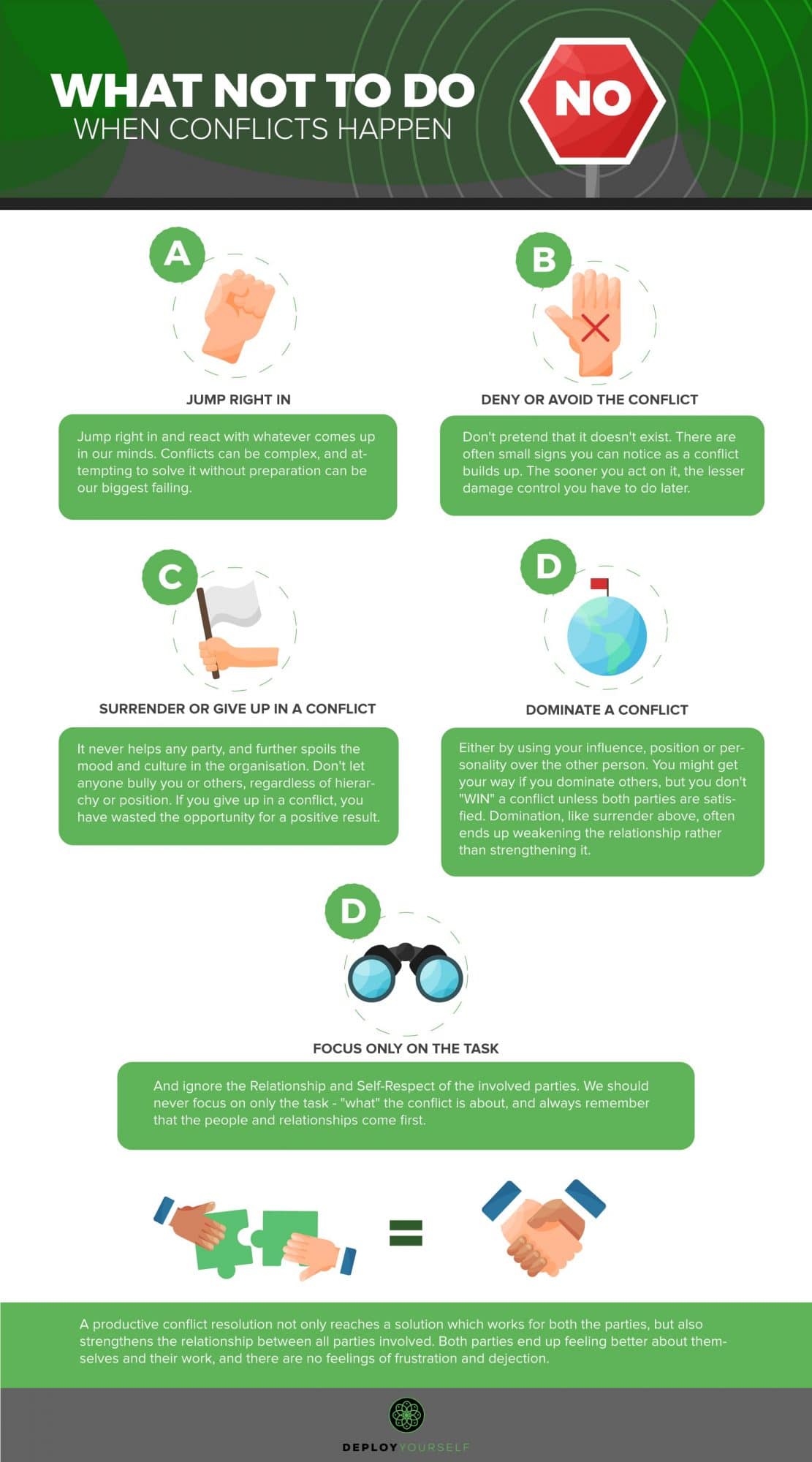
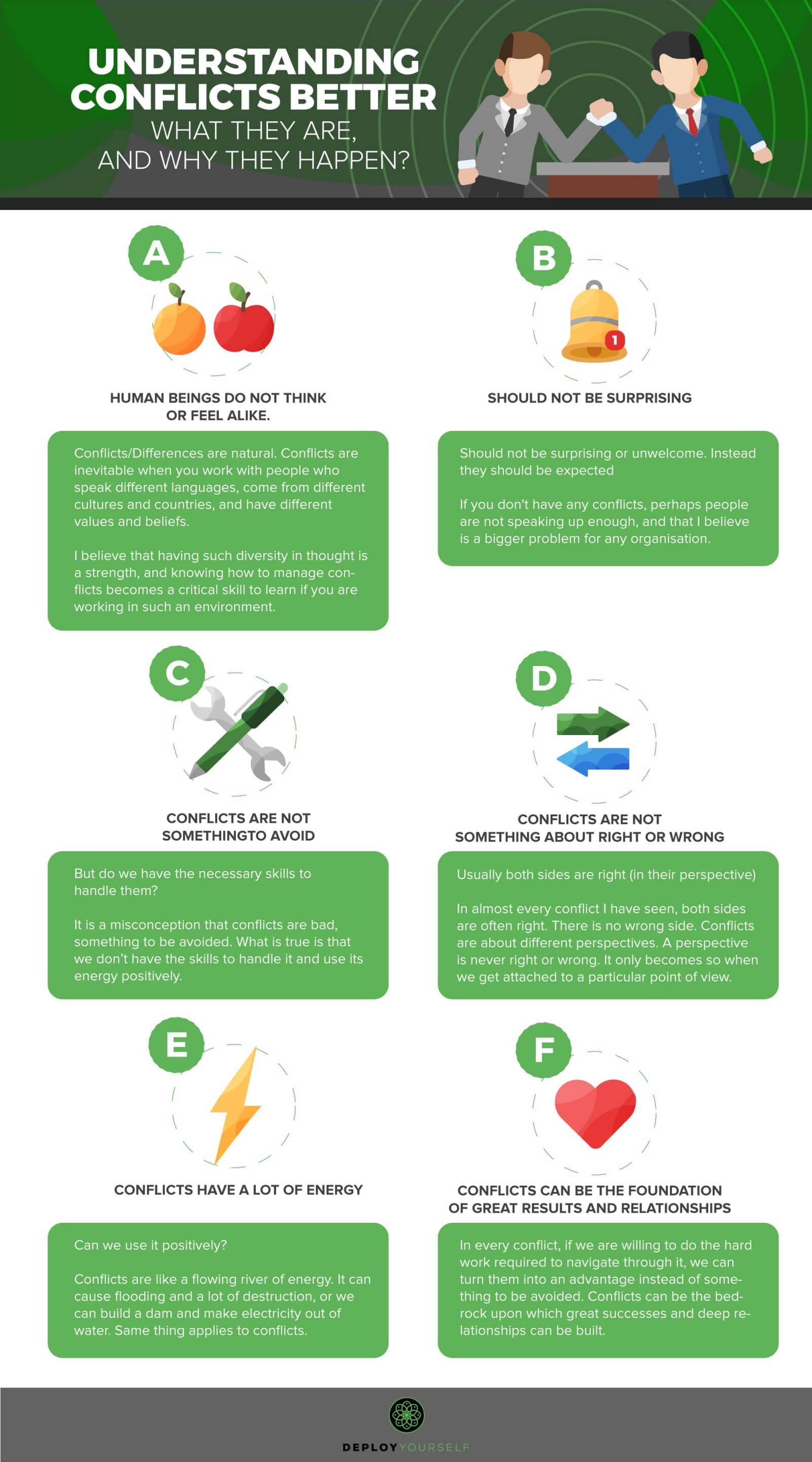





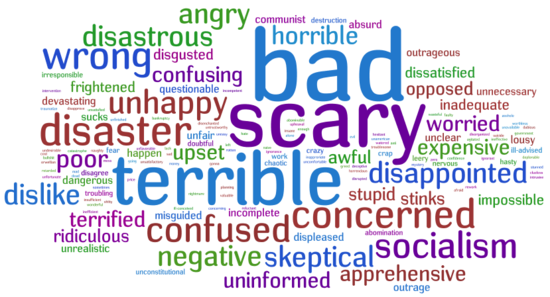
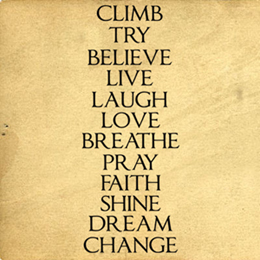
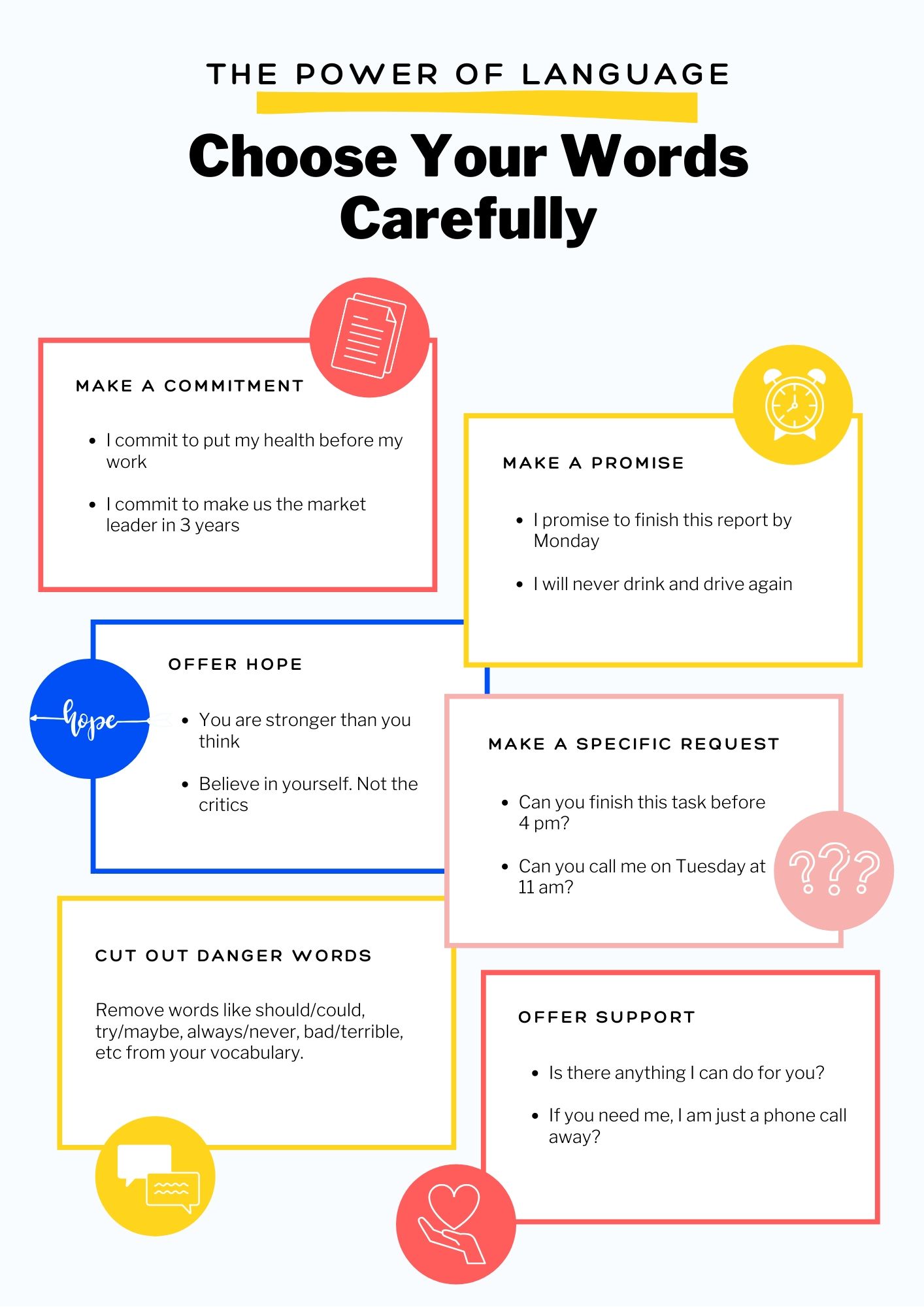




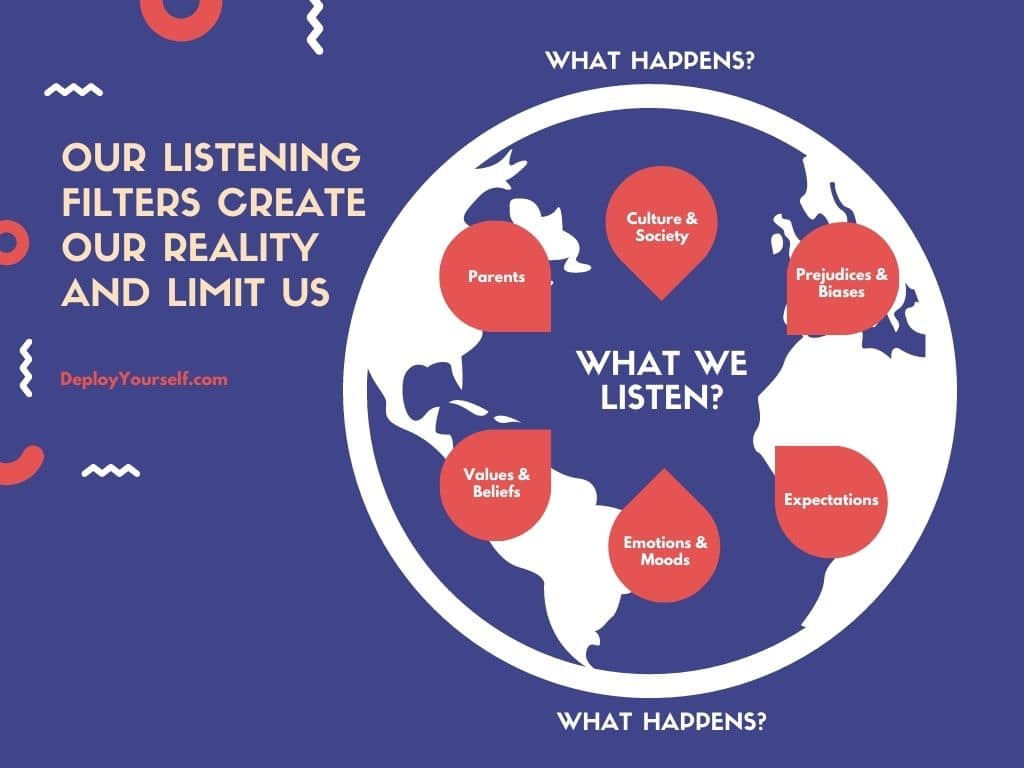

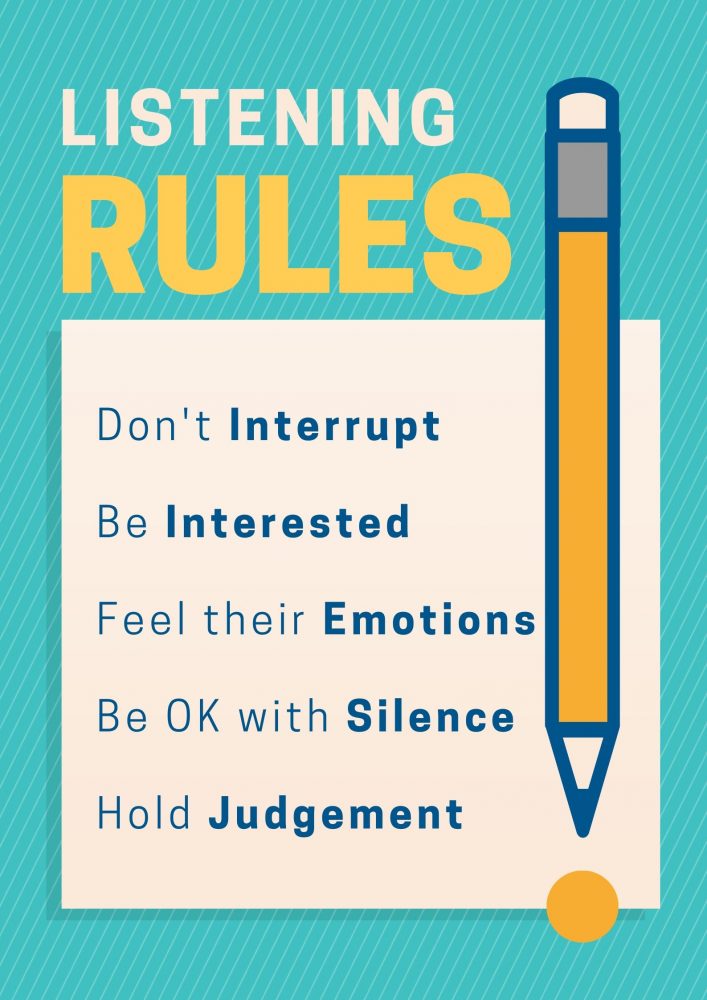

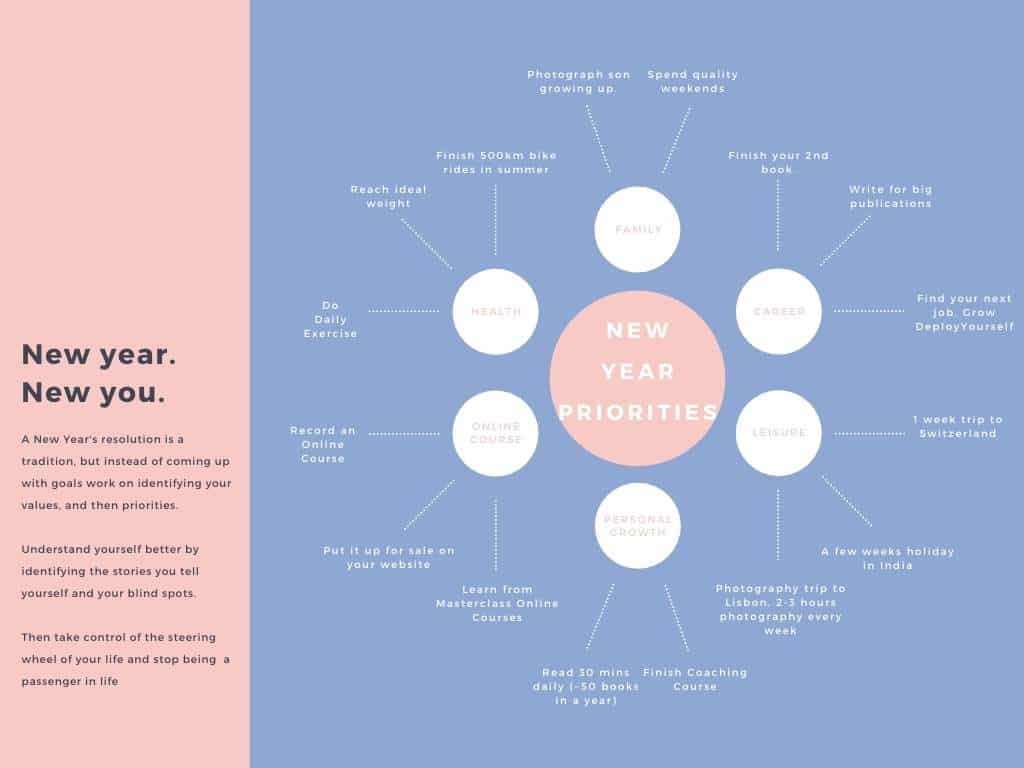
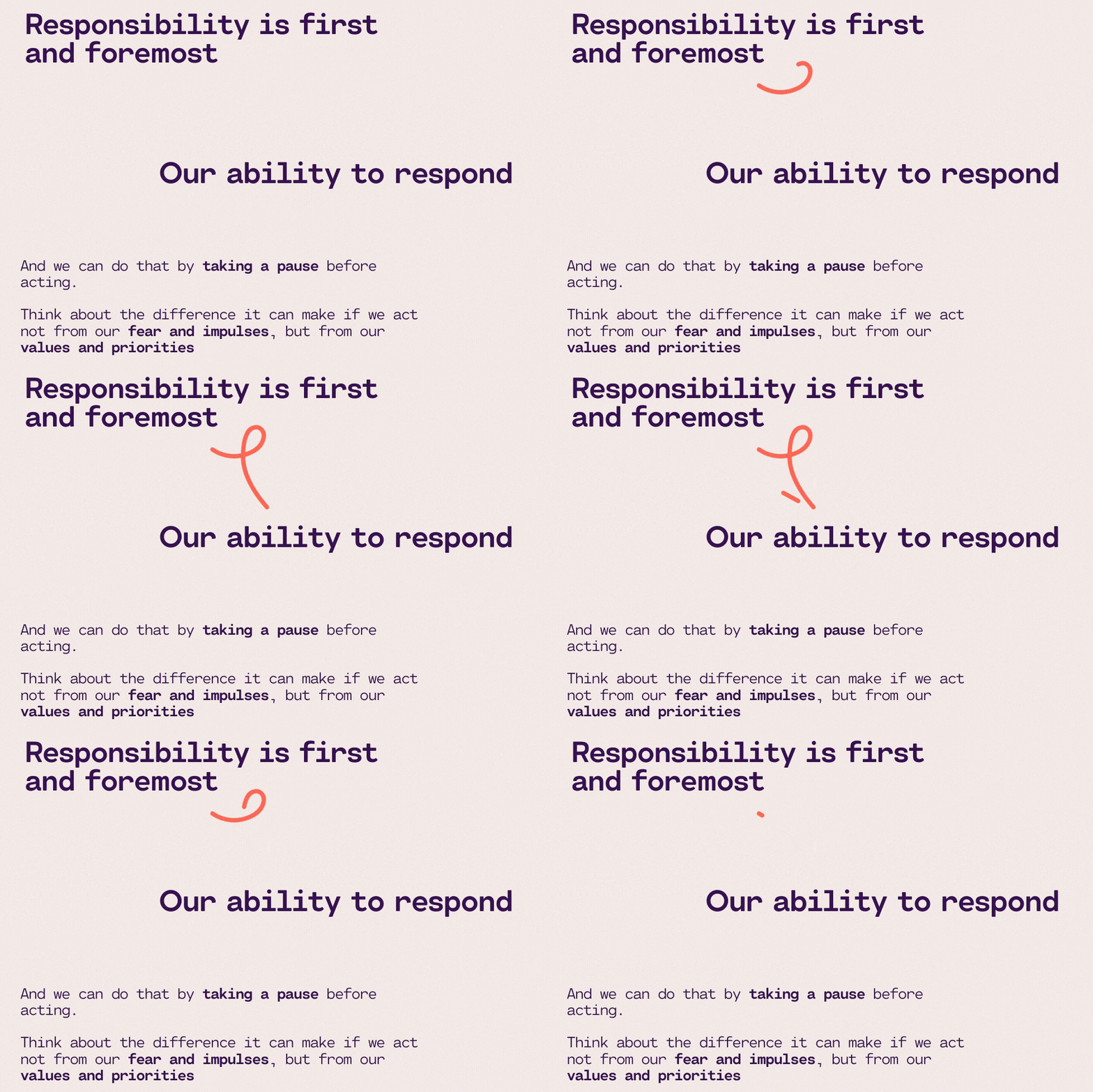
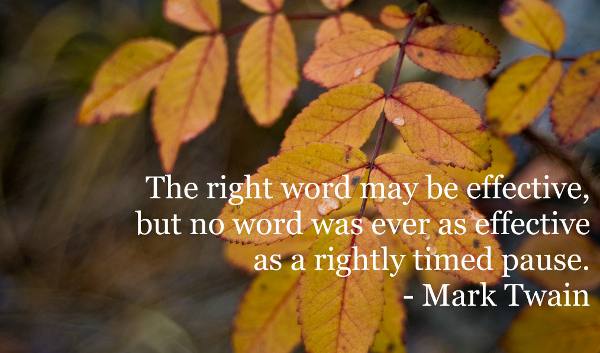
 Commitment