creativity

  • 5 Research Backed Reasons Taking Regular Breaks Can Help You Get More Done

    If you have a lot to do, take regular breaks. Find out about the counterintuitive advice of taking breaks to get more done.

    Are you surging ahead in life? Is your life becoming too fast for comfort? Why not take a break?

    What did I just say?

    Do you think you have a lot more to achieve and you just can’t afford to take breaks? Does this sound like your life?

    If this looks like your life, you are not alone. Many people find it difficult to switch off from their daily activities. They feel so busy achieving their goals and targets that they do not have time to have a break.

    I am afraid they are grossly mistaken. Research has shown that a break can do wonders to increase your efficiency and productivity. Breaks have a direct and positive relationship with productivity as well as well-being.

    In this article, I will share the 5 benefits of taking regular breaks and 5 ways to take them.

    Understand Science Based Facts About Emotions and Ease Your Shoulders of Their Burden
    Too Much To Do, Take a Break?
    .

    Benefits of Taking Regular Breaks

    .

    1. Helps Our Brain To Focus Better

    Research shows that regular breaks help us to focus; thereby, allowing us to process information in a better way.

    Our brains get tired after continuous work, and taking regular breaks helps our brains to relax. Our brain demands time to rest, regroup, and gather its thoughts. We are then able to focus better when we resume work.

    For example – you do yourself more harm than good if you skip your lunch when you are in the middle of work that demands intense focus. It’s just like how an athlete allows his body to rest after an intense training session.

    2. Helps To Generate New And Creative Ideas

    Research has shown that when we take a break, our brain doesn’t just stop functioning. Instead, it is busy digesting different ideas and making connections between them.

    Have you ever solved a problem, or got a new idea while taking a shower or another non-cognitive activity? That is because our brains make sense of our experiences when it gets a break.

    A brain at rest doesn’t mean an idle brain, and that is why we often get new and creative ideas during a break.

    3. Healthy For Our Mind Snd Body

    Today’s fast-paced work culture takes a heavy toll on our mind and body. Work is the most prominent source of stress and we often run the risk of burnout, without even realizing it.

    Constantly working and not moving much puts us at a higher risk of several diseases like heart ailment, diabetes, and depression. Taking regular breaks to move around can lead to increased energy levels and improved health.

    It also decreases exhaustion by returning our psychical and mental systems to their base levels. Besides, a relaxing break helps a great deal to reset our mood. Thus it reduces stress and promotes our wellbeing.

    “All that is important comes in quietness and waiting.” ― Patrick Lindsay

    4. Helps Us Make Better Decisions

    A well-deserved break allows you to have a good look at the bigger picture and make better decisions. When you are too engrossed in a complex task and your brain gets tired, you are easily distracted from what is important, and you tend to procrastinate. In a state of busyness and overwhelm, you also tend to make poorer decisions.

    When you take a break, you give yourself a chance to reflect on your priorities and goals. Your motivation goes up and you can assess whether you are giving due importance to the right tasks/projects. This will help you make better decisions.

    5. Help Us Do More And Be More Productive in the Long Run

    All of us want to be more productive at work, right? Research proves that taking breaks refreshes our brains, re-energizes us, and improves engagement levels.

    All of the above directly lead to higher productivity over the long term. You might think you can do more in a long day, but you can’t sustain that pace without risking burnout or other health issues. Taking regular breaks and reducing your work hours will make you more likely to sustain that pace for the long term.
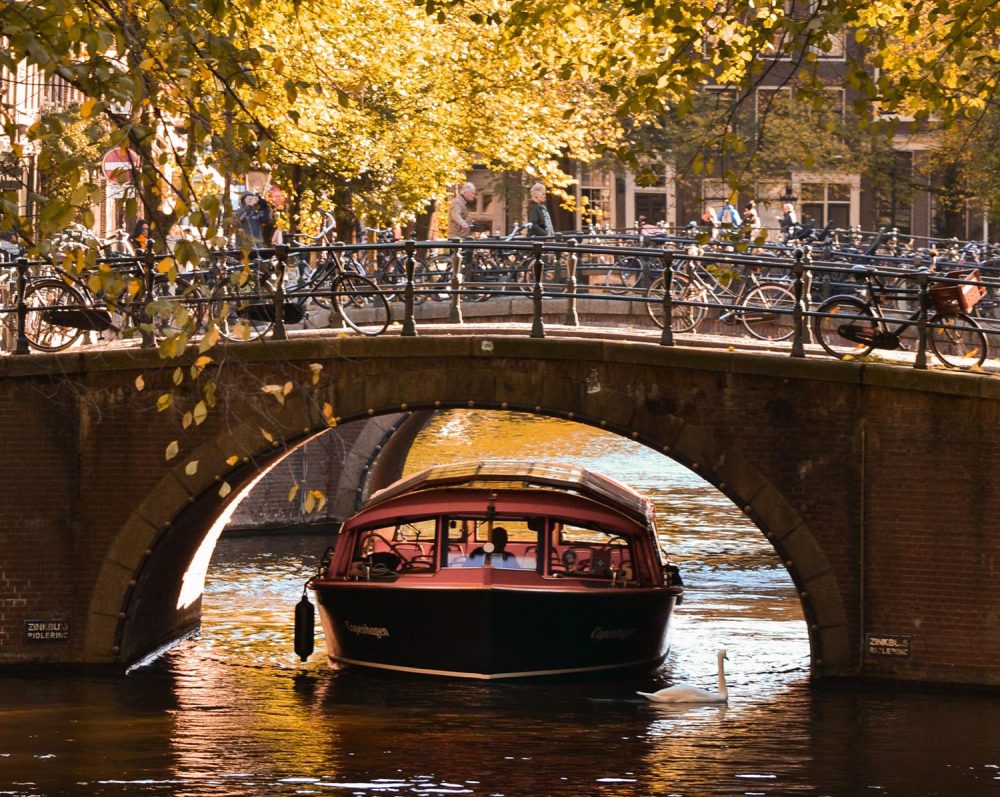
    Taking A Break Beside a Canal in Amsterdam
    The Canals in Amsterdam Are My Favorite Location To Take A Small Break
    .

    How To Take Breaks?

    .

    As we have seen, taking small breaks regularly can be of immense value to your health and productivity. Now let’s take a look at 5 different ways we can do that despite our busyness:-

    1. Take a Walk in Nature

    Take a stroll amidst nature. One recent study has shown that it is a wonderful remedy to calm your mind. They call it a “nature pill”.

    By nature, any green area would do – a small park in your neighborhood, or if you have a water body (river, lake) nearby. Personally, I love walking in Amsterdam because the presence of water eases off any stress I might have.

    2. Pomodoro Technique

    This is a method of time management developed in the ‘80s. It breaks down work into time intervals (usually 25 minutes), separated by a short break of 5 minutes. These intervals are called Pomodoros. One can extend the break duration to 15 or 20 minutes after about 4-5 Pomodoros.

    You can give it a try. You may download any Pomodoro timer app on your smartphone and split your workday into short bursts of Pomodoros. Do ensure though that you step up from your desk and do something completely different for the break duration.

    3. Notice What Is Going On Around You

    Being mindful of little things going around you is another way to give your cognitive brain a break. Take a few deep breaths and relax your mind and body.

    Notice the faces of people around you – the smiles and the frowns. Notice the different sounds you can hear – birds chirping, people walking, of a printer or a coffee machine, etc.

    Doing such mini-meditations for even a minute or two has been shown to be helpful.

    4. Take A Small Nap

    A small nap of 10 to 20 minutes during the day is one of the proven ways to rest your brain and increase not just your health and well-being, but also your productivity.

    A Small Nap Can Help Improve Productivity
    A Small Nap Can Help Improve Productivity

    5. Engage Your Right Side of The Brain

    Most of our cognitive tasks which involve thinking and logic happen on the left side of the brain. Another way to give our brains a break is to do something that engages the right side of the brain – which is more creative.

    Drawing, painting, listening to music, or just imagining and visualizing are some of the ways to engage our right-side brain and give our thinking (right side) brain a break.

    .

    Resources

    1. 12 Quick Mini-Meditations to Calm Your Mind and Body
    2. Why Your Brain Needs More Downtime
    3. The Overwhelming Benefits of Power Napping
    4. How to be Happier and More Productive by Avoiding ‘Decision Fatigue’
    5. Is It True That “Movement Is Medicine”?
    6. To Become a Better Writer, Be a Frequent Walker
    7. Research Reveals How to Take a Better Break

  • Five Things We are Not Teaching Our Children

    We live in a world today where we have luxuries available which has never been available for any previous generation. Today we can travel to any part of the world within a matter of hours (and not months), we can talk and interact with our friends and family real time anywhere on the planet, and that too free over the internet. We live in a world where information about any topic is readily available on our handheld device or computer. We have GPS in our phones and in our vehicles and can never get lost. Companies have employees working in different countries and time zones collaboratively. Globalization is truly upon us.

    With our children and next generation growing up in environments where they get access to a laptop and smartphone before they access books, where they get access to video games before learning what sports and games really are, don’t you think our children are missing some very important life skills which all previous generations had the opportunity to experience? In an ever busy and fast paced world where everybody is running, don’t you think we are missing out on life? Below are five skills which I think our younger generation is being deprived of :-

    1. Simple Living and Self Sustainable Communities
    While we have the latest cars and metro systems in our cities today, and can get pre-cooked food home delivered free to our homes, which is ready to eat after a few seconds in the microwave, aren’t we depriving our children of basic human activities like walking amidst nature (be it a park or a road) or the thrill of growing our own vegetables and then the excitement of the art of cooking with different masalas and ingredients. In the modern world, we have turned many such arts (cooking, walking, gardening) into just products available over the shelf. But can we also buy the lessons and values one gets doing these simple activities?

    Life is simple. It was never meant to be globalized. We have commercialized our lives in the wave of consumerism like never before. Man doesn’t need more than water and fresh fruits and vegetables to survive, yet why our definition of drinking has more of Coke, Pepsi, Budweiser instead of just plain water? Why our definition of eating involves going out to a fast food joint and gulping on that latest pizza or burger? For kids growing up in this environment, aren’t they missing the values of self-help, sharing and community. Globalisation has brought a lot of good and prosperity in this world, but there is a world possible without it, and our kids need to know that.

    Isn't something eery about this pic?
    Isn’t something eery about this pic?

    2. Our Ancient Treasures of Knowledge
    Coming to our education systems and the kind of knowledge we are giving our students, we have the best in class international schools with air conditioned rooms and global syllabus available today to ‘better’ prepare them for the ‘changing’ world. While we teach all about modern mathematics, technology, science and all about which careers to pick and what businesses to join, what happened to our ancient treasures of knowledge which I feel could form a very strong backbone for whatever careers they choose? The ancient treasures of our religion, of our society, the different mythological tales and the invaluable lessons in them. Why are we not teaching the treasure of wisdom found in our Vedas, Gitas, Qurans and Bibles to our children?

    3. Dignity of Self and All
    We live in a fast paced world and society where stepping over others is as common as passing people on the street or at work without even having the time to say ‘hi’. How many of us have people around us with whom we work and interact daily (our co-workers, grocery shop-keepers, maids, neighbors) but hardly know anything about their lives? Stepping over others in the race to be successful is considered fair, and big scandals and scams are reported everywhere, from politics to business. The same is true for us – we are riddled with stress, worry and depression over a small loss in business or money. What happened to the value of dignity of a human being? Are we teaching our children (and ourselves) that we are not defined by our money or possessions, and that while they may be important, an abundance of them doesn’t make us any richer or better than any other human being? And in the same vein, the lack of man made stuff like money, status and possessions does not take away anybody else’s dignity and make them smaller or less privileged than those who have them?

    4. Creativity
    In this world of cut copy paste where everything is available ready made and pre-packaged, the future generation is missing out on the art of assembling things together and creating something new and useful. Rather the consumerism society we live in today focuses more on use and throw. The art of creativity, of thinking of a hundred new ideas and then having fun while trying them out is what makes us prepare our muscles for the tough times, but the question we need to ask is – Is our younger generation learning this skill?

    5. Discipline
    I think we are giving our children all the wrong ideas of which rules to follow and which not (not by telling them, but by the experience they have). By growing up in a capitalist economy where everyone is in a race to get ahead, we have all seen the numerous scandals, and the ever prevailing corruption in our day to day activities. By living our lives in a certain way, perhaps we are not setting the right example for our future generations to lead their lives in a disciplined way. We are not teaching them what their rights are, and how to fight for them in a dignified manner rather than taking the easy way out.

  • The Biggest Addiction in this World – Our Paycheck

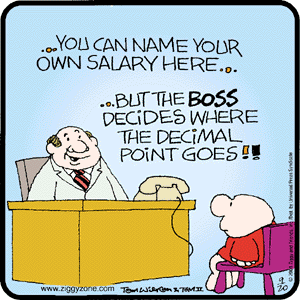
    We all talk about addictions in our daily lives and how they are bad for our health and social well being. Alcohol, gambling, smoking, drugs and sometimes even Apple products and internet find a mention in the list of addictions. But there is one addiction we miss, and once which can keep us enslaved all our lives. We will do things we don’t want to do, and not do things we so much love to do. What is worse is that we will find reasons to prove to ourselves (and to others) that why what we are doing is the right thing to do? It is like we are trapped in an illusion. Sounds familiar? Yes, it is the case with every addiction. But this time I am not talking about drugs or alcohol, but your paycheck.

    How many of us are in this situation?
    How many of us are in this situation?

    Work = Money is NOT the only way
    Right from our childhood we have been taught that work equals money. You do some work, and you get paid for it. And that is a fair deal. If that would be the case, why would 99% of the wealth in this world would reside with 1% of the population? It is the same reason why 99% of the population work for 1% of the people. The work = money philosophy says that as long as you work, you get paid but nothing in the future. What if there is a crises, or you just simply don’t want to work? Or what if we want to do something where our income is independent of the daily labor we put in? If I am not in the mood to work for a few days or weeks or months, it should not affect my income if I have done a good work before the break, and am ready to do good work after it. Don’t we all deserve this freedom?

    Capital Gains is the Alternative
    If you start thinking, you will find enough reasons to disprove of the above paragraph I wrote. After all, 99% of the people are working to prove that. We have invented schemes like pension and insurance to give us a safety net, but only after we spend our best years working so that we can relax and enjoy our freedom when we are sixty. Do you REALLY want to do that? An alternative is to do something today which is not only work but also an investment which can be reaped in the future. Entrepreneurs and artists (or the people in 1% of the positions) do that, they put in their work and get rewarded for life, in the form of stocks, royalties or any other form of capital gains. It is the same when you spend money in schools and colleges for education, for returns which will come in the future. But why do we stop doing that once we finish school and start working?

    Creativity > Work
    Some five or six years ago, I attended a conference at the FMS Delhi, which is one of the leading business schools of India. There were corporate honchos and some of the best leaders India has produced at the conference, and I very distinctly remember what one of them said. He said, “These so called success stories of India like Wipro, Infosys, TCS are destroying the talent and creativity of our young population by hiring them in big numbers and paying them good salaries. By giving them a comfortable life, they are killing their creativity and spirit. India has traditionally been a self-employed and entrepreneurial society, and such an attitude is discouraged when you have a stable job with limited growth and learning.

    Every time money is injected into our account (like drugs in our body), we feel high and confident which eventually fades away by the end of the month. Stress makes a comeback and we start counting the days to our next salary, which once again creates euphoria and the cycle continues. Nothing can be worse when you show up for work which you don’t like just for the sake of getting the salary on the 1st of next month. Or ask yourself – Would you still work here if you don’t get the regular salary every month?


    Can we break this addiction, and own our salary rather than ending up being owned by it?

anger anna hazare bangalore business challenge coaching conflict conversation corruption Cricket culture dandi march emotions energy friends fun gandhi giving gold growth hope india jan lokpal bill language leadership lessons Life listening love moment mother movie new year people perspective poem sachin tendulkar saleraja trust values walk waste women words world cup