conflict

  • 9 Steps To Make The Most Out Of Difficult Conversations

    “The right word at the right time will unlock the door to treasures – the wrong one will close it forever” – Rasheed Ogunlaru

    Think about a discussion you have been planning to have with your manager. For example, to ask for a raise. Perhaps as a manager, you may need to terminate an employee or resolve a conflict with a co-worker.

    These are some of the many difficult conversations that we have to deal with quite often. However, it is important to realise what makes a conversation “difficult”. It is not the conversation itself that makes it difficult. It is our communication skills (or the lack of it) that make them appear difficult.

    There are many situations in our daily lives when such conversations are necessary. Still, it can be a challenge for many of us, including managers and leaders.

    Be it in our professional or personal lives, none of us enjoy having difficult conversations. We all love to hold on to our views and opinions, and don’t like being challenged. Our underlying fears prevent us from facing such conversations head-on.

    But avoiding such a conversation does not resolve the issue either. While we tend to steer away from conflicts or disagreements, quite often, such discussions are unavoidable. The chances are, a delay in the discussion will make the situation even worse. 

    In reality, making the most out of difficult conversations is extremely important for our personal and professional growth. Let’s see 9 steps explaining how to do that.

    How to Go About a Difficult Conversation?

    You’re not learning anything unless you’re having the difficult conversations.” – Gwyneth Paltrow

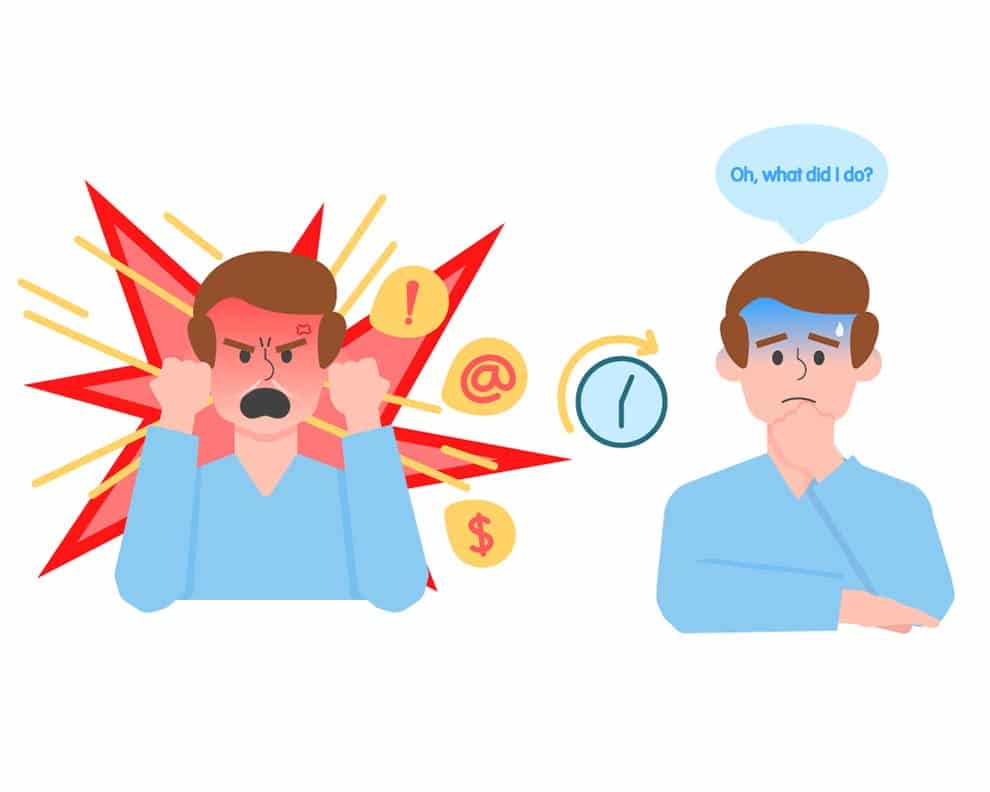
    Millions of years of evolution have taught our bodies to react in a certain manner to external threats. In moments of stress, our bodies react by releasing chemicals like cortisol that increase the heart rate. 

    This is often termed “amygdala hijacking” by psychologists. As a result, we often overreact or behave irrationally. Basically, the neurochemical interactions in the brain make it even harder to think straight and behave rationally.

    I believe being ready for tough conversations makes us better equipped to face challenges in life. When done in the right manner, difficult conversations have the potential to enhance a relationship and produce ever-expanding results over the long term.

    While there are no defined rules for handling difficult conversations, I have found that these nine crucial steps can make a big difference.

    1. Set the Right Context 

    The right conversation in the wrong context is the wrong conversation. The first step is to set the right context for the discussion. The best leaders know how to set the tone of the conversation and guide it towards the desired outcome. Here is an example:

    Imagine saying this to a client- “We need to talk about the project timelines being missed repeatedly from your end.”

    Instead, try this- “ I wanted to divert some of our best talents to your team, but the project timelines keep shifting. Let us discuss the best ways to frame a workable schedule.”

    Without context, we tend to react to what is being said rather than considering the bigger picture in mind. The right context helps keep the focus on what is really important. 

    Before you enter a difficult conversation, take some time to prepare for it. While a casual approach does not help, rushing through a serious conversation is also the wrong approach. Also, give the other person enough time to prepare instead of catching them by surprise. Are you going into the conversation to prove your side of the story and to prove them wrong? Or, are you going to the conversation to solve a problem together?

    The right context also helps to understand the social, psychological, cultural threads that are involved in the conversation. Have the discussion privately by creating a safe and congenial environment. It is important to enter the conversation as a “learner” willing to learn something new rather than as a “knower” who is there to prove something. You can also set up some mutually agreed ground rules to avoid misunderstandings and stick to the facts.

    2. Be Willing to See Another’s Perspective

    You cannot reason people out of a position that they did not reason themselves into.” ― Ben Goldacre

    To clearly perceive an issue, you need to also understand the perspective of others. Many times, we use our perspective to understand others. However, this might be completely different from their perspective and can cause friction in the conversation

    In the personal or professional world, there are hardly any situations when two people absolutely agree with each other. The fact is, disagreements are normal and they do not need to hamper a discussion. 

    David Maxfield, the co-author of the book Change Anything: The new science of personal success, sums it up perfectly – “Ignoring the disagreements doesn’t work, and turning disagreements into fights doesn’t either. The key to a successful relationship is how you handle the inevitable disagreements.” 

    Good leaders know that healthy arguments can be an integral part of creative problem-solving. The important thing is not to get stuck by the disagreement but to look deeper and understand what both parties really care about. Conflicts arise in a conversation when we fail to understand what is important to the other person. 

    To avoid that, we need to listen attentively and go deeper than their positions to understand what they really want. Deep listening helps us understand the feelings and viewpoints of the other person. Leaders need to be open-minded about understanding different perspectives. 

    3. Separate Facts From Opinions

    “Every man has a right to his opinion, but no man has a right to be wrong in his facts.” – Bernard Baruch

    What is the difference between a fact and an opinion?

    Basically, a fact is a statement that can be proven true or false by a reliable authority. But an opinion is a personal view that cannot be verified. Opinions can be based on individual feelings and emotions. 

    Also, a fact is universal, but opinions can vary from one individual to another. Take this conversation for example:

    “That movie has been a blockbuster according to New York Times and is number 1 on the box-office charts.”

    “Is it? I found it boring.”

    While the first statement is a fact, the second is an opinion. People often confuse the two, and that can be misleading during a conversation.

    Asking the right questions is extremely important to get the facts underlying an opinion. Questions can help you to differentiate between facts and opinions. Once you have the facts and the data, use them to analyze the situation together. A statistical/logical approach also helps you to separate the objective reality from the subjective.

    In addition, you can also summarize each other’s understandings or note them down. This will ensure that you are on the same page. As a result, proceeding with a difficult conversation can get much easier. 

    4. Mutual Respect

    “I speak to everyone in the same way, whether he is the garbage man or the president of the university.”– Albert Einstein

    Mutual respect is to a conversation what oxygen is to humans. Take it out and the conversation dies. Being respectful goes much beyond the use of “please” and “thank you” in a conversation. True respect lies in understanding, courtesy, and kindness for another’s opinions.

    For this, there are two important steps. Firstly, you should listen to the other person without criticizing or indulging in any form of personal attack. Secondly, you need to be aware of how you are treating the other person. No two people are the same, so understanding their individual perspectives is very important.

    Even if you feel frustrated during a conversation, avoid negativity. Insulting or ridiculing the other person will lead to a loss of respect. Good leaders do not allow their emotions to hijack their responses at any moment.

    Emotions can be a big asset in a difficult conversation (as they can reveal what each party cares about) but they should not be allowed to overpower our reasoning. It is the faculty of reason that allows us to choose the best path in a challenging situation. We can then use our emotions to guide us along that path.

    Also, understand that we all make mistakes. In case mutual respect has been violated in some way, it is important to apologize. That helps in removing any ill feelings from a relationship. At the same time, it allows the conversation to move forward.

    5. Keep the Focus on the Shared Goal

    A few years ago, there was a situation when the strained relation between two engineers led to multiple confrontations and delays in a project. All it needed was a timely intervention from the manager to bring them together as members of the same team, and help them see the common goal of their discussion. As it turned out, they both cared for the project and were arguing for different ways to complete it. Once they could see that they both wanted the same end result, they themselves managed to come to a resolution.

    When people realize they want the same things, it is easier for them to work together and not against each other. Sometimes emotions can take the better of us, but it is very important to attack the problem, not each other. If you can focus on the common objectives of both parties, you can argue like comrades rather than competitors.

    6. Brainstorm Together, Not Against Each Other 

    Speak when you are angry and you will make the best speech you will ever regret.”- Ambrose Bierce

    A difficult conversation need not be a victory for one and a loss for the other. A conversation is about finding solutions and not about seeking victory for the ego. Rather, it can be an effective brainstorming session for the generation of ideas and finding solutions. 

    At the same time, it should not be a temporary compromise to keep the ball rolling. An open conversation that can explore the root cause of any issue is required to get over an impasse. In reality, when individuals work against each other, the business is the real loser.

    By brainstorming and allowing the creative juices to flow, you can look for a 2+2=5 outcome. This simply means the sum is much greater than the individual parts, or the final solution works better for both the parties involved.

    7. Express Gratitude

    Appreciate everything your associates do for the business. Nothing else can quite substitute for a few well-chosen, well-timed sincere words of praise. They’re absolutely free and worth a fortune.” – Sam Walton

    Always be thankful to the other person for participating in the conversation. This important step can create a positive mood for driving the discussion forward. However, it is often overlooked during a conversation.

    Offering thanks shows appreciation for the other side’s efforts in the conversation and helps to strengthen the relationship. Thankfulness allows individuals to focus on the positive aspects instead of being trapped by negativities. Genuine gratitude is also a great motivator. It expresses confidence in the future.

    As a leader, you can also assure the person of your help and support. It is also important to display a positive outlook during the conversation and express confidence in the abilities of the other person. This can result in positive interactions during a conversation.

    8. Make Sure to Follow Up

    It is wrong to assume that the task is complete once the conversation is over. No conversation is fruitful unless it leads to the desired changes and outcomes. You need to follow up and make sure that what was discussed and promised is being done.

    Note, following up is not about finding faults, but about keeping track. Both parties are mutually accountable for the outcome of the conversation. But we all know, agreeing to change our behaviour is a long way from actually changing it.

    For a leader, follow up is also an opportunity to collect and share feedback. Feedback is vital for making any changes to the decided plan of action.

     9. Reflect to Become Better

    Once a conversation is over, we can reflect and learn lessons from it for our next conversations. We all make mistakes in the heat of the moment, so it is important to reflect and learn any lessons for future conversations.

    Here are a few important aspects that can be improved in most cases.

    • Expressing our emotions aligned with our values rather than suppressing them or exploding
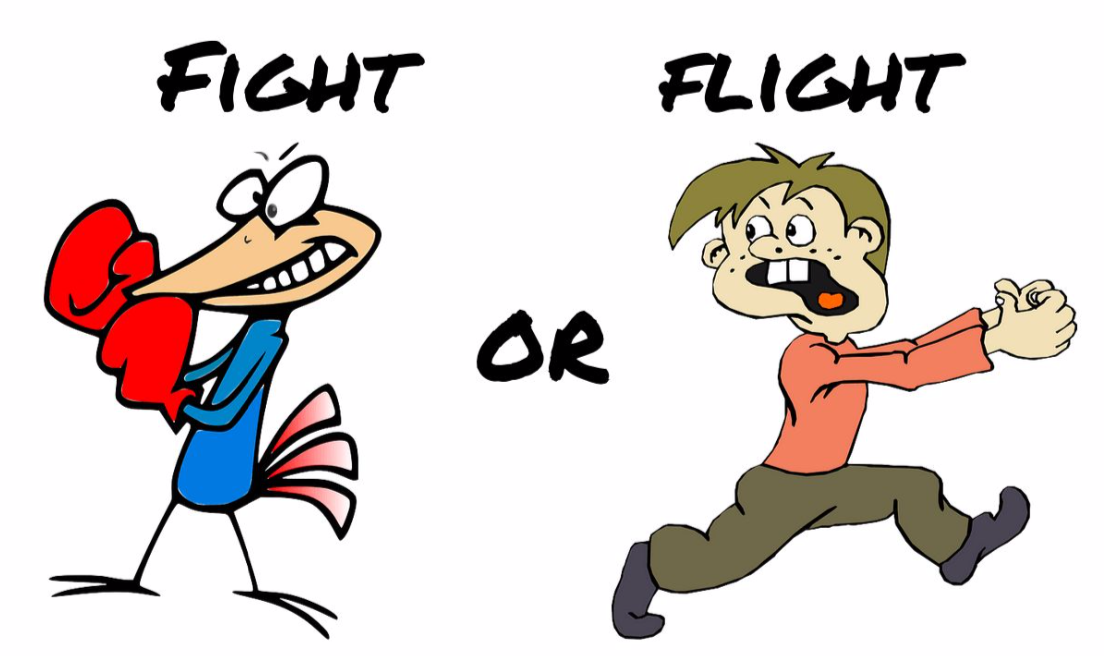
    • Enhancing self-awareness and recognizing the signs of “fight or flight”.
    • Using the right words and body language
    • Directing our emotional energy towards the common objective

    As with all other skills, the art of dealing with difficult conversations will get better as you reflect and practice. As you practice, the conversations remain the same. However, they stop being “difficult”.

    Conclusion

    We all deal with difficult conversations from time to time.  When we act in a “my way or the highway” manner without considering the views of the other side as legitimate, it becomes very difficult to make progress in conversations.

    But it is best to handle them proactively by overcoming our fears and hesitations. At the end of the day, it is important to keep your eyes on the shared objectives of both parties. A good leader is one who is ready to address difficult topics and look for win-win results, also strengthening the relationship in the process.

  • Why Anger Is The Most Compassionate Human Emotion? And 3 Ways to Use it Productively?

    “Anger is the deepest form of compassion,” poet and philosopher David Whyte wrote.

    Most people do not associate anger with compassion. In fact, at first glance, it looks and feels like the exact opposite of compassion. But as with most emotions, the more attention we pay, the more aware we can be of what our anger is trying to tell us. In this article, I want to present a different take on anger – seeing anger as the most compassionate human emotion. Taking this unusual perspective about anger can reveal a lot of useful insights. Let’s get started.

    On the surface, anger looks like an ugly emotion. The feeling of an intense fire that threatens to burn not just the target of the rage but also ourselves. We have all been through that. It is in those moments when we know we are going to explode, but can do very little to stop it — that we realize the energy of anger. Often we end up spending it destructively (shouting, hand waving, punching a wall).

    Every 2 weeks I share my most valuable learnings from living life fully in my Deploy Yourself Newsletter. Sign up now to download a workbook with 164 Powerful Questions which I use daily in my work and coaching. Allow these questions to transform your life and leadership.

    What is Anger?

    Anger is a natural human emotion. Anger is one of our most primitive biological responses, and everybody experiences it. Anger is a legitimate emotion, and there is nothing wrong with it. As my mom used to say, anger is our inability to deal with what we care about, and the vulnerability that comes along with it. We get angry when we don’t know how to react (to events around us) normally.

    A lot of people see anger as a negative emotion. I wouldn’t categorize anger as negative. Instead, anger can be our guiding light. It can be a mobilization force to deploy ourselves in the face of circumstances. Every time we can do that, it strengthens and helps us behave in a way we can be proud of. Seen this way, anger is a very useful emotion.

    Anger is very useful to avoid and navigate fear and threat when our survival is at stake. The human species would not have survived unless it had been for anger. I’ve never met a human being who doesn’t feel anger. Everybody gets angry at some point in their life. People might have different thresholds for anger. People might react to anger in different ways, but everyone gets angry.

    Anger from Psychological Point of View

    Anger is a secondary emotion. What that means is that it can hide more emotions behind it. For example, anger can hide frustration, sadness, or even grief behind it. Anger is also not a static emotion. Your anger can range from mere irritation, on the one hand, to rage on the other hand. Anger can be triggered suddenly or it can linger deep inside yourself.

    Physical Manifestation of Anger

    Everyone reacts differently to anger, but there are some common physiological changes associated with it. It causes our heart rate and blood pressure to go up, and we feel an adrenaline rush when we get angry. We get a sudden rush of energy and an impulse to react in a particular way – banging our fists, cursing, shouting, venting, throwing things, etc.

    Anger is harmful to your health. It causes stress and anxiety, and it can cause long term harm like heart attack and depression. It is not only harmful to our own health, but it is also harmful to people around us, and our relationships. In anger, we tend to lose control, and we can do things that we might regret later. If we look back in our lives we can all see moments of anger where people have left a trail of destruction behind them.

    Neuroscience Point of View

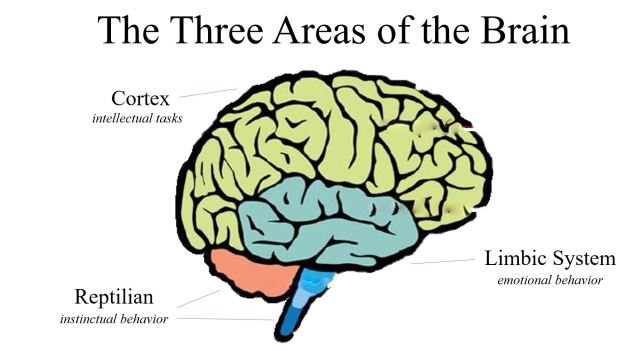
    The primary function of our brain is to ensure our survival. When it comes to emotions and how we operate on a day to day basis, our brain comprises of 3 partsthe Neocortex (the thinking brain), the Limbic System (the feeling brain), and the Basal Ganglia (the reptilian brain). The Amygdala is the deepest and most critical part of the limbic system. It is most commonly activated when dealing with intense emotions. It triggers what is called the fight or flight response.

    Research proves that when we are emotionally overwhelmed and experience a threat to our physical or psychological safety, our amygdala is triggered before our neocortex (the reasoning part of our brain) even knows about it. When this happens, the amygdala decides our behavior (the fight or flight response) and it is called an “Amygdala Hijack”.

    Anger Short Circuits Our Brain

    This is what happens when we experience physical symptoms like a racing heart, sweating palms, or a shaking body — even in situations with no physical threat. Our ages-old survival mechanism kicks off and makes us react to things primitively before the rational brain has time to think things over.

    This is one of the reasons emotions are good messengers but very bad masters. Our anger can tell us a lot about what we care about, but if we let it take over, it can short circuit the thinking part of our brain. When that happens, we react rather than respond to the situation.

    “The truth will set you free, but first it will piss you off.” ― Joe Klaas

    At the same time, just like any emotion anger can tell us a lot about ourselves. Anger has the power to clarify our thinking and reveal our moral lighthouses. But only if we are willing to listen. There are 3 ways we can use anger productively rather than let it destroy us and our relationships:-

    1) Listening To Anger Reveals What We Care About

    If we pause and reflect, anger can reveal what we deeply care about. For example – I once got angry at my manager. After reflection, I came to understand that the anger was not against the manager but against unfair behaviour. Once I realized that I was able to respond in a better way, and it revealed one of my deepest values to me – fairness and justice.

    The more attention we pay, the more we can be aware of what our anger is trying to tell us. Anger can be our guiding light and a force to deploy ourselves in the world around us in a healthy and productive way rather than destructively. As I mentioned earlier anger is a secondary emotion. It hides many emotions behind it, but we can look deeper and figure out what those emotions are.

    One way we can listen to what anger is trying to tell us is by separating facts from stories and assumptions which we might have made. Our minds can fool us easily. A thought comes into our mind after something happens, and we believe it to be true. In such moments, we can instead stop and validate each assumption which our mind is making before believing it. Whether it is true or not, or is it a story?

    Anger can show us the way ahead, and what needs to change. Because anger tells us what is not okay, what we should not do, or that a deeper investigation is required, about something which is bothering us.

    2) Anger Is An Opportunity To Practice Emotional Intelligence

    In the heat of anger, we stop listening. We are only burning in rage. But after the immediate impulse of the anger is gone, it is an opportunity to practice emotional intelligence. And as with all skills. It gets better with practice and time.

    Anger always comes along with a temptation to react. But seen another way, every time we get angry, it is an opportunity to express ourselves in a way that we can be proud of. Venting out in anger can certainly give us immediate relief, but we often end up damaging relationships and our reputation in the process. Not giving in to that impulse is an opportunity to practice emotional intelligence.

    You might think that when angry, you can’t stop yourself from reacting. And this is why you hate being angry. But the truth is that anger is not the culprit here. Instead, it is you who lacks the ability to understand, reflect, and act responsibly in the face of your anger. Anger provides us with an opportunity to use the energy of our anger productively. When we do so, we strengthen relationships and build a strong reputation backed by responsible behaviour.

    3) Anger is Love, and It Shows Your Commitment

    We often get the most frustrated and angry at those whom we love or care deeply about. The opposite of love is not hate or anger, it is indifference. So when we see people in love fighting, it is not that the relationship is going downhill. Instead, it is a sign that the relationship has a lot of care and sincerity that is often expressed in anger. To expect anger to not arise in love is to not understand love at all.

    You get angry because you care. You get angry because you love somebody, because you love a cause or because you love a certain value. You get angry because you want to reach an important goal or you see a possibility in the future. Something happened which violates that commitment you have to the person or to the cause or to the future goal. That is what makes you angry, and that is what we need to discover.

    Have you noticed that when you are angry, you cannot think of anything else? It is because anger brings tremendous clarity with it, and forces you to focus on the current moment. If we can honor our anger instead of denying it, we can usee its energy. This energy arises because we feel vulnerable in love. If we can see it for what it is, we can use the force of anger to enrich the love which is at the root of anger in the first place.

    Every time you are angry at someone you care about, take a moment to celebrate your commitment to the person or the relationship. Your response can change massively if you keep this commitment in mind in that moment of heat. Your anger is there to serve you and your relationships, but only if you are willing to pause and listen. You get angry because you love. Allow this love to strengthen the relationship rather than weaken it.

    Conclusion

    Understanding anger on a deeper level can be poetically beautiful. Once you learn to stop acting out impulsively and express your anger keeping love and care as the underlying commitment; you can channel it to nurture the relationship. We all feel anger, so in a way, anger connects us all. It is what makes us human.


    References

    1. Amygdala Hijack and the Fight or Flight Response
    2. How to Turn Your Brain from Anger to Compassion
  • Can We Walk in Another Person’s Shoes? Why Empathy Might Be The Most Important Human Ability?

    On a recent archaeological dig in Man Bac in what is now northern Vietnam, a team of researchers made a remarkable discovery. While unearthing the remains of some Stone Age people who were buried 4,000 years ago, they discovered one young man who had been placed in his grave differently from the others: he was curled in the fetal position.

    It turned out he was laid to rest as he lived. Further examination showed that this man suffered from a rare congenital disease that fused the vertebrae of his spine. It would have left him paralyzed from the waist down from the time he was a small child.

    Yet the scientists concluded that this young man lived a good ten years past his adolescence. That means that for years, perhaps decades, others had to care for him, feed him, keep him clean, and keep him safe from danger.

    Why is this significant? Because this young man’s life and death show us the essence of what it means to ‘walk in someone else’s shoes.’ This profoundly disabled young man lived into his 20s only because others in his little tribe had empathy for him: they imagined what it might be like to be him, they chose to feel his pain, and they chose to experience the difficulty of his life.

    And then they chose to care for him since he couldn’t care for himself.

    That is walking in someone else’s shoes. That is the beating heart of empathy.

    Every 2 weeks I share my most valuable learnings from living life fully in my Deploy Yourself Newsletter. Sign up now to download a workbook with 164 Powerful Questions which I use daily in my work and coaching. Allow these questions to transform your life and leadership.

    What Do We Mean By Walking in Another Person’s Shoes?

    To walk in someone else’s shoes is to make an effort to grasp their point of view emotionally.

    Empathy‘ is the ability to recognize and understand the feelings and thoughts of another person.

    Perhaps most importantly, walking in another person’s shoes is the ability to not only see the world from their perspective but to feel it as if you were them.

    The Ability To Walk In Someone Else’s Shoes

    Sadly, empathy isn’t taught very well in our schools and workplaces. This is strange given that developing empathy has always been recognized as an important part of human development.

    Throughout our lives, we learn many skills that are drilled into us through regular tests, projects, and repetition. But in my experience, I’ve found that it isn’t always the formal skills – the ones like math, history, and physics – that are the most important.

    Formal Skills vs. Informal Skills

    After going through 21 years of education and now 15 years of work experience, I have learned that while the skills taught in formal education are important, the most crucial skills I have used to succeed in my career and life were never taught to me in an educational setting.

    Like most people, I was not even aware that there were other skills that I needed in order to succeed. As many of us do, I was running blind without even knowing that this blind spot was hampering my growth and success. I’ve since learned that there are a few vital informal skills that we can develop, skills that put a powerful compass in our hands to help us navigate the difficult seas of the modern workplace – and life in general.

    Vital Informal Skills

    Why Are These Skills So Important?

    Of course, having the kinds of skills we learn in school and later in the workplace are important. However, knowing how to actually achieve your goals while working together with multiple people within your company is a different matter altogether.

    A lack of empathy not only hampers our ability to be productive in the workplace, but it is also foundational to rational decision-making, building lasting relationships, and distinguishing between right and wrong.

    Without empathy, that one particular, critical skill in your tool kit – one that often doesn’t appear on a CV – you are likely to face an uphill battle in anything you’re trying to accomplish.

    “When you show deep empathy toward others, their defensive energy goes down, and positive energy replaces it. That’s when you can get more creative in solving problems.”

    – Stephen Covey

    I Hear You, I See You, I Feel You.

    To walk in another person’s shoes is to shift perspective, and to see and feel the world as another sees and feels it. The word feel in the previous statement is very important, important enough that we must take a closer look at it.

    What I mean by feeling as another person is that you must learn to not only see things intellectually from someone else’s point of view but also to feel the same emotions that the other person feels. This might mean feeling scared, tearful, or elated depending on the situation, and understanding on a profound level what has made the other person feel this way.

    Researchers have found that when we feel another person suffering, it activates not only the visual cortex in the brain but also our emotions and physical sensory receptors. Imagine witnessing someone get a paper cut: you not only sympathize with their pain, but you might also wince, or draw your own hand back involuntarily. You can almost feel the slice happening to you.

    Developing and nurturing these empathetic abilities rather than shying away from them is like a secret weapon when it comes to working with other people. It’s a foundational component of what made us human in the first place – just ask our Stone Age friend from Man Bac in Vietnam.

    So what is it that prevents us from fully understanding what another person is feeling? Why can’t we listen deeply?

    That’s because we’ve already filtered it out.

    Listening Filters, Empathy and Your Truth

    Empathy has deep roots in our evolution as a species. Developmental psychologists say that empathetic behaviors like altruistic helping and comforting others who appear to be in distress emerge in children as young as 12 months! Thus, empathy is built into who and what we are.

    However, as we get older, it becomes more and more difficult for us to be empathetic with others.

    All of us see the world differently based on our listening filters. We select what to pay attention to and what to ignore, often subconsciously, based on our particular set of experiences and knowledge. Our parents, friends, culture, values, beliefs, expectations, moods, and prejudices all combine to form such filters. These filters help each one of us create our own perceived reality and affect every decision we make.

    The important thing to realize here is that the “truth” we form by the above process is only “our” truth and not the absolute truth. Throughout any interaction, understanding that others’ perceptions of the world are equally valid as ours is key to gaining any level of understanding with them.

    Everyone has a right to form their own perception based on how they experience the world around them. Indeed, if you stop and think about our listening filters, we quickly realize that it would be literally impossible for two people to share the same “truth” in the deepest sense.

    Once we understand that our apparent “truth” is only a perspective, it allows us to view the same situation differently and accommodate someone else’s point of view. This is the foundation of empathy and is of immeasurable help in resolving conflicts.

    “Physics isn’t the most important thing. Love is.”

    ― Richard P. Feynman

    Perspective and Conflict

    Conflicts don’t occur because of different perceptions, not exactly. Rather, conflicts occur because of our inability to step outside of our own perspective and acknowledge the other person’s point of view. If you can’t take a moment to walk in another person’s shoes, how on earth are you going to reach any kind of accord or understanding with them?

    And this is why I believe that seeing and understanding different points of view is a superpower for those who possess it. Friction should be between points of view, not between people, and certainly not between organizations and nations. Empathy allows us to escape unnecessary stress from friction in relationships.

    President John F. Kennedy famously brought in advisers from profoundly different backgrounds and political persuasions in order to guarantee he would get the widest possible variety of perspectives. After a pair of advisers went on a fact-finding mission to Vietnam in the early years of the conflict there and came back with wildly differing tales of what the conditions were like on the ground, Kennedy famously quipped, “You both went to the same country?”

    When it comes to our own lives, it’s vital to remember that we can all be in the same country, even standing in the same room, but nonetheless perceive our surroundings in profoundly different ways.

    Celebrating Difference, Loving Friction

    Every great human accomplishment has come out of differing opinions and the energy generated by healthy friction. Seeing things from different perspectives can allow us to create something better than anyone could on their own.

    Taking the time to step into the other person’s shoes is the very necessary first step we must take to engage in productive conversations, iron out our differences without making things personal, and reach a win-win solution/agreement. To not do so out of defensiveness or fear is to invite unnecessary conflict and misunderstanding.

    How to Build Empathy

    Like any skill, empathy can be learned and it gets better over time with practice. Here is how you can do so:-

    • Pay Attention – Be fully present without distractions when in the company of others.
    • Active Listening – Stop thinking about what you’re going to say next and just take in what the other person is saying.
    • Don’t Interrupt – Even with the best intentions, saying things like, ‘It’ll get better,’ or ‘It’s not that bad’ diminish the other person’s problems and may cause them to shut down. Avoid doing that.
    • Make It About them, Not You – Resist the urge to speak. Use filler words like “umm”, “and”, and “tell me more” to hear them out fully before speaking.
    • Be Open and Vulnerable – Empathy is a two-way street. We make these connections by sharing our own vulnerabilities and struggles. Don’t be afraid to open up.

    You Can Be Right and Still Be Wrong.

    In the end, we must ask ourselves this question – Do we want to be right, or effective?

    And this is the question that can be answered by seeing things from another’s point of view.

    Do we want to be right and prove others wrong and secure a personal victory?

    Or is it more important to be effective in dealing with the topic at hand, even with the different points of view we might have?

    Once we learn to choose the latter, we can take meaningful steps towards reaching solutions and agreements that are more positive and inclusive than any individual point of view. Developing the ability to empathize and to approach life from this perspective will result in consistently better results for not only you but for everyone around you.

    Now that’s what I call a real superpower.

  • The Ultimate Guide To Interpersonal Communication & Difficult Conversations

    This guide contains everything you need to know about dealing with interpersonal communication – conflict, disagreements, and other difficult conversations – be it at work or outside it.

    How to listen well.

    Why conflicts are natural?

    What to do, and what not to do when dealing with conflicts?

    And what to do if nothing else works?

    With that, here are the steps to master interpersonal communication:

    1. Why Conflicts Are Natural And Should Be Expected?
    2. How We Form Our Different Perspectives?
    3. Can We Use The Energy in Conflict Productively?
    4. How To Build Empathy?
    5. How To Prepare For A Difficult Conversation?
    6. How To Communicate During A Tough Conversation?
    7. What If You Can’t Find A Solution?

    1. Why Conflicts Are Natural And Should Be Expected?

    CONFLICT!

    Is that a word that scares you? Is that something that makes you run in the opposite direction? Do you wish you had the skills to handle conflicts better?

    If you are like most people, you are no fan of conflicts and have often been caught up in the maze of a conflict. I certainly have, and I can honestly attest that conflict (or the fear of it) has given me many sleepless nights.

    Human Beings Do Not Think or Feel Alike. Conflicts are Natural.

    Wherever there is life, there is conflict. Every species on this planet experiences conflict in its fight for survival. Plants and animals strive for limited food, space, and mates in the wild, often giving rise to conflict. Humans are much more complex. In addition to food, space, and sex; we want power, fame, and money; giving rise to even more conflicts.

    Conflicts are a natural order of life, and if we step back and see the bigger picture, there is nothing unexpected around them. They are inevitable when we work with people who speak different languages, come from different cultures and countries, and have different values and beliefs.

    Conflicts and Disagreements Should Be Expected.

    Today we live in a world driven by democratic and secular values (in most countries). If you don’t see any conflicts, perhaps people are not speaking up enough, and that I believe is a bigger problem for any society or organisation.

    In democratic societies, differences of opinion are not only expected in interpersonal communication but it is also a duty of each citizen to express himself without fear or hesitation. I believe that having diversity in thought is a strength, and knowing how to manage conflicts becomes a critical skill to learn if we are to live and work in such an environment.

    2. How We Form Our Different Perspectives?

    Conflicts don’t occur because of different perceptions, not exactly. Rather, conflicts occur because of our inability to step outside of our own perspective and acknowledge the other person’s point of view. If you can’t take a moment to walk in another person’s shoes, how on earth are you going to reach any kind of accord or understanding with them?

    And this is why I believe that seeing and understanding different points of view is a superpower for those who possess it. Friction should be between points of view, not between people, and certainly not between organizations and nations. Empathy allows us to escape unnecessary stress from friction in relationships.

    Celebrating Difference, Loving Friction

    Every great human accomplishment has come out of differing opinions and the energy generated by healthy friction. Seeing things from different perspectives can allow us to create something better than anyone could on their own.

    Taking the time to step into the other person’s shoes is the very necessary first step we must take to engage in productive conversations, iron out our differences without making things personal, and reach a win-win solution/agreement. To not do so out of defensiveness or fear is to invite unnecessary conflict and misunderstanding.

    Conflicts Are Not About Right or Wrong. Usually, Both Sides Are Right.

    In almost every conflict I have seen, both sides are right. There is no wrong side. Conflicts are about different perspectives, and each perspective is valid for the one holding it. A perspective becomes right or wrong only when we get attached to a particular point of view. If we understand this, interpersonal communication would get seamless and friction-free.

    Can we see that we are all seeking to express the truth as we see it? Can we acknowledge that everyone sees the world differently and form their own perception of events? Conflicts happen not because of different perceptions, but because of our inability to acknowledge another’s point of view.

    Everybody is ignorant, only on different subjects. – Will Rogers

    How We Form Our Different But Equally Valid Versions of Reality?

    The first thing we must do is to take a pause and ponder about how we form our truth in the first place. We (human beings) gather inputs from our five senses – smell, touch, sight, sound, and taste. Anything which is external reaches us via one of the senses. We touch something which is hot, and we “know” it is dangerous and not safe. We hear something from multiple people or from a reliable source, and are inclined to believe it as truth”.

    Once we collect the sensory information from the outside world, our brain makes sense of it. It decides which signals to pay more attention to and which to ignore. Our brains also apply the collective influence of our memories, beliefs, thoughts, and values to every new information, and derive meaning from it. I already wrote about Listening Filters and how they create the “truth“. For example – Growing up in a very hierarchical corporate culture (and society) in India, it still takes effort on my part to see and interact with people above me on the corporate ladder as peers in Amsterdam.

    Every decision we make, whether it is trivial or a life-changing one, depends on how we assess the situation. Our listening filters help us create this assessment, which in turn limits the options in front of us. If two people act differently in the same situation, the difference is in their assessment of it. Reality is the shaky foundation on which we all rest our decisions.

    The important thing to realize here is that the “truth” we form by the above process is only “our” truth and not the absolute truth. Realizing that different people can see and create their own truth in the same situation is the key to working together more productively. Seeing our own truth as a ‘perspective‘ instead of the truth leads to humility and a willingness to consider other perspectives.

    Unless we step down from the high pedestal of truth we often end up placing ourselves on, we can’t see all the other perspectives out there. I believe there are (at least) five different perspectives that can offer tremendous insights to us. However, it is not always easy, nor are we often willing, to view a situation from these perspectives. They might lead to some uncomfortable moments, but the process can often result in new insights and learnings. These not only can lead to better results but also help us become more human in the process.

    3. Can We Use Energy in Conflict Productively?

    Conflicts are like a flowing river when it comes to communicating with people. If left unchecked, they can cause flooding and destruction. But if we can build a dam and channel the water in the right direction, we can turn it into electricity.

    The same thing applies to conflicts. The only question is – Can we use the energy in conflict productively? Can we channel this energy into productive conversations that can lead to creative solutions and better results?

    Millions of years of evolution have taught our bodies to react in a certain manner to external threats. In moments of stress, our bodies react by releasing chemicals like cortisol that increase the heart rate. 

    This is often termed “amygdala hijacking” by psychologists. As a result, we often overreact or behave irrationally. Basically, the neurochemical interactions in the brain make it even harder to think straight and behave rationally.

    I believe being ready for tough conversations with people makes us better equipped to face challenges in life. When done in the right manner, difficult conversations have the potential to enhance a relationship.

    However, if we can’t control the energy in a conflict, it can result in damage (stress, frustration, bad results) and lost opportunity. Interpersonal communication and conflict can become a source of energy and powerful results, but only if we know how.

    Healthy disagreement creates friction and energy. If we look back at history we will find that every great accomplishment has come out of differing opinions of people who have found a way to work together.

    In every conflict, if we are willing to do the hard work required to navigate through it, we can turn them into an advantage instead of something to be avoided. Conflicts can be the bedrock upon which great successes and deep relationships can be built.

    “The wound is the place where the Light enters you.” ― Rumi

    4. How to Build Empathy?

    Creating a safe environment is the first step in creating empathy. When people feel safe, trust builds, and people interact with each other without being suspicious. This interaction breeds cooperation, which is key to any organization’s success. Without trust, it is difficult to bring people together.

    Like any skill, empathy can be learned and it gets better over time with practice. You can do this by creating a safe environment that values empathy over blame. Always encourage your team members to listen first, and then express their concerns without holding back.

    For example, you can ask “You don’t seem yourself today. Would you like to take a break and chat?”, or “I would hate to see you burn out. Are you taking care of yourself? Is there anything I can do?”. Simple statements like these can go a long way in showing your care for people as human beings.

    A few words, said at the right time, can make a world of difference. And we all have the power to make a difference by practising empathetic listening and noticing emotional cues. You never know what your support at the right moment might mean for someone else. 

    Asking the right questions and sincerely listening will help you see things from others’ points of view. Consciously expressing your care can help people understand their own emotions better and make our relationships more meaningful.

    “You cannot truly listen to anyone and do anything else at the same time.”

    ― M. Scott Peck

    Here is how you can do so:-

    • Pay Attention – Be fully present without distractions when in the company of others.
    • Active Listening – Stop thinking about what you’re going to say next and just take in what the other person is saying.
    • Don’t Interrupt – Even with the best intentions, saying things like, ‘It’ll get better,’ or ‘It’s not that bad’ diminish the other person’s problems and may cause them to shut down. Avoid doing that.
    • Make It About them, Not You – Resist the urge to speak. Use filler words like “umm”, “and”, and “tell me more” to hear them out fully before speaking.
    • Be Open and Vulnerable – Empathy is a two-way street. We make these connections by sharing our own vulnerabilities and struggles. Don’t be afraid to open up.

    The latest neuroscience research has found that the hormone oxytocin reduces fear and increases trust and empathy in the workplace. If you are wondering why trust is important, it leads to 74% less stress, 106% more energy at work, 50% higher productivity, 13% fewer sick days, 76% more engagement, 29% more life satisfaction, and 40% less burnout.

    5. How To Prepare For A Difficult Conversation?

    While there are no defined rules for handling difficult conversations, I have found that these four crucial steps can make a big difference to our interpersonal communication.

    1. Set the Right Context The right conversation in the wrong context is the wrong conversation. The first step is to set the right context for the discussion. The best leaders know how to set the tone of the conversation and guide it towards the desired outcome. Without context, we tend to react to what is being said rather than considering the bigger picture in mind.

    The right context helps keep the focus on what is really important.  The right context also helps to understand the social, psychological, cultural threads that are involved in the conversation. Have the discussion privately by creating a safe and congenial environment. You can also set up some mutually agreed ground rules to avoid misunderstandings and stick to the facts.

    2. To clearly perceive an issue, you need to also understand the perspective of others. The freedom to speak your mind includes a duty to listen and understand the other person’s perspective. Walk a mile in the other person’s shoes to see the situation from his point of view. Acknowledge the validity of the different perspectives without making anyone perspective right or wrong.

    Good leaders know that healthy arguments can be an integral part of creative problem-solving. The important thing is not to get stuck by the disagreement but to look deeper and understand what both parties really care about. Conflicts arise in a difficult conversation when we fail to understand what is important to the other person.

    3. Mutual respect is to a conversation what oxygen is to humans. Take it out and the conversation dies. Being respectful goes much beyond the use of “please” and “thank you” in a conversation. True respect lies in understanding, courtesy, and kindness for another’s opinions. For this, there are two important steps.

    Firstly, you should listen to the other person without criticizing or indulging in any form of personal attack. Secondly, you need to be aware of how you are treating the other person. No two people are the same, so understanding their individual perspectives is very important.

    4. Brainstorm Together, Not Against Each Other – A difficult conversation need not be a victory for one and a loss for the other. A conversation is about finding solutions and not about seeking victory for the ego. Rather, it can be an effective brainstorming session for the generation of ideas and finding solutions. At the same time, it should not be a temporary compromise to keep the ball rolling. An open conversation that can explore the root cause of any issue is required to get over an impasse. In reality, when individuals work against each other, the business is the real loser.

    Each human being acts like a tuning fork. Every emotion is like a wave, which when reaches others, either accentuates or dies down depending on whether the frequencies match or not. When we learn to master our own emotions, it will dampen any emotional waves and allows collaboration, even in the face of disagreement. We can strengthen our relationships with others, even in the most stressful and difficult situations.

    5. Prepare your BATNA (Best Alternative to a Negotiable Agreement) – The BATNA is your lower boundary, the minimum you are willing to get out of the conversation. Knowing your BATNA increases your negotiating power. When you enter a conversation knowing your BATNA, that gives you assurance and confidence. If nothing else works, you walk out with your BATNA.

    6. How To Communicate During A Tough Conversation?

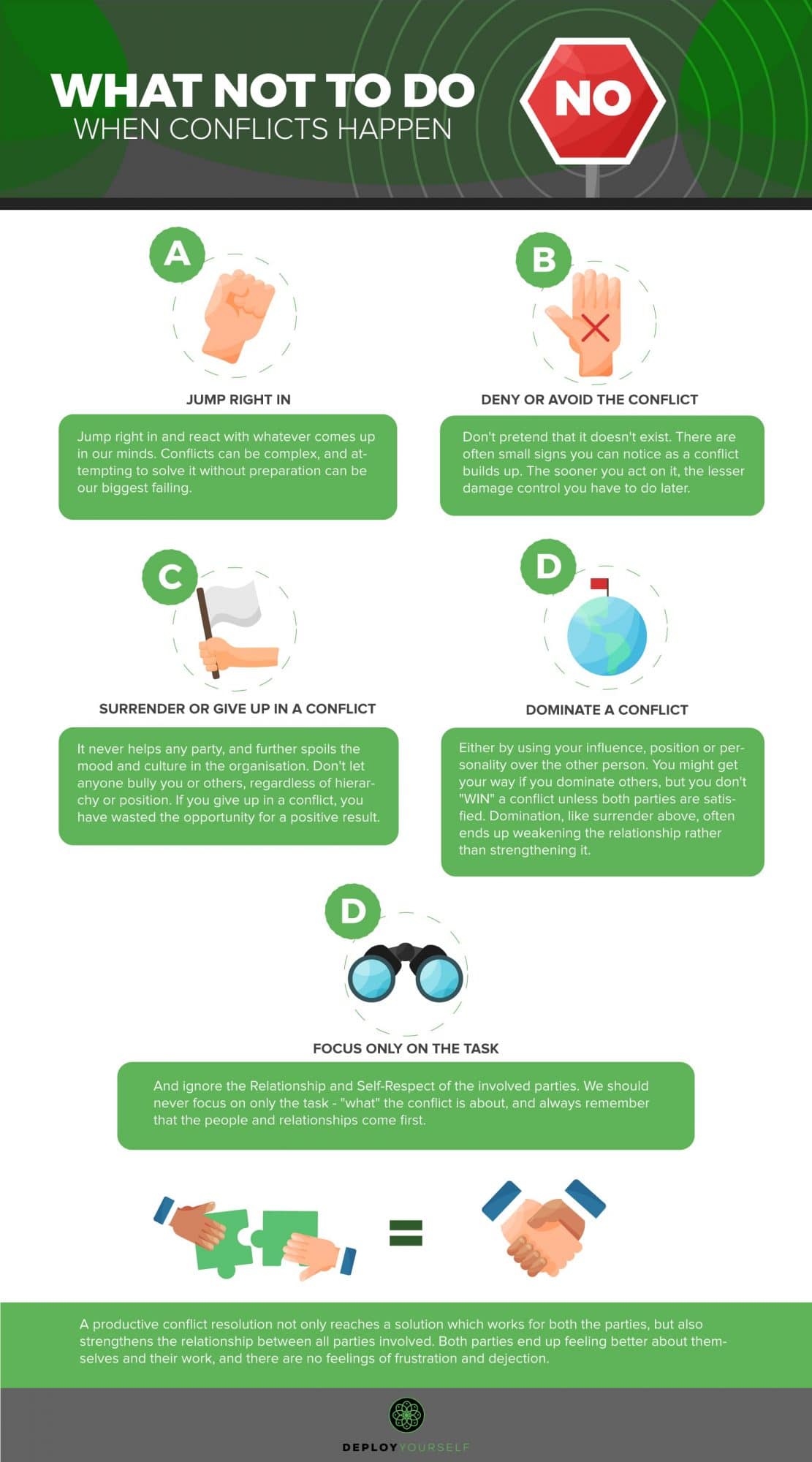
    While there are different ways we can approach a conflict, I have learned from my experiences a few things we MUST NOT DO when conflicts happen. However, these are the very things we end up doing when we are not prepared or aware of how to respond to a particular conflict.

    1. Jump Right In and React
    2. Deny or Avoid the conflict
    3. Surrender or Give Up
    4. Dominate a Conflict
    5. Ignore the Relationships and People Involved

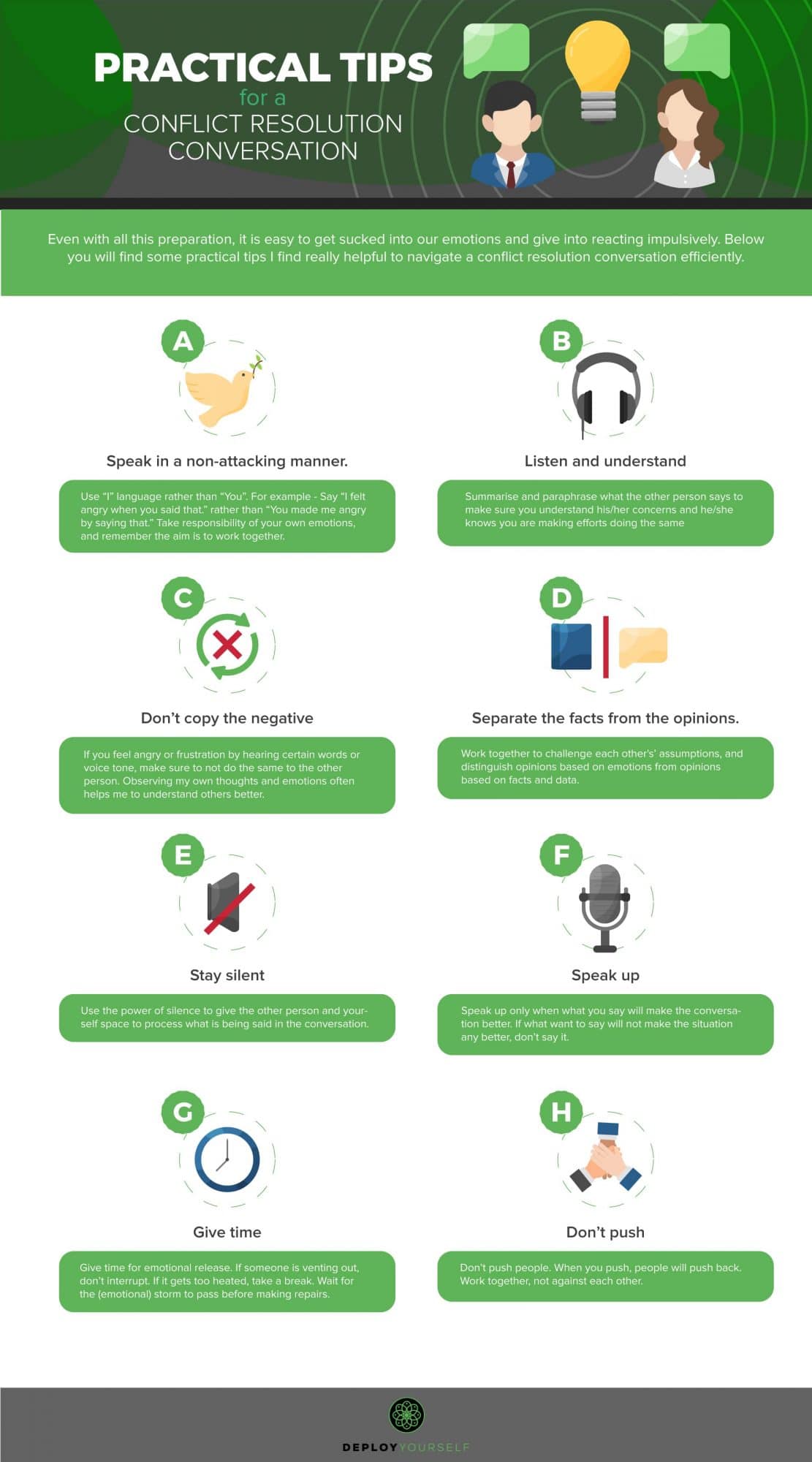
    Even with all this preparation, it is easy to get sucked into our emotions and give into reacting impulsively. Below you will find some practical tips I find really helpful to navigate a conflict resolution conversation efficiently.

    I have gathered and collected these tips from various books about interpersonal communication I have read and training I have undertaken, apart from my own mistakes and learnings in the past.

    1. Speak in a Non-Attacking Manner – Use “I” language rather than “You” language. For example – Say “I felt angry when you said that.” rather than “You made me angry by saying that.” Take responsibility for your own emotions, and remember the aim is to work together.
    2. Listen and Understand. Summarise and paraphrase what the other person says to make sure you understand his/her concerns and they know it is very important for you to do so.
    3. Walk the Talk – If you feel angry or frustrated by hearing certain words or voice tones, make sure to not use the same words and tone to the other person. I have often seen that observing my own thoughts and emotions helps me to understand others better.
    4. Separate the Facts from the Opinions –  Work together to challenge each other’s assumptions, and distinguish opinions backed by emotions from opinions backed by facts and data.
    5. Stay Silent – Use the power of silence to give the other person and yourself space to process what is being said in the conversation. It creates positive energy instead of building tension and enables us to handle tough situations in a more mature way.
    6. Speak Up Only If It Makes Things Better – Speak Up only when what you have to say will help the conversation in one way or the other. If what you have to say will not make the situation any better, don’t say it. In other words, do not vent or speak only because you had a thought in mind. Speak only when it helps you move towards the desired result.
    7. Give Time for Emotional Release – If someone is venting out, don’t interrupt. If it gets too heated, take a break. Wait for the (emotional) storm to pass before making repairs. Jumping in too early to fix things might backfire and cause more damage despite your good intentions.
    8. Don’t Push –  When you push people, they will push back. Present your thoughts without trying to push them through, and be open and flexible to listen to others’ concerns and thoughts. Give people a choice to accept or reject your ideas, as you cannot force them to your point of view anyway. Work together, not against each other.

    7. What If You Can’t Find A Solution?

    If you have done your preparation well, you already know how to escalate the stalemate to your superiors in the organization so that they can help. If you have not decided on any escalation rules earlier, now is not a bad time to do it either.

    The only thing we must keep in mind with deciding escalation rules or escalating an issue itself is to not do it unilaterally. It is always beneficial to work with the other party to decide whatever escalation rules you can come up with, and then if the situation demands, to escalate the issue together. Escalating an issue alone without first communicating with the other party hurts the trust and the relationship which might make it even more difficult to resolve the conflict in the future.

    Take A Break, And Try Again

    If you have reached a stalemate, one common option is to take a break and reconvene later. Taking a pause at this time gives both sides space to reflect on the discussions so far and evaluate options. You might decide to harden or soften your position during this time and get a different perspective of the big picture.

    When you meet again after a break, it is important to redefine the common purpose which both parties are seeking. Then you can work together to understand each other’s points of view and negotiate again.

    Walk Away With Your BATNA

    If the disagreement has reached a point where you can’t reach a solution acceptable to both parties, it might be prudent for both parties to walk away with their respective BATNAs (Best Alternative To A Negotiated Agreement). Not reaching a consensus in a conflict is not a bad outcome. Sometimes the best outcome is to not agree with the other party while still respecting them and keeping the relationship healthy.

    Seek Mediation By A Third Party

    Another step forward (if both parties agree to it) could be to seek mediation from a third party. This is different from escalation as escalation means involving your managers or seniors in the conversation. The rules of mediation seek the involvement of an independent third party.
    And of course, the rules of mediation should be decided by both parties together.

    In the end, we must ask ourselves this question – Do we want to be right, or effective?

    And this is the question that can be answered by seeing things from another’s point of view.

    Do we want to be right and prove others wrong and secure a personal victory?

    Or is it more important to be effective in dealing with the topic at hand, even with the different points of view we might have?

    “Do I not destroy my enemies when I make them my friends?”

    ― Abraham Lincoln

    Once we learn to choose the latter, we can take meaningful steps towards reaching solutions and agreements that are more positive and inclusive than any individual point of view. Developing the ability to empathize and to approach life from this perspective will result in consistently better results for not only you but for everyone around you.

    Conflicts can lead to misunderstanding and destroyed relationships, or it can be an opportunity to collaborate constructively and strengthen relationships. In the high-pressure business environment, we all live in today, if we can develop this ability to resolve conflicts amicably, it can become a competitive advantage for us and the companies we work in.

  • What To Do If You Can’t Achieve Consensus in a Conflict?

    In the previous four articles, I have written about what conflicts are, what not to do when they happen, how to prepare to solve them through a conversation, and some practical tips to follow during the conversation itself. However, doing all this doesn’t guarantee the result you desire.
    Conflicts can be complex, and there are times when people (including you and me) are more interested in winning (or getting our way) rather than working together to get what we really want.  Human beings are complex emotional beings, and often we end up attaching the outcome of a conflict to our personal identification.
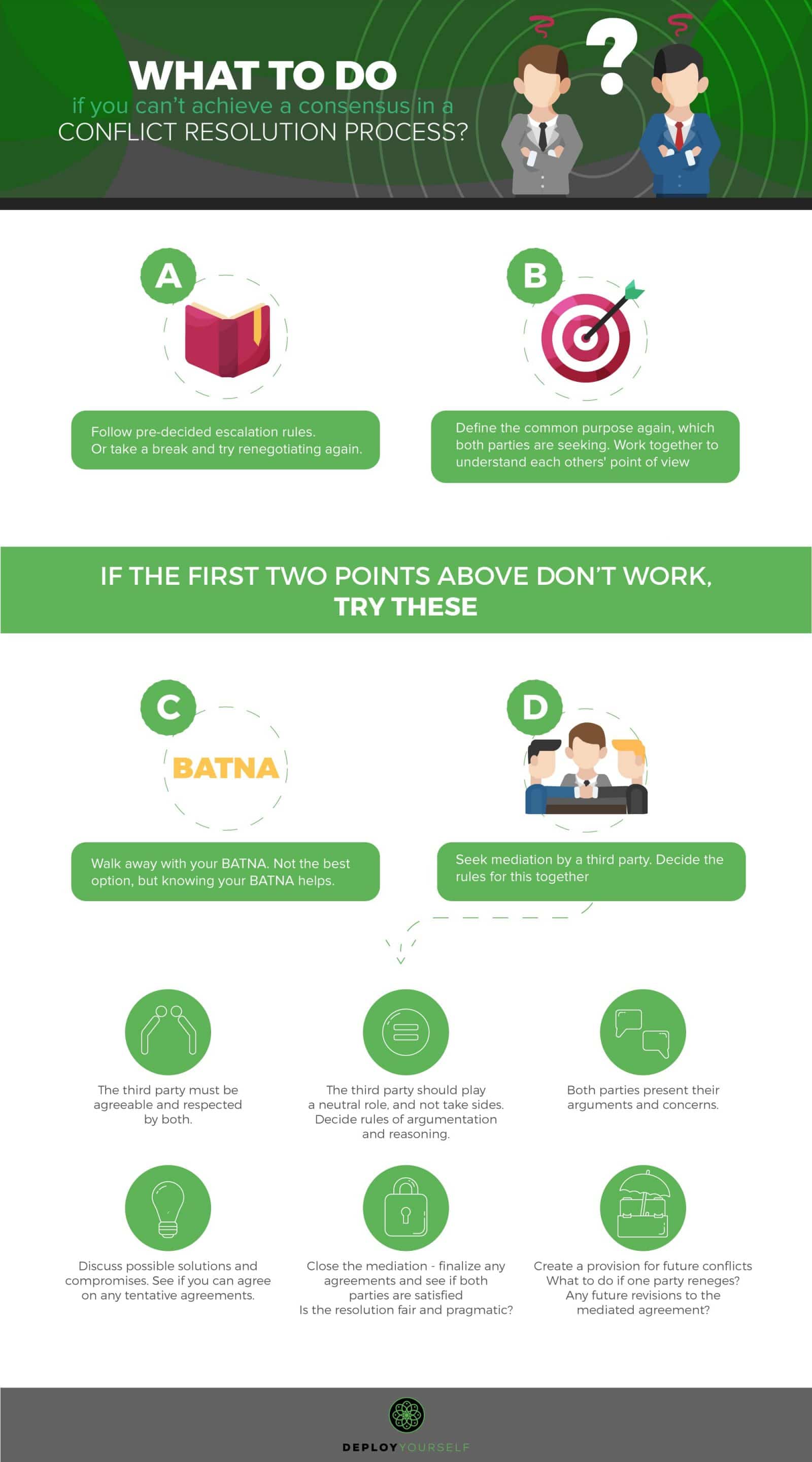
    That leaves us with the question of what to do if we can’t achieve consensus in a conflict resolution conversation?

    1.  Follow Pre-Decided Escalation Rules

    If you have done your preparation well, you already know how to escalate the stalemate to your superiors in the organization so that they can help. If you have not decided on any escalation rules earlier, now is not a bad time to do it either.
    The only thing we must keep in mind with deciding escalation rules or escalating an issue itself is to not do it unilaterally. It is always beneficial to work with the other party to decide whatever escalation rules you can come up with, and then if the situation demands, to escalate the issue together.
    Escalating an issue alone without first communicating with the other party hurts the trust and the relationship which might make it even more difficult to resolve the conflict in the future.

    1. Take A Break, And Try Again

    If you have reached a stalemate, one common option is to take a break and reconvene later. Taking a pause at this time gives both sides space to reflect on the discussions so far and evaluate options. You might decide to harden or soften your position during this time and get a different perspective of the big picture.
    When you meet again after a break, it is important to redefine the common purpose which both parties are seeking. Then you can work together to understand each other’s points of view and negotiate again.

    If the above two steps don’t help you in moving forward, you can try these:-

    What To Do If You Can’t Achieve Consensus in a Conflict?
    What To Do If You Can’t Achieve Consensus in a Conflict?

    1. Walk Away With Your BATNA

    If the disagreement has reached a point where you can’t reach a solution acceptable to both parties, it might be prudent for both parties to walk away with their respective BATNAs (Best Alternative To A Negotiated Agreement). Not reaching a consensus in a conflict is not a bad outcome. Sometimes the best outcome is to not agree with the other party while still respecting them and keeping the relationship healthy.
    Once the discussions are over and everyone walks with their BATNAs, you can look back and reflect upon the whole process. There might be lessons for you that might help you in future conflicts, and evaluating the choices you made is a good exercise after the discussion.
    You should also acknowledge yourself for putting in the effort required to resolve the conflict. Give yourself credit for working together and strengthening the relationship, irrespective of whether you got the result you wanted or not.

    1. Seek Mediation By A Third Party

    Another step forward (if both parties agree to it) could be to seek mediation from a third party. This is different from escalation as escalation means involving your managers or seniors in the conversation. The rules of mediation seek the involvement of an independent third party.
    And of course, the rules of mediation should be decided by both parties together. Below are a few ideas to keep in mind before you go down the path of mediation.

    1. The third-party must be agreeable and respected by both of you. Do not accept a third party mediator you don’t trust, and never force a third party on another.
    2. The third-party should play a neutral role and not take sides. It must listen to both sides then make a decision based on the merits of the arguments and facts presented. Decide the rules of argumentation and reasoning together before starting the process.
    3. Discuss possible solutions and compromises. See if you can agree on any tentative agreements. Take it step by step. Even if you can’t reach your desired outcome, see if you can reach halfway.
    4. Close the mediation and finalize any agreements. Do a final check to see if both parties are satisfied? Do both the parties consider the mediation and final resolution fair and pragmatic? Without a YES to the above questions, any solution or agreement is unlikely to last the distance so don’t ignore this step.
    5. Create a provision for future conflicts. What will you do if one party goes back to the mediated settlement? Can any party seek a revision to the mediated agreement?
    “The harder the conflict, the more glorious the triumph. What we obtain too cheap, we esteem too lightly; it is dearness only that gives everything its value. I love the man that can smile in trouble, that can gather strength from distress and grow.”
    ― Thomas Paine

    To sum up, the above four steps will help you to amicably close a conflict resolution process – with or without an agreement. I believe learning to effectively manage conflicts in a constructive and respectful manner is an important skill to learn, and one which gives people more confidence to work together.
    Conflicts can lead to misunderstanding and destroyed relationships, or it can be an opportunity to collaborate constructively and strengthen relationships. In the high-pressure business environment we all live in today, if we can develop this ability to resolve conflicts amicably, it can become a competitive advantage for us and the companies we work in.  

  • Eight Practical Tips for Making A Conflict Resolution Conversation More Effective

    So you have prepared well (read my previous article), and are walking into a conflict resolution conversation with trust and respect for the other person. You have established ground rules for the conversation, and you know your BATNA.

    Even with all this preparation, it is easy to get sucked into our emotions and give into reacting impulsively. Below you will find some practical tips I find really helpful to navigate a conflict resolution conversation efficiently.

    An enemy is a person whose story we have not heard. - Gene Knudsen Hoffman
    An enemy is a person whose story we have not heard. – Gene Knudsen Hoffman

    I have gathered and collected these tips from various books I have read and trainings I have undertaken, apart from my own mistakes and learnings in the past.

    1. Speak in a Non-Attacking Manner – Use “I” language rather than “You” language. For example – Say “I felt angry when you said that.” rather than “You made me angry by saying that.” Take responsibility for your own emotions, and remember the aim is to work together.
    2. Listen and Understand. Summarise and paraphrase what the other person says to make sure you understand his/her concerns and they know it is very important for you to do so.
    3. Walk the Talk – If you feel angry or frustrated by hearing certain words or voice tone, make sure to not use the same words and tone to the other person. I have often seen that observing my own thoughts and emotions helps me to understand others better.
    4. Separate the Facts from the Opinions –  Work together to challenge each other’s assumptions, and distinguish opinions backed by emotions from opinions backed by facts and data.
    5. Stay Silent – Use the power of silence to give the other person and yourself space to process what is being said in the conversation. It creates positive energy instead of building tension and enables us to handle tough situations in a more mature way.
    6. Speak Up Only If It Makes Things Better – Speak Up only when what you have to say will help the conversation in one way or the other. If what you have to say will not make the situation any better, don’t say it. In other words, do not vent or speak only because you had a thought in mind. Speak only when it helps you move towards the desired result.
    7. Give Time for Emotional Release – If someone is venting out, don’t interrupt. If it gets too heated, take a break. Wait for the (emotional) storm to pass before making repairs. Jumping in too early to fix things might backfire and cause more damage despite your good intentions.
    8. Don’t Push –  When you push people, they will push back. Present your thoughts without trying to push them through, and be open and flexible to listen to others’ concerns and thoughts. Give people a choice to accept or reject your ideas, as you cannot force them to your point of view anyway. Work together, not against each other.
  • How to Prepare for a Conflict Resolution Conversation?

    A conflict resolution conversation is one of the most critical conversations in any organization. The success or failure of this conversation will determine how the inherent energy in a conflict will be used, and how the relationship between the involved parties will be in the future.

    As I have written previously, conflicts have a lot of energy, like an overflowing river. It is up to us to build a dam and channel all this extra water (energy) into electricity? Because if left unchecked, all this extra water can cause flooding and devastation in its path. The most effective tool to prevent the flooding and use the energy in each conflict productively is the Conflict Resolution Conversation.

    Below are the 5 steps I think all of us must take before/in any conflict resolution conversation:-

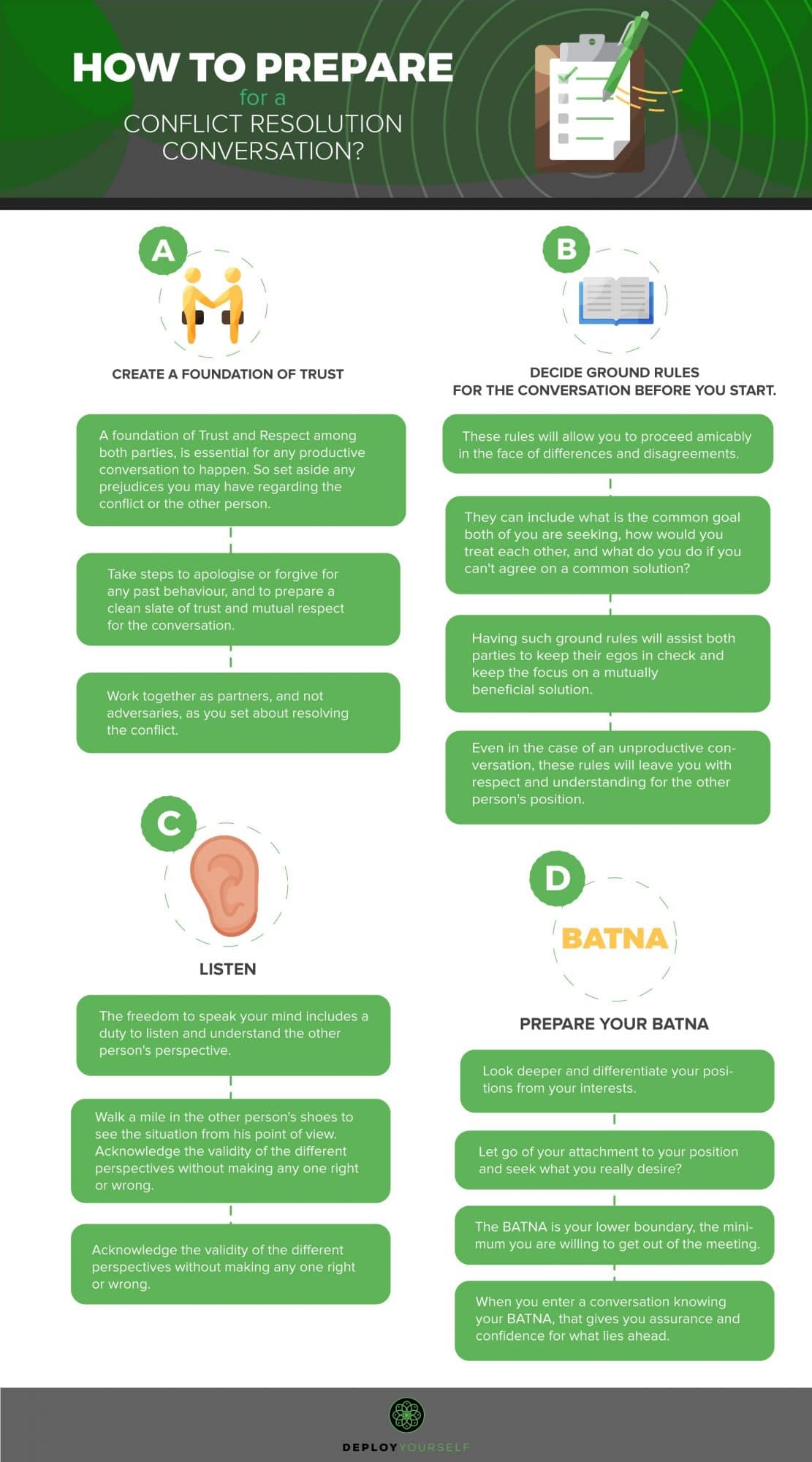
    1. Create A Foundation of Trust and Respect among all involved parties, which is essential for any productive conversation to happen. This is more like a step 0, as trust is like oxygen in a conversation.

    Take steps to apologize or forgive for any past behavior, and prepare a clean slate by setting any prejudices aside. This will help create an environment of trust and mutual respect. Work together as partners, and not adversaries, as you set about resolving the conflict.

    2. Decide Ground Rules for the conversation before you start. These rules will allow you to proceed amicably in the face of differences and disagreements. They can include what is the common goal both parties are seeking, how would you treat each other, and what do you do if you can’t agree on a common solution?

    Having such ground rules will assist both parties to keep their egos in check and keep the focus on a mutually beneficial solution. Even in the case of an unproductive conversation, these rules will leave you with respect and understanding for the other person’s position, rather than with resentment and cynicism.

    3. Listen. The freedom to speak your mind includes a duty to listen and understand the other person’s perspective. Walk a mile in the other person’s shoes to see the situation from his point of view. Acknowledge the validity of the different perspectives without making any one perspective right or wrong.

    Walk into the conversation with an empathetic attitude and care for the other party’s concerns. Understand that the conversation is not productive unless the concerns of both parties are met. If you work to address what the other person cares about, you create the possibility of a win-win result which might be even better than what you initially wanted.

    “Courtesy towards opponents and eagerness to understand their viewpoint is the ABC of non-violence.” – Mahatma Gandhi

    4. Differentiate Your Positions from your Interests – Ask yourself what do you really desire? And why? Let go of your attachment to your position and seek to discover yours and others’ common desires. Asking the question “why” a couple of times can help you do that.

    This will help you understand the other person better and create space for collaboration and flexibility. Understanding the concerns of each other will turn you into partners rather than adversaries, and it opens up the possibility of making 2 + 2 = 5 happen.

    5. Prepare your BATNA (Best Alternative to a Negotiable Agreement) – The BATNA is your lower boundary, the minimum you are willing to get out of the conversation. Knowing your BATNA increases your negotiating power.

    When you enter a conversation knowing your BATNA, that gives you assurance and confidence. If nothing else works, you walk out with your BATNA.

    To sum it up, doing this preparation before any conflict resolution conversation prevents us from reacting impulsively when the going gets tough. Conflicts are a natural order of life, and being prepared will allow us to turn them into an opportunity to build a strong foundation (relationship) not just for immediate but also long term results.

    It is also important to note that the above steps do not guarantee a successful conversation or the results we desire. But they will equip us to deal with conflicts with steady and not shaky hands, which is always a good skill to have.

  • What Not To Do When Conflicts Happen?

    We all deal with conflicts in the workplace. In the last 12 years of my professional career, I have had my own share of conflicts. That has left me with some learnings about how to navigate through them successfully. This article is the second in a series of articles. To understand conflicts better, find the first one here.

    While there are different ways we can approach a conflict, I have learned from my experiences a few things we MUST NOT DO when conflicts happen. However, these are the very things we end up doing when we are not prepared or aware of how to respond to a particular conflict.

    1. Jump Right In and React

    Conflicts can be complex, and attempting to handle them without preparation can be our biggest failure. As human beings, we (or our brains) never want to be involved in a conflict, so whenever we encounter one, the first impulse is always to react with whatever comes up in our minds.

    Our brains are hardwired to protect us from danger and to ensure our survival. An unexpected conflict is perceived as a threat, and it can lead us towards a fight or flight reaction. Doing so without understanding the conflict and giving ourselves time to process it can do damage which can take a lot of effort to undo in the future.

    2. Deny or Avoid the conflict

    One of the most natural ways to react to a conflict is to deny its existence. There are always small signs you can notice as conflict builds up. The sooner you act on it, the lesser damage control you have to do later. Don’t pretend that it doesn’t exist, or you are only postponing the problem.

    Denial means acting like the conflict doesn’t even exist, and I don’t think there is any human being who has not acted with denial when presented with a conflict at least once in their life. We can close our eyes and walk around as nothing has happened, but that can often result in falling into a pit which can then take a lot of effort to get out of.

    “You can’t shake hands with a clenched fist.” – Indira Gandhi

    3. Surrender or Give Up

    Many of us hate confrontation, and often we give up our needs and position to avoid an ‘unpleasant’ confrontation. While this prevents the confrontation, it often results in resignation and cynicism as surrendering doesn’t help in moving forward in our careers or life.

    Surrendering never helps any party, and spoils the mood and culture in the organization. We should not let anyone bully us or others, regardless of hierarchy or position. If we give up in a conflict, we must know that we have wasted an opportunity for a positive result.

    Can you put anger to productive use?
    What Not To Do When Conflicts Happen?

    4. Dominate a Conflict

    On the other spectrum of surrendering is trying to get our way by dominating. We can do this either by using our influence, position, or personality over the other person. We might get our way if we dominate others, but we never truly “win” a conflict unless both parties are satisfied.

    Domination, like surrender above, often ends up weakening the relationship rather than strengthening it. If people are unhappy and resentful, sooner or later it will boil up again as a conflict or show in poor results in whatever we are trying to do.

    5. Ignore the Relationship and the People Involved

    We often get sucked up in tasks and getting the results we want, that we totally ignore the relationship and the people involved. We should always remember that the people and relationships come first and that any success that focuses only on the “task” will be short-lived if we destroy the relationships in the process.

    A productive conflict resolution not only reaches a solution that works for both the parties but also strengthens the relationship between all parties involved. They end up feeling better about themselves and their work, without any frustration and cynicism.

    In conclusion, I would like to add that constructive conflict resolution can only happen in a space of trust and camaraderie between people, and all of the points above destroys this space. When people understand each others’ needs and look beyond their fears and anxieties, they can work together to create new results that work for everyone. When this happens, you win WITH the other person rather than OVER them.

  • Understanding Conflicts Better – The First Step to Conflict Resolution

    CONFLICT!

    Is that a word that scares you? Is that something that makes you run in the opposite direction? Do you wish you had the skills to handle conflicts better?

    If you are like most people, you are no fan of conflicts and have often been caught up in the maze of a conflict. I certainly have, and I can honestly attest that conflict (or the fear of it) has given me many sleepless nights.

    In my 12 years of professional life, I have spent many a moment amidst conflicts, and many more reflecting upon them. Why do they happen? How can I best handle them? Can I still achieve my goals and enrich my relationships with conflict all around me? Can I beat the stress and anxiety which comes with conflict and still be happy and peaceful? Can I deal with conflict in a way that I can be proud of?

    There has been wise advice shared with me which I have ignored out of arrogance or ignorance, only to stumble upon and be humbled by the same realization later. Over time I have written down some notes which I have referenced later in times of conflict. This article is the first in a series of articles I am writing from these notes which revolve around the subject of handling conflict in our professional and personal lives.

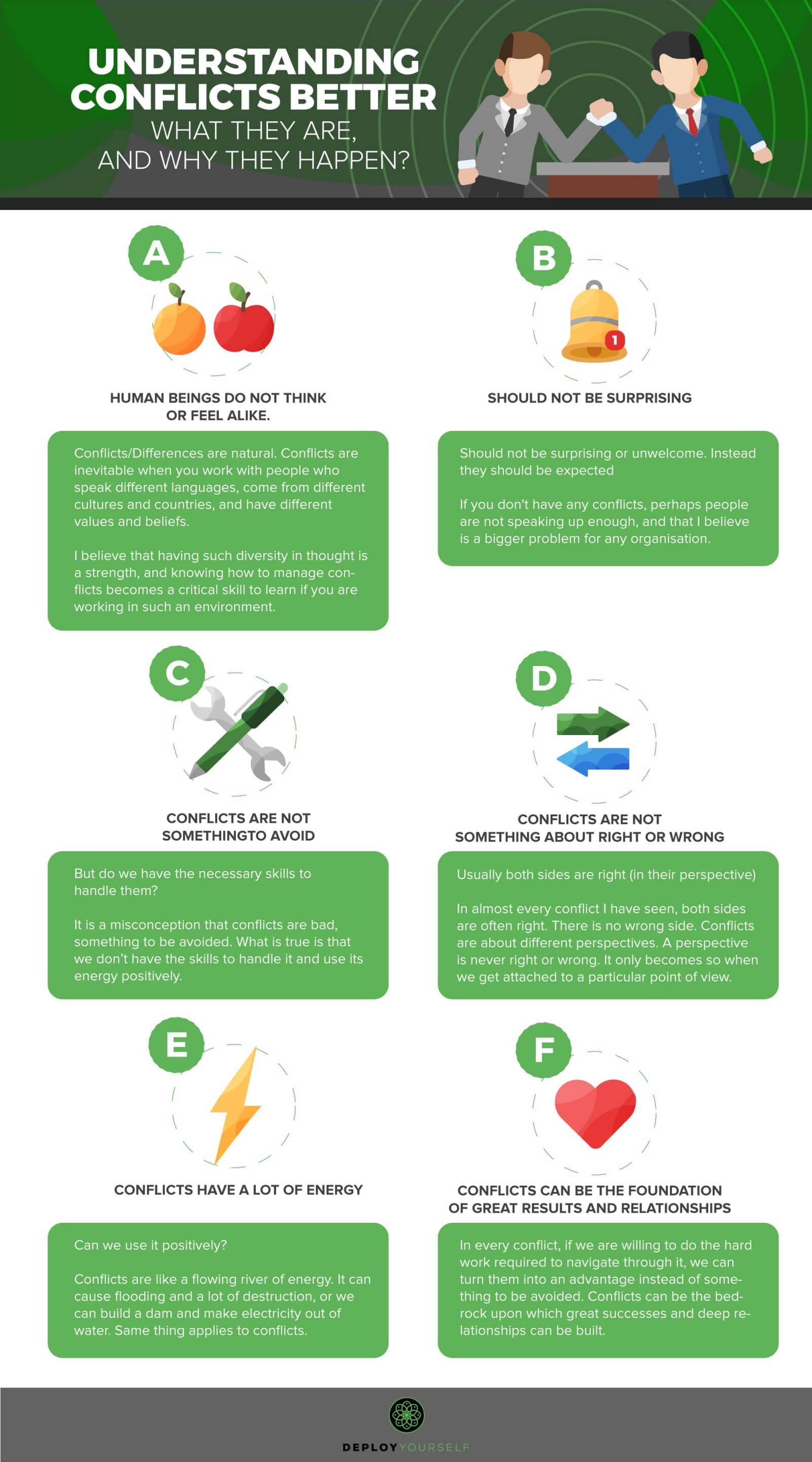
    Human Beings Do Not Think or Feel Alike. Conflicts are Natural.

    Wherever there is life, there is conflict. Every species on this planet experiences conflict in its fight for survival. Plants and animals strive for limited food, space, and mates in the wild, often giving rise to conflict. Humans are much more complex. In addition to food, space, and sex; we want power, fame, and money; giving rise to even more conflicts.

    Conflicts are a natural order of life, and if we step back and see the bigger picture, there is nothing unexpected around them. They are inevitable when we work with people who speak different languages, come from different cultures and countries, and have different values and beliefs.

    They Should Not Be Surprising. Instead They Should Be Expected.

    Today we live in a world driven by democratic and secular values (in most countries). If you don’t see any conflicts, perhaps people are not speaking up enough, and that I believe is a bigger problem for any society or organisation.

    In democratic societies, differences of opinion are not only expected but it is also a duty of each citizen to express himself without fear or hesitation. I believe that having diversity in thought is a strength, and knowing how to manage conflicts becomes a critical skill to learn if we are to live and work in such an environment.

    Understanding Conflicts Better Infographic
    Understanding Conflicts Better Infographic

    Are Conflicts Bad? Or Do We Lack The Skills To Handle Them?

    After facing and trying to avoid many conflicts over the years, I have come to believe that conflicts are not bad or something to be avoided. However, it is a common misconception and I have seen people do anything to avoid them.

    We have no choice or power over when a conflict is going to present itself. Our only choice is in responding to them. We find them undesirable or unproductive not because they are unpleasant but because we have no idea about how to handle them.

    Conflicts Are Not About Right or Wrong. Usually Both Sides Are Right.

    In almost every conflict I have seen, both sides are right. There is no wrong side. Conflicts are about different perspectives, and each perspective is valid for the one holding it. A perspective becomes right or wrong only when we get attached to a particular point of view.

    Can we see that we are all seeking to express the truth as we see it? Can we acknowledge that everyone sees the world differently and form their own perception of events? Conflicts happen not because of different perceptions, but because of our inability to acknowledge another’s point of view.

    Conflicts Have A Lot of Energy. Can We Use It Productively?

    Conflicts are like a flowing river. If left unchecked, they can cause flooding and destruction. But if we can build a dam and channel the water in the right direction, we can turn it into electricity.

    The same thing applies to conflicts. The only question is – Can we use the energy in conflict productively? Can we channel this energy into productive conversations that can lead to creative solutions and better results?

    However, if we can’t control the energy in a conflict, it can result in damage (stress, frustration, bad results) and lost opportunity.

    Conflicts Can Be The Foundation for Great Results and Relationships.

    Healthy disagreement creates friction and energy. If we look back at history we will find that every great accomplishment has come out of differing opinions of people who have found a way to work together.

    In every conflict, if we are willing to do the hard work required to navigate through it, we can turn them into an advantage instead of something to be avoided. Conflicts can be the bedrock upon which great successes and deep relationships can be built.

    “An enemy is a person whose story we have not heard.” – Gene Knudsen Hoffman

    In the next article, I will share a few things which most of us have done in the past amidst a conflict, but which I have learned that we MUST NOT DO when we encounter a conflict.