July 2021

  • Triggers by Marshall Goldsmith – Book Review & Summary

    Understanding Triggers

    We tend to behave in ways that we don’t intend to. We experience certain triggers that make us do things contrarily than what we desire. Often, we are not aware that these ‘triggers’ affect us negatively. Triggers (2015), by Marshall Goldsmith and Mark Reiter, explains what these triggers are and how they thwart us from bringing about positive changes in ourselves. 

    Goldsmith and Reiter also show the way to deal with and overcome these triggers and focus on the path to achieving success. They show that the triggers that are out of our control, especially those in our environment can be mastered and we can rationally take control of our lives.

    Triggers Prevent Change

    What is this ‘trigger”?

    A trigger is any stimulus that reshapes our thoughts and actions

    Let’s understand it with an example. Imagine that you are out with your family at the beach on a pleasant, sunny morning. The smell of hot-dogs and barbecue fills the air. There is but one problem. You have just started a new diet. While you stand in the queue buying delicacies for your family, you think, “ Let me indulge for just one more day. I can always start this diet tomorrow.”

    The smell wafting in the air acted as a trigger to make you counter your decision to stay focused on the diet. In our lives, triggers can appear in the form of people, circumstances, or events. Even the mere smell of rain far away can trigger memories.

    Triggers can impact us in a number of ways. Their effects can be conscious or unconscious, external or internal, unexpected or anticipated, direct or indirect, productive, counter-productive, encouraging, or even discouraging. For example, the smile on one’s face when one sees a baby is a direct trigger. An indirect trigger is one that sets off a series of thoughts that propels one into action. For example, seeing the photo of your college reunion could trigger you to think of certain events at college, and make you contact a long-lost friend.

    While triggers can lead to positive actions and thoughts, they can also propel negative ones, and even prevent changes from taking place in one’s life. The fact of the matter is, however, that one isn’t always aware of these triggers.

    For example, for many years, influenced by his surroundings, the author couldn’t admit that he was balding. He sported a comb-over under the pressure to look young and sleek. However, when the hairdresser cut the remaining hair too short to comb, he realized his superficial, vain, perception and embraced his baldness.

    Triggers Are Part Of The Environment And Born From One’s Own Beliefs

    We are all good at making excuses to embrace changes in life. This is because our belief triggers prevent us from accepting and making those changes. Belief triggers are actually one’s inner beliefs that make one justify their resistance to making those changes.

    People commonly believe that they have the ability and the wisdom to evaluate their own behaviors. While such a trigger can make people believe that they have the ability to make changes in their lives whenever they want to and justifying one’s resistance to make the changes when needed, the reality lies in the fact that most of us inaccurately assess our own behavior, take credit for successes and blame others for failures.

    A study conducted of about 80,000 professionals who were asked to rate their own performance, showed that about 70% believed they were in the top 10%, 82% put themselves in the top 20%, and 98.5% rated themselves in the top half! In this manner, our own internal triggers can create misconceptions about our own self-improvement. 

    However, the external triggers in our environment are the ones that have a stronger influence on us. Take for example the fact that people who visit an expensive restaurant, think that they are entitled to royal treatment and thus treat the friendly staff in a rude manner. These people behave politely when they are outside the restaurant. This shows how the environment can affect or influence behavior – often for the worse. 

    If people are not aware of these external triggers, they will continue to behave undesirably.
    Impulsive Behaviour Can Be Checked With Self-Feedback

    The important question for everyone is – If triggers can make one behave undesirably, how does one identify and become aware?

    One of the ways that people can identify triggers is with self-feedback. For example, a person who is trying to achieve the goal of regularly exercising in the morning can make a list of the situations or people that influence the outcome, that is, whether they act as positive triggers or negative ones. A positive trigger could be a neighbor who exercises regularly and motivates, whereas a negative trigger could be a habit of spending time on social media in the morning.

    What is crucial, is to determine what one wants and needs – for example, spending time on social media is what one wants to do, as opposed to needs to do. In this scenario, chatting up with the health-conscious neighbor will help in achieving the goal of exercising – maybe by deciding to join the neighbor for a daily morning run.

    Differentiating between needs and goals helps in connecting one’s triggers to one’s behavior vis-à-vis the goals. Thus, identification also helps in avoiding impulsive actions. Over time, and with practice in identifying and differentiating between needs and goals, one develops a sense of awareness, making one adept at identifying triggers. After that, one can choose to act against the trigger.

    Adjusting To The Change By Leading

    It is unfortunate but true that negative and hostile environments are difficult to change. Often, environments and situations that are detrimental to achieving one’s goals become inevitable. In such cases, one can adapt one’s own approach to the goal rather than try to maneuver the environment itself.

    One can try to predict the environment to check if one needs to adapt one’s own approach or avoid the environment completely. For example, an Indian Tech Executive Sachi was worried about how her friends back home in India would react to her high-flying job. She worried that they would consider her a braggart and think that she had changed. 

    While she couldn’t avoid the environment (of meeting her friends when she went back home), she decided to adapt to the situation by describing her job differently. She told them that her job required her to travel extensively – a tiring ordeal – rather than tell them about her frequent visits to Paris. Thus she not only managed to be the sensitive caring person she was but also avoided being insensitive about their environment.

    Being aware and making such adjustments can help one become the leader of their own behavior. Thus it becomes easier to assess what needs to be accomplished as a leader and one can even choose one’s own leadership style. 

    Approaching the trigger in a practical, determined, and step-by-step manner can help one lead the change by comprehending what the environment requires and how to adjust to it!

    Owning The Change

    It is no doubt that resisting and maneuvering negative triggers is tough and that people often behave undesirably once they give in to these negative triggers. However, once the change is determined, one has to own the change.

    Asking oneself active questions is a great way to start. Active questions, as opposed to passive questions, focus on what one is doing rather than what needs to be done?

    For example, there is a profound difference between, “What is the goal?” and “Which goal did I achieve today?” The second active question instills a sense of fulfillment and a sense of responsibility towards achieving the goal.

    The author habituated himself to asking active questions rather than passive ones every night. He would ask, “Did I do my best to be happy?” an active question, rather than, “How happy was I today?” a passive one. Active questioning has helped the author connect with his goals and raise the level of engagement with achieving them.

    Another way to own the change and keeping track is by maintaining a track record of the progress achieved. Finding a scorekeeper – a person who could help or a system one can follow is essential, especially considering that it is difficult to measure behavior. For example, the author seeks the help of a person who calls him every night to score the questions on a scale of 0 to 10, with 0 being ‘didn’t do anything’ and 10 being ‘did my best’.

    Maintainig a scorecard helps in understanding exactly where one stands on making and achieving the behavioural change.

    Routine And Structure

    It is a common occurrence that after some time of following a system, one’s discipline tends to slacken. The good news is that this doesn’t happen because the person is weak to see the change through. In fact, one’s energy to sustain the system simply depletes.

    Roy F. Baumeister, a psychology professor in 1990, proposed the phenomenon of ego depletion. He said that humans have a limited ego-strength that depletes through the day as one makes numerous decisions, keeps fighting temptations, and use their willpower for many other things. He said that it is during this depleted state that the triggers of a negative environment affect us most.

    However, through awareness and by creating structure, this depletion can be adeptly fought off. One can bring in structure in their lives by studying the decisions needed to be made o a daily basis and sticking to the decisions by making a choice. Therefore, one does not have to rethink to make those decisions daily and thus the ego can be conserved.

    The author has employed many structures that have helped him. For example, he wears only green colored polo shirts and khaki pants to work. This ensures that the daily cumbersome decision of ‘what to wear is avoided. Similarly, all of the author’s travel decisions are managed by his assistant, helping him avoid the stress that accompanies the decision-making.

    While structures help one manage some of the predictable aspects of life, it is the unexpected events that act as surprise triggers, throwing one off balance. During these unpredictable moments during the day, one can employ active questions.

    Six Engaging Active Questions

    It is imperative that one understands when change is required and how to bring about that change. As we have already seen, one has to be consciously aware of their environment, the triggers, and thus their behavior.

    The author gives six questions that help in raising awareness. The six questions are – 

    1. Did I do my best to set clear goals?
    2. Did I do my best to make progress towards my goal?
    3. Did I do my best to find meaning?
    4. Did I do my best to be happy?
    5. Did I do my best to build positive relationships?
    6. Did I do my best to be fully engaged?

    These six active questions help in making one aware of how they are managing the triggers that affect them. This awareness, in turn, keeps one engaged and committed to creating positive change. With a regular effort to create awareness, one can create a reciprocal interplay between one’s environment and themselves.

    If one becomes actively aware of this interplay, one can make positive impacts on the people surrounding them.

    Conclusion

    The environment has triggers that can affect every aspect of one’s behaviors. Thus, even if one wishes to, making a change can be difficult especially since it is difficult to change the environment that triggers the change. 

    Employing methods of using self-feedback to check impulsive behavior, trying to adjust to the change brought about by the inevitable environment, are some of the ways one can lead the change and own it. Using active questions that help in monitoring and adjusting responses to the triggers also helps. 

    In conclusion, triggers lead to impulses. It is possible to keep triggers in check with awareness, which leads to a choice. Choices lead to behavior patterns that in turn, lead to another trigger. One has to simply create awareness of this circle to make a positive impact with positive choices.

  • The Art of Influencing Anyone by Niall Cassidy – Book Review & Summary

    Influential And Persuasive Strategies 101

    Being able to persuade and influence people is an art. Contrary to the belief that only a select few have a talent, the truth is that anyone and everyone has the capacity to be influential and persuasive to get what they want in life.

     It is true that people consider their needs and wants as more important than what rationally makes sense when others persuade them. Once this concept is clearly understood, influencing others becomes easier. Niall Cassidy discusses methods of successfully influencing the people around us.

    The Art of Influencing Anyone by Niall Cassidy is a great guide to persuasion, influencing and convincing people around us.

    Appearances And Communication

    It is a common occurrence, where a person under-qualified and less hardworking gets a promotion over another who is more deserving, hard-working, and more qualified. Why does this happen?

    It happens because decisions aren’t always logic-based. People have a tendency to put more faith in what they want to hear rather than focus on what is logical.

    Consider an example of two executives presenting ideas for a new project. One proposes a reasonable, meticulous, step-by-step method of starting the project slowly, while the other proposes that they dive straight in. While the second person doesn’t give proper logical reasons for his idea, he is full of enthusiasm.

    In most opinions, the probability of the second enthusiastic executive becoming the project lead is higher. The second executive’s enthusiasm was exactly what the boss wants to see and hear. It proves that the personality of a person and how he communicates is intrinsic to influence and is more important than either rationality or content.

    The importance of personality can be understood better in the following example. Academic journals receive a number of papers from researchers for publication. Surprisingly, for selection, they first check the author’s name and then the quality of the content. An author with a Ph.D., whose paper –full of absolute nonsense – was shocked that his paper was published. Credentials such as a Ph.D. appeared to have more credibility than the content. His article was chosen only because he had mentioned his Ph.D.!

    Therefore appearances are intrinsic to influence and persuasion too.

    How To Appear Reliable And Convincing

    To be influential and persuasive, one requires being reliable and convincing. And in order to do that, one has to be well informed, present detailed information, and have a warm and friendly demeanor.

    For example, a bank robber arrested for his crime and presents a shady alibi. How would the shady alibi convince the police that his account of the robbery is credible? 

    Presenting the police with as much detailed information as he can, the shady alibi can seem to be more convincing. To come up with such details, the alibi would need to lie. Though lying is risky, it can be used to persuade. 

    In the case above, say if the alibi was to give the police details such as what clothes they were wearing, where all they went together and who were the people they met (fictitious, yet details that can make the police believe), could make the story of the alibi plausible.

    In cases where conjuring up, or providing veritable details isn’t possible, mannerisms can help one to appear convincing and reliable. Having a warm and friendly manner, punctuated with humor can give the impression of knowing details and conceal the gaps inconsistency of knowledge.

    An experiment was conducted, where an actor was told to give a talk to experts and pretend that he was a knowledgeable professor in their field. While the material that the actor presented was repetitive and included contradictory statements, his warm, friendly manner and humor content that he shared made many experts believe that the talk was very informative.

    The mannerisms of the actor made him look authentic and thus reliable.

    Simplifying And Organizing Information

    At an individual level, appearances, communication, mannerisms and details can work. Businesses are however, a little different.

    A salesperson requires the skills of persuasion and influencing all of the time. In the field of sales, it is always wiser to give a customer fewer options. While details are important, customers often get overloaded with too much information, and keeping it simple for them is key. 

    For example, if a customer buying jackets is shown an entire range of different styles and colors, he will tend to get indecisive, confused and decide to not buy anything at all. On the other hand, if he is shown 2 to 3 styles, and the customer pitches in his own opinion, after weighing in the pros and cons, a sale is more likely.

    Persuasion and influence rely on organized information too. Presenting information to a buyer in a haphazard manner won’t catch their attention and confuse them. On the other hand, if the same information is structured and organized, and listed down in order, customers will be able to retain information better, ask their queries accordingly, and be in a better position to make their purchase decision.

    Talking Vaguely

    How do fortune-tellers go about their business, get people to believe in what they say, when in fact all that they say has a slim chance at probability?

    The truth is that fortune-tellers use a method called ‘cold reading’. Cold reading is a technique in which one uses a lot of vague sentences and statements that can be interpreted in a different way.

    In business, cold reading helps to build a relationship of trust with the customers. Essentially, you have to appear to know a lot about the customer when you know nothing at all!

    Say, a customer looking at washing machines in-store is approached by a salesperson. To initiate the conversation, the person could make a generalized statement such as, “laundry is such a painful chore, isn’t it?” Next, the salesperson can try to relate to a situation and the customer by saying, “Wouldn’t it be great if you could reduce laundry time by half?”

    Such statements are general and relatable and show customers that the salesperson empathizes and “understands” him, even when the salesperson doesn’t know him at all. 

    The salesperson could next fortify the customer’s trust by saying, “I have worked in this department long enough, and for me, it is very important to understand what my customers’ needs are.”

    One does not need to know a customer or delve deep into their lives to get their trust. Using broad and vague statements does the trick.

    Curiosity And Persuasion

    To persuade, one has to be able to catch the attention of people. And in order to catch their attention, they need to generate curiosity. 

    The Information and Digital Age that we are in, makes it very difficult to hold the attention of customers. Consider the number of ads, notifications, and alerts that vie for our attention every minute we look at our smartphones. Research shows that only 1 of 5 people actually read beyond the headline, and it takes them mere seconds to move on to the next. If we consider convincing customers face-to-face, the attention span is mere minutes, before they lose their focus.

    It is therefore essential to tap into the curiosity factor. Getting straight to the point is common. Therefore to grab the attention of customers, one can start with something funny, unconventional, or even controversial.

    For example, an ad grabbed the attention of its viewers because it showed a small boy playing good tennis shots and winning against an adult. The curiosity surrounding the boy’s talents kept viewers’ interests piqued. At the fag end, it was revealed that the boy was Steffi Graff and Andre Agassi’s son.

    People Put Wants Above Needs

    Commercialism works on the principle that people buy what they want as opposed to what they actually need. Keeping this in mind, marketing is based on the premise that it needs to evoke a desire for the product in customers, whether they need it or not. Most salespeople address the needs of their customers. It would be more beneficial if they focus on addressing customers’ wants.

    If we consider the habit of smoking among teens, it is found that they smoke to fit in with the crowd, and not because their bodies need nicotine. For teens, rational arguments about why smoking is bad for their health don’t really matter. Therefore, marketing for any product should focus on reasons that provoke their desires, rather than practical or logical reasons to buy it. 

    Changing customers’ perspectives about what they want can spark desire. Additionally, marketers should aim at changing customers’ self-perspectives, thus aiming to change how they think and behave. Moreover, since people desire to align their behavior with their self-perceptions, changing one will change the other.

    In an experiment, researchers asked a few people at a swimming pool about their water-saving habits (their attitudes). Most of them replied that they take saving water very seriously (self-perception). The same group of people was secretly timed by researchers while showering after their swim (the behavior). 

    It was found that the people who were asked about their habits took a significantly less amount of time while showering. The researchers were able to change their behaviors by making them aware of their attitudes towards water-saving and aligning with self-perceptions as well.

    Influencing Without Seeming Desperate

    It might seem a little incorrect, but influencing people depends on hiding ones true intentions so that the marketer does not seem desperate to sell.

    It is a fact that people tend to be more trustful of other customers who have used a product rather than the salesperson selling it. Therefore, one is truly successful at marketing when their customers recommend their products to other people and refer friends and families. Achieving this makes marketers look less desperate to sell and increases sales. Many brands have found success when they have used the opinion of other customers to sell their products.

    For example, a football club had started a ‘news updates’ via text service. However, because the service was a paid one, they had very few subscriptions. They hired actors to pose as customers, go to bars and pubs, and use the service one a match day. Other potential customers who saw the benefits of the service soon started registering, increasing the rate of subscription from 20 people to 120.

    Another way is to use social gatherings and talk about one’s own product, by telling other people success stories of their products. This should however be done discretely so that friends don’t realize that they being pitched at. Promoting business within social circles should be covert and to do that it is wise to prepare an interesting story beforehand and engage in small talk that could lead to the story.

    Utilizing Resistance While Persuasion

    We have seen how the elements of surprise and provocation can be useful to grab customers’ attention. Similarly, salespeople can use the resistance of a customer towards their sales pitch to sell the product to them. 

    Often we see salespeople trying very hard to convince a customer who has resisted buying. Research shows that when salespeople persuade customers relentlessly, the opinions of the customer become affirmed and they do not buy the product. Additionally, when a salesperson hard-sells, his desperate intentions become clear and gives the customer all the more reason not to trust him.

    In these scenarios, the trick is to embrace resistance and take advantage of it. For example, say a car salesperson finds that his effort to sell a customer a car seems to be going in vain. Here, the salesperson can actually agree with the customer. This agreement will surprise the customer and he will pay attention to what the salesperson has to say. Next, the salesperson should find a positive to the negative that he just agreed to, showing the customer that the product, despite what they felt was a negative has many pros to it too.

    This tactic helps gain customers’ trust. Once the salesperson can get the customer to hear him out despite resistance, the customer can be easily persuaded.

    Conclusion

    People who wish to better skills of influencing and persuasion should focus on appearing reliable and trustworthy; keep communication and information simple and organized, use curiosity to grab attention to persuade. Those who wish to be more influential and persuasive should not appear desperate.

    Influencing and persuasion is an art that can thus, be mastered by anyone.

  • Issue #31, 20 July 2021 – The 7 Paradoxes of Leadership

    Welcome to the Deploy Yourself Newsletter. Every two weeks I share what impactful leadership looks like to show your own power. I also share the most insightful lessons and stories I encountered in the last two weeks. You can also read this issue online.

    Hey,

    The 7 Paradoxes of Leadership

    In my decade long study of human behaviour and what makes a good leader, I have done a total turnaround of what I consider good leadership today. In the process, I have discovered 7 paradoxes of leadership that I have verified in my own career and seen successfully applied with my coachees.

    1. You build trust by trusting first. Not by asking for proof or reasons for trusting.
    2. Leadership is all about relationships. Everything else (results, goals, targets) come later.
    3. Fear is your friend. It tells you what is important to you. Beyond fear is growth.
    4. Stop trying to understand life. Live it. The more you learn, the more you realize how little you know.
    5. Failure is the path to success. The more you fail, the more you succeed.
    6. Authenticity is a strength. The more you accept your shortcomings, the more people will respect of you.
    7. The only certainty is that nothing is certain. Control and security are myths.

    If you want to share your own experiences of being on the journey of mastery, reply to this email. I read and respond to every reply.

    Articles and Stories Which Have Fascinated Me

    One

    5 Steps To Deploy Yourself And Live An Authentic Life

    We often tend to follow paths that others have decided on our behalf. However, taking the path less travelled and Deploying Ourselves can make all the difference in the long run. Let me share 5 things that you are probably not doing but which could help you find and create your own path.

    1. Understand Yourself – Your Values, Emotions, Desires, Strengths, and Weaknesses
    2. Realise that You are Unique and Special, Just Like Everyone Else
    3. Get Out of Your Comfort Zone, Live on the Edge That’s Where the Real “You” Lies
    4. Lead Yourself – Take Control of Your Desires, Emotions, Body and not Be a Slave to Them
    5. Stand Up and Speak Up for Yourself and Your Values

    From an article from my desk titled 5 Steps To Deploy Yourself And Live An Authentic Life

    Two

    10 Foundational Practices For A Good Life

    If you want to improve your life, where should you start? Here are 10 wonderful recommendations from Scott Young:-

    1. Establish an Airtight Productivity System.
    2. Exercise Every Weekday.
    3. Read 30 Minutes, Each Day.
    4. Journal Weekly.
    5. One Conversation Per Week with Someone Smarter Than You.
    6. Track Every Purchase.
    7. Fence In All Your Vices.
    8. Wake Up on Time Every Morning.
    9. Always Have a Major Project.
    10. One New Experience Each Week.

    From an article titled The 10 Foundational Practices for a Good Life

    Three

    Alan Watts on Reality

    “Things are as they are. Looking out into the universe at night, we make no comparisons between right and wrong stars, nor between well and badly arranged constellations.”

    ― Alan W. Watts

    That’s it for now. If you have any questions or feedback, or just want to introduce yourself, hit reply. I read and respond to every reply. All the best,

    Sumit

    (Twitter) @SumitGupta
    (LinkedIn) Connect

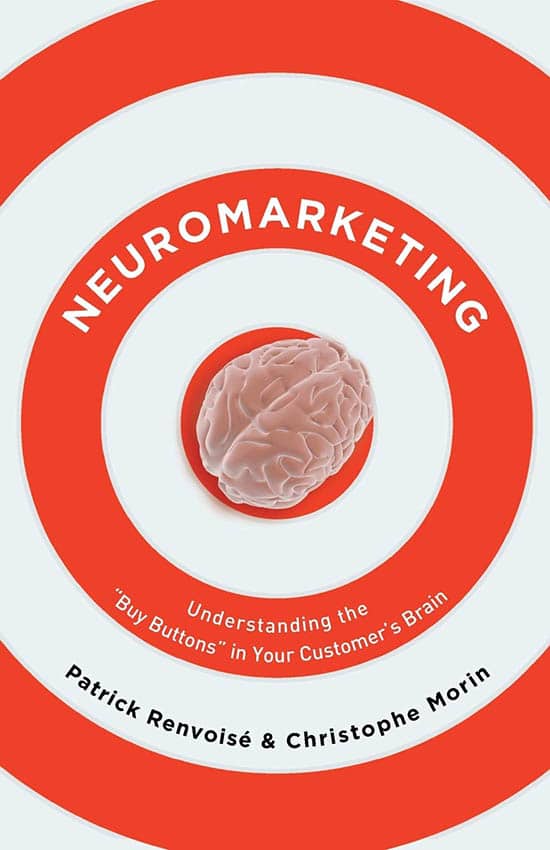
  • Neuromarketing by Patrick Renvoise and Christophe Morin – Book Review & Summary

    Marketing To The Old Brain

    Despite marketing’s best efforts, consumer-buying decisions are based on much more than getting the marketing mix right and having stellar strategies in place. Today, the knowledge of neuroscience shows how consumer’s brains work, and the field of neuromarketing that enables marketers to understand precisely how consumers react to certain stimuli.

    Neuromarketing (2002) by Patrick Renvoise and Christophe Morin draws conclusions from research on the brain’s ancient decision-making processes and innovative marketing techniques to understand why people buy.

    The Old Brain

    The obvious daily choices that people make – like getting that cappuccino on the way to work – aren’t always based on rational, thought-out decisions. They do not flit from café to café; compare products and prices in order to get that cappuccino. Such decisions are made impulsively, on the go, without much thought to the process.

    This kind of thinking is managed by the ‘old brain’, the decision-making center of the brain. The old brain takes and assesses information from the ‘new brain’ and the ‘middle brain’ to make decisions. While the new brain works rationally, the middle brain relies on emotions and gut feelings. Therefore, to influence consumers buying decisions, marketers need to target the old brain.

    The ‘old brain’ of humans is 450 million years old, much older than either spoken or written language, that are 40000 years and 10000 years old. It, therefore, cannot be captivated easily with language.

    The old brain is self-centered and lazy. It focuses on survival and prosperity. Additionally, it also focuses on the beginning and the end of any information rather than the middle. It is therefore essential that marketers focus on how the lives of their customers can be improved with their products. Where advertising these products are concerned, they should focus on having an attention-grabbing start and end to their ads so that customers remember the product.

    The Right Kind Of Preparation

    Preparation is essential for any strategy or process to work. While targeting any message to the ‘old brain’, marketers should use the following steps.

    • Diagnose The Pain – The ‘pain’ of the customers tells marketers what is the issue or deficiency that their lives lack, that can be fulfilled by the product. Marketers should pay attention to understand why customers need the product. For example, a company selling industrial drills should be able to identify that their customer’s pain is that they need to probably drill a dense surface and don’t have the right equipment for it.
    • Differentiate Claims – Marketers should be able to ascertain how their product and their company are different, and how they can ease the pain of their customers. These questions should reveal concrete answers. Therefore the industrial drill company could advertise that they are different from others in having the most reliable products, or the best customer service.
    • Show The Gain – Marketers should then aim to show or demonstrate to customers how their product can ease the pain and additionally add value to their lives. This is where marketers need to show customers hard evidence using testimonials, success stories, prototype demos, share data, etc. to make customers see and understand the pros of the product. For example, the industrial drill company could share a story of how their product enabled smooth and swift completion of a water pump project in the city.

    Once marketers have their prep in place, they can effectively move ahead to deliver the message to appeal to the old brain.

    Structuring An Appealing Message

    Once marketers do their preparation, it’s time to structure a clear message that will appeal to the consumer’s old brain. Structuring the message uses the following building blocks.

    • Using Big Pictures – Using images can help structure a clear picture. Customers should be able to visualize the solution that the product offers. Demonstrating a ‘before and after’ scenario works well here. For example, a mattress selling company could use images of a tired and sleepy person at work contrasting with images of the same man sleeping soundly on the company’s mattress.
    • Proof Of Gain – Showing customers proof or evidence of the success of the product, or showing them how the product will improve their life by using statistics is the next building block, for example, giving statistics such as ‘99% of our customers say their sleep has improved with our mattresses.’ 
    • Using Impact Boosters – Impact boosters are small details about the product that are based on visual, auditory, and kinaesthetic learning. Such boosters help in fine-tuning the message, therefore marketers should attempt to use all three in their messages. The visual described earlier could be accented with soothing music, or even inviting customers to share their experiences are great examples.

    Present To Appeal To The Old Brain

    The most obvious method of marketing and advertising is the face-to-face presentation. However, no matter what form of marketing is used, it is imperative to appeal to the old brain, especially during the presentation.

    Presentations should aim at grabbing the attention of customers from the word go. In order to successfully get them to notice the product, marketers can use the following ‘grabbers’ or techniques that grab the customers’ attention.

    • Mini Dramas – Mini dramas show or depict the customer-facing the pain that a product will ease. Next, marketers can show customers a ‘before and after’ contrast change that occurs after they use the product. Mini dramas can make any product memorable. A company that sells ‘toughbooks’ – almost unbreakable laptops – can use a mini-drama that shows the pain of a person who drops their laptop. Just as it is about to hit the floor, the person remembers that they are using a ‘toughbook’ and have no reason to worry about it breaking.
    • The Rhetorical Question – Rhetorical questions, though not meant to be answered, get the customer thinking and can be used to illustrate a point. Questions drawing comparisons or contrasts, or hypothetical questions propel the old brain into thinking of the solution (the marketer’s product).
    • Props – Using props to show customers the value of the solution helps them remember the presentation. For example, a company selling security solutions can use their automated locks as a prop.

    These grabbers target the old brain and help marketers grab the attention of their customers successfully through their message.

    Confidence While Handling Objections

    Doubt is a natural phenomenon that marketers face. It is, in fact, a sign indicating that the customer is considering buying. However, salespeople should always clear doubt and never leave it unanswered. Therefore, they should have strategies in place that can manage customers’ last-minute objections and doubts.

    It is however essential, that marketers understand the difference between objections that are valid and misunderstandings. Often, when presentations aren’t as clear as they should be, customers could misunderstand what’s being presented and have objections. The following steps can be used to clear any objections customers could have.

    • Rephrasing The Objection – Marketers should firstly rephrase the objection, to be sure about what customers are worried about.
    • Stepping Into The Objection – ‘Stepping into’ includes physically getting closer or moving towards the customer who has raised the objection. This shows that the marketer is keen to hear out the customers objection and unafraid to face them.
    • Listening To The Customer – This includes patiently hearing the customer out and giving them time to express their perceptions and opinions.
    • Proving The Point – Once the customer has given their perspective, it time for the marketer to prove his point. Marketers can show or perhaps offer them a prototype, telling the customer success stories, etc. that appeal to the old brain.
    • Expressing One’s Own Opinion – Sometimes, misunderstandings are not the basis of an objection. For example, the customer might feel that the product is expensive (that is an opinion rather than a misunderstanding). In such cases, marketers can begin with the aforementioned steps and next move on to confidently express their opinions to the customer that the product is actually not expensive. 
    • Highlighting A Positive Aspect Of The Objection – Here, marketers should appeal to the old brain by telling stories that can link to the customer’s objection. They can give the customer subsequent proof by saying, “Our prices are actually competitive, considering the higher quality of our products.’

    Credibility Builds Trust

    Credibility is often the basis on which customers trust products and brands. Especially in presentations, it is essential that marketers build credibility first. It is essential to remember that one cannot pretend to be credible, however, even if one does lack it, one can take steps to increase credibility.

    The first requirement for marketers to build credibility is to have passion and integrity. No one will believe in the product if those selling it are not passionate about it. 

    Secondly, people tend to be attracted to those who are similar to them. Therefore, marketers need to thoroughly research the audience they are going to present their product to and then perhaps pointing out those similarities to them. 

    Third, expressions and communications are vital to building credibility. People tend to shut off if the presenter fumbles and mumbles, and seems unsure while presenting. 

    Fourth, presenters should be able to have flexibility in their presentation and creatively fit it to the audience. For example, one can change the colors of the presentation to blue to appeal to an elder audience as it represents trust and authority.

    Finally, confidence is key. Those who exude fearlessness often present with enthusiasm. Such enthusiasm will attract customers and keep their attention and gain their trust.

    Emotions And Language Can Make  A Message Stick

    Let us compare the message to a cupcake. The cupcake in itself is the real substance. However, the cupcake still needs Choco-chips and sprinkles to make it more enticing. Therefore, it is language, emotions, and stories that make a message more enticing to the old brain and more likely to stick.

    The old brain loves being directly spoken to. Therefore, using the work ‘you’ helps to catch its attention. It also responds better to sharp contrasts such as with/without the product, before/after, comparisons between competing products in the market, etc. However, it is important to remember that the old brain has a short attention span. Therefore, keeping it short and concise works best.

    The old brain also connects faster to messages that elicit emotions. For example, to make a presentation memorable for the old brain, marketers could use happy stories, images, etc. The old brain also cannot differentiate between a really good story and reality, and the truth is that the old brain loves stories.

    Therefore, incorporating a well-detailed story, describing why the story matters to the customers, will keep their old brain glued! The message will be more memorable if it has an appealing, funny, engaging, punch line.

    The Old Brain And Job Interviews

    A job interview is not very different from a sales pitch. The interviewee, after all, needs to sell his own credentials to the interviewer. In this case, the very same principles of preparation can be used to excel at interviews.

    • Diagnose The Pain – This works just like a marketing situation. While going for an interview, the interviewee should research the ‘pain’ that the company wishes to ease by filling in the position applied for. Maybe the previous employee left the job within a few months, thus the company’s pain could be ‘retention’. The interviewee could mention that he is looking for a long-term position.
    • Differentiating Claims – The interviewee should first keenly listen to what the interviewer is saying, what information he is revealing about the position, the competition, or the interviewee himself, and then drive his claim home. He should focus on how he, the interviewee, can help ease the company’s pain. For example, rather than saying he is a great project manager, the interviewee could elaborate on how his management skills can be an asset to the team.
    • Demonstrating Gains – An interviewee should be very specific in telling the interviewer what his company could gain by hiring him. For example, the interviewee could bring along certificates of specialized management courses he has taken, or even provide an overview of successful project completion in the previous company.
    • Appeal To The Old Brain – Right from managing communication, expression, using language and emotions to appeal, building credibility, handling objections with confidence, and using the right grabbers, interviewees can use these tactics to appeal to the old brain of their interviewers.

    Conclusion

    The old brain is the decision-making center of the brain. For marketers, therefore, it is essential to have a clear understanding of how the old brain works and how to use tactics to get their marketing messages to appeal to the old brain.

    Communicating with the old brain directly will help marketers win their customer’s trust and get them compelled enough to choose their products, thereby enhancing sales. 

  • Behave by Robert Sapolsky – Book Review & Summary

    What Influences Behaviour?

    Behaviour is unique to each individual, yet it has its roots in society and culture that define the modern world. Additionally, it is a result of many factors. A number of complexes ranging from the brain’s chemistry to social and environmental conditions affect human behaviors. Moreover, these tendencies to behave in a particular manner have evolved over thousands of years, influenced and affected by human history and different civilizations. 

    Robert Sapolsky’s Behave (2017) delves deep into how human conditioning results in different human behaviours.

    Culture, History, And Biology

    To understand human behavior, understanding human biology is vital. The human brain is perhaps the oldest, and the most wondrous part of the anatomy, and the way the brain works can be linked to evolutionary factors. Every human act first begins as a reaction in the brain. In fact, even the basic instincts such as the fear of dying are processed by the brain’s oldest parts that have been essentially inherited.

    For example, when a person shoots a gun, it is the very basic, inherited, evolutionary, and emotional trigger in the brain that creates the impulse to pull the trigger. In addition to these factors, the brain processes sensory information – visual and auditory – from its surrounding environment to trigger the behavior. If we consider a war zone, it is the heightened sense of danger in the surroundings to makes people act aggressively. These biological behavioral responses are also influenced by human history, society, and culture.

    History, society, and culture shape behavior right from childhood. People from different societies will react differently to situations. For example, people who are used to violence in their society and culture tend to be generally more violent in nature.

    Additionally, ancestral ecology and geography also affect behaviour. Considering all these factors that affect human behaviour, we can see that behaviour is an extremely complex phenomenon that needs has answers in different disciplines.

    How The Brain Controls Aggression

    When it comes to processing and controlling aggression, the amygdala and the frontal cortex of the brain are involved in the split-second decisions that lead to aggressive behavior.

    The amygdala, located in the cerebral cortex (the biggest region of the brain) controls fear and aggression. Experiments conducted have shown brain activity in the amygdala when subjects were shown images stimulating fear or anger.

    In 1966, Charles Whitman killed his mother and his wife before he went on a shooting rampage at the University of Texas. Additionally, he had left a note near his wife’s body stating that he couldn’t ‘rationally specify any reason for his act’.

    While his motives were not clear, the autopsy conducted revealed a tumor pressing his amygdala. The autopsy made it clear why a happily married man would suddenly behave in such a violent manner. Prior to his act, he had even complained to his doctor of having violent impulses and headaches. It was the neurological changes caused by his amygdala that resulted in his behavior.

    The frontal cortex of the brain, on the other hand, controls impulsiveness and regulates emotions such as aggression. The case of Phineas Gage shows the link. In 1848, Phineas Gage was working at a Railroad Company in Vermont. Gage met with an unfortunate accident where a sudden explosion sent an iron rod through his skull piercing his frontal cortex. Shockingly, he survived the accident and lived for more than a decade after the accident.

    After recovery, while gage showed normal brain functioning in areas of intelligence, cognition, perception, memory, and language, according to his friends, he was no longer the same person he was before. He lost respect for social conventions, started swearing, lying, ignoring sound advice, and became impulsive. This proved that the frontal cortex is vital to regulating aggression and determining appropriate behavior.

    A number of case studies of violent psychopaths and criminals have shown that their behaviors have been results of either having injured the frontal cortex or having lower activity in the region.

    Behaviour Is Shaped By The Environment

    The five senses are constantly sending information they receive from the environment. This information or sensory cues, shape human behavior too.

    Visual cues alter people’s perceptions. Cues such as faces, and even skin color can change one’s attitude towards others. When images were shown to white participants for 1:10th of a second, it was observed that the activity in their amygdala increased when they saw images of people from other ethnic backgrounds. Furthermore, when the duration of the images of ethnically different people was increased, their frontal cortex rationalized their initial responses triggered by the amygdala. Naturally, for non-racists, the response of fear from the amygdala typically gets quelled. 

    However, these findings of the initial amygdala responses are intrinsic to why longer sentences for the same crime are given to a stereotypical African face than to a white one. These findings have also helped many defense attorneys change their strategies such as giving male black clients chunky glasses to make their faces more associable with nerd whites than black criminals.

    Cues that are auditory can similarly generate feelings of fear.

    Another similar experiment showed that when researchers played rap music (identifiable with African American culture), and death metal music, associated with whites while showing participants images, the rap music showed increased activity in the amygdalae of the participants while death metal had the opposite effect.

    In addition to visual and auditory cues, behaviors are also affected by one’s immediate social contexts. It is found that men tend to be more akin to risks while they are near women, choose luxury items than buy daily essentials around them. This generosity is seen because, in the company of women, males are unconsciously giving mating signals.

    How Hormones Influence Behaviour

    The relationship between behavior and hormones is quite complex. Hormones are chemicals that form in different glands in the body and when discharged into the bloodstream, affect different parts of the human brain.

    Testosterone is produced in the male testes and the female ovaries, and though isn’t a direct cause of aggression, studies have revealed links between the two. It is a known fact that castration can reduce the level of aggression among males. Therefore, even if sex offenders are punished by castration, one has to consider the factor of context, which also affects behaviors.

     According to some studies, male prisoners have higher levels of testosterone if they exhibit aggression. Thus, contrary to belief, it is a higher level of aggression that increases levels of testosterone secretion and not vice-versa.

    Ironically, the amygdala has a high number of testosterone receptors, and thus, increased levels of testosterone can lead to aggression, but only if an individual is predisposed to aggressive behavior.

    Similarly, oxytocin – which is associated with positive emotions and trust – inhibits amygdala activity. Hence, oxytocin is known to correlate with pro-social behaviors.

    Studies involving economic games showed subjects having higher oxytocin levels viewing others as trustworthy. Considering trust, lower oxytocin levels should have made the subjects in the study distrust deceitful players. However, as the game progressed, the subjects, nevertheless, trusted the deceitful players. Oxytocin too works within the boundaries of context. The subjects exhibited higher levels of trust only when the players were in front of them in the same room.

    The Impact Of Childhood Experiences

    About 85% of the human brain develops within the first two years of life. The other 15% that includes behavioral development develops as the child grows. The frontal cortex of the brain develops much later on, closer to the mid-’20s.

    The adolescent years of a human are extremely critical for behavior development. It is during the adolescent years when the frontal cortex (still undeveloped), can lead to risk-taking, impulsiveness, and even spike up violent traits. Thus an undeveloped adolescent frontal cortex can negatively influence behaviors.

    This knowledge has indeed seen some countries like the US treat younger offenders more leniently, with the Supreme Court ruling in a landmark case that it is illegal to sentence juveniles with life sentences without parole.

    Additionally, a difficult childhood can cause increased levels of violence among youngsters for life. The brain’s neural plasticity – or the ability to absorb information – is much faster among children than in adults. Thus repeated negative experiences or childhood abuse can cause these children to themselves abuse their own children in adulthood.

    Any adversity such as violence or poverty experienced in childhood can cause overdevelopment in the amygdala and underdevelopment in the frontal cortex. Therefore, since the frontal cortex is vital to inhibiting the amygdala’s impulsiveness, an overdeveloped amygdala with an underdeveloped frontal cortex result in violent tendencies in later life and poor behavioral regulation.

    Cultural Factors And Societal Behaviour

    In addition to neurobiology, cultural factors are equally intrinsic to human behavior. For example, if Honduras sees four hundred and fifty times more murder cases than Singapore does, it is evident that cultural conditioning also plays a vital role.

    If we consider different cultures such as the individualistic US and the collective culture of East Asia, we can see that culturally, the people of the United States tend to focus on personal achievement and individual rights. On the other hand, collective cultures focus on the needs of the group before individual ones.

    Studies in brain activity have shown that when Americans are shown pictures of themselves, their frontal cortices activate faster than when they are shown pictures of relatives, an impulse that isn’t as strong in East Asians.

    Cultural differences also affect sensory processes. For example, when East Asians are shown a picture of a person standing alone in a complex scene, they are more likely to focus on the surrounding scene than the individual. Americans would focus more on the details of the individual.

    Cultural differences also result in varied moral systems. In collective cultures, utilitarian moral stances are more common because they value the needs of the many. Therefore, they also place more value on the greater good, especially in criminal justice. These cultures would be more willing to arrest innocent people if it would be the means to stop a riot. Contrarily, in individualistic cultures, individual rights would take precedence, and imprisonment of the innocent without due process would go against societal norms.

    The Influence Of Local Ecology And Geography

    The development of collective or individualistic cultures can be attributed to the surrounding environment, geography, and local ecology, especially since the development of culture is a slow, but sure centuries-long process.

    For example, East Asian countries are predominantly rice-cultivating agricultures. Growing rice is a collective communal labor activity, as opposed to growing wheat, like in North China, where rice is difficult to grow. It is observed that in the North china regions, divorce is more common than in other surrounding rice-growing regions. Additionally, the individualistic wheat-growing culture has resulted in more patents filed in the northern regions.

    The United States, being a predominantly immigrant nation, sees immigrants who are essentially seen as outcasts, criminals, or second-class citizens in their native countries. America is perceived as a place to start life afresh, most because immigrants see it not only as a way out of their original social contexts but also as a new geographical environment. If we consider the geographical context of colonial America, we can see that the country needed immigrants to develop and civilize the land, especially for growth. This individualistic, self-reliant, and even aggressive sense of development prevailed as long-standing character traits; traits that are seen in many southern states even today.

    America has historically been rural and pastoral geography, making it tougher for the center to implement laws. This made people take law into their own hands, increasing instances of violence and making violent traits more common, even to this day.

    Neurobiology, Political Views And Morality

    Morality and political views are also influenced by neurobiology. In fact, there is a correlation between the brain and whether a person has a conservative or political perception. A study that interviewed people of both these political views, saw both sides answer that the roots of poverty lay in the laziness of the poor. However, when the group was asked to rationalize their perceptions, it was found that the liberals gave a situational response that the odds were stacked against the poor.

    A similar mentality can be seen when different people are presented with non-political topics. For example, both, liberals and conservatives initially blamed the clumsiness of a dancer who falls while dancing, however, given time, the liberals were able to rationalize that perhaps the difficulty of the steps could also be blamed.

    Additionally, studies have found neurobiological differences between liberals and conservatives. It is observed that liberals possess more grey matter in the areas of the brain that controls empathy – the cingulate cortex. Contrarily, conservatives have a heightened response to fear due to their enlarged amygdalae, making them more anxious in situations that are risky.

    The brain’s neurobiological connections are also responsible for morality. For example, telling a lie against better judgment leads to activity in the frontal cortex. The act of hiding the truth puts pressure on the frontal cortex to work at full throttle, as strategic deceit is far more difficult for the brain than to simply tell the truth.

    On the other hand, honest individuals’ frontal cortices do not activate during an opportunity to deceive at all simply because they don’t consider deception at all, and thus their frontal cortices do not need to stress themselves out at all.

    The Differences Between Empathy And Compassion

    Let’s begin with an example. When we see someone prick their finger with a needle, the responses that generate from us are purely physical. Our own hands would tighten up, indicating that empathy is connected with avoiding physical pain.

     The Anterior Cingulate Cortex or the ACC links both the amygdala and the frontal cortex. It gets activated when we see others’ pain. It helps the brain learn fear from observed bad experiences, indicating that empathy actually results out of self-preservation than compassion for others’ pain.

    How empathetic one feels depends on sensory factors. We know that visual perceptions of different ethnic people can trigger the fear-inducing amygdala to activate, thus making them less empathetic. Now consider how empathy is affected if the person who pricked his finger is racially different.

    A study conducted on the relationship between empathy and compassion found that while both are perceived as closely associated, they have completely different origins in the brain and activated b different reactions to other peoples’ pain. 

    In the study, two parallel training sessions were conducted. The study group was asked to feel the pain of a suffering subject. The activation of the amygdala that followed resulted in negative feelings and anxiety among the group. In the second training, they were asked to feel the warmth and completely avoid empathizing with the distressed subject. This time, instead of the amygdala, the frontal cortex was activated and the group felt pro-social, positive feelings proving that behaviors leading to empathy and compassion have completely different connotations.

    Conclusion

    The study of human behaviour is an old endeavour that seems to get more complex as research delves deeper into it. However, it is clear that behaviour is an extremely complex phenomenon that is influenced and affected not only by the environment and society but also by historical conditioning, geographical implications and even the smallest neurobiological responses seen in different parts of the brain.

  • Flow by Mihaly Csikszentmihalyi – Book Summary And Review

    Seeking True Enjoyment

    Why do we often feel as though we are stuck in rut? Why does it feel as though the joy that we once found in our work is lost and we are merely trudging along with life – just because we have to? Why does one feel, that despite being creatively active, boredom swoops in and takes a hold of the mind?

    Flow (1990), by Mihaly Csikszentmihalyi, explores the reasons we feel a lack of enjoyment in our work. It delves into why people become too focused on other’s opinions and external rewards, and lose touch with their relationships with work and the meaning of their lives. With examples from ancient wisdom, modern psychology, and philosophy, it is a groundbreaking, empirical work of research that shows how one can truly focus on intrinsic rewards – where one can purely focus on their interests without letting the external rewards and others’ opinions hinder them in doing their best at work and leading truly contented lives.

    Religion And Luxury Lead To Indifference And Meaninglessness

    Religion helps us cope with feelings of unhappiness and lack of fulfillment. This comfort in organized religion stems from the fact that these religions have set rules within which society runs its basic faculties and finds meaning within them. Nevertheless, discovering the predicament of the universe has shown us that the principles of religion are wrong. Yet, people have time and again turned to religion, and still do. For example, at the peak of their power, the Romans thought that they had conquered their fates, until their empires collapsed, breaking their bubbles of comfort.

    People often turn to external rewards such as fame and wealth to seek comfort too. Today, the luxuries of modern life make people believe and struggle for the comforts they offer, without realizing that these don’t bring happiness either. It is a fact that the wealthiest man won’t be truly free from unhappiness. Yet in order to derive meaning, people show off their wealth or seek positions of power to change their environment to sustain happiness.

    This is the reason why a closer look at our lives shows us how unhappy we really are, as compared to viewing it from a distance.

    Genes Push Us Towards Basic Pleasures

    True enjoyment in life is difficult to attain. Moreover, the attention span of humans is limited and we prefer to seek instant gratification from the simpler pleasures rather than pursue the ‘hard-to-attain fruits of true enjoyment. We are simply genetically bound to seeking the restorative order of basic pleasures. For example, our bodies have evolved to feel hungry when our blood sugar dips low.

    True enjoyment, on the other hand, requires one to concentrate and use their skills and to stretch their limits and go beyond the confines of one’s genes, pushing one to focus and control their attention towards attaining their goals. For example, when a person tries to make a complicated dish, he uses all his patience and skill, as well as the understanding of a sophisticated palate, in order to be able to enjoy every bit of the final dish.

    Even then, the person seeks pleasure rather than enjoyment.

    Take for example, when people wind down on the weekend after a particularly difficult week, they prefer to sit with a drink, or even indulge in recreational drugs. While these provide relaxation, they often deplete our ability to concentrate and make us lose control. These are forms of external rewards that do not need one to exert their skills or focus on goals.

    Thus, pleasures take us down the path of distraction and least resistance.

    The Elements Of Enjoyment

    Enjoyment can be defined as a feeling experienced when one has a clear goal, engages in an activity to reach that goal which has a balance of challenges and skills and receives immediate feedback. Yet, people experience enjoyment in different unique ways and use different terms to express what they feel.

    For example, surgeons get immediate visual feedback of how well they are performing an operation when they are seeing less blood in an incision or extract a diseased organ successfully. On the other hand, doctors who practice internal medicine, do not get an immediate visual of their success, even though they have clear goals as well.  They need to set different goals for enjoyment – such as being able to correctly identify an illness and treat it successfully with the right medicine.

    Truly enjoying the task at hand, or getting ‘in the zone’ involves having a feeling of being in control with awareness and action. Rock climbers, for example, have to devote their complete attention to successfully assessing the dangers in the task at hand. Their enjoyment lies in quelling their fears by using their expertise.

    The complete concentration and immersion we see in surgeons or rock climbers is powerful enough to take a person away from self-consciousness and anxiety. Such concentration can make a person lose track of time, enabling them to truly enjoy what they do.

    Personal Rewards Incite Skill Development

    Once, a US tourist walked into an antique store in Naples, looking to buy a sculpture. The owner of the store quoted a very steep price on the sculpture. When the tourist agreed to pay the quoted price, the owner said that the sculpture wasn’t available for sale.

    Here, the owner changed his stance not to exploit the tourist, but because he enjoyed bargaining and the sharpening of his mental dexterity and selling skills. People tend to try to achieve more and expand their personal limits when a task is neither difficult nor easy. A tennis player, for example, will simply enjoy getting the ball across the net as a beginner. With practice, as the task isn’t challenging anymore, the player will set his sights on something more difficult – like practicing the perfect serve or playing against another skilled player.

    If the player finds a highly skillful opponent, he may feel out of depth and even give up because the challenge is too difficult. However, if the opponent is just a notch above the player’s skill level, he could actually have a chance at improving his skills at tennis. However, for skill improvement, it is essential that the player’s skills be aligned with his personal goals, remain unaffected by external rewards, or threats of punishment. 

    Eva Zeisel was a ceramist who was imprisoned by Stalin’s Police. In order to maintain her sanity while in prison, she would play chess with herself in her mind, did gymnastics, and even memorized her own poetry. Her personal goal kept her motivated to improve her skills and control her consciousness at a time when there was little else that could motivate her.

    Discipline Can Lead to A Heightened State Of Awareness

    Consider walking. It is a mundane, routine activity that we never pay attention to. However, paying attention to the surroundings, the sights, smells, people, architecture, etc., one can even transform this mundane activity into a source of inspiration.

    Mindfulness and awareness of one’s surroundings can lead to creating a meaningful connection with the surroundings, and the mind can be trained to perceive more than what one’s automated responses to the surroundings allow.

    Today, we have an unlimited choice of music available at the click of a button. Yet, we do not enjoy it in its full complexity. If we are mindful enough, we will be able to understand this complexity and enjoy the music for its true sensory meaning, where the body is able to respond to its rhythm, to its analogic meaning that conjures up images while listening to the music, and the analytical meaning, where we can analyze it and compare it with other pieces of music, different composers, etc.

    Such mindfulness comes from a strong sense of self-control, which can be sought through the ancient Eastern wisdom of yoga practice. Yoga believes in the practices of obedience, cleanliness, non-violence, and above all discipline. It uses the acknowledgment of a higher power to gain self-control and to steer one’s attention to a positive goal, which is aligned with a specific personal goal. It is a method that encourages one to free the self from ego and exercise mind-control by using the body.

    Focus On Ideas Rather Than Flaws

    Sport and exercise require focussed attention. People engaged in such activities seek enjoyment from the concentration and attention required to reach fitness goals. Humans have the capability to use their minds to seek similar enjoyment too. Such a ‘state of flow’ of enjoyment also comes when one engages in exercises and games of language or memory. 

    For example, by simply solving a crossword, one merely attains an external reward. Instead, one can create one’s own crosswords puzzles to sharpen language skills thereby attaining intrinsic rewards. Memory skills can be sharpened by absorbing everything about any particular subject of interest, such as the works of a particular poet or events of World War I, etc. Such activities can help one get ‘into the flow’.

    Bertrand Russell, in order to make himself happy, focussed on the external world, rather than dwell on his flaws. Focussing on the external world, on people who one admires, fields of knowledge and interest rather than one’s own flaws can help one connect with the ‘flow state.

    Many scientists such as Isaac Newton focused on improving their scientific skills simply because they enjoyed the act of improvement. Even Einstein focussed on using his free time to work on his famous theories.

    Treat Work Like A Game

    Dissatisfaction in life often stems from the fact that people are unhappy with their daily routines – mostly their jobs. Additionally, they spend their leisure time trying to recover from their dissatisfaction. It is, however, possible to derive enjoyment from work by turning ‘work’ into a challenge that requires one to focus their attention to achieve a goal and reduce anxiety.

    In a small hamlet in the Italian Alps, the elderly residents of the community would begin their day at five in the morning, milk and feed their cows after carrying bales of hay for miles, tend their orchards, and cook. However, when they were asked what would they change about their lives if they were wealthy, they said that wouldn’t want to change anything. This was because they didn’t distinguish between tier work and their leisure time. 

    Similarly, there are many people who find enjoyment in their work than while they aren’t working. These people also report an increase in their creative capabilities and concentration. Setting intrinsic goals for oneself that are not motivated by the extrinsic factors of wealth or fame, and trying to exceed one’s own levels of learning or performance is a great way to get into the ‘state of flow’.

    For example, a railroad car welder was known among his colleagues because he had learned all the jobs in his assembly line and enjoyed doing all of them. He would refuse promotions and enjoyed turning various manual tasks into a challenge. He pursued gardening in his free time. He never felt the need to escape the drudgery of routine.

    It is thus essential to cultivate challenges in work and try to learn all there is about the work in one’s own organization. This helps one escape the drudgery of simply clocking in and out.

    Engage With Friends And Family

    While spending quality time alone is essential, it can also lead to boredom. Moreover, daily routines, the hustle, and the bustle of daily travel can sap away one’s individuality and freedom. This is when one turns to their social circle of neighbors, friends, and family.

    Family is an important social construct that can give an individual unconditional acceptance and honest feedback. Moreover, happy and supportive families can be both, differentiated – where everyone accepts each family member for their differences, distinct skills, and traits; and integrated as well, where they can be downright honest, fair in judgments, and inclusive of all members in the family.

    For example, the children of parents who engage in challenging tasks and hobbies try to emulate these habits, than if they were passive and indulging in TV-viewing and drinking in their free time.

    Similarly, having good friendships can help sharpen and strengthen one’s creative side. Humans have instrumental skills – like professional skills or survival skills – and expressive skills – skills that enable us to express and communicate our personalities. Spending time with friends can hone these expressive skills than being alone, producing higher levels of motivation, strength, happiness, and self-esteem.

    Family and friends are also intrinsic to growth and novelty in life. For example, Canadian Indian tribes create permanent settlements in areas that are rich in food resources. However, with every next generation, they uproot themselves and move to a different area, starting from scratch. They search for new ways of finding and harvesting food. This process shocks them out of routine to learn new skills.

    The Pros Of Focussed Attention

    We have seen earlier how focussing our attention can help gain new perspectives, reduce anxiety, and help one find new ways to grow. In order to do this successfully, one can employ the following strategies.

    • Letting go of the ego – We feel frustrated when things out of our control disrupt schedules or put a halt in our work. When such situations come in direct conflict with intentions, trusting and putting faith in their own abilities to manage situations as they arise is essential. For example, when the computer stops working for no reason right in the middle of some important work, we should put aside our ego and frustration and understand that there are higher laws that govern things and that everything isn’t always within our control.
    • Practice being mindful of our environment – Charles Lindbergh, the first person to cross the Atlantic in a plane all alone, knew that his endeavor was a risky one. Rather than focus on his fear, he chose to be more mindful of his surroundings. He concentrated on the levers, knobs, and the welding marks inside the cockpit. This cleared his anxiety.
    • Do not give up – Everyone faces difficult situations at some point. Rather than giving up when a task seems too difficult, one should the difficulty to find new solutions. For example, if your boss’ camaraderie with another colleague thwarts your chances of being promoted, you can either try to win the boss’ favor by fawning over him like the colleague does, or find a new career altogether. While neither of these solutions might be good decisions per se, the latter choice can prove to be a novel way of finding and pursuing new challenges in life.

    Remember, there is always another option where one can channel and focus their attention to a new challenge. It is simply a matter of choice.

    Putting Unified Goals Into Action

    Everyone has his or her own purpose or goal in life. One only has to discover it. This can be done by focusing on that purpose or goal and by choosing to create meaning in life. It is important to remember that the end result of the pursuit isn’t as important as the journey, especially if one is completely immersed in the challenges that the pursuit brings forth.

    Once the goal or purpose is established, one should put them into action with strong resolutions and intentions. For example, Antonio Gramsci was a vociferous political activist who spoke against Fascism, and who grew up living in poverty and illness through his childhood. His greatness as one of Fascism’s strongest opponents was a result of the strength in his resolve to fight against the social conditions that challenged his family.

    One’s goals and purpose should have a life theme and the resolutions one has should be harmonious. Malcolm X started his life in poverty too. He went to jail for dealing drugs. However, while in jail, he gained self-knowledge by reading and by reflecting on his actions. His focussed attention on civil rights drove him to become an activist and improve the lives of others.

    Conclusion

    True enjoyment comes when one focuses on the intrinsic rewards in life. The opinions of others, fame, and wealth are just external rewards that can divert one’s focus from truly enjoying their work.

    In order to get into the ‘flow-state that leads to true enjoyment, it is essential to focus one’s attention, completely immerse oneself in the task at hand, set clear personal goals, and work towards cultivating new challenges. Moreover, one should put these goals into action with strong resolutions and intentions. 

    Additionally, having a disciplined outlook, being mindful of one’s environment, and most importantly, treating work as a game can bring true contentment and enjoyment in work.

  • Issue #30, 6 July 2021 – A Master Is A Beginner Again

    Welcome to the Deploy Yourself Newsletter. Every two weeks I share what impactful leadership looks like to show your own power. I also share the most insightful lessons and stories I encountered in the last two weeks. You can also read this issue online.

    Hey,

    A Master Is A Beginner Again. An Expert Is Not.

    The difference between someone who is a master (at any skill) versus an expert is that the master is willing to look like a fool. The master is willing to play and learn like a beginner, while the expert is all serious and committed to not making any mistakes. A master continues to learn in a mood of lightness and curiosity, while the expert hinders their own learning in a mood of heaviness and seriousness.

    For the master – whether it is leadership or badminton or dance – there are no experts. There are only learners. The master’s journey is the journey of lifelong learning. And this journey never ends. The below are some enemies you might run into on your journey of mastery.

    1. Excessive use of external motivation (medals, bonuses) will slow you down when the going gets tough. Reconnecting with your values and purpose will put you back on the master’s path.
    2. Overcompetetiveness – What’s the point of a journey if it becomes too heavy and serious to enjoy the present moment. The ability to laugh at yourself when that happens puts you back on the journey.
    3. Perfectionism – Nothing is more destructive to creativity than setting standards so high that they pull you down rather than push you up. Mastery is not about getting it right all the time. It is about giving yourself permission to mess up every now and then.

    Are you a high performer? Do you see any of the above dark sides of being a high performer in yourself?

    Are you giving yourself permission to be a beginner again? Are you willing to look like a fool?

    If you want to share your own experiences of being on the journey of mastery, reply to this email. I read and respond to every reply.

    Articles and Stories Which Have Fascinated Me

    One

    20 Questions Every Manager Must Ask In 1-on-1’s

    As a leader, my most important meetings are my 1-on-1’s with my direct reports. It is the single best investment of my time. There is nothing more powerful than asking the right question at the right time. Powerful questions like these can become your prized tools of leverage as a leader and coach.

    1. Tell me something I don’t know about you?
    2. Where do you want to be in the next 1, 5, and 10 years?
    3. What are you excited about?
    4. What are you worried about?
    5. If you were to donate everything you have to a cause or charity, which would it be?
    6. What one word do you want people to use to describe you? What word do you think people currently use?
    7. What did you do recently that you are proud of?
    8. When was the last time you told a lie? Why? What would have happened if you had told the truth?
    9. What do you want to do that you will be proud of in 5 years’ time?
    10. How are you special? What makes you stand out?
    11. When was the last time you stepped out of your comfort zone? What was the result?
    12. Tell me about your biggest failure in life? Biggest success? What did you learn from the experience?
    13. When was the last time you laughed at work?
    14. If you had the opportunity to get a message across to a large group of people, what would you say?
    15. What would your day look like if money was not a concern?
    16. Who do you look up to? Who are your mentors, both those you know personally and those who inspire you from afar?
    17. What do you do after work? What are your hobbies?
    18. What are your highest priorities in life? Where does work fit in?
    19. As a child, what did you want to do when you grew up?
    20. What in your life is ‘on hold’? Until you lose weight, until you retire, etc. What are you waiting for?

    From an article from my desk titled 20 Questions Every Manager Must Ask In One-on-One’s To Help People Find And Do The Best Work Of Their Lives

    Two

    Michelle Obama on the messages are you practising?

    Michelle Obama speaks in this video about Impostor Syndrome, and how it is a lie that many of us have been (unconsciously) practising. Below are some messages from the video which I am taking on to practice regularly:-

    1. “You can’t count on someone else to give you self confidence.”
    2. ”You belong. Practice a different set of messages.”
    3. “You are waiting for somebody to tell you that you belong. I am telling you – You Belong”

    From a Michelle Obama video on youtube

    Three

    George Bernard Shaw on Happiness

    “We have no more right to consume happiness without producing it than to consume wealth without producing it.”

    ― George Bernard Shaw

    That’s it for now. If you have any questions or feedback, or just want to introduce yourself, hit reply. I read and respond to every reply. All the best,

    Sumit

    (Twitter) @SumitGupta
    (LinkedIn) Connect

  • Buyology by Martin Lindstrom – Book Review & Summary

    Why Neuromarketing Works Best

    What motivates people to make the purchase decisions they do? In reality, people make their purchase decisions based on an innate, unexplainable, gut feeling, rather than by weighing the pros of cons of products every time. These purchasing decisions are actually made at a deeper level rather than being cut and dry.

    Buyology by Martin Lindstrom explores and examines the hidden motives behind buying decisions by delving into the cutting-edge methods of neuromarketing. It assesses the workings of the brain and shows why traditional forms of marketing research such as surveys and questionnaires don’t always work.

    Often, the brain’s decision and reasons to buy contradict what a buyer actually wants. In order to gauge this contradiction, Lindstrom believes that neuromarketing, a method based on sophisticated neuroimaging machinery, can lead entrepreneurs to information that can help in creating the best marketing strategies for their products and services.

    The Influence Of Mirror Neurons

    Studies have revealed that mirror neurons are the reason behind contagious yawning. When someone around us yawns, we feel an urge to yawn too. Similarly, seeing someone smile can put a beaming smile on the watchers face too.

    In a study conducted on macaques by Giacomo Rizzolatti, a scientist, in 1992, showed an astonishing connection. He found that the premotor neurons in the macaques’ brain lit up while it reached for a nut, but also lit up while watching another macaque reaching for a nut too.

    The study proves that these mirror neurons and certain regions of the brain were activated equally while the subject performed an action itself as well as when it watched another so the same action. The same can be said for humans, wherein, as we observe someone else performing an action, we re-enact the action in our brains too.

    Marketing strategies and targeted advertising aim to stimulate these mirror neurons while making buying decisions. For example, the mirror neurons of the brain react to targeted gestures of someone sipping a cool cola in an ad. Similarly, attractive models in clothing brand ads target the mirror neurons, promising them a perfect look.

    Mirror neurons, however, work in tandem with the happy hormone dopamine that creates a feeling of pleasure, influencing one’s buying decisions. The rush of dopamine is also the cause of the happy feeling we get after ‘retail therapy. It is this feeling that influences one to buy more than what rationality would otherwise allow.

    Additionally, the same rush of dopamine can be linked to purchase decisions that indicate an increase in one’s social status. These choices are dictated by evolution. An increase in social status leads to an increase in one’s chances of reproduction. Biologically, the survival instinct of the body causes the brain to flood with dopamine, urging us to buy that bigger house or the flashy car.

    Somatic Markers And Product Perception

    We see many choices at the store. What makes us choose one particular brand every time as opposed to the other competitors on the shelf? 

    Shortcuts that trigger automatic responses – the somatic markers of the brain – explain this. The brain processes a number of ideas and thoughts, condensing them all into a single response. Based on past experiences, the brain, rather than generate a new process every time, creates a shortcut leading to one’s buying decision.

    A recent German study showed that about fifty percent of one’s buying decisions are made on spontaneous and unconscious reactions, due to the pre-made purchase-decision map already existing within the brain’s somatic markers. These somatic markers drive the preference of one brand over another. 

    For example, researchers saw that buyers preferred Andrex toilet paper to Kleenex. While the results might seem strange, they were based on the fact that people liked the cute Labrador puppy mascot Andrex used. People linked the image of the puppy with toilet training, a young family, and these conceptual links strengthened the brand’s perception. 

    These somatic markers are also what make people associate German products with technological superiority, making the brain’s somatic markers a veritable marketing tool. Thus advertisers often create associations between wildly different concepts to attract somatic markers of the consumer’s brains.

    For example, Lindstrom convinced the manager of the struggling bank to paint everything in the bank a vivid pink. After a few months, the bank started flourishing because people associated the pink color with their childhood piggy banks. This shows how color can influence somatic markers greatly.

    How Fear Works In Marketing

    Using somatic markers to influence buying decisions can be relatively harmless. However, some marketing techniques are created to exploit certain negative emotions such as fear. When a person experiences fear, they tend to seek solace in pleasant experiences and solid foundations – often in retail therapy. As we have seen earlier, retail therapy induces the rush of dopamine that makes a person forget the stress caused by fear, pushing him/her to buy more.

    Lyndon B. Johnson’s, 1964 iconic commercial ‘Daisy’ is a perfect example. The advert showed a little girl playing with daisies, just as a nuclear explosion erupts in the background. The message in the ad was clear – vote for Johnson or for nuclear war! Political strategist Tom Freedman studied the effects of the commercial on the amygdala (the part of the brain that controls fear) among voters recently. He found a noticeable activity increase in the subject’s amygdala – proof that the commercial was successful in winning Johnson the presidency in that year.

    Somatic markers in the brain associated with fear can also link products with the absence of negative feelings. For example, diet products instill the fears of unwanted, undesirable consequences linking them with not using the product. This encourages buyers to purchase the products to avoid those negative consequences.

    Similarly, Johnson & Johnson’s No More Tears Shampoo works on the same concept. With promises of avoiding burning eyes in the bathtub, they have successfully marketed their product using the concept of fear.

    Subliminal Messages In Marketing

    Subliminal messages in advertising mean using auditory, visual, and other sensory messages directed at the subconscious. It is a concept that has been under the radar since 1957 when the concept was still in its nascent stages. The National Association of Broadcasters banned subliminal messaging even though the concept was determined to be fake.

    If we consider any message in advertising that influences the subconscious to make purchase decisions, one can say that modern advertising does include subliminal messages, or any form of sensory stimulation that causes an obvious subconscious response, for example, the smell of the insides of a new car as a person takes the car for a test drive; we can say that subliminal marketing works.

    For example, Marlboro’s owner Philip Morris pays clubs and bars to match their interiors with the brand’s colour scheme and put up ashtrays and other symbols that are similar to the Marlboro logo.

    Neuromarketing research shows that subliminal messages work. A study showed that a simple grumpy or happy face affects how much a consumer is willing to pay for any product. Participants of the study were asked to see a sad or happy face, pour themselves a beverage, and then decide how much would they pay for it. Those who saw the happy face actually poured themselves more and were willing to pay double what the participants who sad faces were willing to pay.

    It proved that simply seeing a smiling face at the checkout counter could greatly impact sales of a product.

    The Impact Of health Warnings And Disclaimers

    All cigarette packs have health warnings printed on them. Despite these warnings, statistics show that about fifteen billion cigarettes are sold on a daily basis. The question therefore is, do these disclaimers work at all?

    A study asked smokers to see health warning images and rate their urges to have a cigarette. The brain scans of the participants showed that on a neurological level, the images had no effect on the participants’ cravings whatsoever. The study in fact showed that the nucleus accumbens – the brain’s ‘cravings spot’ – was actually stimulated by the images rather than repulsing the smoker.

    Lindstrom, along with his research team conducted a similar experiment, showing participants a very repulsive ad. It featured a group of people sitting together enjoying cigarettes, while the cigarette emits disgusting green globs of fat, rather than smoke. As the group of people kept smoking, the globs of fat oozed out unnoticeably onto their clothes and surroundings. 

    The aim of the ad was clear. Smoking causes globs of fat to circulate throughout one’s bloodstream causing damage to the arteries. Yet the ad had no effect on the study group. In fact, their brain focussed on the fun, social setup, and friendly atmosphere in the ad, increasing their desire to smoke.

    Thus disclaimers actually promote addictive habits rather than discourage them.

    Religion, Loyalty, And Marketing 

    Marketing strategies aim at acquiring loyalty from customers. For example, if we look at the Oreo Cookie’s ‘twist, and lick’ or the ‘dunk in the milk’ way of enjoying the cookie cream, it has become a ritual. The strategy encouraged people to become ‘a part’ of the crowd that believes that these are the best ways of enjoying an Oreo. They ritualized the actions, making them almost religious, cementing customers’ loyalty to their product.

    The major religions of the world work in a similar manner to ensure the loyalty of their followers. The Catholic Church, for example, encourages people to form emotional connections that make their beliefs strong and them loyal. Religions also create an ‘us vs. the others’ mentality to gain loyalty. Many marketing strategies adopt the same methods to create loyalty among customers. Similarly, major competing brands such as Coke, Pepsi, Visa, MasterCard, etc., create distinctions between competing products to define themselves. Such distinctions help in attracting a fanatical following of loyal users.

    Moreover, iconography in marketing such as symbols, or the logo of a brand (the golden arches of McDonald’s or the Nike swoosh) is quite similar to the iconography that is present in religions. Symbols such as the Cross, angels, and the Crown of Thorns help followers associate feelings with religion.

    There is a similarity between religious connotations and references and strong brands too, especially in the way the brain processes these messages. 

    A study in neuromarketing showed that the brains of participants presented almost identical activity while they were viewing images of religious symbols and images of strong brands such as Ferrari, iPod, Harley Davidson, etc. Thus, emotional resonance and engagement with the marketing of strong brands are similar to one’s spiritual attachment was clearly evident.

    Sexual References In Advertising

    The use of sexual references in advertising is a thriving and age-old practice. However, are these strategies effective enough?

    Take, for example, the National Airlines commercial that featured a sexy air stewardess claiming to “fly you like you’ve never flown before”, or Vulva, the perfume brand claiming to have captured the enticing scent of the vagina. Sexual references in many ads suggest ‘sex sells’, however, certain studies have claimed that sex has no effect whatsoever on customers buying decisions.

    One study showed two groups of different shows with commercials in between. While one group watched some explicit scenes of Sex And The City, the second group watched the family comedy Malcolm In The Middle. The group that watched Sex In The City surprisingly was less likely to remember the commercials shown than the second group.

    In fact, a study conducted by MediaAnalyzer Software and Research proved that sexual content in advertising actually takes a viewer’s attention off the actual product. They showed participants a few print ads that ranged from highly sexual to absolutely bland and asked them to specify which ads caught their attention. While the sexual ads gathered more attention, the viewers could not remember the brand names and logos of the ads, proving that sex does sell but at a price. This phenomenon was named the Vampire Effect, where explicit content actually sucks the attention of viewers away from products.

    Nevertheless, sexual content, for its shock and controversial virtue can indeed be good for marketing. Thus, sex in itself sells, but it doesn’t help sell a product. It is rather the controversy that sells.

    Neuromarketing And Market Research – Conclusion

    It is proved that neuromarketing strategies can outperform traditional marketing tools such as surveys, mainly because most consumer choices are unconsciously made.

    A comparative study showed participants 3 shows, How Clean is Your House, The Swan, and Quizmania.  After watching, they were asked to rate which show would they prefer to watch again. While traditional surveys pointed at How Clean is Your House and The Swan most preferred, brain scans later showed that How Clean Is Your House?  was a clear preference followed by Quizmania, with The Swan taking third place. 

    Neuromarketing thus has the ability to gauge whether a marketing strategy could backfire or be ineffective altogether. It can also help determine the true motive behind purchase decisions, helping companies tweak their marketing and products accordingly.

    By looking at the biological aspects of brain activity, neuromarketing proves to be a more accurate method to influence a customer’s purchase decisions.