March 2020

  • Amazon By Natalie Berg and Miya Knights: How the World’s Most Relentless Retailer will Continue to Revolutionize Commerce

    Keeping Up With Amazon

    The past two decades have seen one company emerge out of a Seattle garage and trail-blaze itself into the second most valuable company today. Breaking all barriers in the retail and e-commerce sectors, this company has set and broken records in the global business empire and revolutionized the very concept of retail. 

    Jeff Bezos’ Amazon dominates every aspect of the retail and e-commerce industry, with over five hundred million products on offer. Moreover, Amazon leads the market as the most popular ‘go-to’ destination for online shopping right from fashion and accessories, furniture, electronics, sporting products, and even groceries.

    Natalie Berg and Miya Knights, in their book Amazon: How the World’s Most Relentless Retailer will Continue to Revolutionize Commerce (2019) investigate the meteoric rise of Amazon, why and how the company dominates the markets, and what other retail companies can learn from their successful strategies and mechanisms. They delve into insider knowledge and industry data to show the evolution of retail in the digital age, the future of shopping, and what retailers need to do to succeed in a market that already seems saturated from A to Z with Amazon!

    More Than Just A Retailer

    Today, one thing is for sure, ‘If it exists, you can buy it on Amazon’. 

    Everything that one needs is just a click away. Amazon, today is more than just a retailer. It is a vendor that sells and handles a million products itself, it is a marketplace that third-party sellers use as a platform to sell their products, and it is adding more roles to its forte, perhaps even as we speak.

    Amazon has moved in production, having over a hundred in-house brands ranging from fashion to coffee, has its own electronics (the super successful Kindle and Echo), as well as its own payment services, credit card options, cloud storage, and much more.

    Why then, does Amazon need to expand its limits, especially when its retail division is already a resounding success?

    Amazon’s foray into multiple businesses is based on a simple strategy. They follow the flywheel principle where customers are attracted by lower pricing and good service, which in turn leads to higher sales. Higher sales attract more third-party sellers, which results in more business and money for the company. Amazon further reinvests this money to further reduce prices and provide better service. The flywheel strategy, thus, helps build momentum and pushes Amazon towards higher levels of success.

    Amazon feeds this flywheel strategy with innovation, thus broadening the boundaries of the traditional retail structure. Their foray into the entertainment sector with Amazon Prime and Video, and their storage and delivery solutions such as Fulfilment by Amazon (FBA) are great examples of innovation.

    However, getting their flywheel to finally spin skyrocketing profits has taken them time. Amazon patiently trudged through the first eight years of losses; a high cost of the flywheel strategy, and relied on the goodwill and patience of investors to get to where they are today.

    Dedication to Customers

    Amazon believes in its dedication to its customers. They put their customers at the center of their business strategy with Customer Obsession – the first principle in their book of fourteen leadership principles.

    This Customer Obsession is evident in their constant endeavors to make shopping more convenient, simpler, and faster with their new products and service strategies. In fact, they invest 6% of their annual profits into improving their online shopping experiences, six times more than the industry benchmark. In 2017, amazon invested about twenty million only on R&D.

    This constant investment has made them a pioneer in ‘one-click’ shopping. They even had the patent to this process for many years, giving them a massive advantage over the competition. Additionally, their ‘two-day’ shipping strategy is today an e-commerce norm. When they introduced two-day shipping in 2005, they forced other online and traditional retailers such as Tesco and Walmart to keep up with their delivery speeds.

    All these strategies stem from the fact that Amazon is dedicated to its customers. Any new product or service strategy they develop starts from understanding what their customers need and want. For example, for any new product or service meeting, Amazon employees present their ideas in the form of a mock press release, to be able to perceive the new product as customers would.

    Today, product searches begin on Amazon itself. Thus they use the vast amount of customer data they possess to deliver products and services tailored to the needs and wants of their customers. These customer-centric innovations and strategies have made Amazon indispensable to many online shoppers, building a veritable loyal customer base.

    The Amazon Prime Membership

    Amazon Prime, Amazon’s own loyalty and rewards membership program works on the traditional concept of retail incentives. However, Amazon has based this system on their principles of customer obsession and taken it to the next level.

    Since its launch in 2005, the Prime membership incentives and benefits have expanded far more than just providing free two-day shipping at $79 a year. Today, it includes a speedy, even same-day delivery of more than a hundred million products, special deals and offers, add-on services such as grocery, unlimited access to Prime Music and Video, all for a fee of $119 a year.

    The Prime membership and foray into an entertainment have been a resounding success as well. Yet, curiously enough, the cost of the membership does not cover the actual cost of all the benefits that come with it. In fact, it doesn’t even cover the cost of express delivery. To actually cover all costs of incentives, they would have to increase the Prime Membership cost to $200 a year.

    How do they sustain this model then?

    Amazon believes in investing in the long-term future benefits and in the bigger picture. They know that their Prime customers are loyal to them because of the high-quality service, entertainment options, and convenience that comes with the prime membership. They also offer members their own ‘Prime Day’ of shopping. 

    Statistics in fact show that Prime members spend 5 times more than any of their other customers. Considering ‘Prime Day’ takes place in the summers when sales are low, it is a great strategy to rake in profits by offering special deals and discounts. In 2014, Prime day generated over $2.4 billion in sales.

    The convenience of saving time and effort trumps the need to save money. Thus customers choose Amazon as their default for shopping. By 2018, Amazon had more than a hundred million Prime members the world over, and this number is surely on the rise.

    Merging Online And Offline Shopping

    The emergence of online shopping spelled doom for traditional retailers, with over twenty major retailers shutting stores and filing for bankruptcy in the past five years. However, contrary to this trend, Amazon began opening its physical stores such as the bookstore in Seattle in 2015, and the Amazon Go cashier-less supermarket pioneered in 2018. Why did Amazon invest in traditional, physical stores when online retail was clearly the booming future?

    There are a few ‘no-negotiation’ factors where traditional retail is concerned.

    1. Some physical aspects of store shopping cannot be replicated, nor fulfilled by online shopping.
    2. Industries such as fashion and clothing, groceries, etc. work on the principle of touch, feel, and try out products.
    3. The instant gratification that one gets by walking out of a store with a newly purchased item – in other words, the retail therapy effect – doesn’t accompany online shopping.
    4. Online stores do not provide brands the visibility that comes with physical store shopping.

    Amazon has the foresight to understand and provide solutions to some of these factors. They have been able to understand consumer habits in the new digital age. 

    Consider the following example. A person starts looking for a good pair of sports shoes online. Next, the person visits a physical store to try them on. Once the choice is made, the person uses his or her smartphone to research competitive prices in different online stores. If all the pre-requisites are checked, the person gets the right-sized shoe delivered to their home.

    Amazon’s foresight thus has enabled them to understand the fact that online or offline purchase isn’t as important as providing customers with a seamless and frictionless experience that finally leaves them satisfied. They have understood the importance of the brick-and-mortar traditional grocery store and how providing blended shopping experiences to customers will be the future of retail. With this foresight, Amazon purchased the Whole Foods supermarkets chain.

    Cementing The Future In Groceries

    Online retailing began with bookselling because people trusted buying commodities like books over the Internet. Though people got more comfortable with the idea of buying more product categories through online retail, food and groceries were still a very tough segment to crack into. The offline grocery market was as tough to crack as well.

    The real problems lie in hitting profit margins, and the added pressures on the supply chain of providing specialized storage and delivery. Nevertheless, since food is an essential commodity, payoffs are massive. It is for this reason that Amazon was keen to break into the grocery market that would not only firmly place them in the daily lives of customers, but also boost sales across the board. Amazon needed physical stores to compete in the grocery market.

    Amazon purchased the US supermarket chain Whole Foods In 2017, at a time when experiments in online grocery ventures had received bland reactions from consumers. This decision left business experts baffled. Even though they had begun testing grocery delivery service, AmazonFresh in Seattle in 2007, and have since expanded to other US cities and in Europe, the success and uptake of this venture have been relatively slower.

    Yet the decision to buy Whole Foods was a logical one. Firstly, they needed experience in handling perishables and organic goods, which the organic supermarket chain specializes in. Secondly, Amazon’s customer base is a loyal high-income one. Thirdly, having about 500 chains in the UK and US is not unmanageable for an experiment.

    Over the next few years, their Whole foods venture will enable them to provide offline and online blending. Their Prime membership already plays an important part in this strategy, providing Prime members Whole Foods products delivered within two hours with cashback options.

    They endeavour to make grocery shopping much simpler than before – globally!

    Using Technology And Innovation For Better Service

    Amazon’s understanding and use of technology to better their customer service experience is another feather in their successful cap. They have another principle of Invent and Simplify which already gives them a sound technological platform via robots, virtual reality, drones, AI, 3D Scanning, driverless cars, and much more.

    This strategy that started in 2012 is already paying off well. They purchased Kiva Systems, the main supplier of their warehouse robots. While earlier, robots made up only 20% of their workforce, investments in Amazon-specific robots will ensure an increase in the automated workforce.

    Other retailers are now trying to replicate the cashier-less Amazon Go’s ‘Just walk out’ system. Their Echo’s voice assistant Alexa is also a great example of their technological prowess in business strategy. In addition to these, their search and recommendation algorithms are constant updated to accommodate customer data. In 2017, recommended purchases amounted to about 35% of their product purchases.

    Amazon also provides cloud storage systems via Amazon Web Services – developed for their own infrastructure. Companies such as Netflix, Nordstrom, as well as NASA, use AWS, pushing their profit margins to almost par with Starbucks.

    Amazon has also seen its fair share of misses in technological innovations; however, it is their ability to learn from these failures that give them the edge. Their 2014 Amazon Fire phone is an example. Nevertheless, Amazon continues its juggernaut in retail with technology, innovation, and risks to ensure delivery and class customer experience.

    Amazon’s Logistic Infrastructure

    Amazon endeavors to keep meeting customer expectations with innovation. By pioneering one-click shopping and two-day delivery, as well as the launch of Prime Now in 2014, Amazon keeps raising the bar of meeting expectations and throwing challenges to other retailers. Prime Now promises a two-hour delivery of an increasing catalog of products in over 30 cities across, US, Europe, Japan, etc.

    The efficacy of Prime Now can be seen in the following testimonial. A customer in England’s Manchester placed an order for a PlayStation, jewelry, and a women’s perfume at 10:00 PM on Christmas Eve, shortly after Prime Now was launched. The order was promptly delivered to the customer at 11:00 PM.

    Amazon offers its customers a subscription offer on certain products available at reduced prices. While all these new strategic additions aim for a better customer experience, they pressurize the supply chain and strain their logistics. 

    The Amazon Fulfilment Centers or FC’s are warehouses that store products in bulk that get picked by either robots or workers. About half of the population of the United States lives within twenty miles of an FC. Moreover, the Sortation Centers pre-sort delivery packages for different carriers according to area codes. Smaller Prime Now Hubs manage storage for customers within metropolitan cities.

    Amazon uses about twenty third-party carriers, including the U.S. Postal Service, and FedEx. In 2015, Amazon launched the Amazon Flex app, enabling independent contractors to deliver Amazon goods to nearby customers, an endeavor to try and manage a part of the delivery chain themselves.

    In addition to all these logistic infrastructures, Amazon has Click & Collect – where customers can pick their delivery at participating nearby stores, Amazon Lockers that provide storage space, and drone delivery that augment Amazon’s fulfillment services.

    Their endeavours to refining logistics and bring in innovation to ensure speedy delivery will keep them on the path of growth.

    What Amazon Can’t Do

    Amazon has changed the face of retail in the digital age completely. Their range, depth, and flexibility along with customer-centric innovation might seem like an overwhelming juggernaut to other businesses in the retail and commerce industry. However, it could be the Amazon-induced changing face of retail and commerce that could pave the way for other businesses to carve out a niche for them.

    They need to tap into WACD, or ‘What Amazon Cant Do’. 

    Amazon is a pioneer in many aspects of retail and e-commerce, and the most convenient, fast-paced shopping platform. However, it does not provide customers with the fun experience that traditional shopping does. Moreover, the millennial generation of shoppers is more interested in an “experience” rather than just products. It is therefore essential that retailers understand this need and target their customers with a shopping experience that sets them apart.

    The focus could therefore be providing an in-store experience of intermingling activities such as shopping, learning, coworking, etc. all under one roof. John Lewis, the UK department store retailer gives customers a unique experience of living inside a purpose-built apartment within the store. Apple, on the other hand, is emphasizing community programs and classes in their stores.

    To put it honestly, these trends and changes were inevitable in the digital age. Amazon only accelerates the process and strives to pioneer many of the trends. Its ability to understand, capitalize and put into action what it learns about these trends make it the powerful success it is today.

    Retailers that can understand WACD, or adapt, innovate or collaborate with Amazon will succeed in future.


  • The Ultimate Guide To Interpersonal Communication & Difficult Conversations

    This guide contains everything you need to know about dealing with interpersonal communication – conflict, disagreements, and other difficult conversations – be it at work or outside it.

    How to listen well.

    Why conflicts are natural?

    What to do, and what not to do when dealing with conflicts?

    And what to do if nothing else works?

    With that, here are the steps to master interpersonal communication:

    1. Why Conflicts Are Natural And Should Be Expected?
    2. How We Form Our Different Perspectives?
    3. Can We Use The Energy in Conflict Productively?
    4. How To Build Empathy?
    5. How To Prepare For A Difficult Conversation?
    6. How To Communicate During A Tough Conversation?
    7. What If You Can’t Find A Solution?

    1. Why Conflicts Are Natural And Should Be Expected?

    CONFLICT!

    Is that a word that scares you? Is that something that makes you run in the opposite direction? Do you wish you had the skills to handle conflicts better?

    If you are like most people, you are no fan of conflicts and have often been caught up in the maze of a conflict. I certainly have, and I can honestly attest that conflict (or the fear of it) has given me many sleepless nights.

    Human Beings Do Not Think or Feel Alike. Conflicts are Natural.

    Wherever there is life, there is conflict. Every species on this planet experiences conflict in its fight for survival. Plants and animals strive for limited food, space, and mates in the wild, often giving rise to conflict. Humans are much more complex. In addition to food, space, and sex; we want power, fame, and money; giving rise to even more conflicts.

    Conflicts are a natural order of life, and if we step back and see the bigger picture, there is nothing unexpected around them. They are inevitable when we work with people who speak different languages, come from different cultures and countries, and have different values and beliefs.

    Conflicts and Disagreements Should Be Expected.

    Today we live in a world driven by democratic and secular values (in most countries). If you don’t see any conflicts, perhaps people are not speaking up enough, and that I believe is a bigger problem for any society or organisation.

    In democratic societies, differences of opinion are not only expected in interpersonal communication but it is also a duty of each citizen to express himself without fear or hesitation. I believe that having diversity in thought is a strength, and knowing how to manage conflicts becomes a critical skill to learn if we are to live and work in such an environment.

    2. How We Form Our Different Perspectives?

    Conflicts don’t occur because of different perceptions, not exactly. Rather, conflicts occur because of our inability to step outside of our own perspective and acknowledge the other person’s point of view. If you can’t take a moment to walk in another person’s shoes, how on earth are you going to reach any kind of accord or understanding with them?

    And this is why I believe that seeing and understanding different points of view is a superpower for those who possess it. Friction should be between points of view, not between people, and certainly not between organizations and nations. Empathy allows us to escape unnecessary stress from friction in relationships.

    Celebrating Difference, Loving Friction

    Every great human accomplishment has come out of differing opinions and the energy generated by healthy friction. Seeing things from different perspectives can allow us to create something better than anyone could on their own.

    Taking the time to step into the other person’s shoes is the very necessary first step we must take to engage in productive conversations, iron out our differences without making things personal, and reach a win-win solution/agreement. To not do so out of defensiveness or fear is to invite unnecessary conflict and misunderstanding.

    Conflicts Are Not About Right or Wrong. Usually, Both Sides Are Right.

    In almost every conflict I have seen, both sides are right. There is no wrong side. Conflicts are about different perspectives, and each perspective is valid for the one holding it. A perspective becomes right or wrong only when we get attached to a particular point of view. If we understand this, interpersonal communication would get seamless and friction-free.

    Can we see that we are all seeking to express the truth as we see it? Can we acknowledge that everyone sees the world differently and form their own perception of events? Conflicts happen not because of different perceptions, but because of our inability to acknowledge another’s point of view.

    Everybody is ignorant, only on different subjects. – Will Rogers

    How We Form Our Different But Equally Valid Versions of Reality?

    The first thing we must do is to take a pause and ponder about how we form our truth in the first place. We (human beings) gather inputs from our five senses – smell, touch, sight, sound, and taste. Anything which is external reaches us via one of the senses. We touch something which is hot, and we “know” it is dangerous and not safe. We hear something from multiple people or from a reliable source, and are inclined to believe it as truth”.

    Once we collect the sensory information from the outside world, our brain makes sense of it. It decides which signals to pay more attention to and which to ignore. Our brains also apply the collective influence of our memories, beliefs, thoughts, and values to every new information, and derive meaning from it. I already wrote about Listening Filters and how they create the “truth“. For example – Growing up in a very hierarchical corporate culture (and society) in India, it still takes effort on my part to see and interact with people above me on the corporate ladder as peers in Amsterdam.

    Every decision we make, whether it is trivial or a life-changing one, depends on how we assess the situation. Our listening filters help us create this assessment, which in turn limits the options in front of us. If two people act differently in the same situation, the difference is in their assessment of it. Reality is the shaky foundation on which we all rest our decisions.

    The important thing to realize here is that the “truth” we form by the above process is only “our” truth and not the absolute truth. Realizing that different people can see and create their own truth in the same situation is the key to working together more productively. Seeing our own truth as a ‘perspective‘ instead of the truth leads to humility and a willingness to consider other perspectives.

    Unless we step down from the high pedestal of truth we often end up placing ourselves on, we can’t see all the other perspectives out there. I believe there are (at least) five different perspectives that can offer tremendous insights to us. However, it is not always easy, nor are we often willing, to view a situation from these perspectives. They might lead to some uncomfortable moments, but the process can often result in new insights and learnings. These not only can lead to better results but also help us become more human in the process.

    3. Can We Use Energy in Conflict Productively?

    Conflicts are like a flowing river when it comes to communicating with people. If left unchecked, they can cause flooding and destruction. But if we can build a dam and channel the water in the right direction, we can turn it into electricity.

    The same thing applies to conflicts. The only question is – Can we use the energy in conflict productively? Can we channel this energy into productive conversations that can lead to creative solutions and better results?

    Millions of years of evolution have taught our bodies to react in a certain manner to external threats. In moments of stress, our bodies react by releasing chemicals like cortisol that increase the heart rate. 

    This is often termed “amygdala hijacking” by psychologists. As a result, we often overreact or behave irrationally. Basically, the neurochemical interactions in the brain make it even harder to think straight and behave rationally.

    I believe being ready for tough conversations with people makes us better equipped to face challenges in life. When done in the right manner, difficult conversations have the potential to enhance a relationship.

    However, if we can’t control the energy in a conflict, it can result in damage (stress, frustration, bad results) and lost opportunity. Interpersonal communication and conflict can become a source of energy and powerful results, but only if we know how.

    Healthy disagreement creates friction and energy. If we look back at history we will find that every great accomplishment has come out of differing opinions of people who have found a way to work together.

    In every conflict, if we are willing to do the hard work required to navigate through it, we can turn them into an advantage instead of something to be avoided. Conflicts can be the bedrock upon which great successes and deep relationships can be built.

    “The wound is the place where the Light enters you.” ― Rumi

    4. How to Build Empathy?

    Creating a safe environment is the first step in creating empathy. When people feel safe, trust builds, and people interact with each other without being suspicious. This interaction breeds cooperation, which is key to any organization’s success. Without trust, it is difficult to bring people together.

    Like any skill, empathy can be learned and it gets better over time with practice. You can do this by creating a safe environment that values empathy over blame. Always encourage your team members to listen first, and then express their concerns without holding back.

    For example, you can ask “You don’t seem yourself today. Would you like to take a break and chat?”, or “I would hate to see you burn out. Are you taking care of yourself? Is there anything I can do?”. Simple statements like these can go a long way in showing your care for people as human beings.

    A few words, said at the right time, can make a world of difference. And we all have the power to make a difference by practising empathetic listening and noticing emotional cues. You never know what your support at the right moment might mean for someone else. 

    Asking the right questions and sincerely listening will help you see things from others’ points of view. Consciously expressing your care can help people understand their own emotions better and make our relationships more meaningful.

    “You cannot truly listen to anyone and do anything else at the same time.”

    ― M. Scott Peck

    Here is how you can do so:-

    • Pay Attention – Be fully present without distractions when in the company of others.
    • Active Listening – Stop thinking about what you’re going to say next and just take in what the other person is saying.
    • Don’t Interrupt – Even with the best intentions, saying things like, ‘It’ll get better,’ or ‘It’s not that bad’ diminish the other person’s problems and may cause them to shut down. Avoid doing that.
    • Make It About them, Not You – Resist the urge to speak. Use filler words like “umm”, “and”, and “tell me more” to hear them out fully before speaking.
    • Be Open and Vulnerable – Empathy is a two-way street. We make these connections by sharing our own vulnerabilities and struggles. Don’t be afraid to open up.

    The latest neuroscience research has found that the hormone oxytocin reduces fear and increases trust and empathy in the workplace. If you are wondering why trust is important, it leads to 74% less stress, 106% more energy at work, 50% higher productivity, 13% fewer sick days, 76% more engagement, 29% more life satisfaction, and 40% less burnout.

    5. How To Prepare For A Difficult Conversation?

    While there are no defined rules for handling difficult conversations, I have found that these four crucial steps can make a big difference to our interpersonal communication.

    1. Set the Right Context The right conversation in the wrong context is the wrong conversation. The first step is to set the right context for the discussion. The best leaders know how to set the tone of the conversation and guide it towards the desired outcome. Without context, we tend to react to what is being said rather than considering the bigger picture in mind.

    The right context helps keep the focus on what is really important.  The right context also helps to understand the social, psychological, cultural threads that are involved in the conversation. Have the discussion privately by creating a safe and congenial environment. You can also set up some mutually agreed ground rules to avoid misunderstandings and stick to the facts.

    2. To clearly perceive an issue, you need to also understand the perspective of others. The freedom to speak your mind includes a duty to listen and understand the other person’s perspective. Walk a mile in the other person’s shoes to see the situation from his point of view. Acknowledge the validity of the different perspectives without making anyone perspective right or wrong.

    Good leaders know that healthy arguments can be an integral part of creative problem-solving. The important thing is not to get stuck by the disagreement but to look deeper and understand what both parties really care about. Conflicts arise in a difficult conversation when we fail to understand what is important to the other person.

    3. Mutual respect is to a conversation what oxygen is to humans. Take it out and the conversation dies. Being respectful goes much beyond the use of “please” and “thank you” in a conversation. True respect lies in understanding, courtesy, and kindness for another’s opinions. For this, there are two important steps.

    Firstly, you should listen to the other person without criticizing or indulging in any form of personal attack. Secondly, you need to be aware of how you are treating the other person. No two people are the same, so understanding their individual perspectives is very important.

    4. Brainstorm Together, Not Against Each Other – A difficult conversation need not be a victory for one and a loss for the other. A conversation is about finding solutions and not about seeking victory for the ego. Rather, it can be an effective brainstorming session for the generation of ideas and finding solutions. At the same time, it should not be a temporary compromise to keep the ball rolling. An open conversation that can explore the root cause of any issue is required to get over an impasse. In reality, when individuals work against each other, the business is the real loser.

    Each human being acts like a tuning fork. Every emotion is like a wave, which when reaches others, either accentuates or dies down depending on whether the frequencies match or not. When we learn to master our own emotions, it will dampen any emotional waves and allows collaboration, even in the face of disagreement. We can strengthen our relationships with others, even in the most stressful and difficult situations.

    5. Prepare your BATNA (Best Alternative to a Negotiable Agreement) – The BATNA is your lower boundary, the minimum you are willing to get out of the conversation. Knowing your BATNA increases your negotiating power. When you enter a conversation knowing your BATNA, that gives you assurance and confidence. If nothing else works, you walk out with your BATNA.

    6. How To Communicate During A Tough Conversation?

    While there are different ways we can approach a conflict, I have learned from my experiences a few things we MUST NOT DO when conflicts happen. However, these are the very things we end up doing when we are not prepared or aware of how to respond to a particular conflict.

    1. Jump Right In and React
    2. Deny or Avoid the conflict
    3. Surrender or Give Up
    4. Dominate a Conflict
    5. Ignore the Relationships and People Involved

    Even with all this preparation, it is easy to get sucked into our emotions and give into reacting impulsively. Below you will find some practical tips I find really helpful to navigate a conflict resolution conversation efficiently.

    I have gathered and collected these tips from various books about interpersonal communication I have read and training I have undertaken, apart from my own mistakes and learnings in the past.

    1. Speak in a Non-Attacking Manner – Use “I” language rather than “You” language. For example – Say “I felt angry when you said that.” rather than “You made me angry by saying that.” Take responsibility for your own emotions, and remember the aim is to work together.
    2. Listen and Understand. Summarise and paraphrase what the other person says to make sure you understand his/her concerns and they know it is very important for you to do so.
    3. Walk the Talk – If you feel angry or frustrated by hearing certain words or voice tones, make sure to not use the same words and tone to the other person. I have often seen that observing my own thoughts and emotions helps me to understand others better.
    4. Separate the Facts from the Opinions –  Work together to challenge each other’s assumptions, and distinguish opinions backed by emotions from opinions backed by facts and data.
    5. Stay Silent – Use the power of silence to give the other person and yourself space to process what is being said in the conversation. It creates positive energy instead of building tension and enables us to handle tough situations in a more mature way.
    6. Speak Up Only If It Makes Things Better – Speak Up only when what you have to say will help the conversation in one way or the other. If what you have to say will not make the situation any better, don’t say it. In other words, do not vent or speak only because you had a thought in mind. Speak only when it helps you move towards the desired result.
    7. Give Time for Emotional Release – If someone is venting out, don’t interrupt. If it gets too heated, take a break. Wait for the (emotional) storm to pass before making repairs. Jumping in too early to fix things might backfire and cause more damage despite your good intentions.
    8. Don’t Push –  When you push people, they will push back. Present your thoughts without trying to push them through, and be open and flexible to listen to others’ concerns and thoughts. Give people a choice to accept or reject your ideas, as you cannot force them to your point of view anyway. Work together, not against each other.

    7. What If You Can’t Find A Solution?

    If you have done your preparation well, you already know how to escalate the stalemate to your superiors in the organization so that they can help. If you have not decided on any escalation rules earlier, now is not a bad time to do it either.

    The only thing we must keep in mind with deciding escalation rules or escalating an issue itself is to not do it unilaterally. It is always beneficial to work with the other party to decide whatever escalation rules you can come up with, and then if the situation demands, to escalate the issue together. Escalating an issue alone without first communicating with the other party hurts the trust and the relationship which might make it even more difficult to resolve the conflict in the future.

    Take A Break, And Try Again

    If you have reached a stalemate, one common option is to take a break and reconvene later. Taking a pause at this time gives both sides space to reflect on the discussions so far and evaluate options. You might decide to harden or soften your position during this time and get a different perspective of the big picture.

    When you meet again after a break, it is important to redefine the common purpose which both parties are seeking. Then you can work together to understand each other’s points of view and negotiate again.

    Walk Away With Your BATNA

    If the disagreement has reached a point where you can’t reach a solution acceptable to both parties, it might be prudent for both parties to walk away with their respective BATNAs (Best Alternative To A Negotiated Agreement). Not reaching a consensus in a conflict is not a bad outcome. Sometimes the best outcome is to not agree with the other party while still respecting them and keeping the relationship healthy.

    Seek Mediation By A Third Party

    Another step forward (if both parties agree to it) could be to seek mediation from a third party. This is different from escalation as escalation means involving your managers or seniors in the conversation. The rules of mediation seek the involvement of an independent third party.
    And of course, the rules of mediation should be decided by both parties together.

    In the end, we must ask ourselves this question – Do we want to be right, or effective?

    And this is the question that can be answered by seeing things from another’s point of view.

    Do we want to be right and prove others wrong and secure a personal victory?

    Or is it more important to be effective in dealing with the topic at hand, even with the different points of view we might have?

    “Do I not destroy my enemies when I make them my friends?”

    ― Abraham Lincoln

    Once we learn to choose the latter, we can take meaningful steps towards reaching solutions and agreements that are more positive and inclusive than any individual point of view. Developing the ability to empathize and to approach life from this perspective will result in consistently better results for not only you but for everyone around you.

    Conflicts can lead to misunderstanding and destroyed relationships, or it can be an opportunity to collaborate constructively and strengthen relationships. In the high-pressure business environment, we all live in today, if we can develop this ability to resolve conflicts amicably, it can become a competitive advantage for us and the companies we work in.

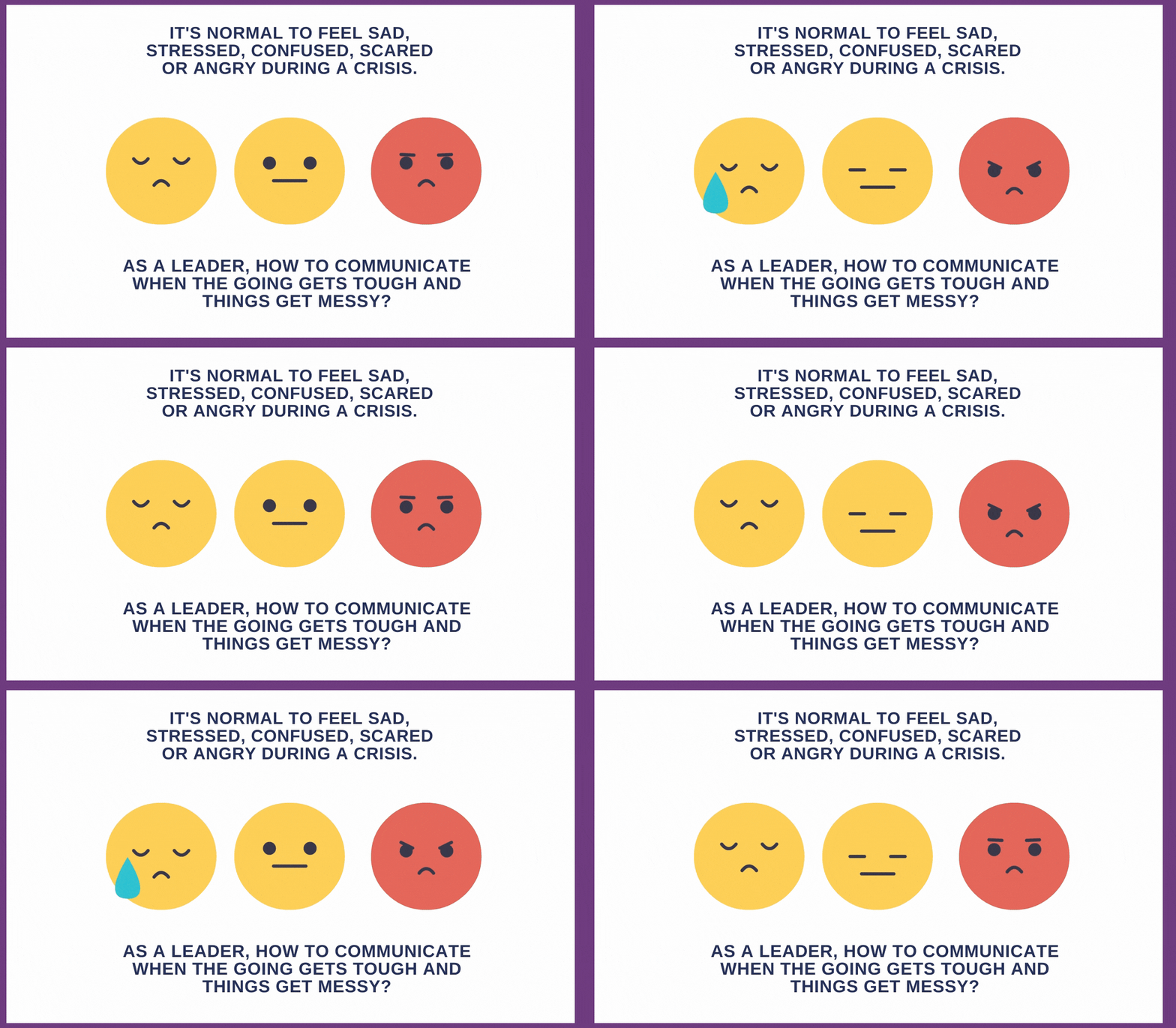
  • How to Communicate When the Going Gets Tough, and Things Get Messy?

    The world is unpredictable and full of chaos and change. Many things can cause worry and tension in an organization. Mergers & acquisitions, leadership wrangles, controversies, and pandemics such as Covid-19 are just some of the many things that can cause a crisis within the organization. 

    The true test of leadership occurs when the going gets tough. How you handle yourself and communicate with your team during tough times is what determines whether your organization will rise or fall.

    Thanks to the unpredictable nature of the world around us, leaders often find themselves with little time to prepare. And no excuse will ever be enough if you fail to respond in a timely manner. At the same time, you must take caution because taking the wrong approach when communicating will do more harm than good.

    The infamous BP oil spill in the Gulf of Mexico is a good example of how not to respond during a crisis. Not only did millions of liters of oil spill into the sea, but also 11 crewmen lost their lives. BP’s chief executive, Tony Hayward, dealt with the disaster in the worst way possible; he shifted blame entirely to Transocean and Halliburton even before investigations had started. Investigations later revealed that BP’s gross negligence is what caused the disaster. By then, the damage had already been done with the energy giant’s credibility taking a major hit. 

    But look at Alan Mulally. In 2006, Ford was on the verge of declaring bankruptcy when Bill Ford brought Mullaly on board. He brought the company back to profitability, and not only that, Ford weathered the 2008-2009 depression without much turbulence. Alan Mulally accomplished this using clear communication and one slogan that echoed through the entire organization, “One Team.”

    The above examples show the tremendous impact of a leader’s words and actions during a crisis. To help you navigate those murky waters of uncertainty that every crisis brings along with it, consider utilizing the following guidelines to communicate during a crisis.

    1. Absorb Emotions. Do Not Amplify Them

    Fear, stress, and other emotions usually run high during any crisis. As a result, chaos can ensue. As a leader, the first step you can take is to manage your own emotions. Your employees look to you for reassurance. If you project fear, they will notice it and can panic. Once you learn to observe your emotions, you can reassure your team. This will help you calm the brewing storm of emotions, and not amplify the emotions of others.

    Each human being acts like a tuning fork. Every emotion is like a wave, which when reaches others, either accentuates or dies down depending on whether the frequencies match or not. When we learn to master our own emotions, it will dampen any emotional waves and allows collaboration, even in the face of disagreement. We can strengthen our relationships with others, even in the most stressful and difficult situations.

    Listen to People’s Concerns & Understand Them

    Be human and embrace the emotions that everyone is experiencing in moments of crisis. You will also need to be transparent about how the situation is affecting you. Opening up, sharing, and displaying vulnerability on such occasions is important, as it can help you build trust. People appreciate knowing that no one is having it easier.

    Try to connect with them by asking people how they are feeling. This will not only provide an outlet for venting emotions but will also provide you with rich feedback to consider while working on a solution. It is much more effective than simply asking how they are doing.

    As much as possible, try to have this meeting in a setting where you both can see each other (and not over email or chat). This is another key element of trust-building, as it shows that you care enough to address them in person. If you cannot be in the same space, set up a meeting via video call.

    You will find that communication is usually better when you can read a person’s emotions through their body language and facial expressions. This is because their subconscious feedback will allow you to adapt your message and tone to soothe their anxiety.

    Be Calm. Don’t React

    During the heat of the moment, some folks might get too emotional. But you cannot control the feelings of another human being. Therefore, allow them to express themselves freely despite your urge to jump in. Calmness is one of the best ways of showing that you are in control of a situation.

    Look at Things from Others’ Point of View

    Putting yourself in the shoes of others will allow you to see things from their point of view. After listening to what someone has to say, suppress the urge to start providing solutions immediately. Instead, bring attention to their (and any shared) values and feelings. At times, this might be all you need to do to reassure your team. 

    However, you might need to do more. For example, ask deeper questions to encourage more active participation. This is also a great way of empowering your team, especially during a crisis, when they are more than likely feeling powerless. 

    2. Show People They Matter

    During a crisis, you will need to communicate with your teams more often than is the norm. Frequent communication shows your people that they are on top of your priorities, and this goes a long way in reducing their fear and uncertainty.

    This means that you might have to repeat your core message several times. While it might feel tiring, you have to remember that people under stress need constant reassuring.

    While at it, ensure that your staff has channels through which they can contact you. Regardless of how many times you call or visit them, if the interactions only occur when you choose to, you risk missing out on all incoming communication. Providing them with a channel through which they can reach you directly allows them to know that their feedback matters to you.

    Keep emphasizing how you want to hear from them, regardless of their level. This will go a long way in building the trust you will need when it comes to implementing any change you might want to implement.

    The feedback channel should not be for show; make sure that you listen to what people are expressing. Therefore, you will need to respond to their feedback periodically. 

    Show Care for People by Taking Care of What They Care About 

    The biggest concern people have during a crisis is whether they will still have a job. While being reassuring is important, it is crucial that you are honest. If part of the solution will involve some people being laid off, the best course of action is to deliver the message as soon as possible. 

    Remember, there is no good time to deliver bad news. The sooner, the better. It allows people to start planning early. Even if you have to break the bad news about layoffs, you can help to soften the blow by choosing an outplacement vendor to help employees with the transition.

    How AirBnB’s CEO Brian Chesky delivered the announcement that the company would have to make layoffs following Covid-19 restrictions is one of the best examples of how to deliver such news. 

    Do What is Required to Take Care of People’s Physical and Mental Well Being

    The mental well-being of your employees should also be among your top considerations. During stressful times, people become more susceptible to mental health issues. Try to take care of that by providing them with resources or tools to support them. Address the issue during your meetings and let them know that the company is there for anyone who might be experiencing mental health issues.

    Highlight Togetherness, and Tell People They Matter

    During trying moments when stability is elusive, it is important to highlight togetherness. Let your people know that the only way to overcome the situation is by maintaining solidarity with each other. The best way of passing this message across is by reinforcing the company’s core values.

    Base your message around statements or questions such as:

    • Who are we as a company?
    • What are our values?
    • What do we believe in?
    • What is our purpose?

    Let your people know that their work matters. People get enormous pride and motivation, knowing that their work is not only appreciated but also contributes to the greater good. Tell people that we are in this together, and you will not be left behind.

    Praise People for Holding up in Adversity, and Ask Them to Look for the Good and Lessons from the Crisis

    People feel good when they are seen, heard, and their effort acknowledged. Do not underestimate the value of positive feedback, as it goes a long way in boosting an individual’s morale and productivity. It also allows them to feel like they are part of a team, thus boosting trust and loyalty within your workforce.

    Therefore, even though you might have a lot on your plate, make sure that you address and acknowledge the hard times that your people have been going through. Acknowledge their ability to adapt, in addition to praising any accomplishments they might have had during the crisis.

    This lets your teams know that you care about them as individuals.  Additionally, ask them to take lessons from the crisis, as it will only make them better – as human beings and at work.

    3. Give Hope for the Future

    Keep in mind that your staff might be under tremendous pressure or anxiety due to the uncertainty of the crisis. As a leader, one of your main objectives is to give them hope and see the light at the end of the tunnel.

    Show (or Create) a Plan to Remove Confusion

    Remember, you are in charge. Therefore, take charge and evaluate your options. It is important that you take action as soon as possible.  Indecisiveness will only breed anxiety and can lead to people questioning your leadership. Therefore, create a plan and explain how things are going to be, as soon as possible.

    However, make sure that you explain your decisions. People might not like or agree with all that you have decided, but they will appreciate that you have taken it upon yourself to explain your decisions. Explain the various courses of action that you considered, and why you decided that this particular one was the most appropriate choice.

    Make sure to align your actions to the company’s core values and purpose, as that will help them feel certainty, togetherness and not confusion.

    Remove Uncertainty. Go Over the Facts. Give Clarity

    While sharing any information about the company’s future, be honest. Tell them all that you know while admitting that there are things you do not know. Embracing the ambiguity of the situation will allow your message to resonate with its recipients better. 

    Assure People by Highlighting What Steps You Have Taken to Ensure their Safety

    People need to know that you have taken actual steps towards ensuring their well-being. If any, highlight them and explain how they will help your team during the tumultuous period.

    Communicate with Confidence, Transparency, and a Positive Outlook for the Future

    In spite of your own uncertainty, you must project confidence when speaking to your teams. Be clear about everything so that you do not leave any room for speculation while remaining optimistic about the future. 

    Conclusion

    The true test of a leader is how they steer their ship and communicate during tough times. It might be difficult, but it is doable, as long as you are proactive, empathetic, and honest.

  • Power by Jeffrey Pfeffer – Why Some People Have It and Others Don’t

    Power, many believe is best suited in the hands of a few. However, that doesn’t mean you can’t try to gain power and work your way up the ladder of success. The mind-set that power is only for a selected few is completely wrong. Moreover, it can be changed and success and power can be yours. How?

    Power (2010) by Jeffery Pfeffer shows the way. The book focuses on how any individual can make it to the top. With tips on how to beat the competition and stand out in the crowd, it dispels the myth that power is only meant for the few.

    1. Power Is Only For A Selected Few

    Let us debunk the first and most important myth – power isn’t for everyone.  We often find that people keep on trudging at the workplace, wait for a promotion that is seemingly right-around-the-corner, only to be passed over in the end, finally believing that they did not deserve it.

    However, studies show that there is no relation whatsoever between performance and promotion. A study conducted on the Dutch aircraft manufacturer Fokker showed that post receiving a rating of ‘very good’, only 12 percent of white-collar executives were likely to be promoted when compared to those receiving a ‘good’ rating. 

    Moreover, the ones who do not get promoted fall under the trap of the ‘just-world-hypothesis’, a term coined by psychologist Melvin Lerner, where people tend to believe that the ones who do get promoted are the ones following all the rules and that they themselves have fallen short somewhere.

    The ‘just-world-hypothesis’ makes us think that a person using nefarious means to get to the top will one day ‘get it back’. We let our perceptions of their bad behavior cloud our ability to see and understand how such people succeed, often ignoring some of the techniques and tips that can be useful to us.

    2. Be Honest About That SWOT Analysis

    We often look at a leader and attribute their leadership qualities as ‘inborn or natural’, ignoring the fact that anyone can be a leader. Leadership qualities can be studied, practiced, and learned.

    Learning to be a leader first begins with an understanding of what the qualities of a good leader are. Moreover, it is about understanding the qualities that one embodies. Whether it is confidence, empathy, awareness, energetic behavior, resilience, or self-awareness, etc., that one has or has to imbibe; reflecting on which are the qualities that can be categorized as one’s strengths and weaknesses is essential. 

    Additionally, it is more important for an aspiring leader to be able to be honest about their strengths and weaknesses, as the strengths will need to be honed to perfection, to able to constantly be in the limelight to get noticed; and the weaknesses will have to be rigorously worked upon to ensure that they convert to strengths.

    3. Landing the Right Department

    Just as there are great differences between two companies, there is a wide difference between the different departments within the same company too. 

    A study conducted on the career paths of about 388 managers in public utility companies found that the managers who started their careers in the powerful departments of the organization had higher salary growth rates as well as higher chances of finding jobs in the powerful departments of other companies.

    Unfortunately, there is no way to pre-determine which department in an organization enjoys higher power over the other, however, fortunately, a 3-factor evaluation method can help one gauge which are the powerful departments – 

    • Relative Pay – The no brainer indicator. The more powerful departments tend to offer higher salaries.
    • Physical proximity to leadership – The departments that are physically located closer to where the leadership sits.
    • Composition of Important committees – The third is the departments that have representation in the boardroom.

    4. Breaking The Rules To Get Noticed

    There is an old Japanese proverb that says ‘The nail that sticks out, gets hammered down.’ 

    When it comes to seeking power and getting noticed by the leadership, this works quite in the opposite way than the proverb implies.  Simply put, the employee that stands out from the crowd gets noticed for promotions. How does one stand out then?

    There are two ways – by asking the powerful people in the organization for help and by making yourself memorable.

    People often shy away from seeking advice and asking for help – especially from the leaders – thinking that they will face rejection or that they are too little and inconsequential to be spent time on. However, the confidence in asking a leader help to the top is what often gets a person noticed.

    In addition to asking for help and seeking advice, one has to make themselves memorable to the leaders. One has to break or bend the rules a little to get noticed. In a pool of employees that follow the rules laid down by the organization, the one that gets noticed is the one that changes the way they work from the others. While breaking rules is essential, one has to be careful that they don’t steer onto the wrong side of rule-breaking.

    5. Helping Others

    The corporate world is all about working within teams. Therefore one cannot expect to receive help from teammates to make it to the top without helping them in their time of need. 

    Whether it is social support, career advice, or monetary help, sharing any kind of resources with colleagues demands reciprocity. It becomes a social obligation to return a favor. This reciprocity works better when the help given seemingly does not involve personal gain. For example, helping your boss plan a team outing. While it might not be much of a cost in terms of work, but will keep you in the memory of your boss for the help.

    Another resource to leverage is being fair and polite. Politeness is a rarely used virtue, however, one that makes a person stand out. Politeness never goes unnoticed, and in fact, it can help a person keep you in memory. The case is similar when you treat people fairly.

    6. Looking, Feeling, And Exuding Power

    It is simple. To be powerful, you have to look powerful. If you notice politicians, it is the way they speak and behave that influences people and they know that to be able to influence people, they have to attune the way they speak and behave.

    Emotions are contagious and have the ability to influence others. For example, when you enter a room smiling versus when you enter a room with a frown on the face, you will notice that the others in the room will reciprocate the same emotions. Therefore one has to exude a feeling of power.

    One way to exude power is to speak slowly and deliberately, which makes one seem to be confident and also helps in avoiding contradicting oneself. Another way is to study the display of dominant behavior. A study has shown that simply expressing anger while disagreeing with something makes others perceive you as strong and competent.

    7. Having A Good Reputation

    Reputation is indeed a fickle friend, albeit an important one. People make judgements and find ways to consistently back their judgements. Simply put, people will pay more attention to the things that will testify to their judgements, ignoring everything else. This is known as cognitive discounting. Additionally, people also modify or change their behaviour and reactions towards you depending on their judgement and assumptions they have previously made.

    It is therefore extremely important to have a good reputation. It is even more important to maintain it. A good reputation is made and maintained by firstly, making a good impression in the first place, because it is extremely difficult to change an established view.

    8. Conflict and Failure Are Inevitable

    Making it to the top is impossible without a few rounds of conflict and failure.  However, as essential as they are, these experiences can be used in one’s favor to make it to the top.

    Humans tend to be conflict-averse. However, a leader uses conflict to his advantage by preparing to face people with conflicting ideas head-on. To do this, however, one has to choose their conflicts wisely.

    For example, a fight for a good parking space might not be worth it as compared to defending your work that is being criticized by another person. Additionally, powerful people give the opponent in a conflict a chance to retreat gracefully. It is important to end a conflict on respectful terms; else one risk making lifelong enemies that can even destroy careers.

    Another important aspect is to know when you have lost the battle. And it is even more important to know how to move forward after that.

    Power, leadership, and success aren’t as elusive as they seem. Neither are they meant only for a select few. Leadership skills can be honed and power can be acquired by keeping the aforementioned tips in mind and by practicing the techniques enlisted.

  • How To Get Rid of Impostor Syndrome and Make Confidence a Habit

    Bryan, an 18-year-old, graduated high school at the top of his class. He then headed off to attend Columbia University. Now, Bryan feels petrified. He is convinced that the admissions department at Columbia has made a terrible mistake. He feels he does not deserve to be in such a prestigious university.

    Bryan is one of the many among us who is affected by imposter syndrome. In fact, a major segment of the population has faced this psychological phenomenon at some point or another in their life. Men and women from all sorts of professions are affected by imposter syndrome.

    In most cases, imposter syndrome starts with a feeling of inadequacy or unworthiness. This makes people doubt their own accomplishments. This can result in a fear of being taken as a fraud by other colleagues or friends. Any achievements and past successes are overshadowed by this all-consuming feeling of self-doubt.

    Even the smartest and the most skilled professionals can suffer from this syndrome. Most of all, this creates a negative impact on their confidence levels. The waves of self-doubt can adversely affect career growth and leadership skills.

    But the silver lining is that this is not the end of the road. There are methods to train your mind and regain your confidence. It is important to recognize the signs of the syndrome and acknowledge them…

    Confidence Is The Key to Success

    “Confidence is contagious. So is lack of confidence.” – Vince Lombardi

    Self-confidence and self-esteem are two factors that determine our well-being to a great extent. The best levels of performance and productivity in any field is achieved when you are confident about your skills and abilities. Confidence allows you to make the best use of your knowledge and skills through action.

    Below are some of the ways in which confidence helps you to reach your goals.

    1. Earning Respect

    Respect is something that you have to earn in your professional life. Consider a person who can confidently perform tasks and meet challenges. Such an individual naturally earns respect from colleagues. 

    It also helps you to showcase your skills to your superiors. Having said that, it is also necessary for you to listen to and respect other people’s opinions in return.

    1. Increasing Productivity

    When you are certain of your abilities to complete a task, your productivity levels rise. Confident employees are not stopped by the fear of failure. They face fear head-on, take necessary precautions, and move ahead. They will be more willing to take on new challenges. 

    It is the confidence levels of the employees that determine the productivity of work. Confidence also allows us to assess our strengths and take the right steps to improve on the weaknesses. In the end, we can be in a much better position to achieve the goals that we have set.

    1. A Positive Influence

    Teamwork is a must in any professional environment. However, all the team members may not have the same levels of capability. A confident individual can motivate and influence others more effectively. A confident leader can boost the morale of the team and make it more productive. You will also find confident individuals being less affected by failures and setbacks.

    1. Standing Out in a Crowd

    In a competitive and crowded workplace, confidence allows a person to stand out. In fact, the body language of a confident individual easily stands out. Confident people do not let the fear of failure stop them nor are they afraid to make mistakes. At the same time, confidence does not mean becoming cocky or arrogant. To overcome imposter syndrome you need to find the right balance between humility and confidence. 

    Impostor Syndrome Is Universal

    “…the exaggerated esteem in which my lifework is held makes me very ill at ease. I feel compelled to think of myself as an involuntary swindler.” – Albert Einstein

    Imposter syndrome has affected many famous personalities like Tina Fey, Howard Schultz, Serena Williams and Tom Hanks. While it is normal for anyone to question their abilities at times, imposter syndrome is mostly observed in those who set the bar very high. This can lead to an endless striving for perfection and the feeling of being inadequate.

    There are some experts who believe that imposter syndrome is related to anxiety or neuroticism. Others think that it may be linked to the childhood or the family dynamics of an individual. Being brought up in a family where achievement was highly valued can have a lasting impact on a person. Perhaps unsurprisingly, impostor syndrome is more common in women than in men.

    Listed below are some common thought patterns associated with imposter syndrome. Basically, all these feelings can erode your confidence and sabotage your chances of growth. 

    • I feel like a fake
    • I’m totally not qualified
    • I do not deserve this
    • It’s all because of luck
    • I must not fail
    • My success is no big deal

    Success Can Breed Imposter Syndrome

    It turns out, imposter syndrome is common among highly successful individuals. So we can say it is not directly associated with a lack of self-confidence. Many people push themselves to the limits to be the best in all aspects of life. Constantly working towards becoming “perfectionists” can make them question their own competence at times.

    These “perceptions of impostorism” are also influenced by various social factors. They also affect a large percentage of professionals working in a competitive environment. So it is important to realize you are not the only person disturbed by such feelings.

    You are totally fine if you feel self-doubt. The point is – it has nothing to do with your true capabilities.

    How to Overcome Impostor Syndrome and Make Confidence a Habit?

    Let us take a look at some basic but effective steps to overcome imposter syndrome.

    Step 1 – Own Your Narrative

    Listen To And Understand Your Story

    The first step towards coping with imposter syndrome is to ask yourself the below questions to understand yourself and build self-awareness. Here are a few such questions. Leaders know and understand that their own life stories have true value. They learn from these experiences.

    • What are your core values and principles?
    • What kind of person do you want to be?
    • How do you want to live your life?
    • What are your biggest successes and failures? 
    • What do did they reveal about you?
    • Who has had the most influence upon you?

    Once you dig deep and find the answers to these questions, it will help you to build self-awareness and understand the narrative of your own life better. Questions like these can help you uncover your personality and understand how you came to be the way you are. By exploring these questions you also get the freedom to choose the kind of person you want to be, or if there is something you want to re-invent or change about yourself.

    Recognize Your Values

    These questions will also reveal your core values. You will be able to trust your own decisions and judgments without insecurity. Values and principles, along with self-awareness guide leadership. If a leader has firm values and principles, he will establish authentic leadership skills.

    All of us are good in certain areas and not so good in a few others. When you make a realistic evaluation of your capabilities, you will recognize the areas where you can improve.

    Look Beyond the Negatives

    When you find yourself staring into a pit of self-doubt, look back at your roots to boost your confidence.

    It is easy to let negative thoughts overpower you when events do not turn out the way you want. What I have learned is that mistakes and losses should not be allowed to drag you down. In fact, they can be used as effective tools for self-improvement. 

    For example – Let’s see how Oprah Winfrey defines herself. Until she was 36, she blamed herself as a bad girl. She had been raped as a young girl and then as a teenager, she had gotten pregnant. She be­lieved she was responsible for all that trouble.

    Her personal narrative and her career totally changed the day that she interviewed Truddi Chase, a writer with multiple personality disorder, who had been sexually abused as a child. “That was the first day I recognized that I was not to blame,” she said. That was her crucible. The interview led her to understand her true purpose in life – to help others along their journey to success.

    The above is hard work and not always easy. It is the core part of building up a foundation for your success. But it is very very important. Without doing the hard work required to build self-awareness, the below points won’t work.

    Step 2 – Use Thoughts, Language and Body Language to Your Advantage

    Changing your thought patterns to break the cycle of imposter syndrome can bring about a gradual change in your mindset. Learn to talk yourself into being confident. Positive declarations and visualizations can make a small difference which can compound over time.

    We can use our language to effectively counter the feelings generated by imposter syndrome. Overcoming imposter syndrome is about shifting your focus away from playing the victim and instead of thinking and acting like a player. You can think about the difficulties that you have to overcome to reach the present level. This will help you to stop undermining your past achievements. The other way is to challenge any negative thought that arises with a question or a positive statement.

    It has been proven that positive assertions can boost confidence levels. In fact, famous personalities like LeBron James and Malala Yousafzai have used this technique with great results. Such positive assertions can transform your thought process by breaking the chain of negative thoughts.

    Use Body Language Effectively

    “When speechless, let the body do the talk.”― Toba Beta, Master of Stupidity 

    A major part of our daily communications is through body language. Using it right can make a big difference. The fact that imposter syndrome is not related to muscle memory allows you to use it to your advantage. 

    For example, during a meeting or a presentation, you can practice slow and deep breathing to ease any negative thoughts. Next, you can use the right gestures (like standing instead of sitting) to overcome them and project your confidence.

    Other non-spoken elements of body language include facial expressions and postures. Actions like an open posture, eye contact, and a firm handshake can convey your confidence to others. By being conscious about your own choices based on your values and beliefs, you can take control of the steering wheel of your life and stop being just a passenger in life.

    Step 3 – Stop Comparing Yourself With Others

    Many times we think that others are sailing through a given situation while we are struggling. In reality, they may have their own internal struggles to deal with. It is no wonder Theodore Roosevelt said “Comparison is the thief of joy.” 

    While dealing with such thoughts try to keep these points in mind.

    • Each person has their own journey and comparisons are hardly helpful.
    • Comparing your weaknesses with the strengths of another person is a mistake.
    • By being sure that you are delivering your 100% towards any objective, you can step out of the rat race and still be satisfied. That is success beyond success, as defined by John Wooden.

    Talk to Those Who Can Help

    Quite often, people are ashamed of discussing the conditions of imposter syndrome with others. However, by discussing the issue with the right people, you can get some valuable feedback about dealing with it. 

    A recent study among students pointed out one aspect of those who were able to cope better with imposter syndrome.  These were those who reached out to family, friends, or professors outside their major for support.

    Seek Internal Validation Instead of External Validation

    If you depend on internal validation, you can better be in control of how you feel about yourself. Relying on external validation and using other people’s opinions to dictate your abilities is a sure-fire way to feeling bad about yourself.

    While it is difficult to get rid of imposter syndrome completely, you can definitely prevent it from hindering your growth. It is up to you to realize that the negative voice inside your head doesn’t have to stop you from moving ahead.

    Conclusion

    Lastly, I will add that each one of us is unique and have tremendous potential. While it is natural for even the best to make mistakes, it is important to see them as learning opportunities and not get demotivated. By reframing your thoughts and actions, you can deal with imposter syndrome effectively.

    In truth, we all need support and motivation to build up our confidence. True leaders step out of narrow personal boundaries to encourage and empower others in delivering their best. When you help others through your words and actions, it will also boost your own morale. Everyone needs confidence, whether they acknowledge it or not. Pay it forward by acknowledging the good work done by others to empower them.

    References

    1. https://www.ncbi.nlm.nih.gov/pmc/articles/PMC7174434/
    2. https://www.sciencedaily.com/releases/2019/09/190924080016.htm
    3. https://www.tci-thaijo.org/index.php/IJBS/article/download/521/pdf/ 
    4. https://www.apa.org/gradpsych/2013/11/fraud
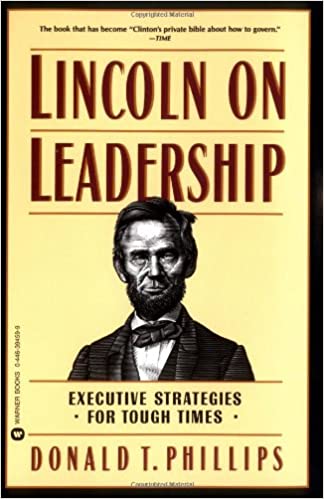
  • Lincoln On Leadership: Executive Strategies for Tough Times by Donald T. Phillips

    Abraham Lincoln was one of the greatest leaders the world has ever seen. His leadership and management strategies before and during the American Civil War speak volumes of his success as the leader of a country. Donald Philips, in Lincoln on Leadership, describes some facets of Lincoln’s leadership skills and how managers today should imbibe these to be successful leaders.

    1. Managing By Wandering Around

    Abraham Lincoln loved to engage with his people and his staff at every level. Whether it was an inspection of state regiments passing through DC, his cabinet ministers, his soldiers in the Army, colleagues, supporters, or the general public, Lincoln took out time from his busy Presidential schedule to know the people around him. He would spend about three-quarters of his time meeting people and getting to know how they fit in the scheme of things.   

    His approach to meeting and engaging people was like the new age management concept of MBWA (Managing By Walking Around). MBWA is a management tool that encourages managers to seek out and meet the people in all levels of their organization, spend more time with them, and hear their opinions. This time with employees can also be used to instill organization values in them.

    2. Preach, Persuade And Reinforce

    Abraham Lincoln had a loyal following of believers. His approach was persuasive and encouraging with a focus to reinforce what he preached.

    A great example is his speech where he addressed and attacked the views of pro-slavery politicians, at a time when America was divided on the issue of slavery. He suggested that even most of the U.S. founding fathers had been against slavery. His well-crafted argument appealed to the faith the public had in the founding fathers, thus enabling him to win.

    As a leader, he would use his persuasive skills to motivate his administration. He would make his orders sound like suggestions, making his team feel that they were an active part of an important decision too. New age managers need to be persuasive with their team to motivate them, yet they need to make them feel involved and important.

    3. Communication And Silence

    Communication is the master key to great leadership. Abraham Lincoln knew this very well and mastered effective communication. While he was a fantastic orator, his success as a great speaker was perhaps due to the fact that he used to prepare extremely well for his speeches, often editing right down to the moment before he took the stage. 

    At the same time, his interpersonal communication skills were top-notch too. He would use imagery and stories to make his point. This enabled him to share complex pieces of information with people from different backgrounds, reducing the time it took from communicating an idea to its execution.

    Finally, Lincoln understood the most important thing in communication – “silence“, which is at times the best way to communicate. This was evident in his re-election speech, where he chose to not say much and limited his public speaking campaign.

    Similarly, it is essential that managers understand these three main facets of effective communication as well.

    4. Taking Intelligent And Bold Action

    At the brink of the American Civil War, Lincoln had to make a crucial decision of resupplying the military post at Fort Sumter, a decision he knew would result in him being the initiator of the conflict and endangering his political position in case he got blamed for starting the conflict. At the same time, leaving the military post insufficiently armed would have been dangerous too.

    He weighed the pros and cons after thorough deliberation and decided to make a bold move of resupplying the military hold. His move resulted in the Confederates attacking first, but his decision to reinforce Fort Sumter has been seen as a good decision considering the first attack by the Confederate Army.

    Like Lincoln, managers face situations where they need to take bold actions. Yet they need to ensure that their actions are supported by intelligent deliberation and are well thought out.

    5. Hiring The Right People With Trial Periods

    Abraham Lincoln knew he needed people who would take initiative on his team. His team comprised of people like General Ulysses S. Grant who was a self-motivated fighter and used aggressive strategies. Grant too, would prefer to surround himself with like-minded people, who were independent, knew their job, and took initiative.

    Finding the right team member isn’t an easy job. That is why leaders use a technique called the honeymoon period or a trial period to assess staff. The decision to hire them is taken only after this honeymoon period. Abraham Lincoln believed in this strategy and utilized it to the fullest to weed out bad hires.

    6. Using Technology and Innovation

    Abraham Lincoln understood that the success of a leader also relies on how attuned he is to seek out technological advancement. He ensured that his administration was technologically savvy and he would personally seek out technology that would help the Union Army during the War.

    He also ensured that once sought, any technological advancement would be implemented as soon as possible, even if, at times, he would need to override the opinions of his own generals when new weaponry was concerned. He also ensured that he was open to new ideas from his administration and encouraged them by creating an open platform for them to approach him with ideas.

    Leaders have to stay open to using technological breakthroughs, seek innovation and be open to new ideas.

    7. Balancing Change, Flexibility, Stability, And Consistency

    Good leaders understand that all organizations undergo constant change due to changes in technology, moving workforce, evolving situations, etc. They also understand that they have to be flexible to adapt to these changes. At the same time, leaders should also create a strong consistent base for employees to function within the organization. A stable workforce with a strong foundation can withstand any type of change.

    The necessity of maintaining a balance between change and consistency has been a constant battle for Abraham Lincoln. He saw the country and his Government through the worst time in history. The changes the country went through (abolishment of slavery, etc.) at the time were possible only because the leader of the government maintained consistency in his workings, dealings, and expectations.

    8. Building Trust Via Forgiveness

    Above all things, a leader should be forgiving by nature. A forgiving demeanor leads to the build-up of trust and faith. This was one of the most crucial values that Abraham Lincoln had. His forgiving nature instilled confidence amongst his people and encouraged them to take bolder action, knowing that he had their back.

    At the same time, even enemies benefitted from Lincoln’s forgiving nature and it was this forgiveness that helped heal the widest rift amongst people in the history of the United States.

    Key Learnings

    Abraham Lincoln’s style of leadership brings out three main learnings and actions for leaders and managers – 

    1. Getting personally involved with the team
    2. Utilize the honeymoon period to get the right people on the team
    3. Master communication and know when to keep silent

    Managers and leaders today should learn from Lincolns qualities of persuasion, communication skills, knowing and understanding his people, using innovation and technology, and most importantly having a humble and forgiving nature.

brain care coaching commitment communication conflict conflicts conversation culture deployyourself deploy yourself emotional intelligence emotions empathy energy feedback freedom future gold habits hope john maxwell language leadership lessons listening performance perspective preparation productive productivity psychological safety purpose questions relationships resolution ryan holiday seth godin simon sinek strengths struggle team trust values words