words

  • The Power of Words: How Leaders Use Speech Acts to Transform Reality

    Painters have a brush, digital artists use Photoshop, and musicians have their instruments to produce their results. Similarly, leaders have language – to produce results in their teams and organisations via having verbal communication.

    Ask yourself- What do leaders do all day? If you observe leaders operating during a workday via a neutral third party like a camera, you will only observe them having conversations. Leaders have conversations all day. Leaders get paid to have effective conversations. As a corollary, leaders produce all results through prior conversations. The results that work for them, the results that are ineffective, and the results that are totally missing, all are the result of prior conversations.

    In the realm of leadership, words are not merely vehicles for communication—they are instruments of action and catalysts for change. The philosophy of language introduced by J.L. Austin and expanded by John Searle reveals a profound truth: when we speak, we do not simply describe reality; we actively shape it. This insight offers transformative potential for leaders seeking to make a meaningful difference in their organizations and in the world.

    We normally don’t see language as the most important leadership “resource”. This is because normally language’s role is seen as only to describe and communicate. However, language does not only describe and help us communicate. Language generates and creates our world. Our verbal conversations determine and create our experiences, our emotions, our possibilities, our problems, our opportunities, and so on. If you ponder over this fact, the implications are staggering.

    If you don’t like how things are, change it! You’re not a tree. ― Jim Rohn

    The speech act theory was introduced by J.L. Austin (How to Do Things With Words, 1962) and later developed by J.R. Searle. Most of what I have learned about language and words as your most powerful leadership tool comes from the work done by them and developed further by people like Fernando Flores, Rafael Echeverria, Julio Olalla, Robert Dunham, and others. This new model considers the way we use words and language as a type of action rather than just a medium to share and express information.

    In this article, I attempt to show how language is not just a passive activity but instead a very powerful tool for shaping our future. Since leaders shape their future and of their teams and organisation, I found this directly applicable to producing results as a leader. I have used this view of language to produce highly effective teams – both in my role as a leader in several IT companies and also in my role as a leadership coach with my coachees.

    One of the quickest ways to improve your way of being is to change the words you use, to others and to yourself. When I say words, it includes the spoken words and the unspoken thoughts too. Just by changing the words we use, we can release a lot of tension and create joy. Speak words that profit others, depict hope, courage, and inspiration and create positive images. Then notice the difference in how your surroundings and people react. This includes and goes much beyond what we normally understand as verbal and nonverbal communication.
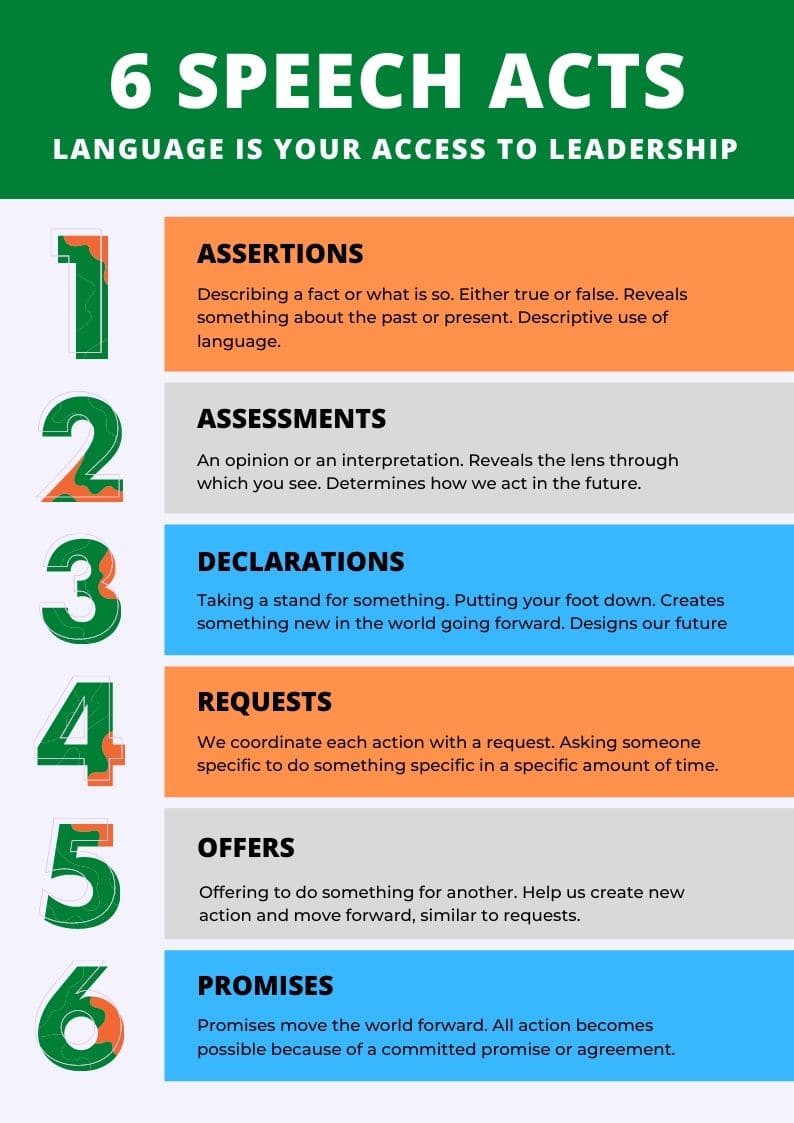
    The speech acts theory says that every conversation that we have involves the below 6 speech acts. We always use these speech acts, though we might not be aware of the distinctions between them. As human beings, we can not not use them. They are:

    • Assertions
    • Assessments
    • Declarations
    • Requests
    • Offers and 
    • Promises

    Assertions

    Assertions are the facts and events which we can objectively identify in the world. This would be something a camera would observe – just the raw facts without adding any interpretations or judgements over it. For example – His height is 165 cm, He came to the meeting 15 minutes late, She is the CEO of XYZ Corporation are all facts that can be verified as true or false. However, he is tall (or short), he is reliable (or not), and she is a good (or bad) leader are not facts. They are the speech act that follows below – Assessments.

    Assertions describe something about the past or the present, and it is where language is most descriptive. It is the job of a leader to separate assertions from assessments. Leaders are paid to make the distinction between the two so that they can trust their decisions and not get lost in action arising from ungrounded assessments.

    Assessments

    Assessments are opinions, judgements, or interpretations of assertions. They are never true or false, as different people can interpret the same event another way. However, they can be grounded or ungrounded, which means finding enough evidence and reasons to trust an assessment.

    Assessments reveal something about the one making the assessment. It reveals the lens through which we see and observe the world. Since assessments are subjective, you can always find someone with the opposite assessment as yours. Our assessments directly impact the way we see the world and how we act or do not act in the future, and in that sense, it is a “generative” use of language and verbal communication.

    Examples of assessments are – “He is not disciplined, I am a slow learner, and she is so clumsy”. It is normal to confuse assertions with assessments. This confusion causes not only personal suffering but can also hurt individual and team performance in organisations. Making grounded assessments are directly related to the amount of value any leader offers in an organisation. Knowing which assessments are not helpful, and then dropping them, is one of the characteristics of a sound leader.

    “Things are as they are. Looking out into the universe at night, we make no comparisons between right and wrong stars, nor between well and badly arranged constellations.”

    ― Alan W. Watts

    Declarations

    Declarations are a powerful leadership move because we create the world we see through our declarations. While we are describing the world when using assertions, we create and form our own reality when we use declarations. Declarations help us design the future, and that makes them a powerful leadership move. The below are examples of some declarations:-

    1. You are guilty of the crime
    2. You are fired
    3. From now on, we will hire employees only after 5 rounds of interviews.
    4. All men and women will be judged by their character rather than the colour of their skin.
    5. We will put a man on the moon by the end of this decade.

    “Whether you say you can, or say you can’t — either way, you are right!”

    Think about the declarations you have consciously or subconsciously made in the past, and the impact it has had on your life? Think about a declaration which you can make which can transform your team or organisation? What is stopping you from making such a declaration?

    Declarations are a powerful tool leaders use to create a new future and inspire people to take action towards realising that future. Leaders make declarations that will take them and their organisations where they want to go. Making powerful declarations might be uncomfortable and uneasy, but all leaders use the leverage of declarations to shift the current situation to where they want to take their teams and organisations.

    Of all speech acts, declarations possess the most direct power to transform reality. When used with proper authority and in appropriate contexts, declarations instantly create new states of affairs.

    When a board chair declares, “The motion passes,” when a CEO declares, “We are entering the healthcare market,” or when a team leader declares, “This project is now our top priority”—these declarations don’t describe change; they create it.

    Leadership Applications:

    • Direction-setting: Make clear declarations about strategic priorities. (“I declare customer experience our primary focus for the coming year.”)
    • Status-changing: Use formal declarations to mark significant transitions. (“I hereby appoint you as the new project lead with full authority to make necessary decisions.”)
    • Crisis-managing: Make clarifying declarations during uncertainty. (“I declare this a situation requiring our emergency protocol, effective immediately.”)
    Requests

    Requests need no introduction. We make them every day – of ourselves and of others. Requests are how we get anything done in interpersonal relationships and communication. Every result you have today is a result of a request (or offer or promise) that you made previously. If you want to produce a result in your life that you currently desire, one question to ask yourself is – “What are the requests that I am not making to produce the result that I want?”

    The ability to make clear, compelling requests is perhaps the most fundamental leadership skill. Effective requests don’t simply ask for action—they create the possibility for coordinated achievement that wouldn’t otherwise exist.

    For example – “Can you help me?” is a very powerful request and yet so many leaders find it so difficult to make it because of the vulnerability it requires. Requests help us move forward. Every time we are stuck, the answer is in a request which you have not made yet.

    A request creates a future that would not have happened otherwise. When you request your friend for a meeting, it creates a new future (the meeting) as soon as your friend says Yes. Requests propel future action. All of this may sound simple, but it is not trivial because while there is nothing new in making requests, so many of us are unaware of what makes a request effective or ineffective.

    Effective requests have the below elements :

    1. A committed speaker – Are you serious when making the request?
    2. A committed listener – Is the person you are making the request to listening and committed?
    3. Conditions of satisfaction – What are the exact requirements for the successful fulfilment of the request? Or have you left it vague or open to interpretation?
    4. Time – As soon as possible, soon, urgently are not acceptable answers. Time has to be specific – like 9 am tomorrow, or by the end of day 20th September.
    5. Context – Why are you making the request? What is the context behind it? Have you shared it with the listener?
    6. How are you making the request? What is the mood and emotion behind the request? The same request when you are angry and when you are happy are two different requests, and will likely produce two different results.

    Ineffective leaders make ambiguous requests, disguise commands as requests, or fail to establish clear conditions for satisfaction. Powerful requests respect autonomy while clearly articulating desired outcomes.

    Offers

    Offers are similar to requests except that you offer to do something for the other person rather than requesting them to do something. Both requests and offers become a Promise when the other person says YES. For example – “Can I prepare you tea?”, “Do you want me to finish the rest of the work?”, and “I can attend that meeting instead of you if you would like me to?” are all offers.

    Offers propose potential actions or resources that the speaker is willing to provide to benefit others.

    How Leaders Use Offers:

    While requests seek action from others, offers extend possibilities. Leaders who master the art of making genuine offers create environments rich with opportunity and support.

    Promises

    We make a request or an offer with the intention of getting a trustworthy declaration “YES” from the other person. When an offer or a request is accepted, it becomes a promise. We swim in a sea of promises every day. Promises are what makes the world operate the way it does. On the other hand, any breakdown in coordination is also a result of weak and ineffective promises.

    Promises commit the speaker to future courses of action, creating obligations and expectations.

    Promises power all business organisations, all trade and purchases, and even simple actions like taking a vacation together involve a myriad of promises. Promises, when managed well, strengthen relationships, produce expected results, and can build a strong reputation. On the other hand, broken and mismanaged promises can lead to broken trust and relationships, breakdowns in results, and can destroy reputations.

    When promises are broken, everybody involves pays a cost. The role of leadership involves making bold and trustworthy promises and also seeking reliable promises from your teams and peers. Our organisations and the world we live in can be seen as a network of promises, agreements, and commitments.

    Every promise a leader makes or breaks shapes the environment of trust within their organization. Promises aren’t simply commitments to actions—they’re the fundamental building blocks of organizational integrity.

    When a CEO promises that no layoffs will occur despite financial pressure, that promise doesn’t just predict the future—it creates a covenant that will either build or destroy trust depending on how it’s honored. When a team leader promises to support a risky initiative, that promise creates psychological safety that enables innovation.

    Conclusion

    Language allows us to not just verbally communicate but also reference the past and imagine and coordinate action for the future. In a way, language is the way we make the past and the future actionable in the present. Without language, we would have no way to imagine a future, inspire a vision, manage commitments, and coordinate successes and failures along the way.

    Seen this way, language and the words we use become the most powerful tool we use as leaders to create all results in our life. It is through language that we create trust and strong relationships. It is through language that we manage complex and complicated projects. It is through language that we inspire and motivate others. Through language, we make all our results meaningful to us and the people around us. If you are a leader, language is your most powerful tool as a leader.

    Through mastery of these six fundamental speech acts, leaders can move beyond mere communication to the active creation of new organizational and social realities.

    The most influential leaders in history—from Martin Luther King Jr. to Steve Jobs, from Nelson Mandela to Angela Merkel—understood intuitively that words don’t just describe the world; they create it. Their assertions shaped how people understood reality. Their assessments established what mattered. Their requests mobilized action. Their offers created opportunity. Their promises built trust. And their declarations transformed institutions.

    For those who aspire to make a meaningful difference in their organizations and in the world, developing mastery of these six speech acts isn’t merely a communication strategy—it’s the fundamental practice of leadership itself. In a very real sense, the leader’s voice doesn’t just describe the future; properly used, it creates it.

  • 5 Ways to Influence & Impact Your Emotions

    Our emotions play a major role in determining the quality of our lives. Have you ever asked yourself why some people live a life full of joy and contentment while others struggle with anger and depression?

    It all comes down to how you cope with life’s stressors and unexpected events. No one is immune to emotions like cynicism, anger, and disappointment. While some people go into a frightful or depressive state when faced with stress, others see the same situation as an opportunity for growth. 

    In this article, let me share 5 research-backed ways to befriend your emotions so that you can navigate through life with choice rather than just being a spectator. Make your emotions work for you, rather than the other way round. 

    1. Get Good Sleep

    Sleeping is a biological function that is as necessary as eating. And when it comes to sleep, the quality does matter.

    Sleep deprivation alters the way both your body and brain function. Studies reveal that individuals with chronic sleep deprivation are more susceptible to a host of psychological and physiological issues such as anxiety and depression, memory loss, decreased brain function, weakened immune system, diabetes, obesity, hypertension, lower fertility rates, among others.

    How Does Sleep Affect the Brain?

    Sleeping allows your brain and body to do more than rest; it allows them to clear out waste byproducts of daytime activities, balance hormones, and repair tissues. Since all those processes are vital for brain health, sleep deprivation has a tremendous effect on brain chemistry and emotions.

    For example, neurons become slower at processing messages and transmitting signals, making you slower at processing information. This means that your reasoning abilities, reaction times, and decision-making skills suffer when you go for prolonged periods without sleep.

    How Lack of Sleep Affects Your Emotions

    Considering how sleep deprivation affects your brain chemistry, it does not come as a surprise that it affects your emotions too. It is the reason why most people tend to be irritable or more vulnerable to stress after a sleepless night, only to get back to normal after a good night’s sleep.

    Researchers from the University of Pennsylvania conducted a study on this subject where they had the subjects sleep for only 4.5 hours each night for one week. Findings from the study revealed that the subjects reported experiencing mental exhaustion, higher stress levels, as well as increased feelings of sadness and irritability. When the volunteers resumed regular sleep, they reported experiencing a drastic improvement in their mood, supporting the notion that lack of sleep affects emotions.

     According to the Journal of Sleep Research, people with sleep deprivation also tend to be less empathetic. That should not come as a surprise since you are less likely to be understanding when you are sad, irritable, or angry. This means that your lack of sleep will affect how you connect with others.

    Studies also reveal that insomnia is one of the core symptoms of depression. 20% of people diagnosed with insomnia end up developing major depression. However, scientists are still trying to determine which comes first between stress and insomnia. For example, it is hard to find sleep when you lose your job. Conversely, the stress is more likely to develop into depression the longer your sleep deprivation continues. 

    Address Sleep Issues

    Considering that lack of sleep has a direct link to higher levels of stress, developing healthier sleeping habits can help you curb your sleep-stress relationship. Therefore, even though your lack of sleep might be due to life’s stressors, you should try to put yourself in an environment that allows you to drift off to sleep without a lot of hassle. 

    Start with making your bedroom a sleep sanctuary. Consider the following tips:

    Comfortable Bedding 🛏

    For starters, get a comfortable mattress. A good mattress does not have dips or lumps, supports your preferred sleeping style, and does not overheat. Bedding made of linen or cotton is an excellent option since it is breathable, thus preventing overheating. 

    Keep Your Room Cool 🆒

    Cool rooms are more comfortable to sleep in. Consider keeping your bedroom’s temperatures between 16-19 degrees celcius.

    Keep the Room Dark

    The circadian rhythm – your sleep wake cycle – is controlled by light exposure. Light tells your brain that it is time to be up, while darkness lets your brain know that it is time to rest, thus resulting in the release of sleep hormones such as melatonin. Therefore, by keeping your bedroom dark, you will be allowing your body to follow that rhythm. Use heavy drapes or blackout curtains to keep outside light from entering the room.

    Do not Use Screens in Your Bedroom

    In the matter of keeping your room dark, you should also avoid using electronic devices when going to sleep. Unfortunately, most people are guilty of this habit. The blue light that electronic devices emit has the same effect as sunlight, thereby inhibiting your brain from releasing melatonin. If you are suffering from chronic insomnia, avoid using any devices at least two hours before bedtime. Read a book instead.

    Get Regular Exercise

    The fatigue that comes with physical exertion puts your body in a state where it desires to sleep. This is why physically active people are less prone to insomnia.

    Good sleep hygiene reduces your susceptibility to stress. Therefore, make sure to get at least seven hours of sleep every night. You will find yourself having better control over your emotions.

    2. Language – Thoughts and Words

    “Sticks and stones may break my bones, but words cannot hurt me.” While that saying sounds good when using it against naysayers, you must be very careful about how you interpret it.

    Words are powerful. In fact, one could argue that words, and thus language, is the tool that made humans the most powerful species on the planet. Alone, a human is a puny creature that cannot stand its ground against most animals. However, as a team, it is a completely different ball game. Our ability to communicate effectively is what allows us to strategize and use the environment to our advantage.

    When used appropriately, words can engage, encourage, and persuade. In the same light, however, words can also dismiss, discourage, dissuade and cause damage. 

    Using words, therefore, you can plant the seeds of success or failure in your mind or that of another. The words and the language you use also end up defining you, as they reveal your thoughts and attitude.

    What are Words?

    “We translate experience into language and mistake the language as the actual experience.” – Joseph O’Connor.

    Words are labels or descriptions you give to your emotions or feelings. They allow you to express what you are feeling inside so that you can have a better understanding of your circumstances. However, just because you feel a particular way about something does not mean that that’s the reality; it is simply your perception of the situation, or better yet, your assumption.

    As such, words can also be described as your biased perceptions of both your internal and external environments. These perceptions or interpretations are biased since they are based on your history, values, beliefs, thoughts, rules, and more. 

    Therefore, words are simply psychological anchors for emotions. For example, by saying that you are afraid of something, you will fear whenever you come across that situation. Perhaps a past confrontation went bad, leaving you with a fear of confrontations. 

    However, that is no way to live life, as confrontations are part of everyday life. The problem lies in using certain unhelpful or disempowering words to describe your emotions.

    Changing Your Language Patterns

    Using positive language is linked to experiencing an uplift in emotions. In one study, the researchers had a group of volunteers write down at least three positive things about their day for three months. By the end of that period, they all revealed feeling happier and better about their lives. 

    If simply jotting down positive words makes you feel better, it means that you should start becoming conscious of your thoughts and the language you use daily. You will also need to identify how those affect your emotions and thus, your decisions, choices, and actions. It is only when you have a clear understanding of how your language patterns affect you that you will be motivated to make the necessary changes.  

    Consider the following examples:

    “I’m angry” vs “I’m disappointed”

    Simply admitting that you are angry will trigger your body to display the necessary neuromuscular response to match that emotion, thus ruining your mood. However, when you say that you are disappointed, your brain will interpret that you are not happy about the situation while not being particularly bothered by it. This means that you will not feel the same impact on your emotions, allowing you to handle the situation more effectively.

    “I can’t” vs “What if I could”

    Saying that you can’t do something is extremely dangerous, as you will be admitting that the challenge at hand is beyond your abilities. While there are challenges that you might not be equipped to handle, admitting defeat signals your subconscious that it is okay to quit.

    However, saying, “what if I could” is extremely empowering, as it is a refusal to accept defeat. 

    Your words influence your experience of reality. They influence your perceptions, thoughts, evaluations, beliefs, attitude, actions, patterns, behavior, body language, and more. This means that your language influences not only your emotions but also your actions and results. Choose your words wisely.

     “Words are, of course, the most powerful drug used by mankind.” – Rudyard Kipling.

    3. Breathing/Presence/Mindfulness

    How many times have you said to yourself, “I should never have said that or I should not have done that?” This happens to everyone, as you simply cannot live without emotions. However, as mentioned, there is a difference between how we perceive things and what they really are.

    Therefore, to avoid knee-jerk emotional reactions, you must learn how to calm yourself down in the heat of the moment so you can analyze the emotional-trigger logically.

    One of the best ways of retaining control of your emotions at all times is by practising mindfulness. 

    Mindfulness can be defined as ‘observing your emotions as they are with openness, curiosity, acceptance, and non-judgement.’ 

    This means that you must first accept that you are susceptible to emotions. Next, you must accept what you are feeling at that moment without judging yourself. Once you do that, you will be in a better position to reframe yourself into a more logical and positive state of mind.

    Tools for Mindfulness

    Taking control of your emotions, especially in charged moments, can be incredibly difficult. However, it is imperative that you do so to avoid making regrettable choices or decisions. The following tools will prove useful in that quest:

    Conscious Breathing

    When you find yourself in an emotionally charged state, immediately turn your focus to your breathing. You will find that it is shallow since you are tensed-up, which is a response to stress.

    By breathing, therefore, you will loosen yourself up and let go of that stress reaction in the process. You do not have to change how you breathe; simply breathe in slowly and deeply until you feel relaxed.

    The benefit of focusing on your breathing is that it allows you to lower your heart rate and release tension from the body. It should be your go-to tool when looking to regulate your emotions in an instant.

    Meditation

    Regular meditation allows you to take control of your emotions and thus, yourself. Unlike breathing, meditation is not a short-term solution; it requires you to practice it regularly. The biggest advantage meditating has over-breathing is that it puts you in a blissful state where you observe your emotions without even having to think about it.

    Meditation, therefore, allows you to escape the reactivity prison and become a conscious creator instead. The beauty of meditation is that you can perform it anywhere, anytime. As such, it will give you a tremendous psychological edge when going into a tense situation.

    If you have never meditated before, here is a simple meditation routine to get you started. Consider performing it at least twice a day for five minutes each:

    • Find a comfortable sitting position
    • Sit with your back and neck straight
    • Relax all your facial muscles including eyes, mouth, and jaw
    • Close your eyes
    • Pay attention to all the sounds you e.g. the AC, birds chirping, or cars going by
    • Gently shift your attention to your breath but do not attempt to alter it
    • Notice how your breath rises and falls 

    If your thoughts or emotions keep coming up, do not try to avoid them, as that is not the objective. The aim of meditation is to become mindful; to be present at the moment; to observe your thoughts and emotions, not to wallow in them.

    • Keep focusing on your breath
    • Allow your emotions and thoughts to be

    That’s it! You have meditated! While it sounds simple, it is crucial that you keep focus on your breath while observing any emotions and thoughts without judgment. 

    In the beginning stages, you might find it difficult. This is because it is not easy to observe one’s own emotions without having the urge to judge them. What’s more, your brain might trick you into thinking that you are being careless or losing your self-awareness by not judging every little thing you experience.

    Nevertheless, to achieve internal peace and, ironically, to heighten your self-awareness, you must learn to let go of the need to judge your emotions by letting them be. For instance, if a situation makes you experience emotions of anger, simply observe it without doing anything.

    The more you practice mindfulness, the less susceptible you will be to feel overwhelmed by your emotions.

    4. Environment

    Owing to the lack of large physical size, early humans were often on the menu of larger carnivores such as sabre-toothed tigers. As such, we evolved to be sensitive to our environments, as one never knew where a predator could be lurking. 

    Safety and security, therefore, are the primary attributes we look for in an environment so that we can be comfortable. In addition to physical comfort, we also want it to be psychologically comfortable to keep our stress levels low.

    Since your surroundings affect your mood, the environment where you live or work plays a big role in your emotions and thus, your mood and productivity.

    In today’s world, however, we have different preferences when it comes to the ideal environment. These differences result from factors such as personality, social status, education, cultural influences, professional or personal circumstances, and more.

    Common Stressors in Environments

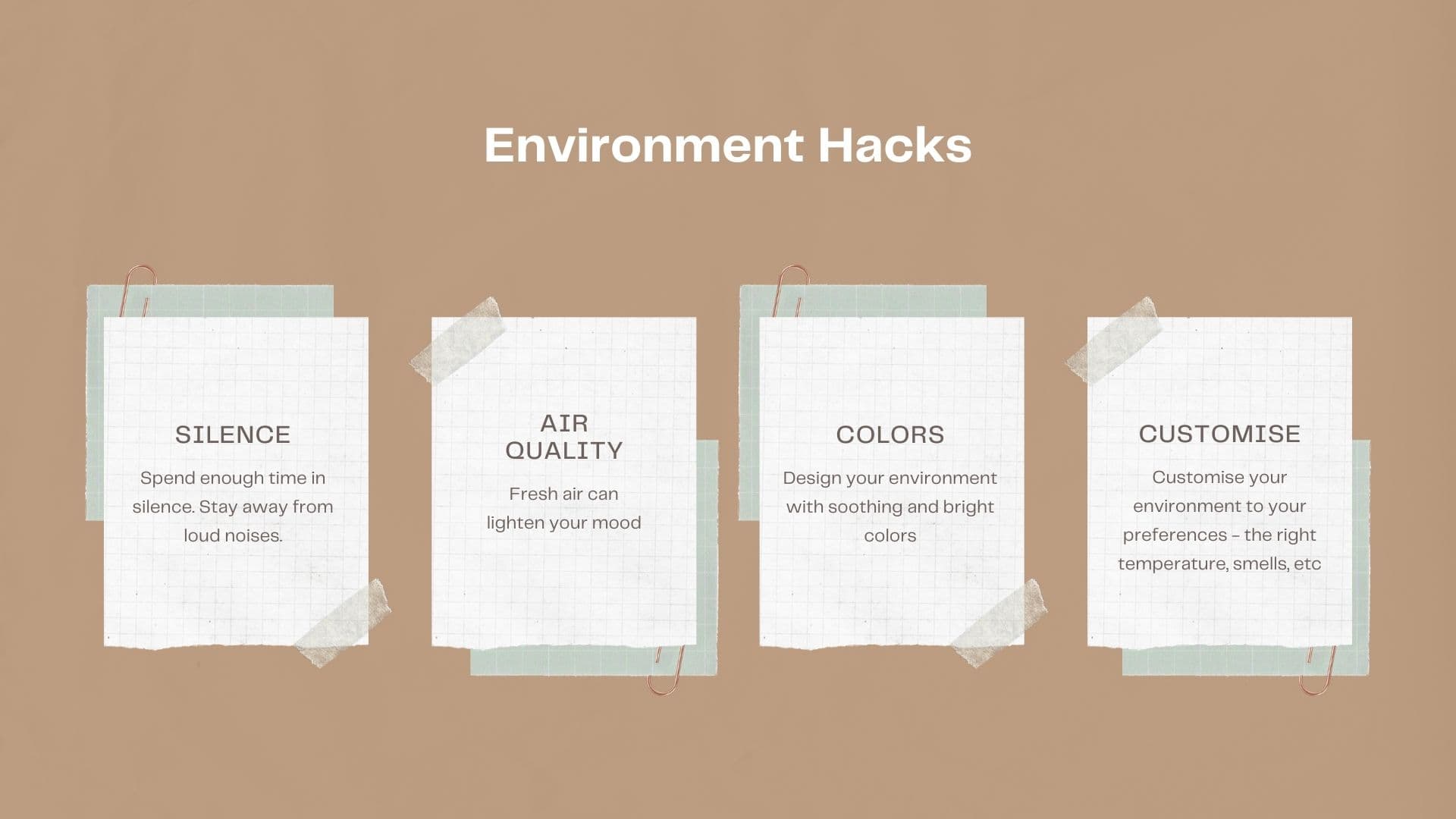
    Nonetheless, while we may react differently to environments, there are certain elements in any environment that can stress almost everyone. They include:

    • Loud noises
    • Low ceilings
    • Poor air quality
    • Glare
    • Unpleasant scents
    • Uncomfortable temperatures

    If you work or live in an environment with such stressors, you will always find yourself on edge. There is a reason monks choose to live in serene environments.

    Therefore, if you want to maintain control over your emotions, it is important to ensure that your immediate environment is not one of the causes of stress.

    4. Body – Gestures / Postures / Exercising

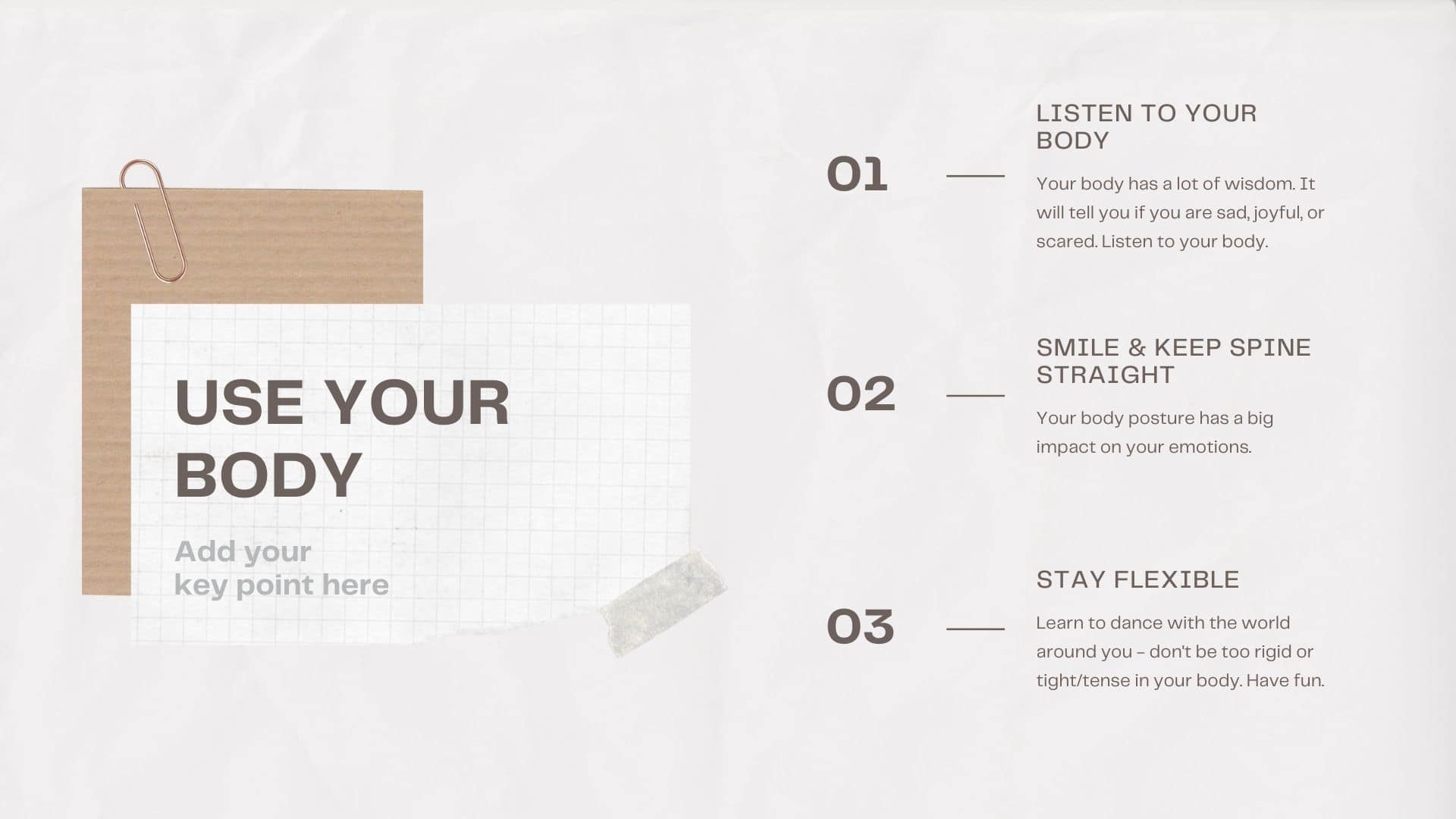
    Feeling moody? Try to smile. Believe it or not, it works. In one study, researchers had the subjects adopt a facial expression that mimicked a smile then asked them to fill a questionnaire. Findings revealed that the participants experienced higher levels of amusement than those that attempted other expressions.

    The facial feedback hypothesis says that the state of your facial muscles has a direct relationship with the emotions you feel. Variations of facial muscle contractions not only communicate what an individual is feeling to others but also to themselves.

    Therefore, the state of your facial expressions has a direct influence on your mood. 

    Try this experiment: alter your expression to mimic that associated with displeasure or anger. Do that by creating tension in the area between your eyebrows. It should result in your eyebrows being pulled down and a wrinkle forming on your forehead.

    How do you feel? A furrowed brow is a signal to your brain that you are displeased, which is why it is impossible to experience feelings associated with happiness when you are in that state. 

    The takeaway? Adopting a facial expression or a body posture associated with a particular emotion allows you to experience feelings associated with that emotion. Therefore, being mindful of your body language is a key element when it comes to influencing your emotions.

    Conclusion

    Emotions are the spark of lives. Think about how dull life would be if you did not experience any emotions. However, as much as they can create beautiful experiences, they can also be the cause for stress if you allow them to overwhelm you.

    By making use of what I have shared in this article, you can befriend your emotions, learn from them, and make them work in your favour rather than against you.

  • Nonverbal Communication – How To Listen To What Is Not Being Said?

    “When the eyes say one thing, and the tongue another, a practiced man relies on the language of the first.”― Ralph Waldo Emerson

    In recent years, technology has brought in a big change in our ways of communication. With the best tech devices and the most vibrant social media platforms around us, there is so much to watch and listen to. Still, we have all been in situations where our own internal dialogue prevented us from giving full attention to a speaker. So the question is, are we really listening?

    Effective listening is not just about hearing what is said but also taking note of things that are left unsaid. Listening to another person may sound like a simple act, but hearing is not the same thing as listening. Nonverbal Communication and Deep listening is not just about listening using the ears, but also listening with our emotions and the entire body. Let’s explore what that means.

    It is often mentioned that only 7 per cent of human communication is verbal. In truth, the exact percentage is not so conclusive. The non-verbal portion of a speech can range from anywhere between 65 to 93 per cent. 

    So spoken language is just one of the many ways by which we communicate. In order to understand the whole picture and listen well, we need to listen and explore beyond the spoken words. Quite often, tone of voice, your eyes, postures, and facial gestures tell a different story than the one the spoken words are telling. However, most people tend to ignore and have rarely learned to listen to the entire body. Hell, it is even difficult to focus on people’s words in this age of distraction.

    Strong nonverbal communication and listening is the foundation of any personal or professional relationship. So it is high time that we pay attention to the nonverbal cues, and learn to listen to what is not being said. Can you listen so well that you notice a shift in the other person’s breathing?

    How to Listen to What Is Not Being Said?

     “Leaders who don’t listen will eventually be surrounded by people who have nothing to say.” – Andy Stanley

    Many famous leaders and personalities from the past were great listeners. One example is Sigmund Freud. His manner of listening was by giving complete attention to the speaker while keeping his gaze and words mild and cordial. The level of attention that he offered to the speaker, made them feel special. 

    To understand the true scenario of any given situation, active listening is a must. This also holds true for any business establishment. Listening to your customers is essential for formulating a successful strategy and making the right decisions. In this article, I will share 3 steps we can all take to listen beyond the spoken word (the emotions, wants, and desires of the speaker), and to what is not being said.

    Step 1 – Clear Your Mind

    We all have our own internal voice which is ON all the time, giving us a running commentary about events happening in real-time. It is very difficult to listen to anyone else when you are immersed in your own world of thoughts. Only with a clear and calm mind, you can focus on what the speaker is trying to convey. Therefore, it is important to listen with a clear mind – without any fear, judgments, opinions, etc about the other person.

    Take A 5 Minute Silent Break Before Important Meetings

    One thing you can do before an important meeting is to take a short break of five minutes (or even two minutes) in a quiet space to calm your mind and prepare yourself to pay complete attention to the upcoming meeting. Use this time to block out your mental noise and allow the mind to calm down.

    If there is something on your mind, it might be a good idea to write that down somewhere to get to it later. This can be very effective to develop the skill of staying focused during the upcoming conversation. Take a few deep breaths during this small break and reorient yourself if you need to. Connect with your values, purpose, and commitments as you step into the other meeting.

    Thoughts arising in our minds can act as distractions. We simply cannot stop these thoughts and any attempt to do that will eventually tire you out. The important thing is to remain aware of them, but not indulge them any further. This will help you to stay on track when your mind starts to drift.

    By taking 5 minutes to prepare your mind and body, you will be ready to pay complete attention to the speaker.

    Give Up Your Opinions, Fears, and Judgements

    It is important to listen to a speaker with an open mind. To listen beyond the spoken words, listen to what is being said without getting filtered by your own prejudices, beliefs, fears, and anxieties. For that, it is important to give up any opinions, judgments, fear, and insecurities you might have about yourself, the other person, or the relationship.

    If you are angry, irritated, or fearful about a person or a situation, it will be difficult to pay attention and listen effectively to the nonverbal cues. For example – do not go into a meeting thinking about how someone is always late, or unreliable, or aggressive.

    Once you judge someone, it becomes difficult to comprehend their viewpoint or their motive. By being non-judgemental, you will have a better understanding of the events or circumstances. As a result, you will be able to understand not just their words but also their concerns and desires. This will help you make better decisions.

    You may feel like replying or arguing to convince the speaker about your views. However, it is important to focus on the speaker’s world and not on our own reply and concerns. Listening is a skill that not only needs complete attention but also requires letting go of our personal biases, that we all have. 

    See Things From Their Point Of View

    “People may not remember what you said, but they will remember how you made them feel”

    ― Maya Angelou 

    You have to imagine yourself in the other person’s position to truly understand and feel what they are trying to communicate. 

    Apart from the literal meaning of the words, pay attention to the emotional content that is being delivered. Keep a close watch on the tone of voice and body language to understand how things look and feel from their point of view. Can you listen to the emotion the other person is feeling? Are they calm, happy, ambitious, frustrated, stressed, or resigned? Can you listen to what the person cares about so much that is making them happy, frustrated, or angry?

    We often view the world through a lens clouded by our own beliefs and opinions. Empathy requires that you observe the world from someone else’s point of view. Empathetically listening to nonverbal cues is not easy, but it is a gift that you can offer as a listener to others.

    Step 2 – Listen Beyond The Words 

    To be an effective listener, you need to be a good observer. In fact, body language is a major way through which true feelings and emotions find expression. By reading and interpreting these signs you can use body language to your advantage not only in the workplace but also in your personal life.

    Our minds are so prone to distractions that concentrating on the speaker is often difficult. An active listener is present in the moment and watches for subtle changes in the speaker’s body language. Noticing such signs will help you differentiate between what their words are saying, and if they are coherent with what their body is communicating.

    Here are some of the signs that you can look out for:

    Facial expressions

    Quite often the spoken words do not match the inner emotions. In such cases, facial expressions can communicate what the speaker is truly feeling.

    Eyes

    Human eyes are the best mirrors that reflect the mind. As the saying goes- “the eyes are the windows to the soul.” Here are a few things to watch out for:-

    • Wide-open eyes indicate surprise
    • Rapid blinking can indicate stress or dishonesty
    • Intense eyes usually indicate anger
    • When the pupils are dilated it can be due to a feeling of fear or romantic interest

    Eyebrows

    Eyebrows can tell a lot about how the speaker is actually feeling.

    • Raised and arched eyebrows indicate surprise
    • A frown or eyebrows knit together indicates anger or irritation
    • When the inner corners are drawn up it indicates sadness

    Mouth

    The mouth can also be a good indicator of emotions apart from the usual happy smile. For example:

    • Biting of lips is usually a sign of anxiety
    • An open mouth indicates fear while a dropped jaw represents a surprise
    • A raised corner of the mouth indicates hate or scorn
    • When the corners are drawn, it indicates sadness

    Body Posture

    The way people position their bodies and move their hands or shoulders can speak a lot about their feelings. By observing gestures, you can understand whether the speaker truly believes what they are saying or not. Do keep in mind that gestures can have different meanings based on cultures and locations. For example:

    • Gripping an item, tapping fingers, or adjusting the hair or clothing can indicate tension.
    • A clenched jaw and tightened neck muscles usually indicate stress.
    • Shaking of legs can indicate anxiety or irritation.
    • Hunched shoulders and arms folded tightly indicate anxiety or fear. On the other hand, it can also mean that the person is feeling too cold.
    • Curving the shoulders forward with folded arms is a defensive posture. The sudden crossing of arms may indicate discomfort or disengagement.
    • A relaxed speaker will have shoulders in a normal position with hands moving freely without jerkiness.
    • A pointed finger with the rest of the hand closed is usually a show of power or dominance.

    Tone of Voice

    A new study has pointed out that listening to the tone of a speaker is often more important for understanding their emotions. For example, even over the phone, we can understand others’ state of mind by their tone of voice. Be it enthusiasm, excitement, or sadness – we can detect all these emotions just from the tone of voice

    With practice, we all are capable of detecting the subtle differences between different emotions from tone of voice. You might have noticed that many people tend to ramble when they get excited or agitated. On the other hand, a slow and steady vocal delivery indicates a thoughtful mental state.

    Paying attention to the emotions in the voice of a speaker helps you to understand what the person is really feeling. In turn, you will comprehend the message the speaker is trying to deliver more effectively.

    Noticing Our Own Body

    Another way to go deeper when it comes to nonverbal communication is to notice your own body as you talk to somebody. Our bodies are tuned to react and mirror what they experience in the room, even in a subconscious way. So if you suddenly feel the tension in your body, the other person might be feeling the same. If you suddenly feel your breathing getting shallow, perhaps the other person is also experiencing the same. Listening to your own body is also a signal you can use to listen to what is not being said.

    Step 3 – Ask Powerful Open-ended Questions

    The first important aspect of deep listening is listening attentively without interrupting. The second is to ask open-ended questions with curiosity to understand the speaker’s concerns, ideas, and emotions better. It also helps you to validate what you are understanding. Never assume on behalf of others. Always validate by paraphrasing or asking questions.

    Here are some examples of powerful open-ended questions.

    • What else would you like to talk about?
    • Tell me more about what’s bothering you?
    • What’s really going on?
    • Can you explain why that matters?
    • I noticed some frustration. Did you not like something about what was just said?
    • In the meeting, I saw you disinterested and with a strange smirk when we discussed that project? What concerns do you have?
    • I could see the surprise and fear on your face. Tell me what worries about this upcoming situation?

    Any question that can be answered with a simple “yes,” or “no,” reply is a closed question. Such questions prevent the possibility of continuing communication. Also, closed questions do not provide detailed information.

    When we ask open-ended questions, we can understand the thoughts and emotions of the speaker, as they have to think and come up with original answers. Sometimes open-ended questions allow people to think and understand their own concerns and thoughts better.

    Remember, while asking open-ended questions, it is best to avoid aggressive questions that can make others defensive. I have observed many managers neglecting this and end up pushing people into a corner.

    Benefits of Listening To Nonverbal Communication

    To be a great leader you have to be a great listener.”- Richard Branson

    Abraham Lincoln was as good a listener as he was a speaker. The 16th President of the United States gave his full attention to every speaker even if their views were different from his own. Many times, he would “lean forward and clasp his left knee with both hands” while listening to others.

    So all his visitors returned with a satisfied feeling. They felt that the president was able to understand their feelings, apprehensions, and motivations. In return, he won their trust and respect.

    Likewise, a good listener needs to be focused, engaged, and flexible. The fast pace of life and the numerous distractions around us are eroding our listening skills in a big way. Only the leader who can overcome that to become a good listener can bring out the best from their team members. 

    By listening without trying to critique or convince we can become more empathetic. It can also offer us an insight into the concerns, hopes, and aspirations of others. Deep listening can not only build trust but can lead to better relationships as it makes us alert and sensitive towards others.

    Communication goes much beyond spoken words. The tone of voice and other physical expressions play a hidden but big part in communication. When we can listen to others – both verbally and nonverbally, we move towards creating more meaningful relationships and being more effective at everything we do.

    References

     1.       https://greatergood.berkeley.edu/article/item/does_your_voice_reveal_more_emotion_than_your_face

    2.       http://web.mst.edu/~toast/docs/Gestures.pdf

    3.       https://www.td.org/insights/listening-is-the-secret-weapon-of-good-leaders

    4.       https://cornerstone.lib.mnsu.edu/cgi/viewcontent.cgi?article=1000&context=ctamj

    5.       https://fremont.edu/how-to-read-body-language-revealing-the-secrets-behind-common-nonverbal-cues/

  • Don’t Allow Yourself to Use the Word TIRED

    Recently I was talking to a friend of mine, who has been a state-level Taekwondo Champion for the state of California. She was telling me about her strenuous training program which she used to follow when she was training. Among other things, the one thing which she told me was that she was not allowed to use the word “tired” even if the trainer asked her to do 300 push-ups. She said “tired” was the word which they could use only after they turned 80.

    The Role of Language in Shaping Our World

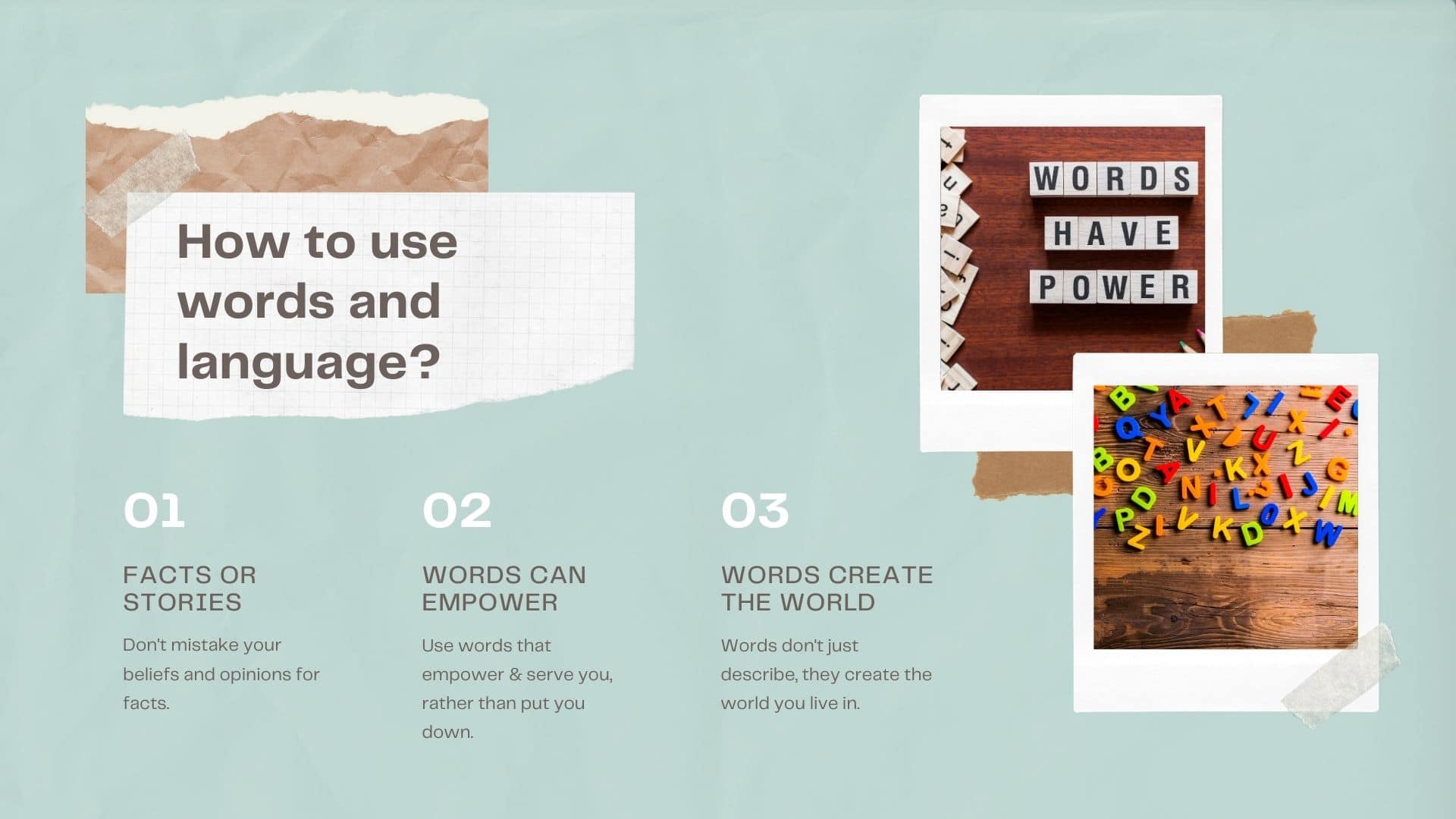
    Language plays a very important role in how we feel and go about our daily lives. The way we use language can determine the results we produce in the near and distant future. Researchers at Stanford University have proved that the way we use language shape how we see the world.

    It is often said that what you say is what you get. Saying that you are tired will actually make you feel tired and you will have all the symptoms to prove that. But we don’t realize that it was our word which caused it in the first place.

    So when someone asks you “How are you doing?” and you reply with, “I am tired” or “You know how Mondays’ are.“, we are actually contributing towards the impending tiredness or exhaustion by saying these words. The same goes for all the negative thoughts that come into our mind and out of our mouth, like “I don’t have enough money“, “I am not lucky” and so on.

    Language Creates and Generates Too

    Most people understand language to be descriptive and see it as a tool for communication. They are blind to the generative power of language. It is in language that people create their future and their present. Our mental models and unique assessments of the world determine the narrative we create for ourselves, which in turn determine the world we observe, and every action we take thereafter.

    For example – Every time you said yes or no to a request, you were not just communicating, but also creating a future. Your life would be different if you had said No instead of Yes to the various opportunities you said Yes to previously in your life.

    Chalmers Brothers and Vinay Kumar share this story in their book Language and the Pursuit of Leadership Excellence: How Extraordinary Leaders Build Relationships, Shape Culture and Drive Breakthrough Results.

    Two baseball umpires were sitting around talking, and one says, “Old Joe, he’s a great umpire. There’s balls and there’s strikes, and he calls ‘em like they are.” The second umpire then says, “Yeah, Joe’s a great umpire… there’s balls and there’s strikes, but he calls ‘em like he sees ‘em.” Just then Joe walks up and says, “You’re both wrong… there’s balls and there’s strikes, but they ain’t nothin’ till I call ‘em!”

    They add,

    Language conveys commitment, not just information. By understanding your organization as a network of conversations, relationships, and commitments (human beings making and managing commitments), you can open dramatically new possibilities for intervening and improving performance in a wide variety of areas.

    “I am always in conversation. And sometimes other people are involved” – Mark Twain

    Words can Take Power away, or they can Give Power

    Whenever we say something, we increase our belief in it. We give power to outside situations, individuals, and circumstances which is always disempowering. Athletes, like my friend in the example above, are not allowed to use such language because the trainers are aware of this fact.

    On the other hand, when somebody asks you, “How are you doing?” and you reply, “I am doing great!!“, you will actually feel a smile on your face and some adrenaline rushing through your body. It is impossible to say I am doing great without actually feeling good.

    If you are stretching your limits while doing a task, instead of saying “I am tired“, next time try saying, “Let me check my physical limits.“, and you will gain the strength to go that extra mile and achieve the impossible.

    Do you see a connection between what you have been saying and how your life is turning out?

    One of the quickest ways to improve your way of being is to change the words you use, to others and to yourself. When I say words, it includes the spoken words and the unspoken thoughts too.

    Just by changing the words we use, we can release a lot of tension and create joy. So the next time you speak, be aware of the words that come out of your mouth. Be aware of how others’ negative words make you speak out negative words too, and vice versa. Try to catch yourself when in negative emotion and speak powerful words instead.

    Speak words that profit others, depict hope, courage, and inspiration and which create positive images. Then notice the difference in how your surroundings and people react.

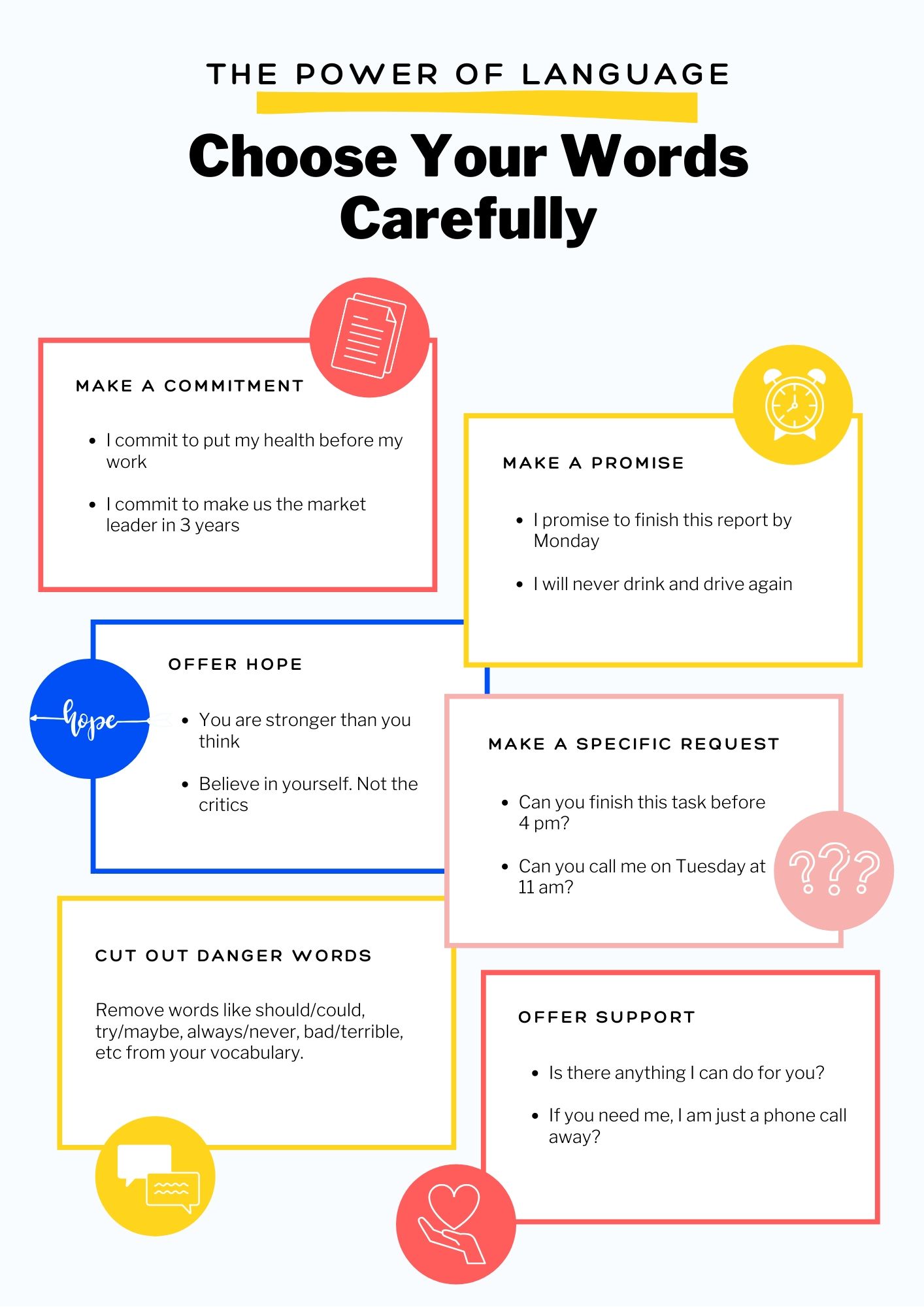
    Some of the danger words which we should cut from our vocabulary are –

    1. Should / Could – These words, spoken for ourselves or for others, implies judgment and makes people defensive and tense.
    2. Try / Maybe – These words leave ambiguity and leave an option for you or another to escape commitment in case things get difficult.
    3. Always / Never / Nobody  / Everybody – These words generalize opinions which are rarely the case and can cause people to react unexpectedly.
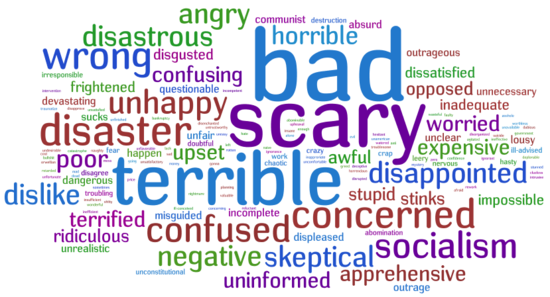
    4. Bad / Disastrous / Terrible – These words spread panic and can lead to more mistakes, stress, and confusion.
    5. Nothing is gonna change / That’s how it is done here – Using such phrases creates a culture of resentment and cynicism which ends up killing all enthusiasm and creativity in people.

    Instead, you can use powerful words and make them work for you :-

    1. Declare a Commitment. 
      1. I commit to exercising 30 minutes daily.
      2. Let us commit together to make this company the best place to work for.
    2. Make a Promise
      1. I promise to finish this report in two days.
      2. I promise to never drink and drive again.
    3. Make a Specific Request
      1. Can you finish this report before Friday or not?
      2. If you like it, can you share this article on Facebook today?
    4. Offer Support
      1. Is there anything I can do to help you with this task?
      2. I am just a phone call away if you need me.
    5. Offer Hope
      1. You will make it through it. You are stronger than you think.
      2. Believe in yourself, not the critics. I know you will prove them wrong.

    Watch your thoughts, for they become words. Watch your words, for they become actions. Watch your actions, for they become habits. Watch your habits, for they become character. Watch your character, for it becomes your destiny. – Lao Tzu

    So the next time, instead of saying –

    • “I can’t exercise more, I am tired.”, say, “I am not tired, let me do one more round.”
    • “I can’t work outside because I have asthma”, say, “I will work to prove I am bigger than my asthma”
    • “I can’t do this because I don’t have enough money”, say, “How can I earn enough money to start doing this?”
    • “I am not feeling good, it is going to be a bad day”, say, “Today is going to be a great day and I am raring to go”
    • “My life sucks”, say, “Today is a new day. Let’s make the most of it!!”

    Do this and you will see that your days will get brighter and dreams will turn into reality. Break the pattern of using words that suck power out of you, and instead form a new habit of using words that give power to you and the people around you.

brain care coaching commitment communication conflict conflicts conversation culture deployyourself deploy yourself emotional intelligence emotions empathy energy feedback freedom future gold habits hope john maxwell language leadership lessons listening performance perspective preparation productive productivity psychological safety purpose questions relationships resolution ryan holiday seth godin simon sinek strengths struggle team trust values words